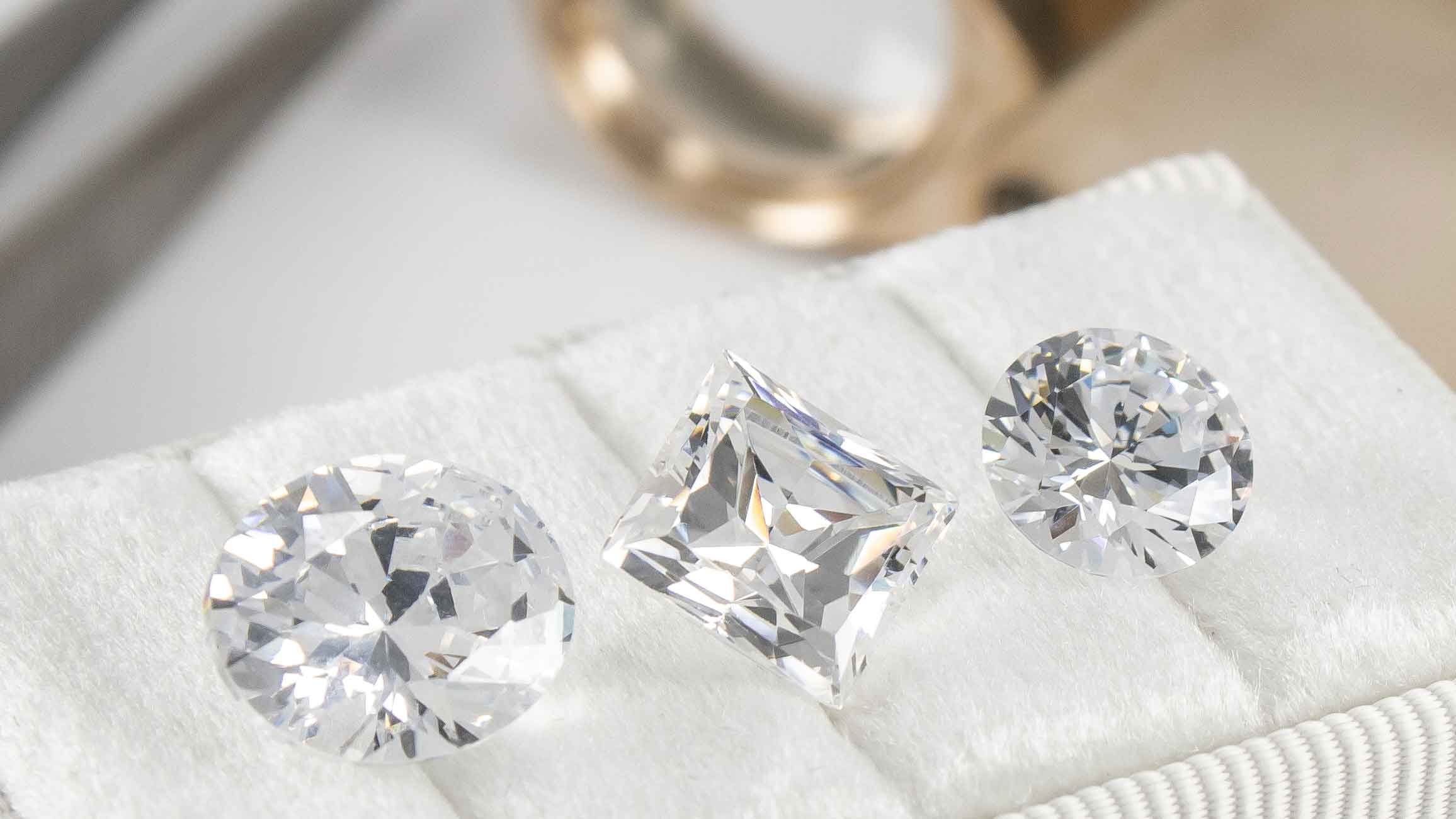
Lab grown diamonds are not more expensive than natural diamonds; in fact, they are significantly more affordable, typically costing between 50% and 80% less than mined stones of comparable size, cut, color, and clarity. While both lab grown and natural diamonds are chemically, physically, and optically identical—composed of the same crystallized carbon lattice—their market value diverges sharply due to differences in supply chain, production scalability, and scarcity.
The Science and Reality of Lab Grown Diamonds
To understand the price discrepancy, one must first recognize that lab grown diamonds are not "simulants" like cubic zirconia or moissanite. They are genuine diamonds. They are created in controlled environments using advanced technological processes—primarily High Pressure High Temperature (HPHT) or Chemical Vapor Deposition (CVD).
Because they are grown in a factory rather than extracted from the earth, the production process is time-bound and energy-intensive, but it is not subject to the extreme geographic and economic limitations of diamond mining. A diamond mine requires massive capital expenditure, years of exploration, and the logistical challenges of excavating thousands of tons of earth to find a limited yield of gem-quality stones. Conversely, a laboratory can produce consistent batches of high-quality diamonds on a continuous, scalable schedule. By 2026, the technology behind lab grown production has reached a point where the cost to manufacture these stones has dropped consistently, passing those savings directly to the consumer.
Understanding the Factors Behind Diamond Pricing
The price of any diamond—lab grown or natural—is influenced by the "Four Cs": Cut, Color, Clarity, and Carat weight. However, the origin of the stone acts as a massive multiplier for natural diamonds that simply does not exist for lab grown varieties.
- Scarcity vs. Reproducibility: Natural diamonds are a finite resource. Their price is buoyed by the reality that there is a limited supply of high-quality stones deep within the Earth’s crust. Lab grown diamonds, while requiring specific equipment and expertise, can theoretically be produced in infinite quantities. In economics, goods that are easily reproduced generally trade at a lower price point than those that are inherently rare.
- Supply Chain Overhead: The traditional diamond pipeline involves miners, brokers, cutters, polishers, and retailers. Each layer of the chain adds a markup. Lab grown diamonds often benefit from a more streamlined supply chain, as the "mining" phase is replaced by industrial production, often allowing the manufacturer to work more closely with the retail endpoint.
- Market Perception and Resale Value: A critical reason why natural diamonds remain more expensive is their long-standing status as a store of value. Historically, natural diamonds have been marketed as rare assets. Lab grown diamonds, viewed primarily as luxury items for adornment rather than investment assets, do not carry the same historical premium or secondary market resale value.
Comparing Market Value: A Price Perspective
When you compare a 1-carat, G-color, VS1-clarity diamond, the price difference is stark. In the current 2026 market, a consumer might spend anywhere from $4,000 to $8,000 for a high-quality natural diamond, whereas a lab grown counterpart of the exact same specifications might retail for $800 to $1,500.
This price gap widens as the carat weight increases. Because large, flawless natural diamonds are exponentially rarer than small ones, their prices scale rapidly. Lab grown diamonds, however, do not become exponentially more difficult to produce as size increases. Consequently, if you are looking for a large stone (e.g., 2 carats or higher), the cost savings of choosing a lab grown diamond over a natural one can reach into the tens of thousands of dollars.
| Feature | Lab Grown Diamond | Natural Diamond |
|---|---|---|
| Material Composition | Pure Crystallized Carbon | Pure Crystallized Carbon |
| Origin | Laboratory Environment | Earth's Crust (Mined) |
| Price Point | Significantly Lower | Higher (Premium) |
| Supply | Scalable/Predictable | Finite/Scarce |
| Resale Value | Typically Low | Moderate to High (Market Dependent) |
| Visual Appearance | Identical to Mined | Identical to Lab Grown |
Common Misconceptions About Diamond Costs
One persistent myth is that lab grown diamonds are expensive because they are "harder to make" than natural ones. While growing a diamond is a sophisticated feat of engineering, it is a repeatable industrial process. In contrast, finding a high-quality natural diamond is a game of chance and extreme geological effort.
Another misconception involves insurance and appraisal. Some consumers assume that because they paid less for a lab grown diamond, the cost of insuring it is somehow inherently lower. In reality, insurance premiums are based on the replacement cost of the item. Since a lab grown diamond is cheaper to replace, the insurance premium for a lab grown ring is typically lower than that of an equivalent natural diamond ring. Always consult with a licensed insurance provider regarding specific coverage requirements for jewelry, as policies vary by provider and region.
The Role of Certification
Regardless of whether you choose a lab grown or natural diamond, you must ensure you have professional certification. Organizations such as the Gemological Institute of America (GIA) or the International Gemological Institute (IGI) provide detailed reports for both types of stones.
It is important to note that a GIA report for a lab grown diamond will clearly state its lab-grown origin. This certification ensures that you are paying the correct market rate for the stone you are receiving. Never purchase a significant diamond without a grading report, as this is your only way to verify that the stone’s quality matches the price you are being asked to pay.
Considerations for Jewelry Selection
If you are currently choosing between these two options, consider your primary goal:
- For Durability and Daily Wear: Both diamond types score a 10 on the Mohs scale of mineral hardness. They are equally suitable for engagement rings and high-use jewelry.
- For Budget Optimization: If you prefer a larger center stone for your budget, a lab grown diamond allows you to prioritize size and quality (Cut/Color/Clarity) without the prohibitively high cost of a comparable natural stone.
- For Long-Term Asset Value: If you are purchasing a diamond as a potential investment or heirloom that you expect to hold significant financial value in decades to come, natural diamonds have historically maintained a different position in the market than manufactured goods.
Troubleshooting Your Purchase
If you find a lab grown diamond that is priced similarly to a natural diamond, proceed with caution. This may indicate an improperly priced item or an attempt to obscure the nature of the stone. Always verify the origin through the documentation provided. If a retailer cannot provide a clear, independent certification regarding the stone’s origin, do not proceed with the transaction.
Frequently Asked Questions
Are lab grown diamonds fake? No. Lab grown diamonds are not fake; they are chemically and physically identical to natural diamonds. They contain the same carbon structure and display the same optical brilliance and durability.
Do lab grown diamonds lose their sparkle over time? No. Because they share the same physical properties as natural diamonds, they do not cloud, scratch, or lose their brilliance over time. With proper care and routine cleaning, they will retain their appearance indefinitely.
Can a jeweler tell the difference between lab grown and natural diamonds? To the naked eye, even a professional gemologist cannot distinguish between the two. Distinguishing between them requires advanced laboratory equipment, such as a DiamondView machine, which detects differences in the growth patterns of the carbon lattice.
Why are lab grown diamonds becoming so popular in 2026? The surge in popularity is driven by a combination of technological maturity and shifting consumer preferences. Consumers increasingly value the lower price point, which allows for larger stones and more elaborate settings without the high investment required for mined diamonds.
Is it better to buy a lab grown diamond? "Better" depends on your personal criteria. If value, size, and appearance are your primary drivers, lab grown diamonds offer an excellent solution. If you value the rarity and traditional market history of mined geological formations, you may prefer a natural diamond.
Final Recommendation
If you are in the market for a diamond, start by establishing your budget and your priorities regarding stone size versus stone origin. Visit a reputable jeweler and request to see both options side-by-side. You will find that you cannot visually distinguish them, which should empower you to make a choice based on what is most important to you—whether that is maximizing the physical size of the stone through a lab grown purchase or honoring the historical rarity of a mined diamond. Always ensure your final selection comes with an independent, reputable laboratory report to guarantee the quality of your purchase.