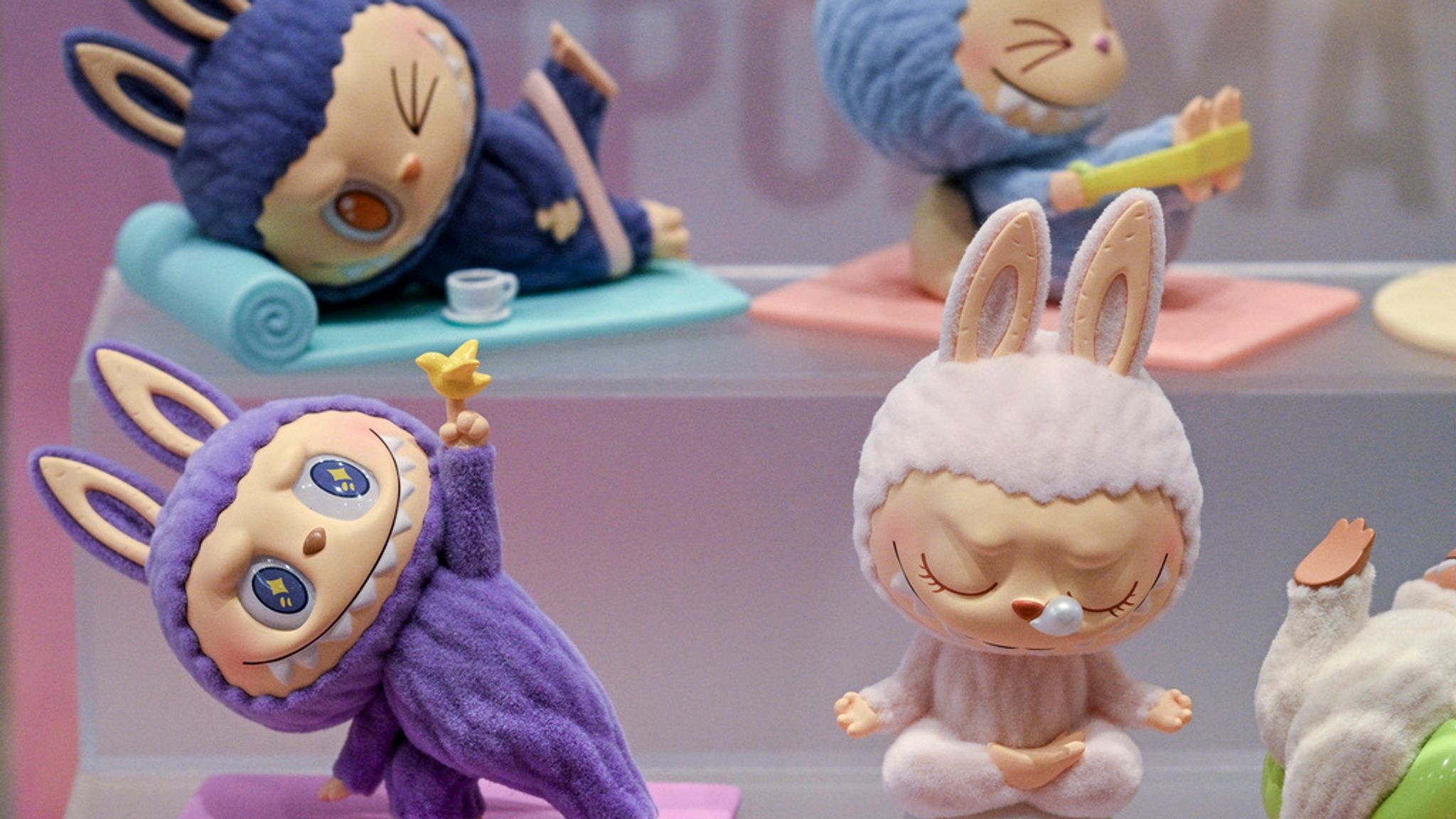
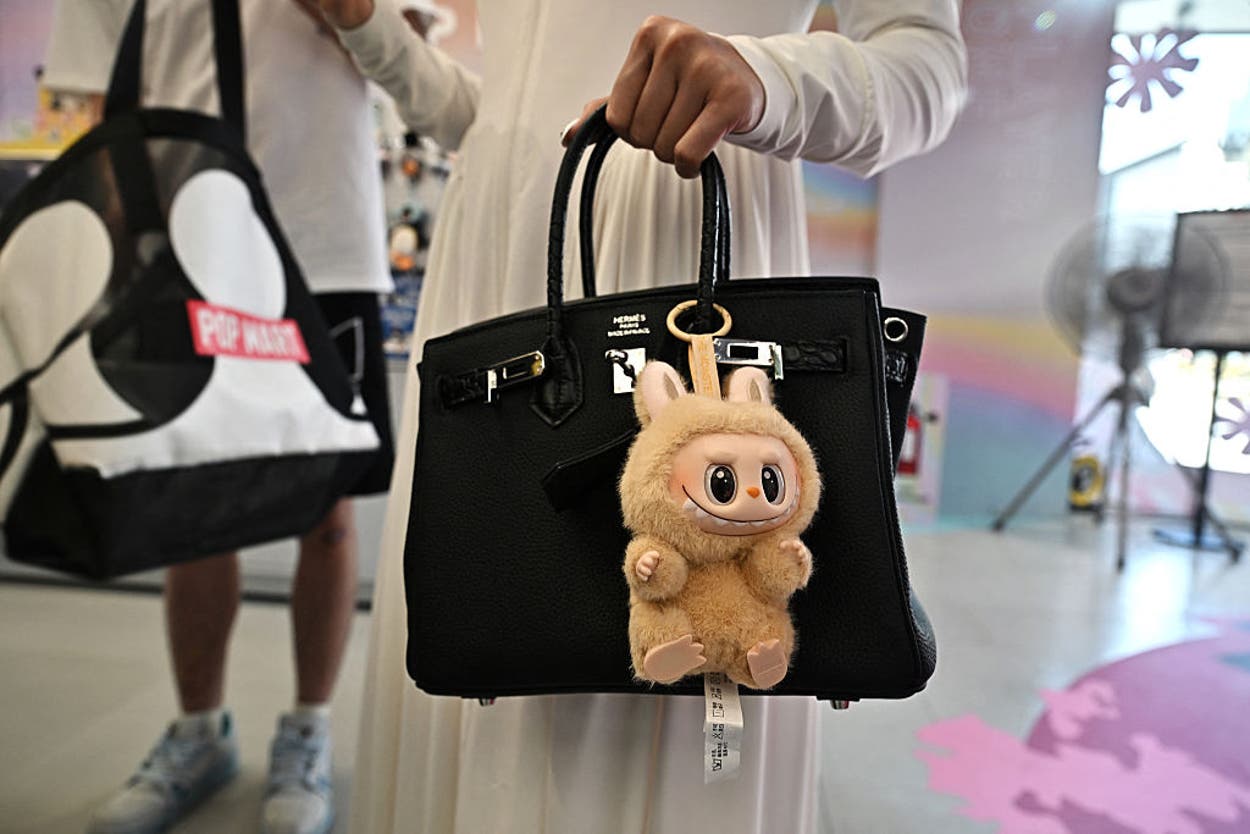
Whether Labubu figures are considered expensive depends largely on whether you are purchasing them at their initial retail price point or navigating the secondary collector's market. As of 2026, these vinyl art toys—created by artist Kasing Lung and produced by POP MART—occupy a unique space in the collectibles industry, where retail prices are generally accessible, but resale values can escalate significantly based on rarity, collaboration status, and market demand.
Understanding the Retail Pricing of Labubu Figures
At the primary retail level, Labubu figures are designed to be affordable entries into the art toy ecosystem. When POP MART releases a new "blind box" series, these items typically follow a standardized pricing structure. A single blind box usually retails between $12 and $18 USD, depending on the region and specific collection series. This model is intended to encourage casual collection and trading.
However, the "expense" perceived by the buyer often shifts when moving beyond basic blind boxes. POP MART frequently releases larger, limited-edition vinyl figures—sometimes called "mega" or "artist-series" figures—which command significantly higher retail prices. These larger pieces, which can stand 10 to 40 centimeters tall, are crafted with higher-quality materials and limited production runs, often retailing anywhere from $100 to over $500 USD. For the average consumer, these larger iterations represent a substantial financial investment compared to the standard blind box offerings.
The Dynamics of the Secondary Market
The true volatility in Labubu pricing exists on the secondary market. Because many POP MART series are released in limited quantities or feature "secret" (chase) figures with low pull rates, supply and demand dictate a secondary market that operates independently of retail guidelines.
Several factors drive the secondary market price:
- Rarity and "Secret" Variants: In any given blind box series, there is usually one highly elusive figure. Collectors seeking to complete a set often drive the price of these specific items into the hundreds of dollars, far exceeding the initial cost of a single box.
- Collaboration and Licensing: Labubu figures released in collaboration with high-fashion brands, famous artists, or specific cultural events often see their value appreciate immediately. These items are treated less like toys and more like limited-edition assets.
- Cultural Hype and Trends: As of 2026, the social media visibility of Labubu has remained high. When a specific design gains popularity on platforms like Instagram or TikTok, the market price for that specific character often surges as new collectors enter the space, outstripping the fixed supply of the original release.
Comparative Cost Analysis: Labubu vs. Other Collectibles
To determine if Labubu figures are "expensive," it is helpful to place them within the broader landscape of designer toys and pop-culture collectibles.
| Collectible Type | Typical Retail Range | Secondary Market Volatility |
|---|---|---|
| Standard Blind Box (Labubu) | $12 – $18 | Low to Moderate |
| Designer Vinyl (Mid-size) | $50 – $150 | Moderate to High |
| Limited Edition/Art Series | $200 – $800+ | Very High |
| High-End Statue/Licensed Figurine | $300 – $2,000 | Variable |
While Labubu blind boxes are comparable to other mass-market collectibles like Lego Minifigures or Funko Pops, the "art toy" nature of the product line allows it to bridge the gap between mass-produced items and fine-art collectibles. Unlike some traditional toys that depreciate immediately upon opening, certain Labubu designs demonstrate a level of "collectible resilience" that justifies a higher price point to serious enthusiasts.
The Hidden Costs: Beyond the Sticker Price
When calculating whether Labubu collecting is expensive, one must consider costs beyond the initial purchase price. These hidden factors are often overlooked by new collectors but are critical to long-term financial management.
Shipping and Import Fees
For many collectors, the specific Labubu design they desire is not available in their local retail store. International shipping, especially for larger vinyl pieces, can add 20% to 50% to the cost of the item. Additionally, depending on the buyer’s jurisdiction, customs duties and value-added taxes (VAT) can significantly inflate the total landed cost of the product.
Display and Preservation
Unlike lower-end toys, Labubu figures—particularly those with delicate paint applications or unique fabric components—require proper storage. High-quality acrylic display cases, UV-protected shelving, and climate-controlled storage are recommended to prevent the degradation of materials over time. For a dedicated collector, these maintenance costs can reach hundreds of dollars annually.
The "Completionist" Premium
The most significant expense is often behavioral. The blind box model is designed to encourage repeat purchases. A collector attempting to pull a complete set without resorting to the secondary market may end up purchasing dozens of duplicate figures. This "gacha" mechanic is a form of indirect expense that many consumers do not initially calculate.
Identifying Authentic Products to Protect Value
A major concern regarding the expense of Labubu figures involves the prevalence of counterfeits. Because these figures are highly desirable, unauthorized third parties frequently produce knock-offs.
Purchasing a counterfeit is an "expensive" mistake because the item lacks long-term value, is often made of inferior materials, and supports a market that devalues the work of the original artist. To protect your investment:
- Buy from Official Channels: Always prioritize official POP MART stores, their verified online storefronts, or authorized major retailers.
- Inspect Packaging: Authentic figures come with precise, high-quality printing, holographic security seals, and standardized batch numbering.
- Evaluate Pricing: If a listing price on a secondary market platform is significantly lower than the current going rate for a popular figure, it is likely a counterfeit. If the deal seems too good to be true, it almost certainly is.
Frequently Asked Questions
Why do some Labubu figures cost significantly more than others?
Price differences are primarily driven by production numbers and market demand. A "secret" figure included at a ratio of 1 in 144 boxes will always cost more than a common figure, simply because the supply is mathematically constrained by the manufacturer.
Is it cheaper to buy individual figures or full sets?
Purchasing a full set from a retailer or verified collector is usually more cost-effective than buying individual blind boxes if your goal is to acquire every figure in a series. While the upfront price of a full set is higher, it eliminates the risk of accumulating multiple unwanted duplicates.
Does the value of Labubu figures increase over time?
Some do, while others do not. There is no guarantee of appreciation. Figures that gain "iconic" status or are part of rare, discontinued collaborations tend to retain or grow in value, while standard series releases often see their value stabilize or decrease once the initial hype cycles fade.
Should I treat Labubu collecting as an investment?
Financial experts generally advise against viewing collectibles as primary investments. While some rare Labubu items may appreciate, the market is unregulated and highly subjective. You should collect these items for personal enjoyment rather than with the expectation of a financial return.
What are the safest ways to trade Labubu figures?
The safest methods involve platforms that offer buyer protection and escrow services. When trading privately, using secure payment methods that provide chargeback protections is essential. Avoid wire transfers or non-protected peer-to-peer payment methods.
Final Recommendations for Collectors
If you are concerned about the expense, the best approach is to define your budget before entering the market. Determine if you are a "casual collector" who enjoys the surprise of a few blind boxes, or a "completist" who intends to acquire entire series.
For the casual enthusiast, staying within the standard retail channels for new releases is the most cost-effective path. If you are specifically hunting for rare, older, or secondary-market-only pieces, dedicate time to monitoring pricing trends over several months before committing to a purchase. By understanding the difference between standard retail pricing and the speculative secondary market, you can enjoy the hobby without overextending your budget.