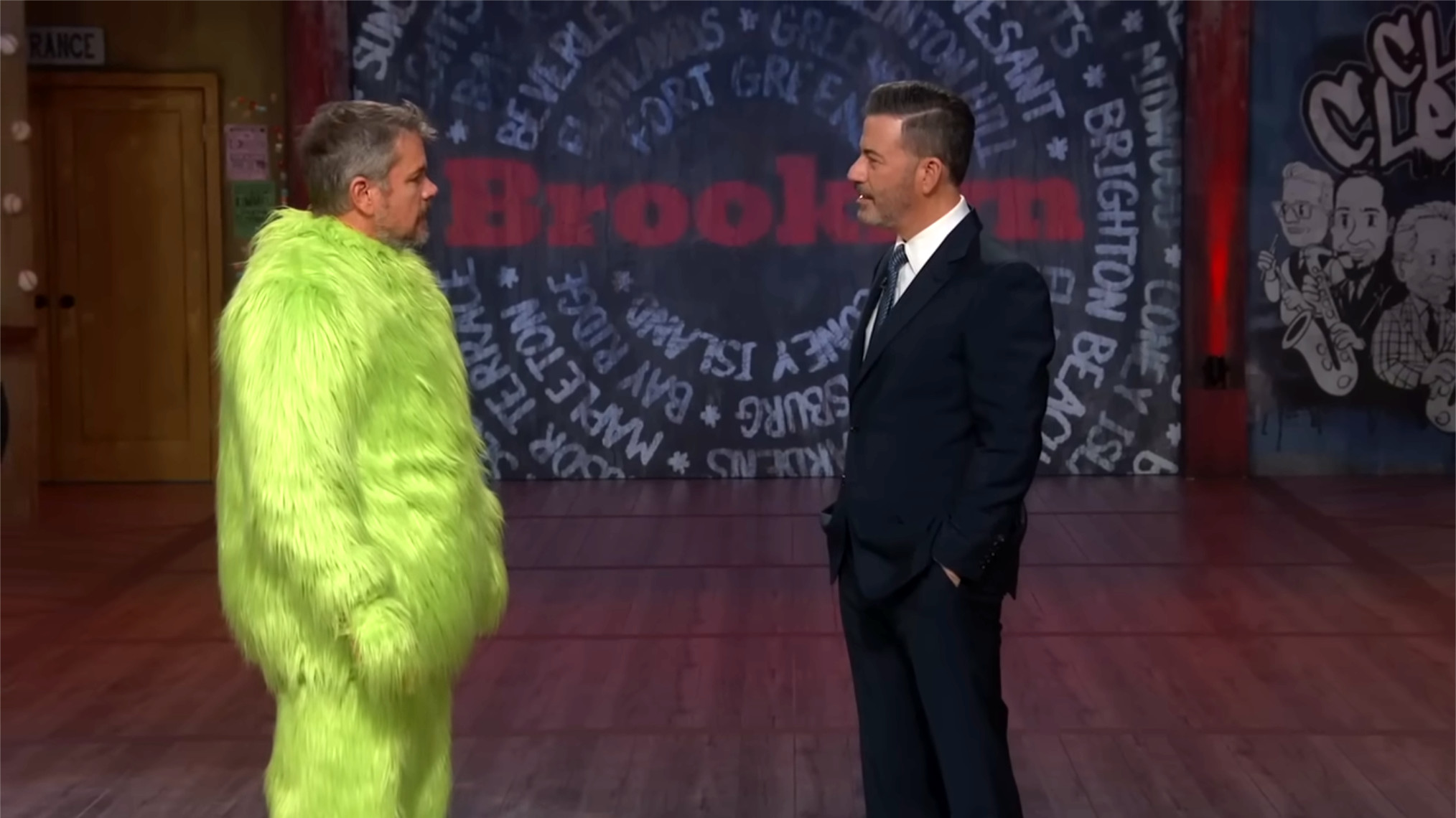
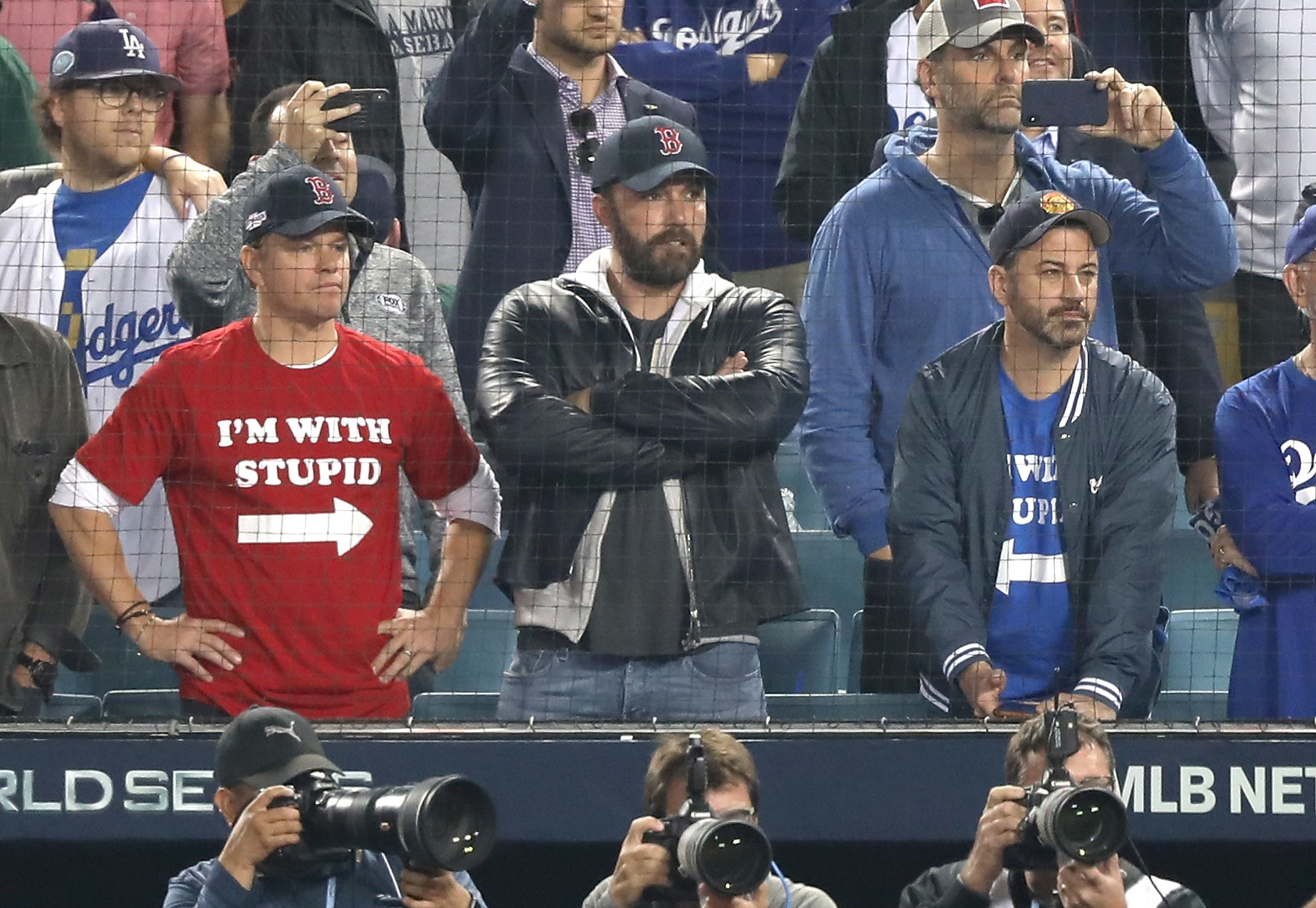
Jimmy Kimmel and Matt Damon are genuine, close friends in real life, despite the long-running, mock-feud sketch that has become a staple of late-night television. Their public relationship is defined by a choreographed cycle of insults and pranks that began in 2003, masking a standard Hollywood friendship characterized by genuine mutual support and off-screen camaraderie.
The Origins of the Mock Feud
The premise of a "feud" between the two men began almost by accident during the early years of Jimmy Kimmel Live! According to both parties, the show was struggling to find its footing, and one night, after a particularly disjointed broadcast, Kimmel began jokingly apologizing to "Matt Damon" for bumping him from the show. The joke was meant to be a throwaway bit, but the audience reacted with genuine laughter, and the writers decided to run with the conceit.
For over two decades, this gag has evolved into a sophisticated comedic performance art. The format typically involves Kimmel "running out of time" just as he is about to introduce the actor, or Damon storming the stage in mock-indignation. Because this has become a cultural touchstone, audiences often find themselves unable to distinguish between the performance and the reality of their personal connection. To understand the reality, one must look at their behavior outside of the studio environment.
Separating Performance from Personal Reality
When cameras are not rolling, the dynamic between Jimmy Kimmel and Matt Damon is strictly one of mutual respect and social proximity. Both men are prominent figures in the entertainment industry and often occupy the same social circles in Los Angeles and New York. They frequently attend high-profile events, award ceremonies, and private gatherings together without the performative antagonism that defines their public interaction.
Crucially, the "feud" requires a high level of trust to execute. Pranks and insult-driven humor in the public eye can easily be misinterpreted; therefore, both Kimmel and Damon have had to establish clear boundaries regarding where the joke ends and their genuine friendship begins. Their ability to maintain this bit for over twenty years suggests a solid foundation of professional rapport and personal comfort.
Collaborative Projects and Media Presence
Beyond the late-night segments, Kimmel and Damon have engaged in numerous genuine collaborations. Damon has served as a guest host for Jimmy Kimmel Live! on multiple occasions, and they have appeared in various sketch segments that involve significant time and production effort, such as the viral "I'm F*cking Ben Affleck" music video.
These collaborations demonstrate that their professional relationship is not limited to the "bumping from the show" joke. When Damon agrees to participate in elaborate, multi-day shoots for the program, he is signaling a level of commitment that only occurs between two people who share a productive and enjoyable working relationship. Their rapport is characterized by a shared sense of humor, which is arguably the primary fuel for their public interaction.
How They Compare: Public Persona vs. Private Reality
It is useful to categorize the components of their relationship to see how they function in different spheres of influence.
| Aspect of Interaction | Public "Feud" Context | Real-Life Dynamic |
|---|---|---|
| Primary Driver | Comedic performance art | Personal friendship |
| Common Tone | Competitive, antagonistic | Supportive, collaborative |
| Target Audience | Television viewers/Social media | Private inner circle |
| Consistency | Highly scripted/choreographed | Casual, organic |
| Goal | Audience entertainment | Maintaining a social bond |
This table illustrates that the public facade is a product, while the private friendship is the underlying foundation that makes the product sustainable. Without a legitimate friendship, the joke would lack the necessary nuance, likely coming across as mean-spirited or awkward rather than humorous.
The Role of Celebrity Culture in Perpetuating the Myth
The persistence of the question "are Kimmel and Damon friends" is a testament to the success of their branding. In an era where audiences are increasingly savvy about PR stunts and manufactured celebrity rivalries, the Kimmel-Damon dynamic survives because it leans into the absurdity of celebrity culture.
By taking a trope—the "rivalry"—and applying it to two individuals who have no discernible reason to be enemies, they have created a meta-narrative that continues to engage audiences. The public understands that they are being "played," but they enjoy the game. This creates a feedback loop: because the audience enjoys the joke, the two celebrities are incentivized to keep the joke alive, which in turn strengthens their real-life friendship through shared history and professional success.
Factors Contributing to Their Lasting Connection
Several factors explain why this partnership has lasted longer than most professional relationships in Hollywood:
- Shared Industry Longevity: Both individuals have remained at the top of their respective fields for decades, providing them with a shared perspective on the pressures of fame and the intricacies of television and film production.
- Professional Boundaries: Despite the mockery, both men maintain professional respect for each other's work. Damon is a highly successful actor and producer; Kimmel is a veteran host. They provide value to one another's professional ecosystems.
- Low Stakes: Unlike actual celebrity feuds—which often stem from legal disputes, intellectual property theft, or genuine personal trauma—the Kimmel-Damon feud has no real-world stakes. There is no damage to either man's reputation, career, or finances.
- Mutual Benefit: The bits drive ratings for Jimmy Kimmel Live! and keep Matt Damon in the social media conversation, functioning as a form of non-traditional marketing that benefits both parties.
Frequently Asked Questions
Did Jimmy Kimmel and Matt Damon ever have a real falling out? No. There is no credible reporting or evidence to suggest that the two have ever had an actual conflict. The entire narrative of a feud is an intentional, collaborative comedic bit that originated in 2003.
Why does Matt Damon keep appearing on the show if he is "never allowed to speak"? He appears because he is a frequent collaborator and close friend of the host. The trope of him being cut off or "bumped" is a recurring gag designed to elicit laughter, not a reflection of his actual status on the program.
Are they friends with Ben Affleck, too? Yes. Matt Damon and Ben Affleck have been close friends since childhood, and both have deep ties to the late-night television community. Ben Affleck is a frequent guest on Jimmy Kimmel Live! and often participates in the sketches involving Damon, further cementing the trio’s off-screen bond.
Is there an end date to the "feud"? There is no indicated conclusion to the bit. As long as both men remain active in the entertainment industry and continue to find the performance amusing, it is likely that the "feud" will persist as a central feature of their public interaction.
How can I tell when they are being serious? The most reliable indicator of their genuine relationship is found in moments where the comedy is dropped, such as during heartfelt tributes, interviews where they discuss their personal lives, or when they speak about one another in contexts outside of a sketch.
Recommendations for Continued Observation
If you are interested in seeing the distinction between their performance and their real relationship, pay attention to the transition points during guest appearances. When the music cues and the sketch begins, the "performance" phase is active. However, when the sketch concludes and they sit down for the actual interview, their body language, eye contact, and tone typically shift to reflect a more genuine, albeit still playful, connection. Their friendship is a prime example of how public-facing personas in the entertainment industry can utilize humor to deepen, rather than obscure, authentic personal relationships.