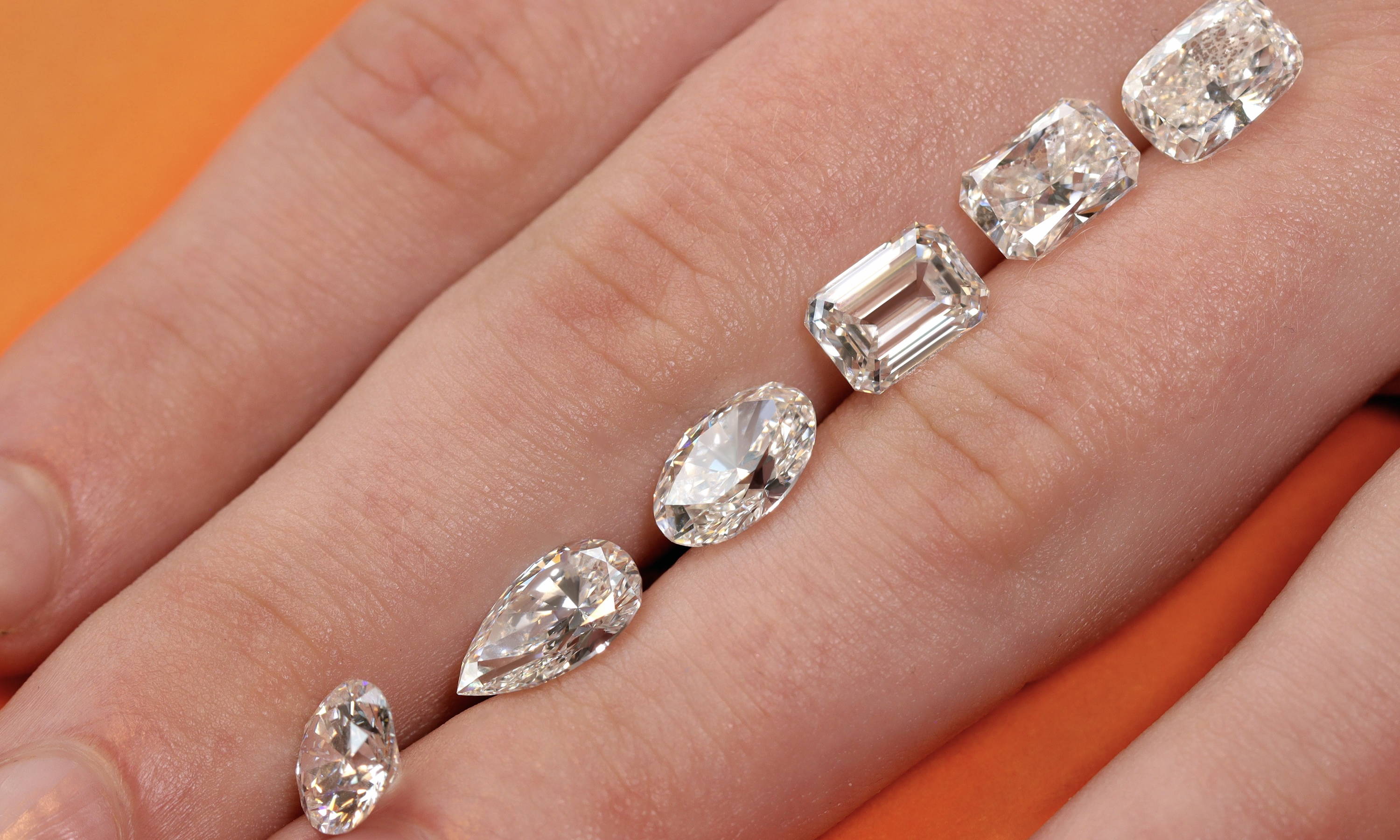
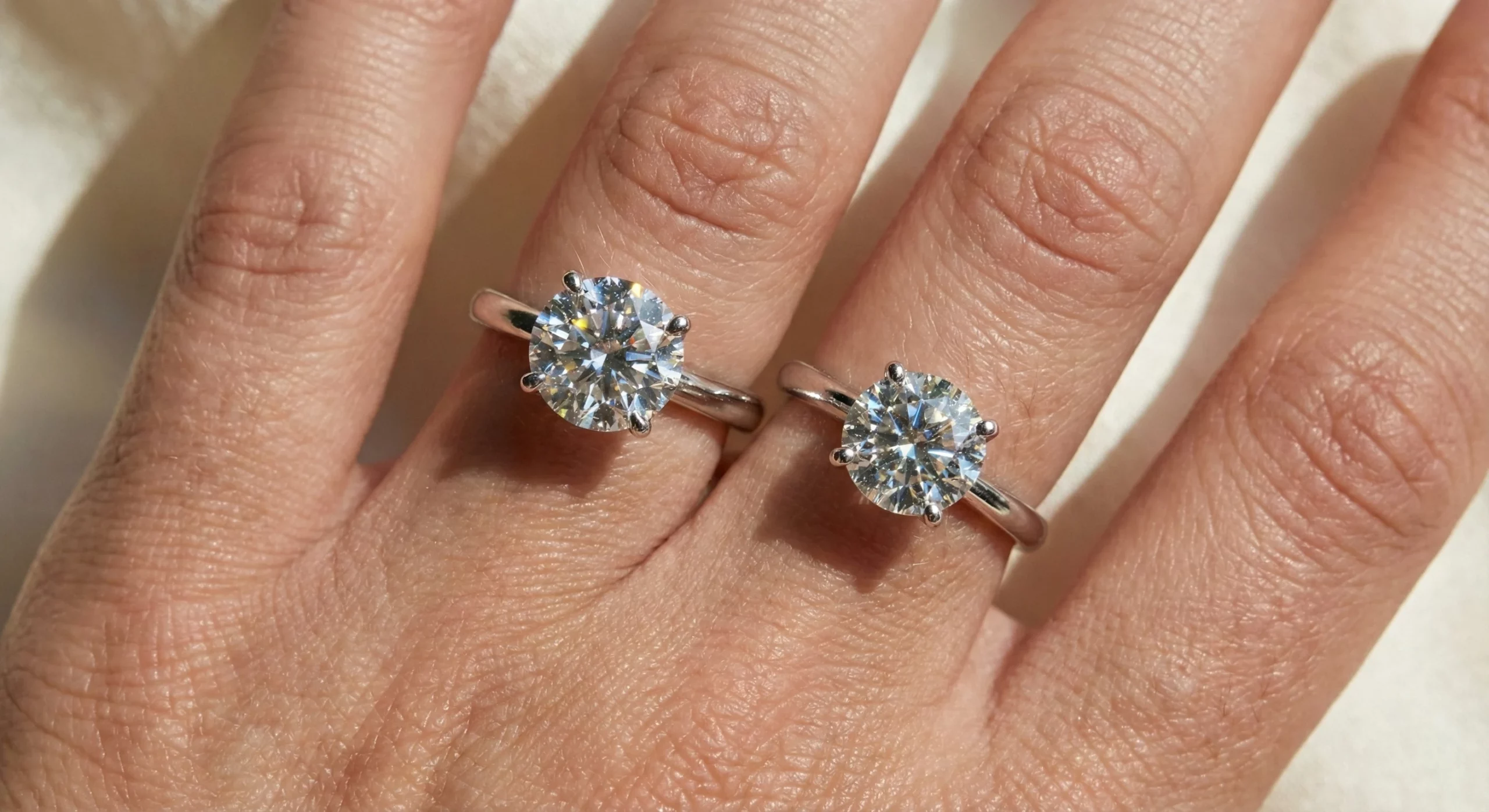
Lab-grown diamonds are chemically, physically, and optically identical to mined diamonds. Both consist of pure carbon arranged in a crystal lattice structure, exhibiting the same hardness, brilliance, and fire. The primary differences lie in their origin, market valuation, and production timelines, making lab diamonds a scientifically equivalent, cost-effective alternative for jewelry.
Understanding the Scientific Identity of Diamonds
The fundamental question of whether lab-grown diamonds are "real" is a matter of definition rather than science. In the eyes of chemistry and mineralogy, a diamond is defined by its crystalline structure. Whether formed deep within the Earth’s mantle under immense pressure and heat over billions of years or synthesized in a controlled laboratory environment over a few weeks, the result is the same substance: crystallized carbon.
Because they share this identical atomic arrangement, lab-grown diamonds possess the same physical properties as their natural counterparts. They rank a 10 on the Mohs scale of mineral hardness, meaning they are equally resistant to scratching and daily wear. Their refractive index, which determines the degree of light bending, and their dispersion, which creates the "fire" or colored light flashes, are indistinguishable to the naked eye and often even to specialized gemological equipment.
Methods of Creation
To understand the equivalence, one must look at how laboratories replicate geological processes. There are two primary methods used in the industry today:
- High Pressure High Temperature (HPHT): This method simulates the intense conditions of the Earth's mantle. Carbon sources are subjected to pressures of approximately 5–6 gigapascals and temperatures between 1,300 and 1,600 degrees Celsius. This mimics the natural volcanic environment, though it accelerates the process from eons to weeks.
- Chemical Vapor Deposition (CVD): This technique involves placing a "diamond seed" into a vacuum chamber filled with carbon-rich gas. The gas is ionized into plasma, causing carbon atoms to precipitate onto the seed, growing the diamond atom by atom. This process allows for precise control over the diamond’s growth environment.
Comparing Mined and Lab-Grown Diamonds
While the materials are identical, the consumer experience and market dynamics differ significantly. When evaluating if a lab-grown diamond is "as good" as a mined one, you must weigh your priorities, such as resale value, environmental ethics, and upfront cost.
Hardness and Durability
Both types are suitable for everyday wear, including engagement rings. Because they share the same carbon lattice, they will not turn cloudy or lose their sparkle over time, provided they are cleaned regularly. A jeweler using a standard thermal conductivity diamond tester will find that both types trigger a "diamond" reading, as both possess high thermal conductivity.
Value and Investment Perspective
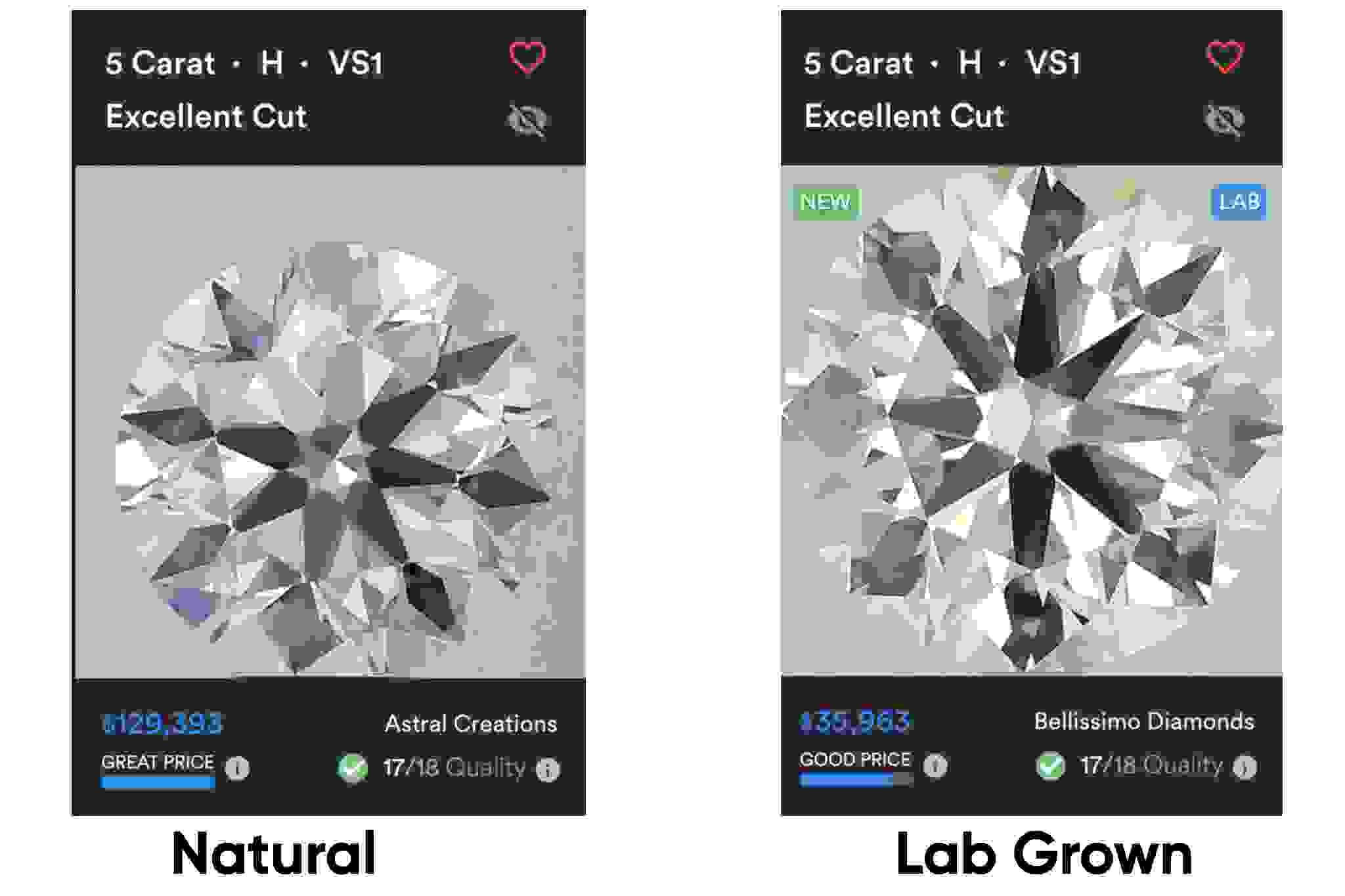
It is essential to clarify the common misconception regarding "investment" value. Most diamonds—whether mined or lab-grown—are retail purchases rather than traditional financial assets. While mined diamonds have historically held more retail value due to supply scarcity and marketing, lab-grown diamonds have seen a significant price decrease since their widespread adoption in the 2020s. For a consumer, this means a lab-grown diamond provides a much larger, higher-quality stone for a lower price, but it should not be viewed as a store of monetary value that will appreciate over time.
Ethical and Environmental Considerations
Many consumers choose lab-grown diamonds because they circumvent the environmental disruption associated with large-scale open-pit mining. While mining companies have made strides in corporate social responsibility, the lab-grown process generally requires less land displacement and avoids the human rights concerns sometimes associated with artisanal mining in conflict zones. For the conscious consumer, the lab-grown diamond is often viewed as "better" precisely because of this reduced ecological footprint.
Performance Comparison Table
| Feature | Lab-Grown Diamond | Mined (Natural) Diamond |
|---|---|---|
| Chemical Composition | Pure Carbon (C) | Pure Carbon (C) |
| Crystal Structure | Isometric (Cubic) | Isometric (Cubic) |
| Hardness (Mohs) | 10 | 10 |
| Refractive Index | 2.42 | 2.42 |
| Origin | Laboratory (HPHT/CVD) | Geological (Mantle) |
| Resale Value | Low/Volatile | Moderate |
| Price Point | Low to Moderate | High |
Verification and Grading
A common concern is how to tell them apart. It is important to note that you cannot distinguish the two by sight alone. Even skilled gemologists cannot identify a lab-grown stone without advanced spectroscopic equipment that detects trace elements (such as nitrogen or boron) or identifies specific growth patterns unique to HPHT or CVD processes.
Both the Gemological Institute of America (GIA) and the International Gemological Institute (IGI) offer grading reports for lab-grown diamonds. These reports use the same "4Cs" criteria as natural diamonds:
- Cut: The precision of the facets and angles.
- Color: The degree of whiteness or lack of color.
- Clarity: The presence of internal inclusions or surface blemishes.
- Carat: The physical weight of the stone.
When purchasing, ensure the diamond comes with a lab certification laser-inscribed on its girdle. This provides peace of mind that you are receiving the exact stone specified in your purchase agreement.
Potential Downsides of Lab Diamonds
Despite their optical and physical quality, there are nuances to consider. Because lab diamonds are manufactured, there is theoretically a potentially infinite supply compared to the finite nature of natural diamond deposits. Some collectors and traditionalists argue that this diminishes the "rarity" factor that defines natural diamonds. If your goal is to possess a stone that represents geological time and natural scarcity, a lab-grown diamond may not satisfy that emotional requirement, regardless of how "good" it looks.
Furthermore, if you are planning for a very long-term heirloom, keep in mind that the market for lab-grown diamonds is still maturing. Policies for trade-ins or upgrades at traditional jewelry retailers may favor mined diamonds, which have established legacy pricing structures.
Frequently Asked Questions
Can a jeweler tell the difference between a lab and real diamond?
Not with a standard loupe. Jewelers require advanced instruments, such as a fluorescence imaging machine or a specialized light-spectrum analyzer, to detect the microscopic growth signatures that differentiate a lab-grown stone from a natural one.
Do lab diamonds get cloudy over time?
No. Because they are 100% carbon, they are just as durable as mined diamonds. They do not age or degrade. If your diamond appears cloudy, it is likely due to an accumulation of oils, lotions, or dust on the surface, which can be removed with standard professional cleaning.
Are lab diamonds considered fake?
No. In 2018, the Federal Trade Commission (FTC) updated its jewelry guides to define a diamond as a mineral consisting of pure carbon crystallized in the isometric system. By this definition, both lab-grown and mined diamonds are "real" diamonds.
Is it worth buying a lab diamond in 2026?
Yes, especially if you prioritize value and aesthetics. As of 2026, the technology has reached a point where the quality of lab-grown diamonds is exceptional. If your budget is limited, you can afford a significantly larger, higher-clarity, and better-colored stone by opting for a lab-grown version.
Do lab diamonds have inclusions?
Yes. Just like natural diamonds, lab-grown diamonds are formed under specific conditions that can result in tiny internal characteristics or inclusions. A high-quality lab diamond will have a clarity grade assigned based on these internal features, just like a natural stone.
Strategic Recommendation
When deciding between the two, ignore the "real vs. fake" debate; the science confirms they are both real. Focus instead on your motivation for the purchase. If you desire a piece of the Earth's history, carry a personal connection to the rarity of a billion-year-old formation, and value potential long-term resale stability, choose a mined diamond. If you prefer to maximize the physical size and quality of the stone within your budget, support a sustainable production process, and want a physically perfect diamond for daily wear, a lab-grown diamond is the superior choice. Always purchase from a reputable retailer that provides a grading report from a recognized laboratory to ensure you are getting exactly what you pay for.