Assessing workers compensation fraud prevalence requires a multi-faceted analytical approach combining historical claims data, behavioral red flags, statistical modeling, and investigative audits. Because fraudulent claims distort insurance pricing, strain employer resources, and delay care for genuinely injured employees, stakeholders rely on structured methodologies to measure and mitigate its impact across industries.
Understanding Workers Compensation Fraud
Workers compensation fraud occurs when an employee, employer, healthcare provider, or insurance professional knowingly misrepresents facts to obtain unauthorized benefits, lower premium costs, or secure unearned financial payouts. Measuring the prevalence of this illicit activity is inherently complex because many deceptive claims go undetected, while others are merely suspected without definitive proof.
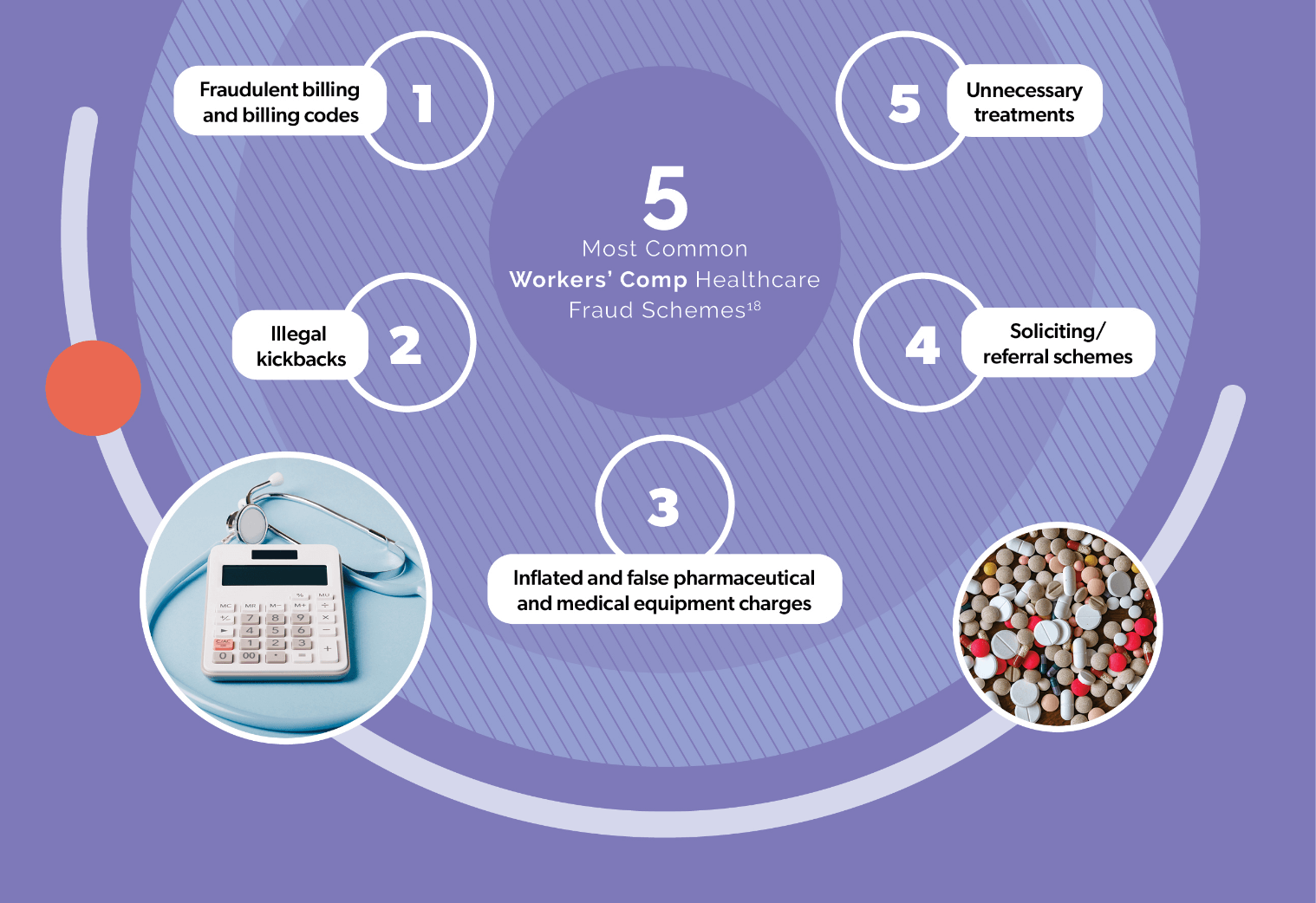
When evaluating prevalence, researchers and special investigation units (SIUs) typically distinguish between hard fraud and soft fraud. Hard fraud involves deliberate fabrication, such as staging a workplace accident or inventing an injury that never occurred. Soft fraud is more common and involves exaggeration, such as magnifying the severity of a legitimate injury, claiming off-duty injuries happened at work, or continuing to collect wage-replacement benefits while secretly working another job.
Insurance regulators, economic researchers, and fraud bureaus rely on predictive modeling, randomized audits, and closed-claim reviews to estimate the scope of the problem. While exact figures vary by jurisdiction, industry, and economic climate, the National Insurance Crime Bureau (NICB) and the Coalition Against Insurance Fraud consistently report that workers compensation fraud represents billions of dollars in annual losses across the United States.
Core Methods for Assessing Fraud Prevalence
To determine how frequently fraud occurs within a specific portfolio or organization, risk managers and investigators deploy a combination of quantitative analytics and qualitative screening tools.
Statistical Modeling and Data Mining
Modern insurers utilize advanced predictive analytics to scan millions of active claims for anomalies. By feeding historical claims data into machine learning algorithms, risk teams can identify statistical outliers. Factors such as unusual medical provider billing patterns, delayed reporting of accidents, and discrepancies in wage statements trigger automated flags that prompt deeper investigative reviews.
Randomized Audits and Retrospective Reviews
Because automated systems only catch anomalies that match known patterns, organizations often conduct random audits of closed and open claims. A cross-functional team—comprising adjusters, legal counsel, and medical experts—re-examines file documentation, medical histories, and surveillance logs. This randomized sampling helps establish a baseline fraud rate that can be extrapolated across a broader book of business.
Behavioral Red Flags and Screening Protocols
Frontline supervisors and claims adjusters play a vital role in assessment by monitoring behavioral indicators. Standardized screening protocols evaluate situational factors surrounding the incident.
- Timing anomalies: Accidents reported on Monday mornings or immediately prior to a scheduled layoff, disciplinary action, or seasonal shutdown.
- Absence of witnesses: Incidents occurring in isolated areas with no corroborating eyewitnesses or objective physical evidence.
- Delayed reporting: Unexplained delays between the date of the alleged accident and the date it is reported to management.
- Inconsistent medical histories: Medical descriptions of the accident that conflict with the physical injuries sustained or the patient's subjective complaints.
- Unresponsive claimants: Beneficiaries who are frequently unreachable, refuse diagnostic testing, or exhibit hostility toward independent medical examinations (IMEs).
Comparative Analysis of Assessment Methodologies
Different approaches to measuring and detecting workers compensation fraud offer distinct advantages and operational limitations. The table below outlines the primary methodologies used by risk management professionals.
| Assessment Methodology | Primary Focus | Key Advantages | Operational Limitations |
|---|---|---|---|
| Predictive Data Analytics | Large-scale portfolio screening | High processing speed; identifies hidden statistical patterns. | Requires clean historical data; prone to false positives. |
| Randomized Claims Audits | Unbiased baseline measurement | Provides accurate sample-based prevalence estimates. | Resource-intensive; delays administrative workflows. |
| Special Investigation Units (SIUs) | Targeted case-by-case examination | Gathers actionable legal evidence; deters future abuse. | High labor cost per case; reactive rather than preventative. |
| Medical Provider Reviews | Billing and treatment pattern analysis | Uncovers organized medical mills and billing fraud rings. | Complex regulatory compliance; requires specialized medical expertise. |
Industry Sectors Most Vulnerable to Workers Compensation Claims Abuse
Fraud prevalence is not distributed evenly across the economy. Certain industries experience higher rates of claims abuse due to physical demands, seasonal employment structures, and workplace environments.
- Construction & Trades
- Seasonal layoffs
- High physical strain
- Subcontractor networks
- Healthcare & Social Assistance
- Patient lifting injuries
- High burnout rates
- Transportation & Logistics
- Independent operators
- Unsupervised routes
- Vehicle accidents
- Hospitality & Food Services
- Slip-and-fall claims
- High staff turnover
Construction and Manual Trades
Construction environments feature high physical risks, shifting job sites, and numerous subcontractors, making them prime targets for premium avoidance and fabricated injuries. Seasonal workers may also utilize fraudulent claims as a form of income replacement during weather-related layoffs.
Healthcare and Social Assistance
Nursing homes, hospitals, and home healthcare agencies report high rates of musculoskeletal strains, particularly back injuries resulting from patient lifting. The routine nature of these injuries can make it easier for fraudulent claimants to mask symptoms or exaggerate recovery timelines.
Transportation and Warehousing
Long-haul trucking and warehouse fulfillment centers involve independent travel or shift work with minimal direct supervision. Claims involving repetitive motion disorders or sudden lifting injuries require careful verification of activity levels outside of work hours.
Legal, Regulatory, and Jurisdictional Challenges
Assessing and prosecuting workers compensation fraud requires navigating a complex web of state statutes and administrative rules. Unlike standard civil litigation, workers compensation operates under strict statutory frameworks administered by state boards rather than traditional courts.
Evidentiary Standards
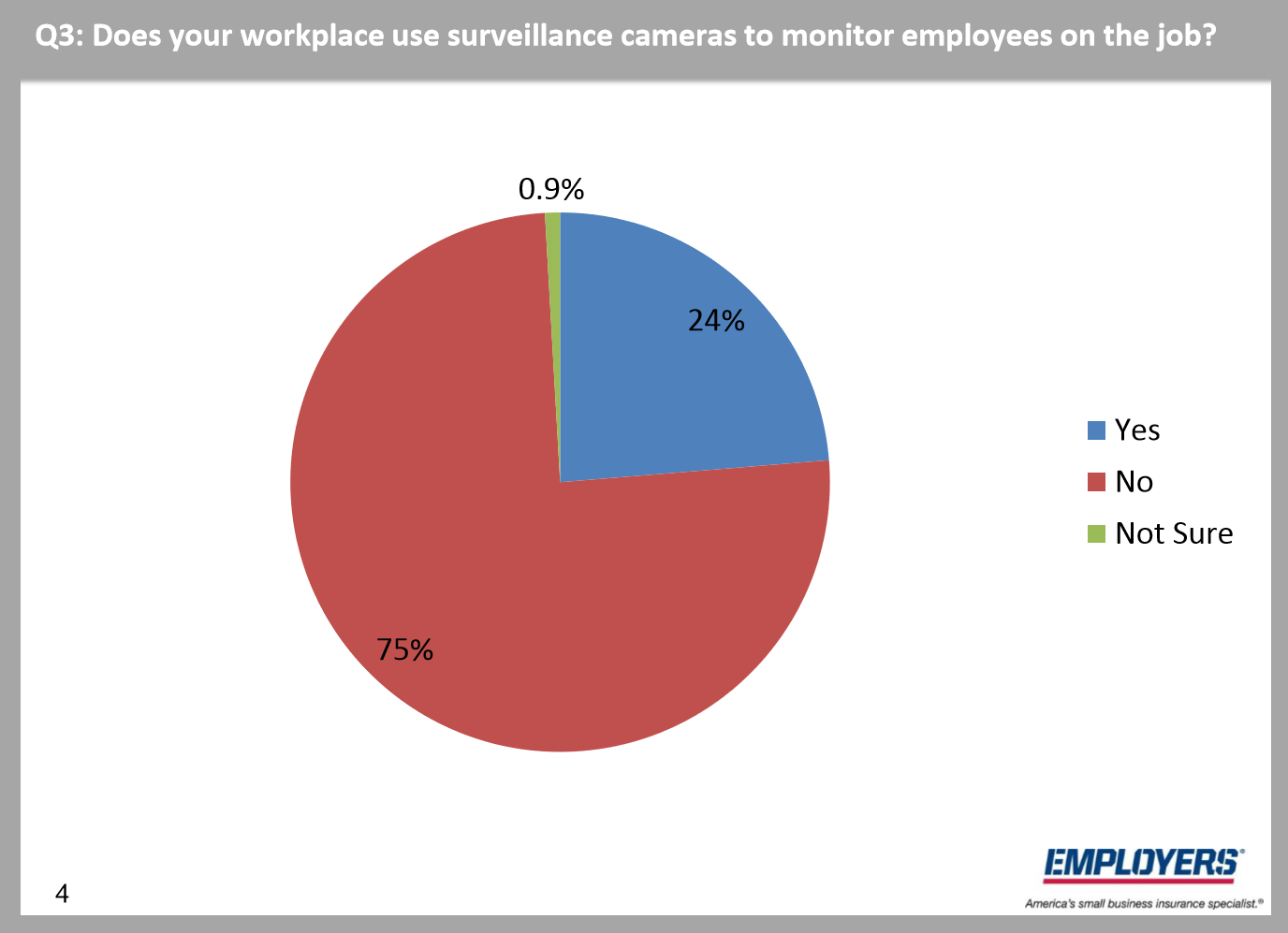
Proving fraud to the standard required for criminal prosecution or administrative penalties demands robust, legally admissible evidence. Surveillance footage, financial records, and medical peer reviews must be gathered in strict compliance with privacy laws and local evidentiary codes. Unauthorized surveillance methods or breaches of medical privacy can render crucial evidence inadmissible, complicating fraud assessments.
Cross-Jurisdictional Complications
Employers operating across multiple states must adapt to varying definitions of fraud and differing reporting thresholds. What constitutes probable cause for an SIU investigation in one state may not meet the statutory requirements in another, creating operational friction for national risk management programs.
Note: The legal landscape surrounding insurance fraud evolves continuously through state legislative updates and judicial precedents. Organizations should consult qualified legal counsel and state regulatory bodies to ensure compliance with local reporting mandates.
Frequently Asked Questions
What are the most common signs of workers compensation fraud?
Common indicators include accidents that occur without witnesses, delays in reporting injuries until after disciplinary action or termination, medical complaints that do not match the mechanism of injury, and claimants who are uncooperative with scheduled medical examinations or rehabilitation plans.
How do insurance companies investigate suspected fraudulent claims?
Insurers utilize specialized investigation units (SIUs) that conduct background checks, review social media activity, interview employers and coworkers, analyze medical billing records, and deploy licensed private investigators to conduct authorized surveillance of the claimant's daily activities.
Is workers compensation fraud a criminal offense?
Yes. Depending on the jurisdiction and the financial value of the fraudulent benefits obtained, workers compensation fraud is classified as a felony or misdemeanor. Penalties can include mandatory restitution, fines, loss of benefits, and imprisonment.
How does soft fraud differ from hard fraud?
Hard fraud involves completely fabricated accidents or staged injuries where no actual workplace incident occurred. Soft fraud involves a legitimate workplace injury that is intentionally exaggerated, prolonged beyond recovery, or accompanied by false statements regarding outside employment or physical capabilities.
What role do employers play in preventing fraudulent claims?
Employers can minimize fraud risks by maintaining rigorous safety protocols, establishing clear accident-reporting procedures within 24 hours of an incident, conducting thorough post-offer employment physicals, and maintaining open communication lines between injured workers, HR, and insurance adjusters.
Next Actions for Risk Managers and Employers
Mitigating the financial and operational fallout of workers compensation fraud requires a proactive, structured strategy. Organizations should immediately review their current claims-handling protocols, establish formal partnerships with experienced Special Investigation Units, and implement employee training programs focused on accurate accident reporting and workplace safety. By combining data-driven analytics with vigilant administrative oversight, stakeholders can effectively assess fraud prevalence, deter abusive claims, and protect the integrity of the workers compensation system.