Asking for lower auto insurance requires a strategic combination of direct negotiation, demonstrating an improved risk profile, and leveraging competitive market data. By contacting your insurance provider with specific information—such as a higher credit score, reduced annual mileage, or lower quotes from competitors—policyholders can frequently secure premium reductions ranging from 5% to 20% on their existing coverage.
The Foundations of Premium Negotiation
Before picking up the phone or opening a chat window with an insurance representative, it is essential to understand that auto insurance pricing is not static. In 2026, insurance companies utilize sophisticated algorithms that analyze thousands of data points to determine risk. However, these algorithms often default to "price optimization," a practice where rates are incrementally increased for loyal customers who are perceived as unlikely to shop around.
Asking for a lower rate is essentially an invitation for the insurer to "re-underwrite" your policy based on your current circumstances rather than historical data. To do this effectively, you must approach the conversation as a data-driven business transaction. You are not asking for a favor; you are presenting evidence that your risk level has decreased or that the market value for your "risk profile" has shifted.
Gathering Your Documentation
To build a compelling case, start by gathering the following information:
- Your Current Declarations Page: This document lists your current coverages, limits, deductibles, and every discount currently applied to your policy.
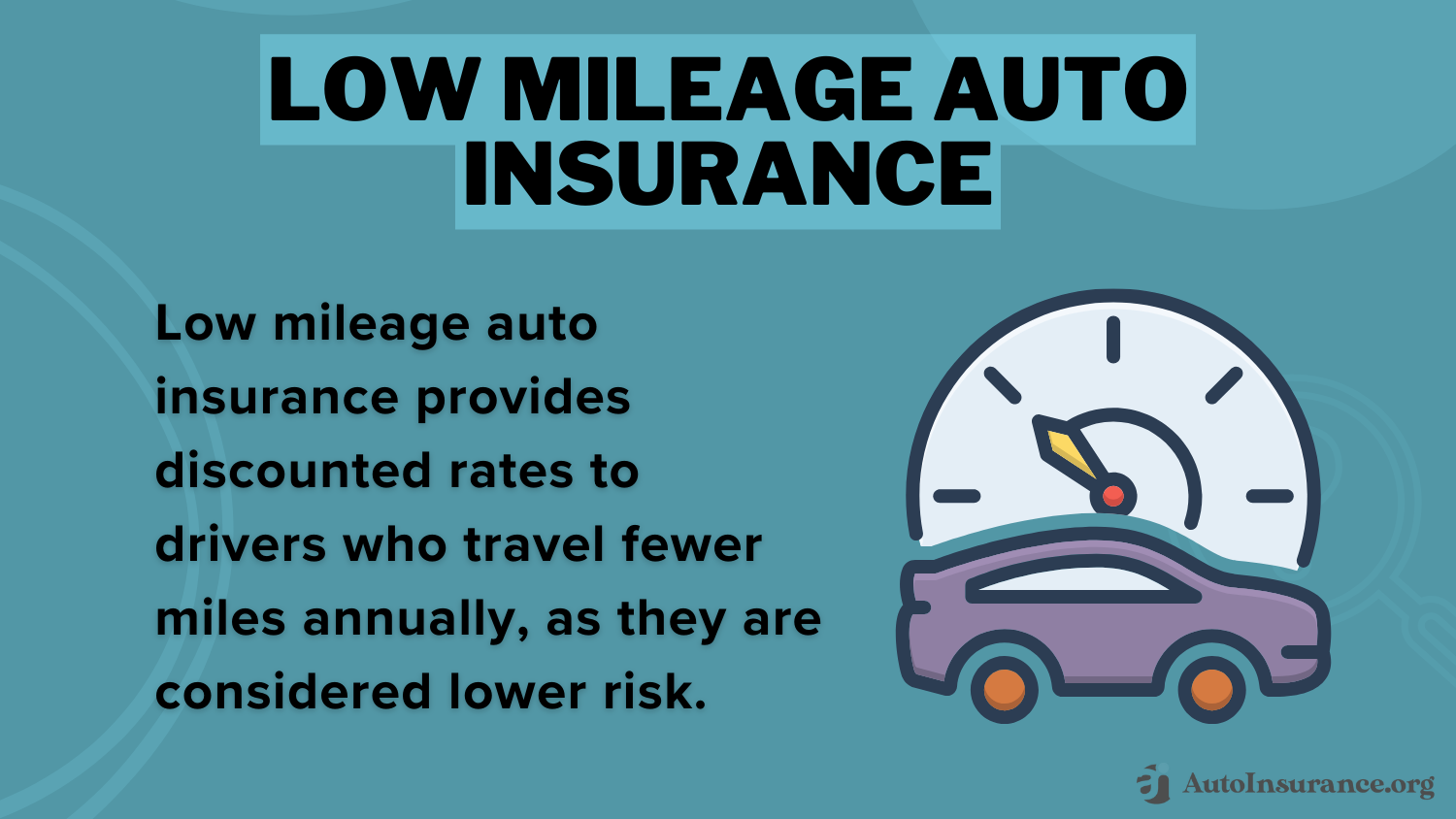
- Recent Mileage Records: If your driving habits have changed—perhaps due to increased remote work or using public transit—your annual mileage may be significantly lower than what the insurer has on file.
- Competitor Quotes: Use online comparison tools to get at least three quotes from reputable insurers for the exact same coverage limits you currently carry.
- Your Credit-Based Insurance Score: In most states, your credit history heavily influences your premium. If your credit has improved since your last renewal, this is a major bargaining chip.
Identifying and Requesting Specific Discounts
Many drivers pay more than necessary simply because they are not taking advantage of every available discount. Insurers rarely apply new discounts automatically; the onus is on the policyholder to request them. When asking for a lower rate, go through a checklist of common discounts to ensure none have been overlooked.
The Impact of Telematics and Usage-Based Insurance (UBI)
By 2026, telematics programs have become the primary method for high-risk or low-mileage drivers to save money. These programs use mobile apps or plug-in devices to monitor driving behavior, such as braking patterns, speed, and time of day.
If you are a safe driver, asking to enroll in a telematics program can lead to immediate "participation discounts" and long-term "performance discounts." According to the Insurance Information Institute (III), usage-based programs can offer significant savings for those who demonstrate safe habits. However, be aware that in some jurisdictions, poor driving data could theoretically lead to rate increases, so review the terms carefully before opting in.
Advanced Safety Features and ADAS
If you have purchased a newer vehicle recently, it likely comes equipped with Advanced Driver Assistance Systems (ADAS). These include automatic emergency braking, lane-keeping assist, and adaptive cruise control. While these features are standard in 2026, older policy profiles might not reflect the reduced claim risk associated with them. Explicitly ask your agent if your vehicle's specific safety suite qualifies for a "safety technology" discount.
Professional and Academic Affiliations
Insurers often have partnerships with alumni associations, professional organizations (such as the American Bar Association or various engineering societies), and even large employers. Mentioning your workplace or your alma mater can sometimes trigger a 5% to 10% group discount that is not advertised to the general public.
The "Retention Department" Strategy
If a standard customer service representative claims there is nothing they can do to lower your rate, the next step is to ask to speak with the "retention department" or the "cancellations department." These departments are staffed by specialists whose primary job is to prevent customers from leaving.
How to Phrase the Request
When speaking with a retention specialist, maintain a polite but firm tone. Use a script similar to the following:
"I’ve been a loyal customer for five years, but I’ve recently received a quote from a competitor that is $300 lower per year for the same coverage. I’d prefer to stay with your company because I value our history, but I cannot ignore such a significant price difference. Is there a loyalty discount or a policy review we can conduct to bring my premium closer to this competitive rate?"
This approach does three things:
- It establishes your value as a long-term customer.
- It provides concrete evidence (the competitor's price).
- It signals that you are prepared to leave, which triggers the specialist’s authority to apply discretionary credits or "retention offers" that standard representatives cannot access.
Strategic Adjustments to Policy Structure
If discounts and negotiation do not yield enough savings, you can lower your premium by adjusting the fundamental structure of your policy. This involves a trade-off between monthly costs and out-of-pocket expenses during a claim.
Recalibrating Deductibles
The deductible is the amount you pay out of pocket before insurance covers a loss. Increasing your deductible from $500 to $1,000 or $2,500 can drastically reduce your comprehensive and collision premiums.
Before making this change, calculate your "break-even point." If raising your deductible saves you $200 a year, it would take two and a half years of claim-free driving to "earn back" the extra $500 you would owe in an accident. If you have a healthy emergency fund, higher deductibles are almost always a better financial move in the long run.
Evaluating Coverage on Older Vehicles
By 2026, the depreciation of older internal combustion engine (ICE) vehicles has accelerated as electric vehicles (EVs) dominate the market. If you are driving a car that is more than 10 years old, the annual cost of collision and comprehensive coverage may exceed the potential payout if the car were totaled. A common rule of thumb is that if the annual cost of these coverages exceeds 10% of the vehicle’s current market value, it may be time to drop them and carry only liability insurance.
| Adjustment Type | Potential Impact on Premium | Risk Level | Recommended For |
|---|---|---|---|
| Increase Deductible | 15% - 30% Reduction | Moderate | Drivers with emergency savings |
| Bundling (Home/Auto) | 10% - 25% Reduction | Low | Homeowners or Renters |
| Low-Mileage Rating | 5% - 15% Reduction | Low | Remote workers / Retirees |
| Telematics Opt-in | Up to 40% Reduction | Variable | Safe, consistent drivers |
| Drop Collision (Old Car) | 30% - 50% Reduction | High | Owners of vehicles worth < $3,000 |
Improving Your Risk Profile for Long-Term Savings
Some of the most effective ways to ask for lower insurance involve changes you make outside of the insurance office. These improvements change the "risk bucket" the insurer places you in.
Credit Score Maintenance
In states where it is legal, insurers use a credit-based insurance score to predict the likelihood of a claim. Data from the Federal Trade Commission (FTC) has historically shown a correlation between credit scores and claim frequency. In 2026, these models are more precise than ever. If you have recently paid down significant debt or corrected errors on your credit report, inform your insurance agent immediately. They can "rerun" your credit score, which often results in an automatic premium drop at the next renewal.
Defensive Driving Courses
Many states mandate that insurers provide a discount to drivers who complete an approved defensive driving or accident prevention course. While traditionally aimed at teen drivers or seniors, in 2026, many companies offer these discounts to all age groups. These courses are often available online, take only a few hours to complete, and the discount (typically 5% to 10%) usually lasts for three years.
Comparing the Market: The "Every Six Months" Rule
The most powerful tool you have when asking for lower insurance is the willingness to walk away. The insurance market is highly competitive, and new entrants often offer "customer acquisition" rates that are lower than the "retention" rates of your current insurer.
The National Association of Insurance Commissioners (NAIC) recommends that consumers review their insurance needs and shop around at least once a year. However, in a volatile economy, checking every six months—or whenever you have a major life event—is a better strategy. Life events that trigger lower rates include:
- Getting married (couples are statistically seen as lower risk).
- Buying a home.
- Moving to a ZIP code with lower crime or traffic density.
- Reaching age 25 (the end of the high-risk "youth" bracket).
When you find a lower rate elsewhere, do not switch immediately. Give your current insurer the opportunity to match it. This keeps your "longevity" with one company intact, which can be beneficial if you ever need a "loyalty" pardon for a minor accident in the future.
Common Mistakes to Avoid When Negotiating
While the goal is to save money, certain tactics can backfire or leave you dangerously underinsured.
- Lowering Liability Limits to the State Minimum: While this saves money, it is a high-risk move. In 2026, the cost of medical care and vehicle repairs is at an all-time high. A single accident where you are at fault could easily exceed state minimums (often as low as $25,000), leaving your personal assets, such as your home or savings, vulnerable to lawsuits.
- Lying About Mileage or Usage: This is considered insurance fraud. If you tell your insurer you drive 5,000 miles a year but actually drive 15,000, they may deny a claim after an accident once they check your odometer.
- Ignoring the Fine Print of "Value" Carriers: Some budget insurers offer lower rates by excluding coverage for "permissive drivers" (friends who borrow your car) or by using only used, non-OEM parts for repairs. Always verify that a lower price doesn't come with hidden gaps in protection.
Frequently Asked Questions
Will asking for a lower rate hurt my credit score?
No. When an insurance company checks your credit to provide a quote or adjust your rate, it is considered a "soft pull." Unlike the "hard pull" that occurs when you apply for a credit card or a mortgage, a soft pull does not affect your credit score. You can ask for quotes or rate reviews as often as you like without any negative impact on your creditworthiness.
Can I negotiate my rate if I just had an accident?
Negotiating a lower rate immediately after an at-fault accident is difficult, as your risk profile has technically increased. However, you can still mitigate the increase. Ask about "accident forgiveness" if you had it on your policy previously, or ask to enroll in a telematics program to prove the accident was an anomaly. Additionally, completing a defensive driving course can help offset the surcharge caused by the accident.
How often do insurance companies update their rates?
Insurers generally file new rate plans with state insurance departments once or twice a year. However, your individual rate is usually locked in for the duration of your policy term (typically six months or one year). This is why the best time to ask for a lower rate is approximately 30 to 45 days before your current policy expires.
What is the "loyalty tax" in auto insurance?
The loyalty tax refers to the phenomenon where long-term customers end up paying more than new customers for the same coverage. Insurers assume that long-term customers are less likely to shop around, so they may not apply the most competitive pricing models to those accounts. Regularly asking for a policy review or a "loyalty discount" is the only way to ensure you aren't being penalized for your tenure.
Is it better to use an independent agent or buy directly online?
Independent agents have access to multiple insurance companies and can "shop" your profile across various carriers to find the best rate. Buying directly online (from companies like Geico or Progressive) removes the agent's commission but leaves you to do all the comparison work yourself. For many drivers in 2026, using a hybrid approach—checking online rates first and then asking an independent agent to beat them—yields the best results.
Does my car’s color affect my ability to get a lower rate?
This is a persistent myth. Insurance companies do not ask for the color of your vehicle when calculating your premium. They are interested in the make, model, year, VIN (which indicates safety features), and the cost of parts. A red car costs the same to insure as a white car of the exact same model.
Practical Recommendation
To secure a lower rate today, start by calling your current insurer and asking for a "comprehensive policy review." Specifically mention that you have been researching competitor rates and want to see if your account is eligible for any updated discounts, such as a "re-rated" credit score or a low-mileage adjustment. If they cannot lower your premium by at least 10%, take your declarations page to an independent agent and ask them to find a policy that matches your coverage but at a lower price point.