An ASP web developer specializes in building robust, scalable, and secure web applications using the Microsoft .NET ecosystem. To succeed in 2026, these professionals must master C#, ASP.NET Core, and cloud-native integration. This career path offers high stability and competitive salaries for those who combine deep technical backend expertise with modern architectural patterns.
The landscape of web development has shifted significantly, yet the demand for developers who can navigate the complexities of the Microsoft stack remains at an all-time high. Whether you are a student looking for a first career or a seasoned professional pivoting from another language, understanding the modern requirements of an ASP.NET developer is crucial for long-term success.
Understanding the ASP.NET Ecosystem in 2026
To understand the role of an ASP web developer, one must first distinguish between the legacy technologies of the past and the high-performance frameworks of today. While "ASP" originally stood for Active Server Pages (Classic ASP), the term is now synonymous with ASP.NET Core, a cross-platform, high-performance framework for building modern, cloud-enabled, Internet-connected apps.
As of 2026, the ecosystem has fully matured into a unified platform. The release of .NET 10 has further solidified the "one .NET" vision, allowing developers to use the same tools and libraries for web, mobile, desktop, and IoT. For a web developer, this means your skills are no longer siloed. The code you write for a web API can often be reused across different environments, making you a versatile asset to any engineering team.
The primary advantage of the ASP.NET ecosystem is its "batteries-included" nature. Unlike some JavaScript-based environments that require piecing together dozens of third-party libraries, ASP.NET provides built-in solutions for security, dependency injection, and database connectivity. This allows developers to focus on solving business problems rather than managing configuration files.
The Essential Skillset for a Modern ASP Web Developer
Building a dynamic career requires more than just knowing how to write code; it requires a deep understanding of the tools that make modern web applications function at scale.
Mastering C# and the .NET Runtime
C# remains the backbone of ASP.NET development. In 2026, a senior developer is expected to be proficient in the latest language features introduced in C# 14 and 15. This includes advanced pattern matching, primary constructors, and sophisticated memory management techniques. Understanding how the Common Language Runtime (CLR) works—specifically how it handles garbage collection and JIT (Just-In-Time) compilation—is what separates a junior coder from a senior architect.
ASP.NET Core Fundamentals
The core framework provides the infrastructure for web apps. You must master:
- Middleware Pipeline: Understanding how requests and responses flow through the application.
- Dependency Injection (DI): Leveraging the built-in DI container to create maintainable and testable code.
- Configuration and Options: Managing settings across different environments (Development, Staging, Production).
- Logging and Telemetry: Using OpenTelemetry and Structured Logging to monitor application health in real-time.
Data Access with Entity Framework Core
Most web applications are data-driven. Entity Framework (EF) Core is the standard Object-Relational Mapper (ORM) for .NET. A dynamic career path involves mastering "Code First" migrations, LINQ (Language Integrated Query) for data retrieval, and performance optimization techniques like "No-Tracking" queries and eager loading. In 2026, developers also need to be comfortable with hybrid data approaches, often combining relational databases like SQL Server or PostgreSQL with NoSQL solutions like Cosmos DB.
Front-End Integration: Blazor, React, and Angular
While an ASP web developer is traditionally backend-focused, the line has blurred. You have two primary paths when it comes to the user interface:
- The Blazor Path: Blazor allows you to build interactive web UIs using C# instead of JavaScript. By 2026, Blazor WebAssembly (WASM) and Blazor Server have converged into a "United" model that optimizes load times and interactivity. This is a powerful option for teams that want to maintain a single language across the entire stack.
- The SPA Path: Many enterprises use ASP.NET Core as a "Headless" backend, serving APIs to front-ends built with React, Angular, or Vue. A successful developer must understand how to secure these applications using OAuth2 and OpenID Connect (OIDC).
The Educational Roadmap: Certifications and Self-Learning
The path to becoming a professional developer is rarely a straight line. While a degree in Computer Science provides a theoretical foundation, the practical skills required in 2026 are often gained through targeted learning.
Microsoft offers several certifications that hold significant weight in the industry. The Microsoft Certified: Azure Developer Associate is perhaps the most relevant, as it validates your ability to build and deploy ASP.NET applications in a cloud environment. Additionally, pursuing specialized certifications in security or data engineering can differentiate you in a crowded job market.
For self-learners, the official .NET documentation remains the gold standard. It is comprehensive, updated regularly, and includes hands-on tutorials. Contributing to open-source projects on GitHub is another excellent way to demonstrate competence and build a professional network.
Building a Portfolio that Commands Attention
In 2026, a resume is rarely enough. Employers want to see evidence of your problem-solving abilities. A high-impact portfolio should include:
- A Real-Time Application: Use SignalR to build a chat system, a live dashboard, or a collaborative editing tool. This demonstrates your ability to handle persistent connections and asynchronous data.
- An E-commerce or Multi-Tenant SaaS Engine: This shows you can manage complex database schemas, payment gateways (like Stripe or PayPal), and secure user authentication.
- A Microservices Project: Demonstrate your knowledge of Docker, Kubernetes, and message brokers like RabbitMQ or Azure Service Bus. Showing that you can break a monolithic application into scalable services is a hallmark of a senior developer.
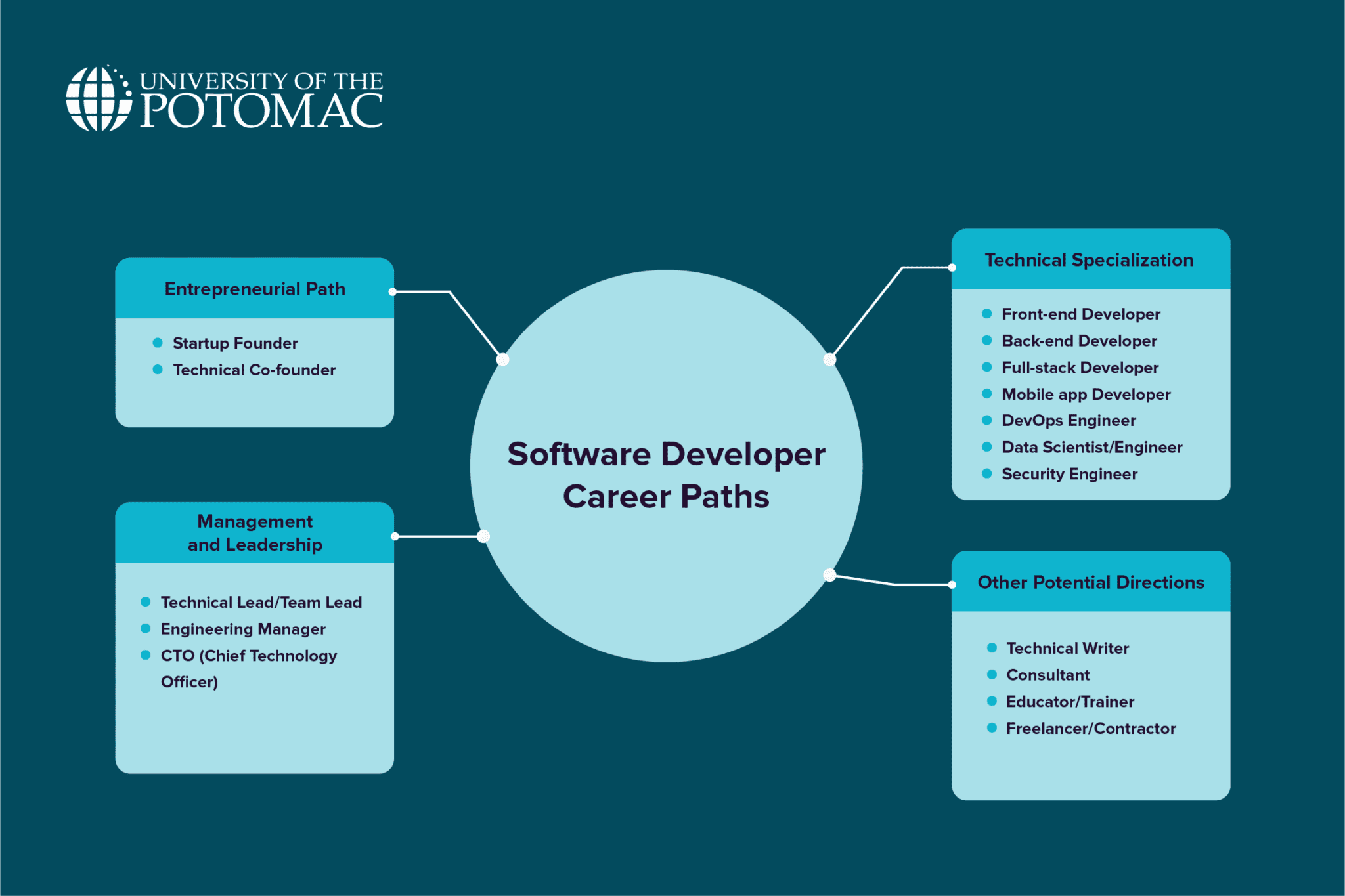
Career Trajectories and Salary Expectations
The career path for an ASP web developer is characterized by its longevity. Unlike niche frameworks that may disappear within a few years, the .NET ecosystem is backed by Microsoft’s multi-decade commitment.
| Role Level | Primary Responsibilities | Estimated Salary (2026 Avg) | Key Skills Needed |
|---|---|---|---|
| Junior Developer | Bug fixes, small features, unit testing. | $75,000 - $95,000 | C#, Basic SQL, HTML/CSS. |
| Mid-Level Developer | Feature ownership, API design, code reviews. | $105,000 - $135,000 | EF Core, Middleware, ASP.NET MVC. |
| Senior Developer | System architecture, mentorship, DevOps. | $145,000 - $185,000 | Microservices, Azure/AWS, CI/CD. |
| Solutions Architect | High-level design, tech stack selection. | $190,000+ | Distributed Systems, Security Auditing. |
Note: Salary ranges are estimates based on 2026 market trends for major tech hubs and remote roles within the United States.
The Role of AI and Cloud in ASP.NET Development
By 2026, AI is no longer an "extra" feature; it is integrated into the developer workflow. GitHub Copilot and Azure Cognitive Services have changed how ASP web developers work. You are no longer required to write repetitive boilerplate code. Instead, your value lies in prompt engineering and verifying the architectural integrity of the AI-generated logic.
Cloud fluency is also mandatory. An ASP developer must understand how to deploy to Azure App Service, manage containers in Azure Container Apps, and utilize serverless functions (Azure Functions) for event-driven tasks. The "dynamic" part of the career comes from the ability to scale these applications globally with a few clicks in a CI/CD pipeline (GitHub Actions or Azure DevOps).
Common Challenges and Troubleshooting the Learning Curve
Every developer hits a wall at some point. In the ASP.NET world, the most common hurdles include:
- Asynchronous Programming (Async/Await): It is easy to cause "deadlocks" if you don't understand how the Synchronization Context works. Learning to "async all the way up" is a vital step.
- Dependency Injection Lifetimes: Choosing between Transient, Scoped, and Singleton service lifetimes can lead to subtle bugs and memory leaks if misunderstood.
- Breaking Changes: While Microsoft has improved at maintaining backward compatibility, moving from .NET Framework (4.8) to the modern .NET versions requires a significant mental shift regarding how configuration and startup logic are handled.
Frequently Asked Questions
Is ASP.NET still relevant in 2026?
Yes, it is more relevant than ever. With the performance benchmarks of .NET 10 outperforming many Node.js and Java frameworks, ASP.NET Core has become the preferred choice for high-performance enterprise applications and fintech solutions.
Do I need to learn JavaScript to be an ASP web developer?
While you can use Blazor to write C# for the front-end, a foundational knowledge of JavaScript is still highly recommended. Most legacy systems and many modern integrations require at least a basic understanding of JS or TypeScript.
How long does it take to become proficient in ASP.NET?
For someone with a basic programming background, it typically takes 6 to 12 months of dedicated study to reach a junior-to-mid professional level. Mastery of complex architectural patterns usually takes 3 to 5 years of professional experience.
What is the difference between ASP.NET and ASP.NET Core?
ASP.NET (often called "Framework") is the legacy version that only runs on Windows. ASP.NET Core is the modern, open-source, cross-platform version that runs on Windows, Linux, and macOS. In 2026, all new development should be done in ASP.NET Core (simply called .NET).
Which cloud provider is best for ASP developers?
While ASP.NET runs excellently on AWS and Google Cloud, Microsoft Azure offers the most seamless integration. Features like "App Service" and "Azure SQL" are designed specifically to provide a first-class experience for .NET developers.
Final Recommendation
If you are looking for a career that offers both high technical depth and excellent job security, the path of an ASP web developer is one of the most reliable choices in the technology sector. To begin, focus on mastering C# and the fundamentals of ASP.NET Core. Build a project that connects to a database, secures it with modern identity protocols, and deploys it to a cloud provider. The ability to manage an application from the first line of code to the final deployment is what will make your career truly dynamic and rewarding in 2026.