ASPCA Pet Health Insurance provides comprehensive coverage for accidents, illnesses, behavioral conditions, and hereditary issues through its signature Complete Coverage℠ plan. Administered by the Crum & Forster Pet Insurance Group, it distinguishes itself in 2026 by offering customizable deductibles, no upper age limits for enrollment, and optional preventive care add-ons for routine wellness.
Pet insurance has transitioned from a niche luxury to a fundamental component of responsible pet ownership. As veterinary costs continue to rise due to advancements in medical technology and specialized care, navigating the specifics of a policy is essential for financial planning. ASPCA Pet Health Insurance is one of the oldest and most recognized names in the industry, but "uncovering" the details requires looking past the brand name to understand the underwriting, exclusions, and unique benefits that define their 2026 offerings.
The Relationship Between the ASPCA and the Insurance Provider
A common point of confusion for many pet owners is the relationship between the American Society for the Prevention of Cruelty to Animals (ASPCA) and the insurance product. The ASPCA Pet Health Insurance program is actually a strategic partnership. The insurance is underwritten by United States Fire Insurance Company and produced and administered by Crum & Forster Pet Insurance Group.
While the ASPCA receives a royalty fee for the use of its name and logo, it does not directly manage the insurance claims or policies. This distinction is important because it means the insurance operates as a commercial entity with the logistical power of a major insurer, while still aligning with the ASPCA’s mission to improve animal welfare. In 2026, this partnership continues to be a dominant force in the market, leveraging decades of data to refine their risk assessment and coverage options.
Understanding the Primary Coverage Options
ASPCA Pet Health Insurance generally breaks its offerings into two main paths: the comprehensive "Complete Coverage" plan and a more limited "Accident-Only" plan.
1. Complete Coverage℠
This is the most popular option and serves as the baseline for most pet owners. It is designed to cover the "unforeseen," which includes both sudden accidents and chronic or acute illnesses.
- Accidents: Includes broken bones, bite wounds, toxic ingestions, and swallowed objects.
- Illnesses: Covers major conditions like cancer, heart disease, and diabetes, as well as common issues like ear infections or digestive upsets.
- Hereditary and Congenital Conditions: This is a critical area where many older insurance models failed. ASPCA covers conditions such as hip dysplasia, IVDD, and heart defects, provided they were not symptomatic before the policy began.
- Behavioral Issues: Many owners are surprised to find that ASPCA covers consultations and treatments for anxiety, aggression, and compulsive behaviors, which have become increasingly diagnosed in 2026.
- Alternative Therapies: Coverage extends to acupuncture, chiropractic care, and hydrotherapy when performed by a licensed veterinarian to treat a covered condition.
2. Accident-Only Coverage
For owners who are primarily concerned about emergency surgeries or trauma, the Accident-Only plan provides a lower-cost alternative. This plan excludes all illnesses, meaning it will not pay for treatment related to infections, cancer, or age-related degeneration. It is often chosen for very young, healthy pets or by owners who have a dedicated savings account for illnesses but want a safety net for high-cost trauma.
The Mechanics of a Policy: Reimbursement, Deductibles, and Limits
When you customize an ASPCA policy in 2026, you are essentially adjusting three levers that determine both your monthly premium and your out-of-pocket costs during a claim.
Reimbursement Percentages
ASPCA typically offers three reimbursement levels: 70%, 80%, and 90%. After you meet your annual deductible, the insurance company will pay this percentage of the covered vet bill. A 90% reimbursement provides the most security but results in the highest monthly premium.
Annual Deductibles
The deductible is the amount you must pay out of pocket each year before the insurance begins to reimburse you. In 2026, ASPCA remains flexible, offering deductibles ranging from $100 to $500. It is an annual deductible, not a per-incident deductible. This is a significant advantage for pets with multiple minor issues throughout the year, as you only have to hit the threshold once.
Annual Limits
The annual limit is the maximum amount the insurer will pay out during a policy year. Options usually range from $2,500 to "Unlimited." With the cost of advanced veterinary procedures like MRI scans and specialized oncology treatments increasing, many experts in 2026 recommend a limit of at least $10,000 for peace of mind.
What is Not Covered: The Evidence Gate on Exclusions
No pet insurance covers everything, and ASPCA is no exception. Understanding these exclusions prevents "sticker shock" when a claim is denied.
- Pre-existing Conditions: Like almost all providers in 2026, ASPCA does not cover conditions that occurred before coverage started or during the waiting period. However, they distinguish between "curable" and "incurable" conditions. If a pet had a curable condition (like a respiratory infection) and has been treatment-free and symptom-free for 180 days, it may be covered if it recurs.
- Cosmetic and Elective Procedures: Tail docking, ear cropping, and declawing are not covered.
- Breeding and Pregnancy: Costs associated with breeding, pregnancy, or whelping are generally excluded unless a specific rider is purchased (though this is rare in standard consumer plans).
- Non-Veterinary Costs: This includes things like taxes, waste disposal fees, or boarding costs that are not directly related to medical treatment.
| Feature | Complete Coverage | Accident-Only | Preventive Add-On |
|---|---|---|---|
| Accidents (Bones, Trauma) | Included | Included | N/A |
| Illnesses (Cancer, Infections) | Included | Excluded | N/A |
| Hereditary Conditions | Included | Excluded | N/A |
| Behavioral Therapy | Included | Excluded | N/A |
| Annual Exams/Vaccines | Excluded (Standard) | Excluded | Included |
| Dental Cleanings | Excluded (Standard) | Excluded | Included (Prime Tier) |
| Waiting Period | 14 Days | 14 Days | $0 (Effective Day 1) |
The 2026 Claims Process: Modern Efficiency
In 2026, the claims process for ASPCA Pet Health Insurance has been streamlined through their mobile app and online member portal. The "uncovered" truth about claims is that documentation is the most important factor in speed.
- Visit Any Vet: You can use any licensed veterinarian, specialist, or emergency clinic in the U.S. or Canada.
- Pay the Bill: You pay the veterinarian directly at the time of service.
- Submit the Claim: Using the app, you take a photo of the itemized invoice. In 2026, many veterinary clinics use integrated software that can send the invoice directly to the insurer.
- Review and Reimbursement: Most claims are processed within 10 to 15 business days. Reimbursements are typically sent via direct deposit, though paper checks remain an option.
The integration of AI-assisted review in 2026 has reduced the "human error" factor in initial claim assessments, though complex cases involving multiple chronic conditions may still require manual review by a veterinary adjuster.
Preventive Care: Is the Add-On Worth It?
ASPCA offers two levels of preventive care: Basic and Prime. Unlike the base plans, these follow a "schedule of benefits," meaning they pay a fixed amount for specific services rather than a percentage of the bill.
The Basic Preventive plan typically covers:
- Annual wellness exam
- De-worming
- Specific vaccinations (Rabies, DHLPP)
- Fecal test
The Prime Preventive plan adds:
- Spay/neuter surgery or dental cleaning
- Heartworm or flea/tick prevention
- Bloodwork and urinalysis
For most pet owners in 2026, the Preventive Add-on functions like a pre-payment plan. If you plan on doing a dental cleaning or the pet needs a spay/neuter procedure, the Prime plan often pays for itself. However, if your pet is a healthy adult who only needs a quick annual check-up, you may find that paying out of pocket is more economical than the monthly add-on fee.
Waiting Periods and Enrollment Ages
One of the most praised aspects of ASPCA insurance "uncovered" by consumer advocates is the lack of an upper age limit. Many competitors stop offering new policies once a dog reaches 10 or 12 years of age. ASPCA allows you to enroll a senior pet at any time, though the premiums will reflect the higher risk associated with older animals.
The waiting period for all conditions—both accidents and illnesses—is 14 days. This is a standard timeframe in the industry, designed to prevent people from signing up only after an injury has occurred. Some competitors have shorter waiting periods for accidents (as little as 24 hours), but ASPCA’s uniform 14-day rule keeps the policy structure simple.
Cost Considerations in 2026
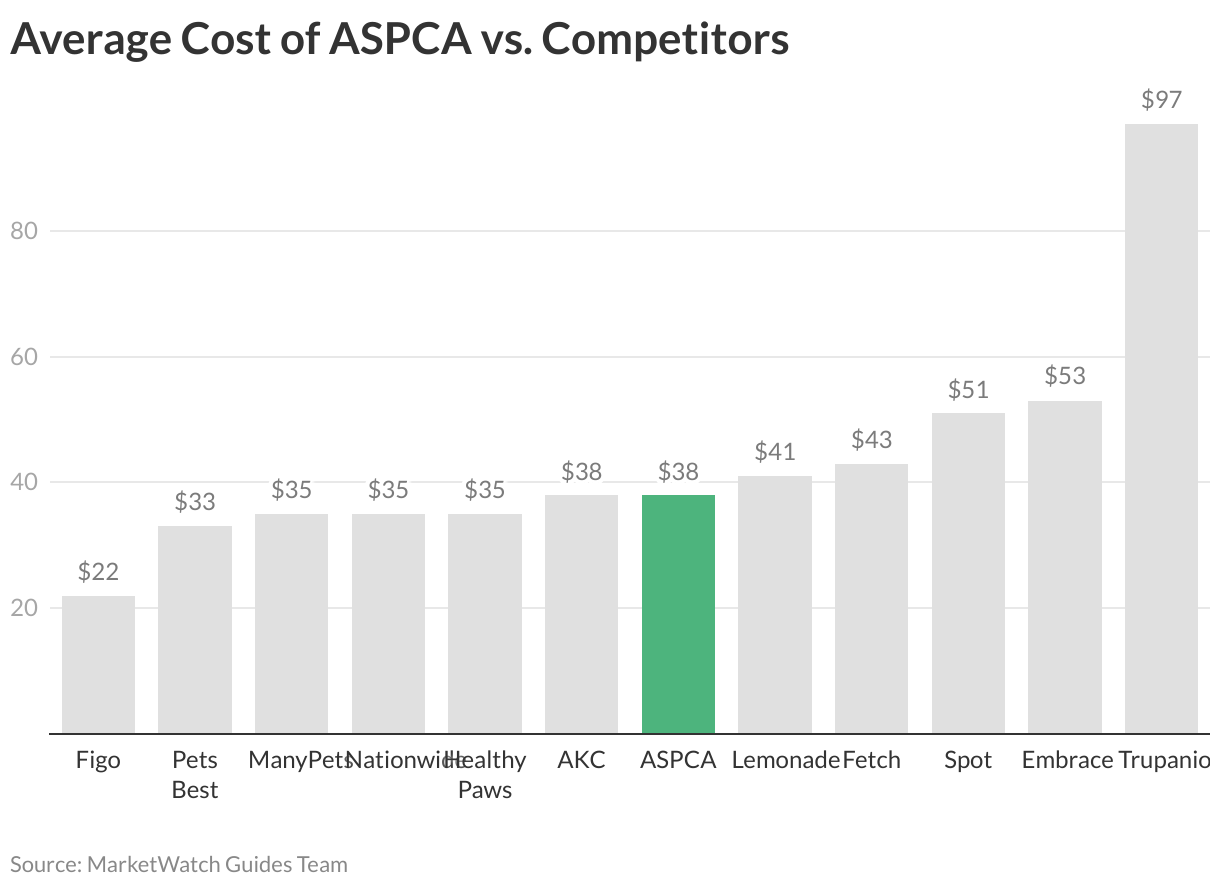
Pet insurance premiums are not static. Several factors "uncover" why your neighbor might pay $30 a month while you pay $70:
- Species and Breed: Dogs are generally more expensive to insure than cats. Certain "high-risk" breeds prone to specific issues (like Bulldogs with respiratory problems or Great Danes with heart issues) carry higher premiums.
- Geography: Veterinary costs are significantly higher in urban centers like New York or San Francisco than in rural areas. Premiums are adjusted based on the average cost of care in your zip code.
- Age: As a pet ages, the likelihood of illness increases. ASPCA premiums typically increase annually to account for this rising risk.
- Inflation: In 2026, general economic inflation and the rising costs of specialized veterinary labor contribute to year-over-year premium adjustments.
Why Choose ASPCA Over Competitors?
When looking at the broader market, ASPCA stands out for its Behavioral Coverage and its Microchip Reimbursement. While many companies now cover microchipping, ASPCA was an early adopter of including this in their standard plans.
Furthermore, their handling of "curable" pre-existing conditions is more lenient than many "strict" insurers who permanently exclude anything mentioned in a pet's medical history. Their inclusion of alternative therapies within the standard plan, rather than requiring a separate rider, also simplifies the decision-making process for owners who prefer holistic or rehabilitative care for their pets.
FAQ
Does ASPCA Pet Health Insurance cover dental disease? Yes, but with specific conditions. The Complete Coverage plan covers dental illnesses (like gingivitis or periodontitis) and dental accidents (like a fractured tooth). However, it does not cover routine dental cleanings unless you have the Preventive Care Prime add-on.
Is there a multi-pet discount available? Yes, ASPCA typically offers a 10% discount for each additional pet you insure. This makes it a competitive option for households with multiple cats or dogs, as the savings can be significant over the course of a year.
Can I use my own veterinarian? Absolutely. ASPCA Pet Health Insurance allows you to visit any licensed veterinarian in the United States or Canada, including specialists and emergency hospitals. You are not restricted to a network of providers.
What happens to my coverage if I move? Your coverage is portable within the U.S. and Canada. However, you must notify the insurer of your new address, as your premium may be adjusted based on the veterinary costs in your new location.
How does the 180-day "curable condition" rule work? If your pet had an ailment like an ear infection before your policy started, it is initially considered a pre-existing condition. However, if your pet goes 180 days without symptoms or treatment for that specific issue, it is no longer considered pre-existing and can be covered if it occurs again in the future. This does not apply to chronic conditions like diabetes or hip dysplasia.
Final Recommendation: Is It Right for You?
ASPCA Pet Health Insurance remains a top-tier choice in 2026 for pet owners who prioritize comprehensive coverage for hereditary and behavioral issues. It is particularly well-suited for owners of senior pets due to the lack of upper age limits, and for those who have multiple pets and can benefit from the 10% discount.
If you are looking for the absolute lowest price on the market, you might find cheaper "Accident-Only" plans elsewhere, but you would likely sacrifice the breadth of coverage that the ASPCA "Complete" plan provides. Before signing up, ensure you have your pet's medical records ready, as these will be the baseline for determining what constitutes a pre-existing condition. For the best value, enroll your pet as early as possible—ideally as a puppy or kitten—to ensure the fewest number of exclusions and the lowest starting premiums.