The asparagus fern is an herbaceous perennial, meaning it lives for multiple years and maintains a continuous growth cycle in the right environment. While it thrives outdoors year-round in USDA hardiness zones 9 through 11, it is frequently cultivated as an indoor perennial or a seasonal container plant in colder northern climates.
Despite its common name and feathery, delicate foliage, the asparagus fern is not a true fern. It does not produce spores; instead, it reproduces via seeds and flowers. Botanically, it belongs to the Asparagaceae family, making it a closer relative to the edible garden asparagus (Asparagus officinalis) than to any true fern species. Understanding its nature as a perennial involves looking at its root structure, its ability to store energy, and its specific climate requirements.
The Botanical Identity of the Asparagus Fern
To manage the asparagus fern as a perennial, one must first identify the specific species being grown. There are several popular varieties, each with distinct growth habits but sharing the same perennial lifecycle.
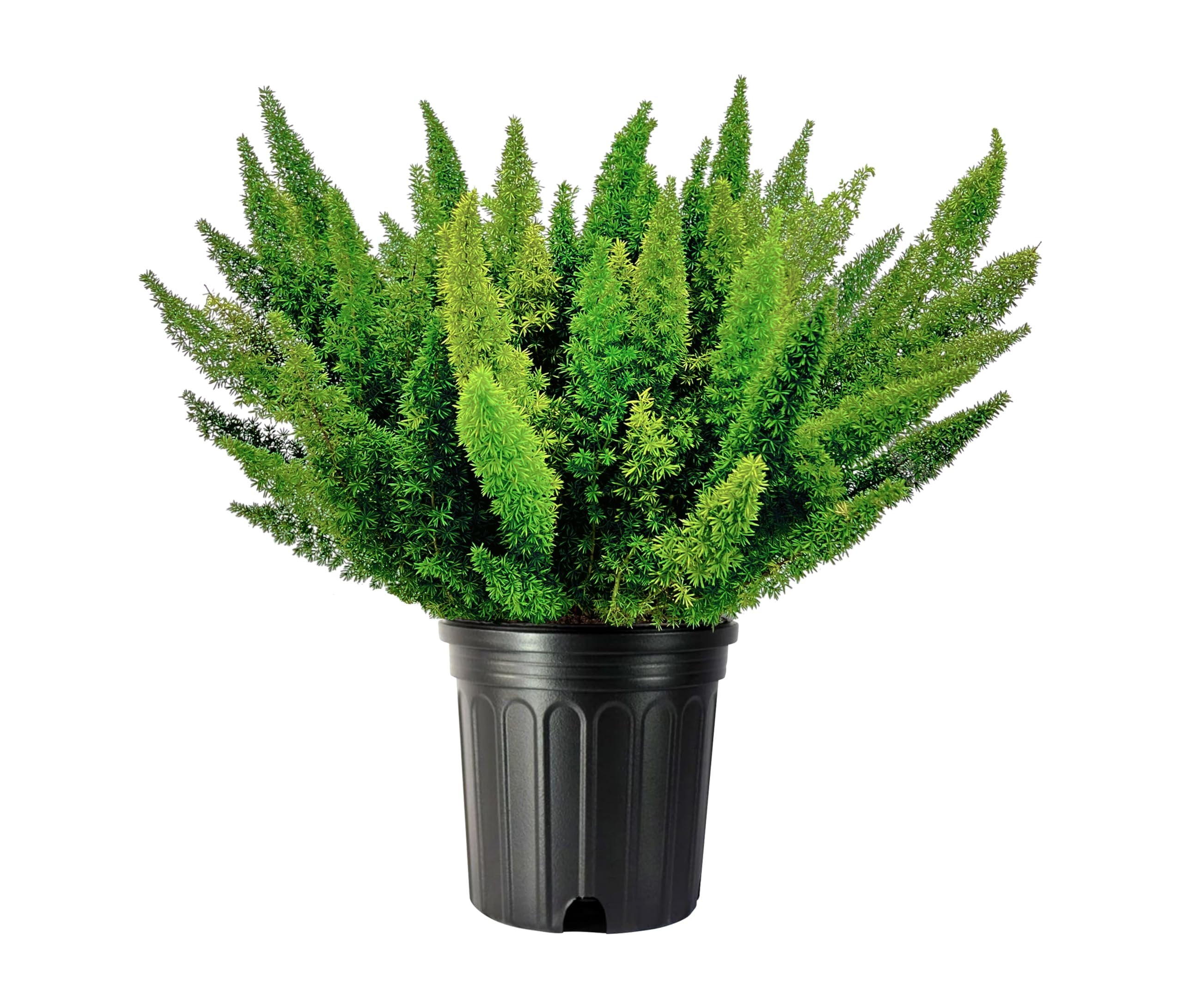
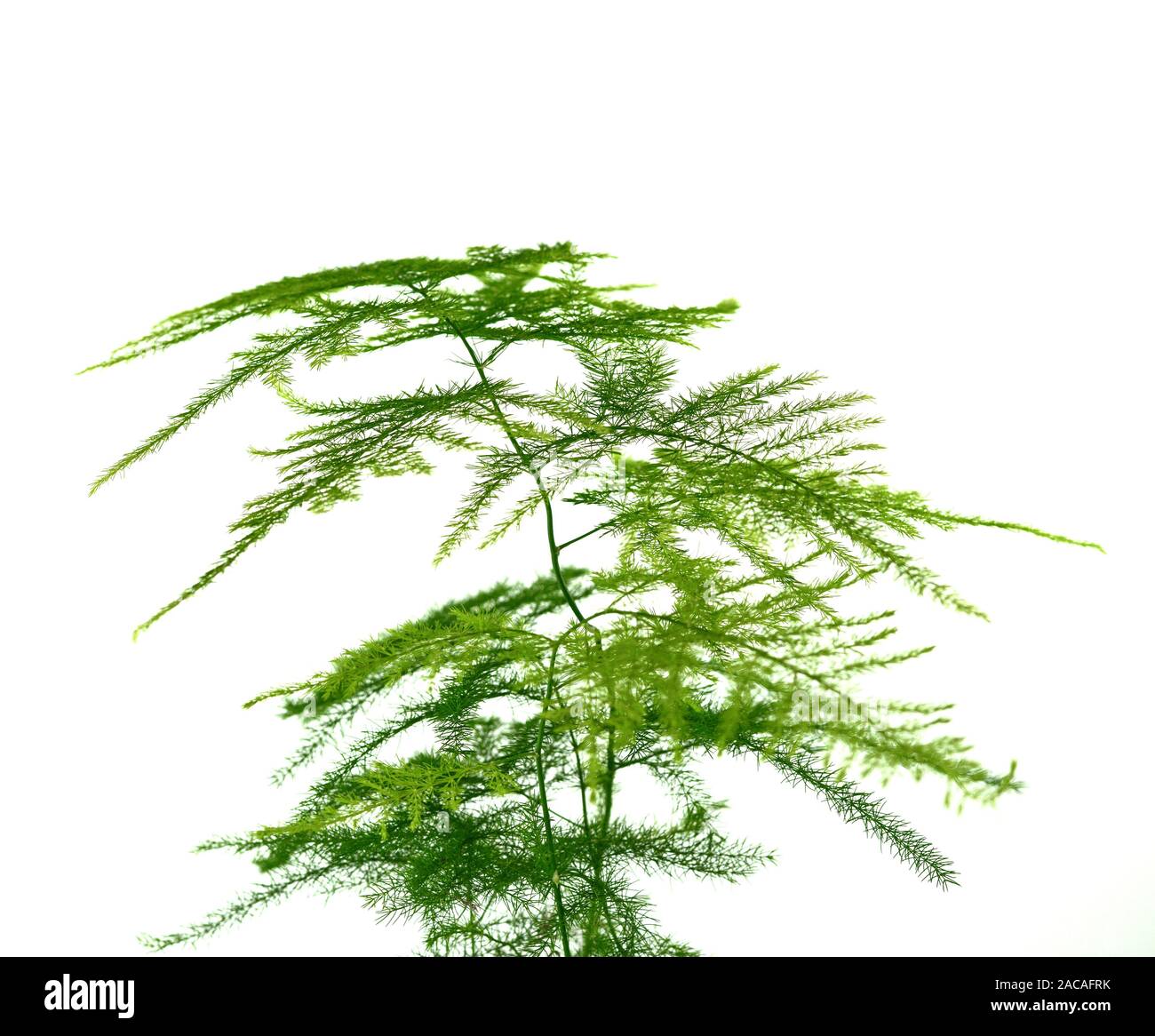
The most common variety found in residential gardens and nurseries in 2026 is Asparagus aethiopicus (often labeled as Asparagus densiflorus 'Sprengeri'). This plant features arching stems covered in needle-like "leaves" called cladodes. These are actually flattened stems that perform photosynthesis. Another popular perennial variety is the Asparagus setaceus (Lace fern), which offers a much finer, flatter, and more triangular foliage structure. The Asparagus macowanii (Ming fern) and Asparagus densiflorus 'Meyeri' (Foxtail fern) are also staples of the perennial landscape in frost-free regions.
The key to its perennial success lies beneath the soil. Asparagus ferns develop a massive system of tuberous roots. These fleshy, white, bulb-like structures store water and nutrients, allowing the plant to survive periods of drought and, in some cases, recover after a light frost. This reservoir of energy is what classifies it as a hardy perennial in its native South African habitat and similar Mediterranean or subtropical climates globally.
Perennial Status and USDA Hardiness Zones
The ability of an asparagus fern to behave as a perennial depends almost entirely on the local minimum winter temperatures.
Zones 9-11: The Outdoor Perennial
In these warm climates, the asparagus fern is a reliable, evergreen perennial. It can remain in the ground or in large outdoor planters throughout the year. In Zone 9, the plant may experience some "die-back" if a rare freeze occurs, but the tuberous root system usually remains insulated by the soil, allowing the plant to push out new growth once spring temperatures arrive.
Zones 4-8: The Indoor/Outdoor Perennial
In colder regions, the asparagus fern is often treated as an "annual" by casual gardeners, meaning it is left outside to die when the first frost hits. However, for those who wish to keep it as a perennial, it must be moved indoors. Because it is a true perennial, it does not have a biological "expiration date" at the end of a single season. With proper overwintering techniques—reducing water and providing bright, indirect light—the same plant can live for decades.
Critical Care Requirements for Perennial Success
To ensure your asparagus fern thrives as a perennial rather than just surviving, specific environmental conditions must be met. These plants are remarkably resilient, but their aesthetic quality depends on consistent care.
Light Requirements
Asparagus ferns are often mistaken for shade-loving plants because true ferns typically thrive in low light. However, as perennials that evolved in more open environments, they prefer bright, indirect sunlight.
- Indoors: A north or east-facing window is ideal. Too much direct afternoon sun can "scorch" the cladodes, turning them yellow or brown.
- Outdoors: Dappled shade under a tree canopy or a porch with morning sun and afternoon shade provides the best balance.
Soil and Drainage
The tuberous roots of the asparagus fern are prone to rot if they sit in waterlogged soil. A high-quality, well-draining potting mix is essential. Most professional growers in 2026 recommend a peat-based or coco-coir-based mix with added perlite or coarse sand to facilitate drainage. For garden-planted perennials, ensuring the site does not collect standing water during rainy seasons is the most important factor in preventing root death.
Watering and Humidity
While the tubers store water, the plant's fine foliage transpires moisture quickly.
- Moisture: Keep the soil consistently moist but not saturated. During the active growing season (spring and summer), the top inch of soil should never be allowed to dry out completely.
- Humidity: These plants crave humidity. In dry indoor environments, especially during winter when heaters are running, the plant may drop its "needles" (cladodes). Misting the plant daily or using a pebble tray with water can help maintain the 40-50% humidity levels it prefers.
Maintenance and Long-Term Vitality
Because the asparagus fern grows vigorously as a perennial, it requires regular maintenance to prevent it from becoming "leggy" or unmanageable.
Pruning for Growth
One of the most common mistakes is failing to prune. To keep a perennial asparagus fern lush, you should prune out old, yellowing, or leafless stems at the base. This encourages the plant to send up new, vibrant fronds from the center of the crown. In early spring, you can perform a more aggressive "renewal pruning" by cutting back a large portion of the older growth to make room for the spring flush.
Repotting and Division
As a perennial, the asparagus fern will eventually outgrow its container. The tuberous roots are powerful enough to crack plastic pots or even ceramic ones if left too long.
- Timing: Every 2 years, or when roots are visible on the soil surface.
- Division: This is the easiest way to propagate your perennial. You can slice the root ball into sections with a clean, sharp knife, ensuring each section has several healthy tubers and at least one or two green stems.
- Soil Refresh: Even if you are not dividing the plant, replacing the old soil provides a fresh boost of nutrients.
Comparative Overview of Perennial Asparagus Fern Varieties
| Variety | Scientific Name | Growth Habit | Cold Hardiness | Best Use |
|---|---|---|---|---|
| Sprenger's Fern | A. aethiopicus | Arching, trailing stems | Zone 9-11 | Hanging baskets, groundcover |
| Foxtail Fern | A. densiflorus 'Meyeri' | Upright, plume-like | Zone 9-11 | Focal point in containers |
| Plumosa/Lace Fern | A. setaceus | Flat, lacy, climbing | Zone 10-11 | Trellises, floral arrangements |
| Ming Fern | A. macowanii | Woody stems, tufted | Zone 9-11 | Bonsai, structural accent |
Environmental Considerations and Invasiveness
While the asparagus fern is a beloved perennial for many, it carries an environmental warning in specific regions. In 2026, many agricultural departments continue to monitor its spread. In states like Florida, Hawaii, and parts of Southern California, Asparagus aethiopicus is classified as a Category I invasive species.
The same traits that make it a hardy perennial—vigorous growth, drought-resistant tubers, and seeds spread by birds who eat the red berries—allow it to escape cultivation and smother native undergrowth. If you live in an ecologically sensitive warm-weather zone, it is recommended to grow these plants exclusively in containers and to trim off the small white flowers before they develop into red berries to prevent seed dispersal.
Additionally, it is important to note that the berries are toxic to humans and pets. According to ASPCA guidelines, ingestion can cause gastrointestinal upset in dogs and cats, and the sap can cause skin irritation (dermatitis) in sensitive individuals.
Troubleshooting Common Perennial Issues
Even the heartiest perennial faces challenges. Recognizing symptoms early is key to maintaining the plant's multi-year lifespan.
- Yellowing Foliage: This is usually a sign of either too much direct sunlight or a nutrient deficiency. If the light is appropriate, try a balanced, water-soluble fertilizer diluted to half strength once a month during the growing season.
- Dropping Cladodes: If the plant "sheds" its tiny needles, the air is likely too dry or the soil has dried out completely. Increase humidity and check soil moisture.
- Sparse Growth: This often happens when the plant becomes root-bound. The tubers occupy so much space that there is no room for soil to hold water or nutrients. Division is the necessary solution.
- Pests: The most common enemies of the perennial asparagus fern are spider mites and mealybugs. These thrive in dry conditions. Regularly washing the foliage with a gentle stream of water or using insecticidal soap can keep these populations in check.
Overwintering for Cold Climates
If you are gardening in a zone lower than 9, you must transition your asparagus fern to an indoor environment before the first frost. The plant does not require a dormant period, but its growth will slow down significantly during the winter months.
- Inspection: Before bringing the plant inside, check thoroughly for pests. Use a forceful spray of water to dislodge any hitchhiking insects.
- Acclimation: Move the plant to a shaded outdoor spot for a few days before bringing it inside to reduce the shock of lower light levels.
- Winter Placement: Place it in the brightest spot available. Avoid placing it near heat vents or radiators, which will dry out the foliage rapidly.
- Reduced Watering: Wait until the top two inches of soil are dry before watering during the winter months.
Frequently Asked Questions
Can asparagus fern survive a freeze?
While the foliage will likely turn brown and die back if temperatures drop below 32°F (0°C), the plant may survive if the freeze is brief. As a perennial with underground tubers, it can often regenerate from the roots in the spring if the ground did not freeze deeply. In USDA Zone 8, providing a thick layer of mulch over the roots in winter can sometimes help it survive as a returning perennial.
How long do asparagus ferns live?
When grown as a perennial in appropriate conditions, an asparagus fern can live for 20 years or more. Its lifespan is largely determined by the health of its root system and whether it is regularly divided to prevent it from becoming excessively root-bound.
Are asparagus ferns actual ferns?
No, they are members of the lily family (Liliaceae) or asparagus family (Asparagaceae). They differ from true ferns because they produce flowers and seeds rather than spores, and they are much more tolerant of dry air and inconsistent watering than most true ferns.
Do I need to fertilize my perennial asparagus fern?
Yes, to maintain its vigor year after year, use a balanced (10-10-10) liquid fertilizer every 4–6 weeks from March through September. Avoid fertilizing in the winter months when the plant's metabolic rate is lower.
Why is my asparagus fern turning brown?
Browning is typically caused by one of three things: extreme underwatering, very low humidity, or chemical burn from tap water containing high levels of chlorine or fluoride. Try using filtered water or letting tap water sit out for 24 hours before using it on the plant.
Final Recommendation for Gardeners
To successfully maintain the asparagus fern as a perennial, prioritize root health. Whether you are growing it in a hanging basket on a patio in Ohio or as a border plant in a Florida garden, the strength of the plant is in its tubers. Ensure your soil drains rapidly to prevent rot, and do not be afraid to prune aggressively. If the plant looks ragged or overgrown, cutting it back to the soil line in early spring will often result in a much fuller, more attractive plant within just a few weeks.