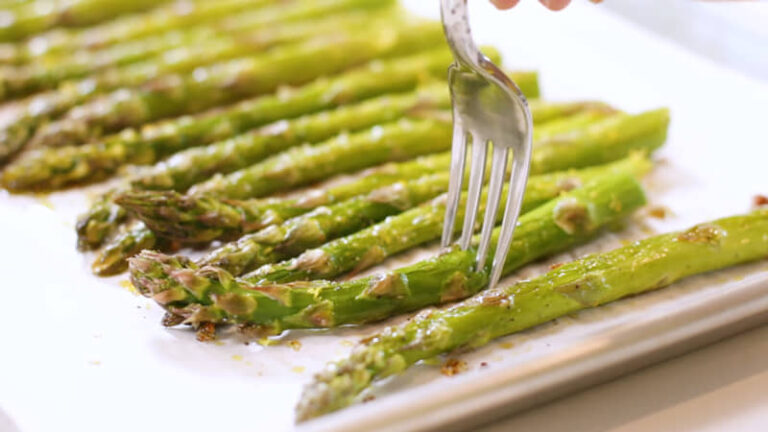
To achieve the perfect crisp-tender texture, steaming asparagus typically takes between 3 and 7 minutes. The exact duration depends heavily on the thickness of the stalks: pencil-thin asparagus requires only 3 minutes, medium-sized stalks take 4 to 5 minutes, and jumbo-sized stalks need 6 to 7 minutes to cook through.
Understanding the Fundamentals of Steaming Asparagus
Steaming is widely regarded by culinary professionals and nutritionists as the superior method for preparing asparagus. Unlike boiling, which can leach water-soluble vitamins (such as Vitamin C and B vitamins) into the cooking water, steaming uses moist heat to soften the vegetable's fibrous structure while preserving its vibrant color and nutritional integrity. As we look at the culinary landscape in 2026, the focus on "nutrient-dense" cooking has made the steamer basket an essential tool in the modern kitchen.
The goal of steaming is to reach a state known as crisp-tender. In this state, the asparagus has lost its raw, "grassy" bite and the fibrous exterior has softened enough to be easily pierced by a fork, yet the stalk retains enough structural integrity to hold its shape. Oversteamed asparagus becomes mushy, drab in color (transitioning from bright green to an unappetizing olive), and loses its delicate, nutty flavor.
Why Steam Instead of Roast or Boil?
While roasting provides a caramelized depth of flavor, it often shrivels thinner stalks. Boiling, on the other hand, is difficult to control; a few seconds too long can result in waterlogged vegetables. Steaming offers a middle ground of precision. Because the steam is at a constant temperature of 212°F (100°C) at sea level, the cooking process is predictable. Furthermore, the gentle nature of steam prevents the delicate tips—the most prized part of the asparagus—from disintegrating before the thicker base is cooked.
Selecting and Preparing Asparagus for the Steamer
Before you set your timer, the preparation of the vegetable is the most critical step in ensuring even cooking. In 2026, the global market offers several varieties, including the common green, the delicate white, and the anthocyanin-rich purple asparagus. Regardless of the variety, freshness is the primary indicator of how the vegetable will react to steam.
Identifying Freshness
When purchasing asparagus, look for the following characteristics:
- Tightly Closed Tips: The buds at the top should be compact and firm. If they are beginning to flower or look "feathery," the asparagus is past its prime and will likely be stringy.
- Firm Stalks: The stalks should be rigid. If they bend easily or feel rubbery, they have lost too much moisture.
- Moist Cut Ends: Check the bottom of the bunch. The cut ends should look fresh, not dry, cracked, or woody.
The "Snap" Method vs. The Knife Trim
Asparagus has a natural breaking point where the tender green stalk meets the tough, woody base.
- The Snap: Hold a single stalk at the base and in the middle, then bend it until it snaps. It will naturally break right where the woodiness ends. While satisfying, this can be wasteful as it doesn't always break at the absolute lowest edible point.
- The Knife Trim: For a more professional appearance and less waste, line up the bunch on a cutting board and slice off the bottom 1 to 2 inches. If the stalks are particularly thick, use a vegetable peeler to remove the outer skin from the bottom half of the stalk. This ensures that the base cooks at the same rate as the tender tip.
Detailed Asparagus Steaming Time Chart
The following table provides a precise guide for steaming times based on the thickness of the asparagus and the equipment used. These times assume you are starting with a pre-heated steamer (water is already boiling).
| Asparagus Thickness | Stovetop Steamer Basket | Microwave Steaming | Electric Food Steamer |
|---|---|---|---|
| Pencil-Thin ( < 1/4 inch) | 2–3 Minutes | 1.5–2 Minutes | 4 Minutes |
| Medium (1/4 to 1/2 inch) | 4–5 Minutes | 3 Minutes | 6–7 Minutes |
| Jumbo ( > 1/2 inch) | 6–8 Minutes | 4–5 Minutes | 9–10 Minutes |
| White Asparagus (Peeled) | 8–10 Minutes | 5–6 Minutes | 12 Minutes |
Note: White asparagus is grown underground to prevent chlorophyll production, resulting in a much tougher outer skin that must be peeled completely before steaming. This increases the total cooking time.
Step-by-Step Stovetop Steaming Process
To achieve consistent results, follow this standardized procedure. This method utilizes a traditional steamer basket and a pot with a tight-fitting lid.
1. Water Level Management
Add approximately 1 to 2 inches of water to your pot. The key is to ensure the water level is below the bottom of the steamer basket. If the water touches the asparagus, you are boiling, not steaming, which will lead to uneven textures.
2. The Pre-Heat
Bring the water to a vigorous boil over high heat. Do not add the asparagus until the steam is visible and the water is bubbling steadily. Adding vegetables to a cold pot results in longer exposure to low heat, which can dull the color.
3. Loading the Steamer
Place the prepared asparagus into the steamer basket. If possible, lay them flat or stand them upright with the tips pointing upward. If the stalks are too long for your pot, you may need to cut them in half, though steaming them whole is preferred for presentation.
4. The "Tight Seal" Rule
Place the lid on the pot. It must be tight-fitting to trap the steam. If your lid has a vent, you may need to reduce the heat slightly to medium-high to maintain a constant steam volume without boiling the pot dry.
5. The Doneness Test
Start your timer immediately. One minute before the minimum recommended time, lift the lid (carefully, avoiding the steam burn) and pierce the thickest part of a stalk with a paring knife or fork. If it slides in with only slight resistance, the asparagus is ready.
Alternative Steaming Methods
The Skillet Method (No Steamer Basket)
If you do not own a steamer basket, you can use a large skillet. Add about half an inch of water and a pinch of salt. Bring to a boil, add the asparagus in a single layer, and cover tightly. Because the asparagus is partially submerged, this is technically "steam-sautéing," and it typically takes 3 to 5 minutes.
Microwave Steaming
While some purists avoid the microwave, it is an efficient way to steam small batches.
- Place asparagus in a microwave-safe dish.
- Add 2 tablespoons of water.
- Cover tightly with a microwave-safe lid or vented plastic wrap.
- Microwave on high for the times listed in the table above.
- Caution: Let it stand for 1 minute after the timer goes off, as carryover cooking is significant in microwave preparations.
The Science of Color: Why Asparagus Turns Grey
The vibrant green of asparagus comes from chlorophyll. When heat is applied, the gas between the cells of the vegetable expands and escapes, which initially makes the green look even brighter. However, if cooked for more than 7 or 8 minutes, the plant's organic acids are released. These acids react with the chlorophyll, replacing the magnesium atom in the center of the molecule with a hydrogen atom. This chemical change creates pheophytin, which is olive-grey in color. To prevent this, never overcook, and if you are not serving the asparagus immediately, "shock" it in an ice-water bath to stop the cooking process instantly.
Advanced Flavor Enhancements
Once steamed perfectly, asparagus is a blank canvas. In 2026, the trend has shifted toward simple but high-quality additions that complement the earthy flavor rather than masking it.
- The Classic French: A drizzle of melted unsalted butter, a squeeze of fresh lemon juice, and a sprinkle of Maldon sea salt.
- The Umami Boost: A small amount of white miso paste thinned with a teaspoon of the steaming water, drizzled over the hot stalks.
- The Mediterranean: Extra virgin olive oil, toasted pine nuts, and shaved Parmigiano-Reggiano.
- The Aromatic: Infuse the steaming water itself with a smashed clove of garlic or a sprig of tarragon to subtly flavor the stalks as they cook.
Common Troubleshooting and Mistakes
1. The Asparagus is Stringy
This is usually a result of not trimming enough of the woody base or failing to peel jumbo stalks. Even perfectly steamed asparagus will feel "tough" if the lignified fibers at the base aren't removed.
2. The Tips are Mushy, but the Bases are Hard
This happens when asparagus is steamed in a crowded, upright position where the tips are exposed to more heat or when the stalks are of wildly different thicknesses. Try to group stalks of similar diameter together.
3. Lack of Flavor
Steaming does not add flavor; it only preserves it. If your asparagus tastes bland, ensure you are seasoning it after steaming. Adding salt to the steaming water is largely ineffective as the salt does not travel with the steam.
Frequently Asked Questions
Can I steam frozen asparagus?
Yes, but the texture will be significantly softer than fresh. Steam frozen asparagus directly from the freezer (do not thaw) for 2 to 4 minutes. Because the freezing process breaks down cell walls, frozen asparagus will never achieve the same "snap" as fresh.
Is it better to steam asparagus whole or cut?
Steaming whole stalks is generally better for flavor and nutrient retention. Cutting the stalks creates more surface area for nutrients to escape and for the vegetable to absorb excess moisture. Cut them only if necessary to fit your equipment.
How do I store leftover steamed asparagus?
Pat the stalks dry and store them in an airtight container in the refrigerator for up to 3 days. To reheat, avoid the microwave if possible, as it will make them rubbery. Instead, flash-steam them for 1 minute or quickly toss them in a hot pan with a little oil.
Why does my asparagus smell "sulfury" after steaming?
This is a sign of overcooking. Like other members of the lily family (and similar to brassicas), asparagus contains sulfur compounds that are released when the vegetable is subjected to heat for too long. Stick to the 3–7 minute window to avoid this.
Can I use the steaming water for anything?
Absolutely. The water left at the bottom of the pot contains trace nutrients and a mild asparagus flavor. It can be used as a base for a vegetable stock, added to a risotto, or used to thin out a sauce that will be served with the meal.
Practical Recommendation for 2026
For the best results in your 2026 kitchen, invest in a collapsible stainless steel steamer basket or a dedicated bamboo steamer. These tools allow for maximum steam circulation. Always set your timer for the lowest suggested time based on the stalk thickness. It is easy to add an extra 30 seconds of heat, but impossible to reverse the effects of over-steaming. Pair your perfectly steamed asparagus with a protein that doesn't overpower it, such as poached salmon or a soft-boiled egg, to fully appreciate the delicate spring flavors.