In 2026, Aspen, Colorado, continues to rank as the most expensive city to visit in the United States, with average daily costs for luxury travelers exceeding $2,500 and mid-range visitors spending upwards of $850. This premium status is driven by a combination of limited luxury lodging inventory, soaring real estate values, and its global reputation as a premier destination for high-net-worth individuals.
The Economic Reality of an Aspen Vacation in 2026
For several consecutive years leading into 2026, various travel indices and cost-of-living reports have consistently placed Aspen at the apex of American travel costs. While cities like New York, San Francisco, and Honolulu often dominate discussions regarding resident cost of living, Aspen operates in a unique economic vacuum. As a resort town with finite geographic boundaries and strict zoning laws, the supply-and-demand curve is permanently skewed toward extreme pricing.
The primary driver of this expense is the "lodging barrier." In peak winter months—specifically between December 15th and March 15th—the average daily rate (ADR) for a standard hotel room in the downtown core rarely dips below $1,200. When factoring in luxury resorts like The Little Nell or the St. Regis, suites can command anywhere from $4,000 to $10,000 per night. Unlike major metropolitan areas where a traveler can find a budget-friendly hotel a few subway stops away, Aspen’s geographic isolation and the exclusivity of the surrounding Roaring Fork Valley mean that even "outlying" options in Snowmass or Basalt carry price tags that would be considered luxury rates in other states.
Key Factors Driving Aspen’s Top-Tier Pricing
To understand why Aspen leads the pack, one must look beyond simple inflation. Several structural and socioeconomic factors converge to keep prices at record highs.
Geographic and Regulatory Constraints
Aspen is physically constrained by the surrounding White River National Forest and the steep topography of the Rocky Mountains. This limited "floor area" for development prevents the construction of large-scale, mid-tier hotels that might otherwise drive prices down through competition. Furthermore, Pitkin County maintains some of the most stringent growth-management quotas in the country. These regulations are designed to preserve the town’s historic character and natural beauty, but they effectively cap the supply of tourist beds while global demand continues to rise.
The Labor and Housing Crisis
The extreme cost of real estate—where the median home price in 2026 frequently surpasses $15 million—has forced the vast majority of the service workforce to live in "down-valley" communities like Carbondale, Glenwood Springs, or even Rifle. For a restaurant or hotel in Aspen to maintain staff, they must pay significantly higher wages to offset commuting costs or invest in subsidized employee housing. These operational overheads are directly passed on to the consumer, resulting in $30 cocktails and $50 lunch entrees that have become the standard in the downtown core.
Infrastructure and Private Aviation
Aspen-Pitkin County Airport (ASE) is one of the most unique municipal airports in the world. Due to its mountain location and short runway, it can only accommodate specific aircraft types. The high volume of private jet traffic often competes with commercial slots, making even basic economy flights from hubs like Denver or Chicago disproportionately expensive. In 2026, it is not uncommon for a round-trip commercial flight from the East Coast to Aspen to cost more than a flight to Europe.
Breaking Down the Costs: A Comparison of Major US Destinations
To visualize how Aspen compares to other high-cost U.S. destinations in 2026, the following table outlines the estimated daily costs for a "premium" travel experience, including 4-5 star lodging, fine dining, and primary local activities.
| Destination | Avg. Hotel Night (Peak) | Lift Ticket / Main Activity | Dinner (Per Person) | Total Daily Est. |
|---|---|---|---|---|
| Aspen, CO | $1,650 | $265 (Skiing) | $180 | $2,095+ |
| New York City, NY | $750 | $60 (Museums/Shows) | $140 | $950+ |
| Vail, CO | $1,200 | $245 (Skiing) | $150 | $1,595+ |
| Park City, UT | $950 | $230 (Skiing) | $120 | $1,300+ |
| Maui, HI | $850 | $150 (Tours/Boat) | $130 | $1,130+ |
Note: Estimates are based on 2026 peak season data and represent high-end but not "ultra-luxury" spending.
The Role of Winter Sports in Price Escalation
While Aspen is a year-round destination, the winter season remains the primary driver of its "most expensive" title. The Aspen Skiing Company (SkiCo) operates four distinct mountains: Aspen Mountain (Ajax), Snowmass, Aspen Highlands, and Buttermilk. Unlike many European resorts where lift tickets are subsidized or kept low to encourage tourism, Aspen’s lift tickets are among the most expensive in the world.
By 2026, the walk-up rate for a single-day lift ticket has pushed past the $260 mark. While the "Ikon Pass" provides some relief for frequent skiers, the incidental costs associated with skiing—equipment rentals (often $90-$120/day for performance gear), professional lessons ($1,000+ for a full-day private), and on-mountain dining—add thousands to a week-long trip.
The "apres-ski" culture also contributes to the high expenditure. Venues like Cloud Nine Alpine Bistro on Aspen Highlands are famous for "champagne showers," where guests purchase bottles of Veuve Clicquot specifically to spray them into the air. This level of conspicuous consumption is a hallmark of the Aspen experience and ensures that the local economy remains geared toward the ultra-wealthy.
Summer in Aspen: Is There Any Relief?
Historically, summer was considered the "off-season" in the Rockies. However, the "Food & Wine Classic in Aspen" and the "Aspen Ideas Festival" have transformed the summer months into a second peak season. While hotel rates might soften slightly compared to the Christmas-New Year corridor, they rarely fall to what would be considered "affordable" by national standards.
Outdoor activities in the summer, such as guided fly-fishing on the Roaring Fork River, paragliding off Aspen Mountain, or high-end mountain bike rentals, maintain high price points. The demand for "cool-weather luxury" as a retreat from the extreme heat in the southern and coastal U.S. has kept Aspen’s summer occupancy high and its prices stable at the top of the market.
How Travelers Navigate These Costs
For those determined to visit Aspen without a billionaire's budget, several strategies have emerged in 2026 to mitigate the "Aspen Tax."
- The Shoulder Season Strategy: Visiting in late October or early May (known locally as "mud season") can result in hotel discounts of up to 50%. However, many of the town's top restaurants and shops close during these periods for staff breaks.
- Basalt and Carbondale Lodging: Staying 20 to 30 miles down-valley and utilizing the RFTA (Roaring Fork Transportation Authority) bus system is the most common way to save. The RFTA system is highly efficient and even offers BRT (Bus Rapid Transit) services, though the commute can take 45–60 minutes.
- Grocery Strategy: With a single meal for a family of four easily exceeding $300 at mid-tier restaurants, many visitors opt for VRBO or Airbnb rentals with kitchens. Even then, the local City Market is frequently cited as one of the most expensive grocery stores in the Kroger chain due to its location.
- Advanced Booking for Lift Tickets: Purchasing multi-day passes or utilizing the Ikon Pass months in advance remains the only way to avoid the exorbitant walk-up window prices.
Practical Considerations and Limitations
When planning a trip to Aspen in 2026, it is vital to recognize that the high price of entry does not always guarantee a seamless experience. The high altitude (nearly 8,000 feet in town and over 11,000 feet on the mountains) can cause altitude sickness, which may require medical attention or oxygen rentals—yet another added expense. Furthermore, during peak storms, the airport frequently closes, forcing travelers to take a 4-hour shuttle from Denver International Airport, which can cost $150–$250 per person.
It is also important to note that "expensive" does not always equate to "available." During the X Games or the winter holidays, the town reaches 100% capacity. Travelers are often required to book 6 to 12 months in advance just to secure a room, regardless of their willingness to pay the premium.
Frequently Asked Questions
Is Aspen really more expensive than New York City?
Yes, for the average traveler, Aspen is more expensive on a per-day basis. While NYC has more expensive individual options, it also offers a vast range of budget and mid-tier lodging, dining, and transportation (the subway). Aspen lacks this lower-tier infrastructure, meaning the "entry-level" cost of a vacation is significantly higher than in NYC.
Why is the food so expensive in Aspen?
The cost of food is driven by high commercial rents for restaurant spaces and the need to pay "livable wages" in a county where the cost of living is triple the national average. Additionally, almost all produce and meat must be trucked in through difficult mountain passes, adding significant logistics and fuel surcharges to every ingredient.
Can you ski in Aspen on a budget?
It is very difficult. To do so, you would need to stay in a town like Glenwood Springs (an hour away), purchase an Ikon Pass during the previous spring sales, and bring your own equipment. Even with these measures, the cost of parking and food will still exceed those of most other North American ski resorts.
Is the Aspen airport (ASE) the only way to get there?
No, many travelers fly into Eagle County Regional Airport (EGE), which is about 70 miles away, or Denver International Airport (DIA), which is 220 miles away. While flying into Denver is usually cheaper, the cost of a rental car with AWD or a mountain shuttle service (like Epic Mountain Express) often narrows the price gap significantly.
What is the most expensive time of year to visit?
The week between Christmas Day and New Year’s Day is historically the most expensive week of the year in Aspen. During this time, "holiday surcharges" are applied to everything from hotel rooms to private ski instructors, and many restaurants switch to fixed-price menus that start at $250-$500 per person.
Final Recommendation for 2026 Travelers
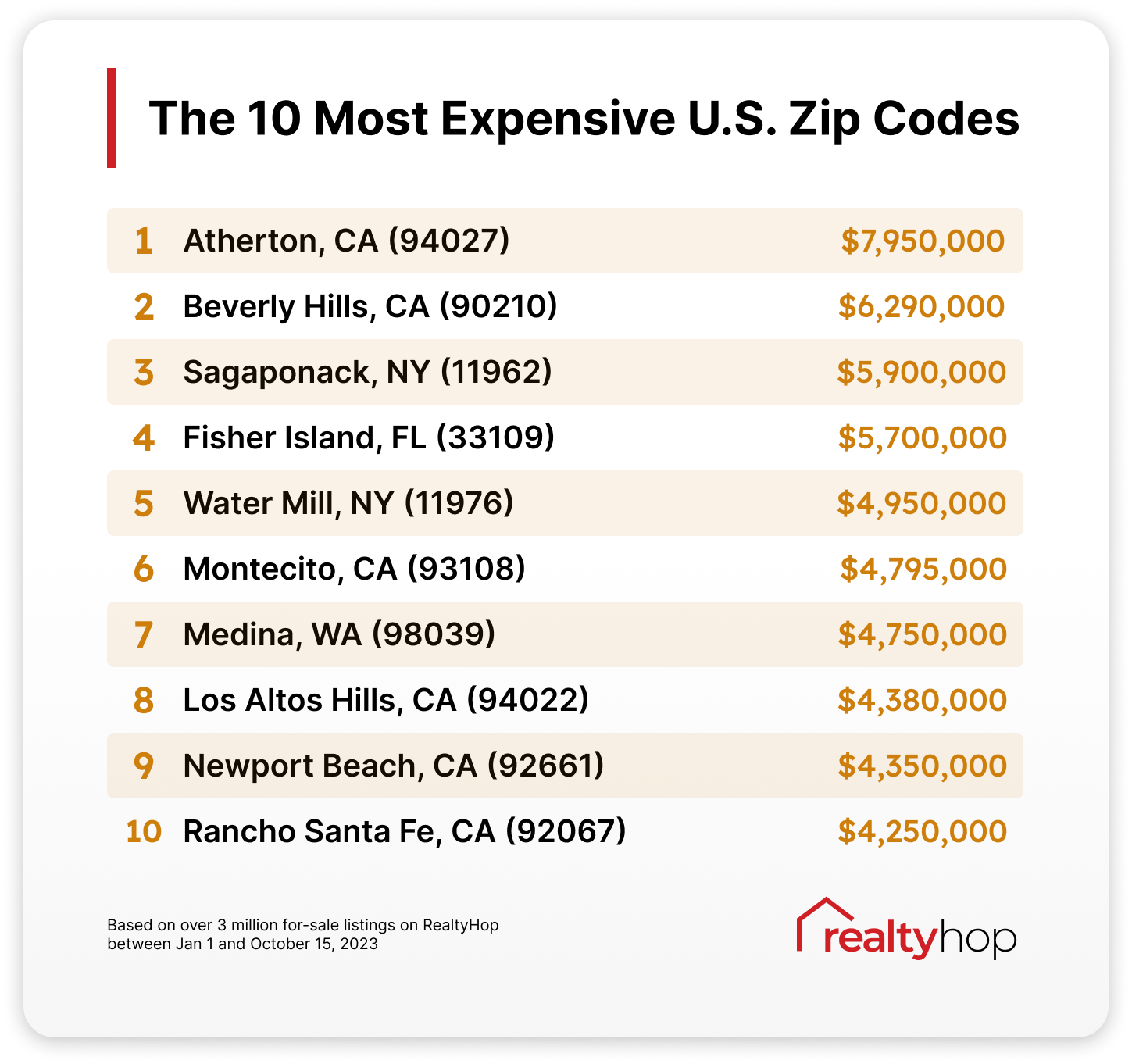
If you are planning to visit Aspen in 2026, the most effective way to manage costs is to prioritize your spending. If your goal is world-class skiing, invest in an Ikon Pass early and stay in Snowmass Village, which often offers better value for families. If your goal is the "Aspen Scene," plan a trip in the summer or early autumn when the town is arguably at its most beautiful and hotel rates are slightly more negotiable. Regardless of when you go, budget for at least 25% more than you would for a standard luxury vacation in any other American city; in Aspen, the premium isn't just for the view—it's for the zip code.