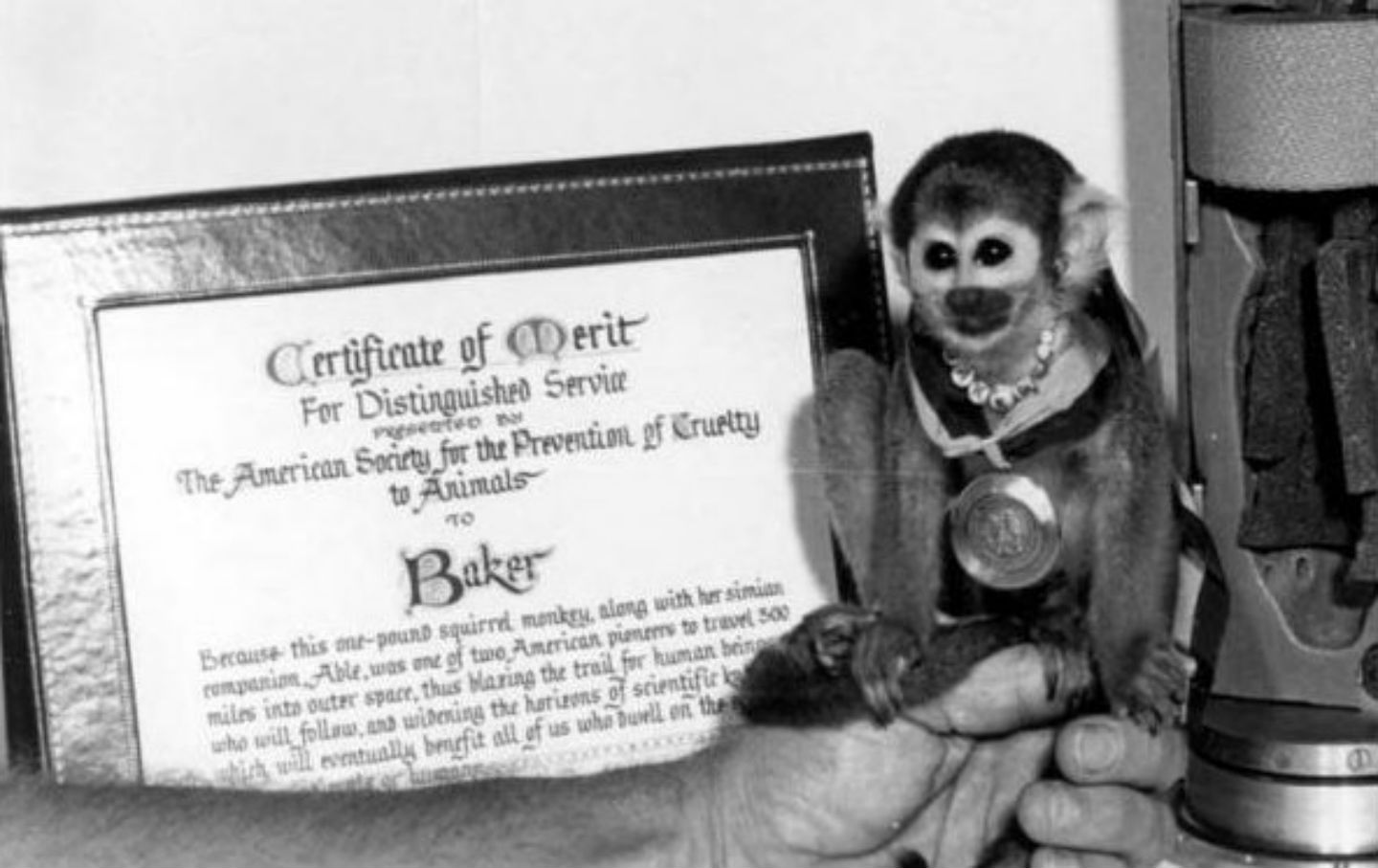
The ASPCA stands for the American Society for the Prevention of Cruelty to Animals. Founded in 1866, it is the first animal welfare organization established in North America. Today, the ASPCA serves as a national leader in animal rescue, pet advocacy, and legislative reform to protect animals from abuse.
The American Society for the Prevention of Cruelty to Animals (ASPCA) is much more than just a recognizable acronym; it represents over 160 years of advocacy for those who cannot speak for themselves. While many people associate the organization with heart-wrenching television commercials or local pet adoption centers, its actual scope is vast, encompassing legal advocacy, forensic science, behavioral rehabilitation, and large-scale disaster response.
As we navigate through 2026, the ASPCA remains a cornerstone of the animal welfare movement, evolving its strategies to meet modern challenges such as climate-related disasters, the complexities of industrial farming, and the technological needs of veterinary medicine. Understanding what the ASPCA means involves looking beyond its name to its foundational history, its operational structure, and its diverse range of national programs.
The Founding of the ASPCA: A Historical Mandate
The ASPCA was officially incorporated on April 10, 1866, by Henry Bergh. Bergh was a diplomat who, while stationed in Russia, witnessed the brutal treatment of workhorses and was deeply moved to take action. After visiting the Royal Society for the Prevention of Cruelty to Animals (RSPCA) in London, he returned to New York City determined to create a similar institution in the United States.
Bergh’s primary achievement was not just founding the society, but also influencing the New York State Legislature to pass the first effective anti-cruelty laws in the country. These laws granted the ASPCA the power to investigate and make arrests for animal cruelty. For much of its early history, the ASPCA acted as a quasi-governmental agency, with officers patrolling the streets of New York to ensure horses, dogs, and livestock were treated humanely.
The Charter of 1866
The original charter granted the ASPCA a unique legal status. It was tasked with the enforcement of anti-cruelty laws, a responsibility that lasted in New York City for over a century. Although the organization has transitioned away from direct law enforcement in recent years to focus more on forensic support and legislative advocacy, that original mandate remains the DNA of the organization.
Core Mission and Strategic Pillars in 2026
The mission of the ASPCA is "to provide effective means for the prevention of cruelty to animals throughout the United States." To achieve this in 2026, the organization focuses on three primary pillars:
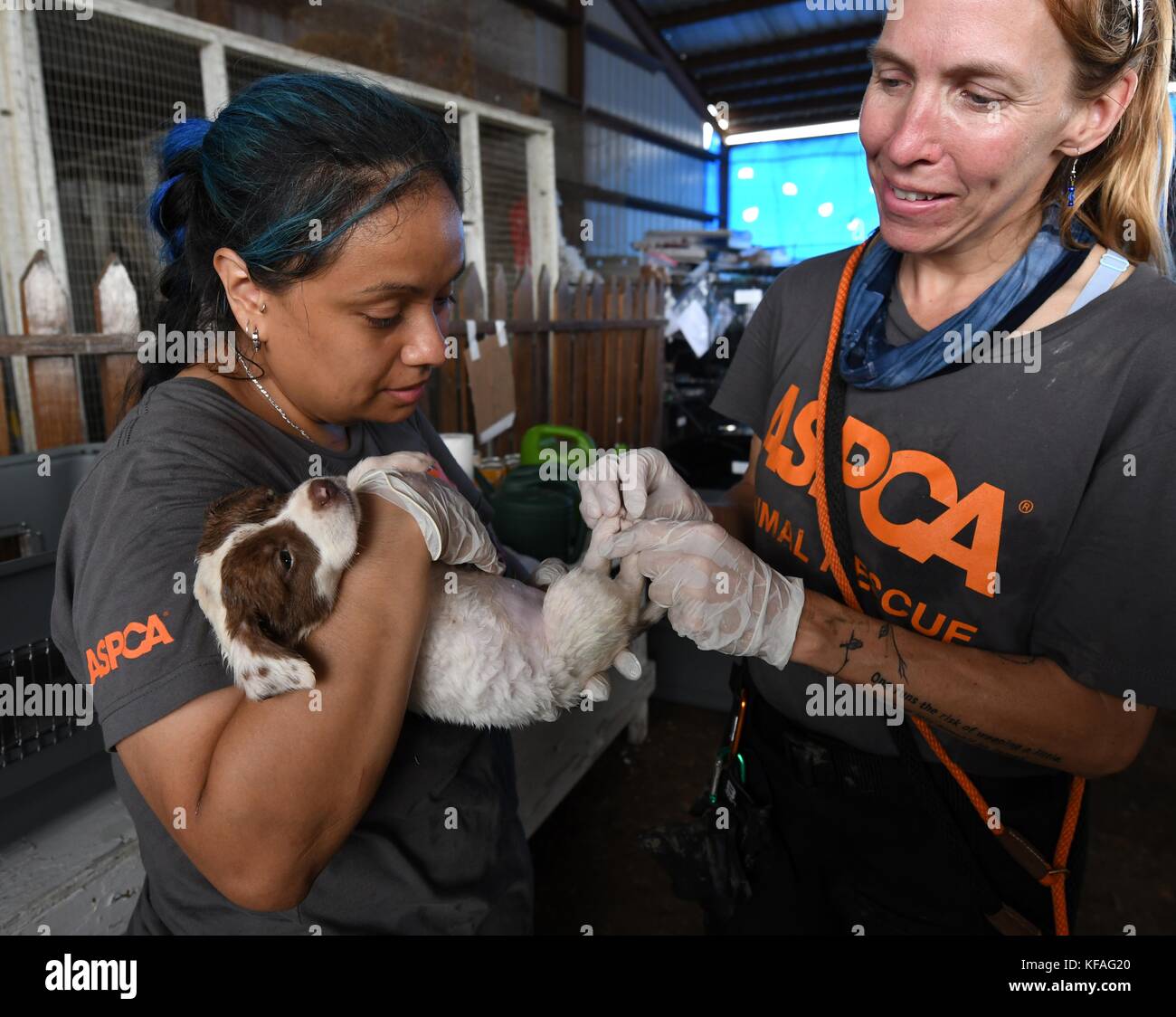
- Direct Animal Care and Protection: This includes sheltering, veterinary services, and behavioral rehabilitation for victims of neglect and abuse.
- Animal Welfare Advocacy: Working with lawmakers to strengthen animal protection laws and fighting against practices like puppy mills and factory farming.
- Community Support: Providing resources to pet owners to help keep animals in their homes and out of the shelter system.
By focusing on these pillars, the ASPCA addresses both the symptoms of animal cruelty (individual animals in need) and the root causes (weak laws and lack of community resources).
Key Programs and National Services
While the ASPCA is headquartered in New York City, it operates as a national organization with a footprint that extends across all 50 states. Its programs are designed to fill gaps in the animal welfare landscape that local shelters might not have the resources to handle.
The ASPCA Animal Poison Control Center (APCC)
One of the most critical resources provided by the organization is the ASPCA Animal Poison Control Center. This 24-hour emergency hotline is staffed by veterinary toxicologists who manage hundreds of thousands of cases annually. They maintain a sophisticated database of toxins, including human medications, household plants, and chemicals, providing immediate life-saving advice to pet owners and veterinarians alike.
Behavioral Rehabilitation Center (BRC)
Located in Weaverville, North Carolina, the Behavioral Rehabilitation Center is a specialized facility dedicated to the recovery of extremely fearful and undersocialized dogs. Many of these animals are survivors of puppy mills or hoarding situations. The BRC uses evidence-based protocols to help these dogs overcome their trauma so they can eventually be placed in loving homes. This technical approach to "behavioral health" is a significant shift from traditional sheltering, which often lacked the resources to treat psychological trauma in animals.
ASPCA Community Medicine
In 2026, the ASPCA has expanded its "Community Medicine" initiative. This program focuses on providing low-cost or free spay/neuter surgeries and basic veterinary care in underserved areas. By operating mobile veterinary clinics in cities like Los Angeles, Miami, and New York, the ASPCA prevents unwanted litters and ensures that financial hardship does not lead to the surrender of a beloved pet.
Legislative Advocacy and Legal Impact
The ASPCA is a powerful voice in Washington, D.C., and state capitals across the country. Their legislative team works to pass laws that protect animals and defeat bills that would harm them. Key areas of focus include:
- Ending Puppy Mills: Advocating for the "Goldie’s Act" and other legislation that requires the USDA to enforce the Animal Welfare Act more strictly.
- Farm Animal Welfare: Working to eliminate extreme confinement for farm animals, such as gestation crates for pigs and battery cages for hens.
- The "Right to Rescue": Ensuring that first responders and citizens have legal protections when rescuing animals from hot cars or during natural disasters.
Through the ASPCA Legal Advocacy department, the organization also files amicus briefs in important court cases and provides legal expertise to prosecutors handling high-profile animal cruelty cases.
| Program Area | Primary Focus | Key Impact in 2026 |
|---|---|---|
| National Field Response | Disaster & Cruelty Rescue | Rapid deployment for hurricanes, wildfires, and hoarding cases. |
| APCC | Toxicology & Safety | 24/7 expert guidance for pet poisoning emergencies nationwide. |
| Shelter Medicine | Veterinary Standards | Setting the national standard for care in shelter environments. |
| Relocation Program | Overpopulation Logistics | Transporting animals from over-capacity shelters to areas with high demand. |
| Forensic Science | Criminal Investigation | Providing evidence to help convict animal abusers in court. |
Clarifying Common Misconceptions
There is often confusion regarding the relationship between the national ASPCA and local SPCAs or humane societies.
Is the ASPCA an "Umbrella" Organization?
No. The ASPCA is a private, non-profit organization. It is not a parent company to local "Society for the Prevention of Cruelty to Animals" (SPCA) chapters. Each local SPCA or humane society is typically an independent 501(c)(3) organization. While they may share a similar name or mission, they are not funded by or governed by the national ASPCA.
When donors give to the national ASPCA, that money supports national programs like the Poison Control Center, legislative lobbying, and large-scale cruelty investigations. If you want to support your local animal shelter's daily operations (food, kitty litter, local staff), you must donate directly to that specific local entity.
Financial Transparency and Accountability
As a large non-profit, the ASPCA’s finances are a matter of public record. They are consistently evaluated by charity watchdogs. In 2026, the organization continues to emphasize that the majority of its funds go toward program expenses. According to Charity Navigator, the ASPCA typically maintains a high rating, reflecting its commitment to transparency and efficient use of donor contributions.
Cruelty Investigations and Veterinary Forensics
One of the most technical aspects of the ASPCA's work is its commitment to veterinary forensics. When a large-scale animal cruelty case is prosecuted—such as a dogfighting ring or a massive hoarding situation—the evidence must be handled with the same rigor as a human crime scene.
The ASPCA partners with law enforcement to provide:
- Crime Scene Documentation: Expertly removing animals and documenting their environment.
- Medical Exams: Forensic veterinarians perform necropsies and exams to prove abuse or neglect.
- Legal Testimony: Staff experts testify in court to help secure convictions.
This scientific approach ensures that animal abusers are held accountable under the law, which serves as a deterrent for future crimes.
How the Public Can Interact with the ASPCA
For those looking to get involved or seeking help, the ASPCA offers several avenues of engagement:
- Adoption: The ASPCA Adoption Center in NYC is a flagship facility, but the organization also facilitates thousands of adoptions through its national relocation and partner networks.
- Fostering: Fostering is a critical component of their rescue work, especially for animals recovering from surgery or behavioral issues.
- Reporting Cruelty: While the ASPCA does not have national police powers, they provide comprehensive guides on how to report cruelty to the correct local authorities.
- Advocacy Brigade: Citizens can join the ASPCA’s digital advocacy network to receive alerts when important animal welfare legislation is up for a vote in their district.
Frequently Asked Questions
What does ASPCA stand for?
ASPCA stands for the American Society for the Prevention of Cruelty to Animals. It was the first animal welfare organization in North America, founded in 1866.
Does the ASPCA run my local animal shelter?
In most cases, no. Most local shelters with "SPCA" in their name are independent organizations. The ASPCA is a national organization that provides support, grants, and specialized services but does not oversee the operations of thousands of local shelters across the country.
How do I contact the ASPCA Poison Control?
The ASPCA Animal Poison Control Center can be reached at (888) 426-4435. It is available 24 hours a day, 365 days a year. A consultation fee may apply, but this provides access to specialized veterinary toxicologists.
Where is the ASPCA headquartered?
The ASPCA is headquartered in New York City, which is where it was founded by Henry Bergh. However, it has facilities and staff located across the United States, including Florida, North Carolina, and California.
Is the ASPCA a government agency?
No, the ASPCA is a 501(c)(3) non-profit organization. It relies on private donations from individuals, corporations, and foundations to fund its operations. It does not receive general government funding for its national programs.
How can I report animal cruelty?
If you witness animal cruelty, you should contact your local law enforcement agency or animal control department immediately. The ASPCA provides resources on its website to help you identify the correct agency to contact based on your location.
Future Outlook: Animal Welfare in the Late 2020s
As we move forward in 2026, the ASPCA is increasingly focused on the "One Health" concept—the idea that the health of people, animals, and the environment are interconnected. This means more focus on sustainable farming practices, disaster preparedness for pets in the face of increasing extreme weather, and expanding access to veterinary care to prevent the "economic surrender" of pets.
The organization's shift toward data-driven interventions and behavioral science marks a new era in animal welfare. By combining the passion of its 19th-century roots with 21st-century technology and legal strategy, the ASPCA continues to redefine what it means to prevent cruelty in a complex, modern world.
Professional Advice Limitation: While the ASPCA provides extensive resources, pet owners should always consult with a local licensed veterinarian for specific medical concerns. For legal issues regarding animal cruelty, consult with local law enforcement or a qualified attorney in your jurisdiction.
Final Recommendation: To support the ASPCA's mission, consider joining their Advocacy Brigade to stay informed on federal and state legislation. If you are looking to adopt, check both the ASPCA website and your local independent shelter to find a pet in need of a home.