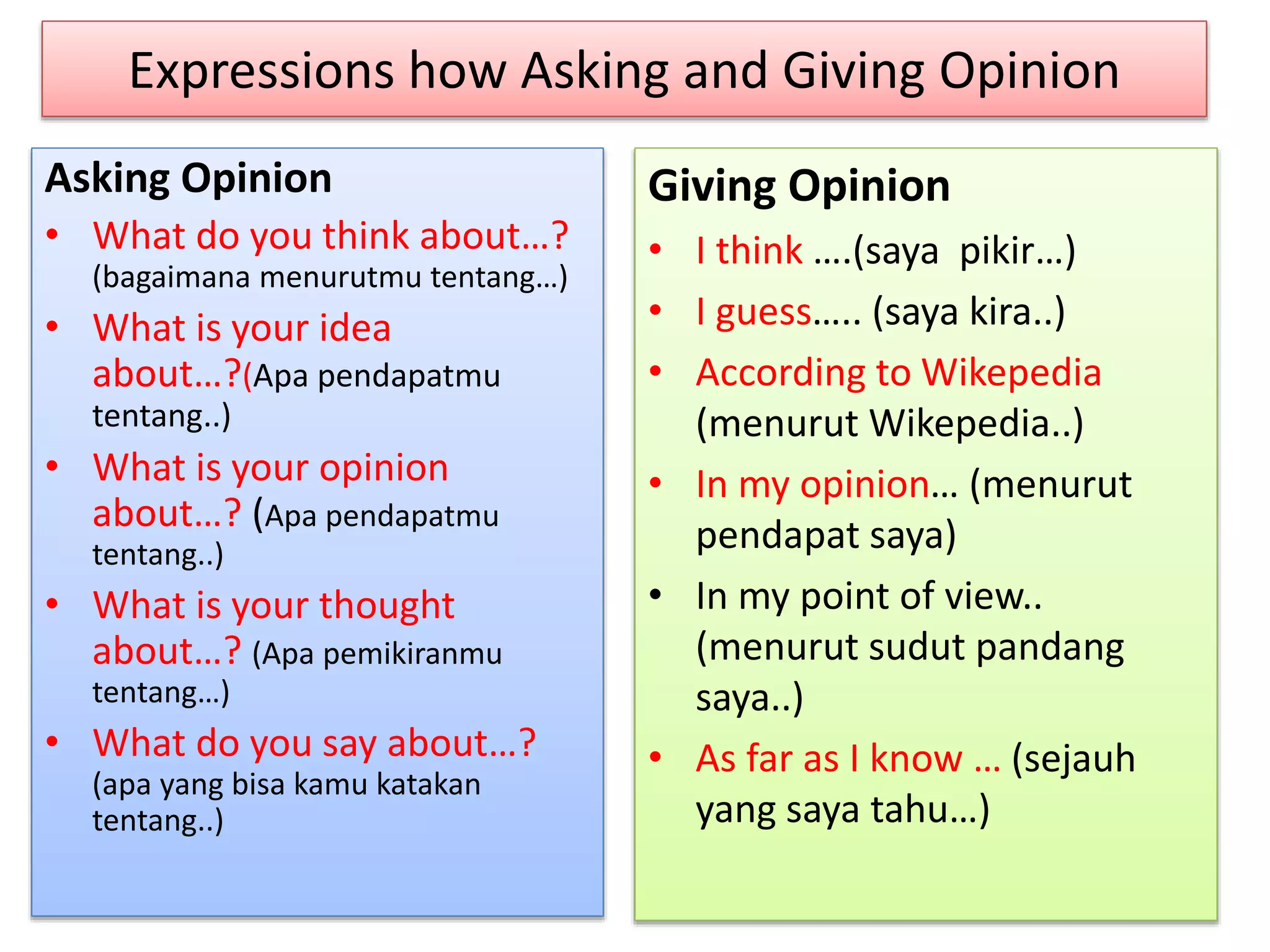
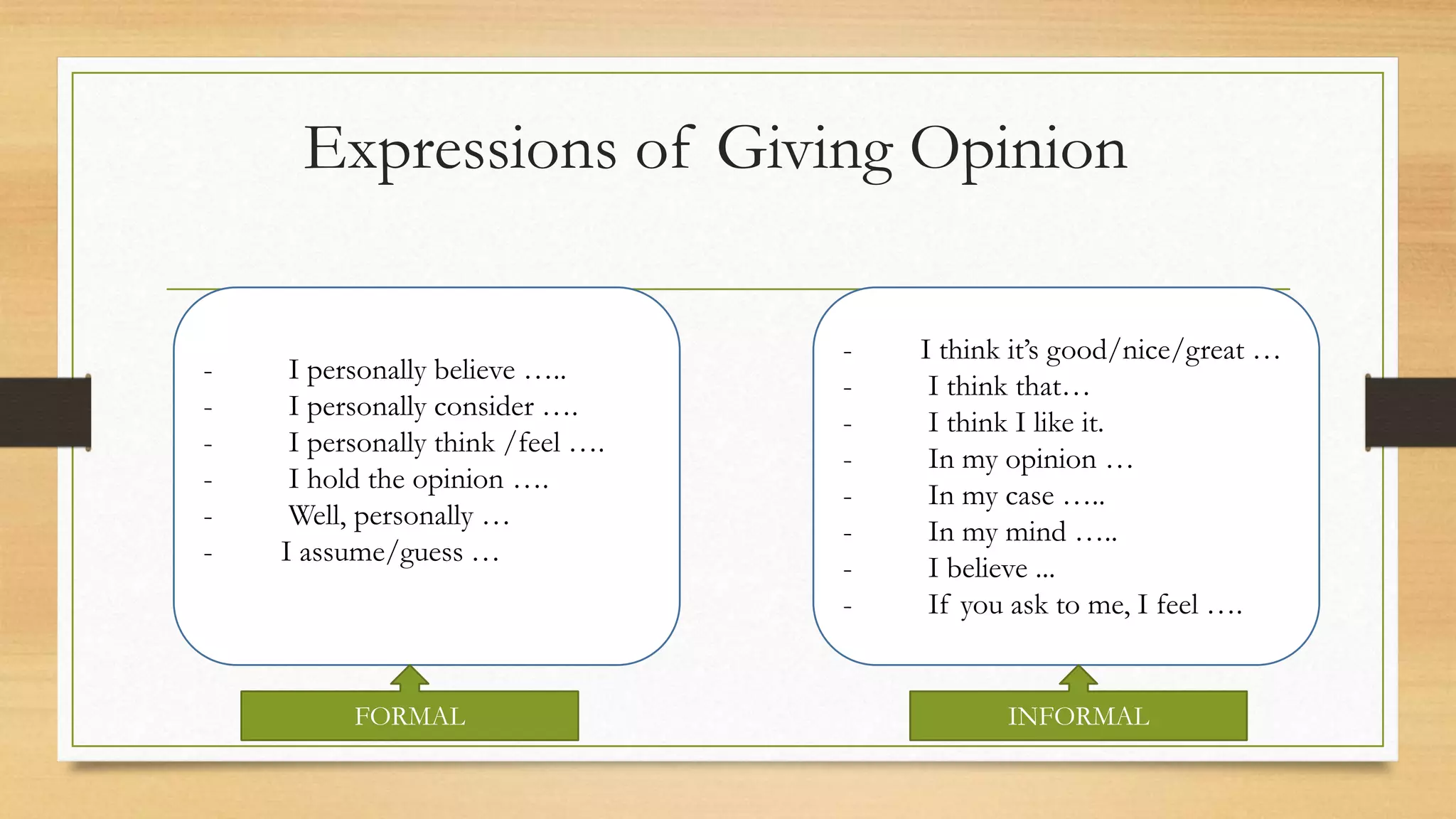
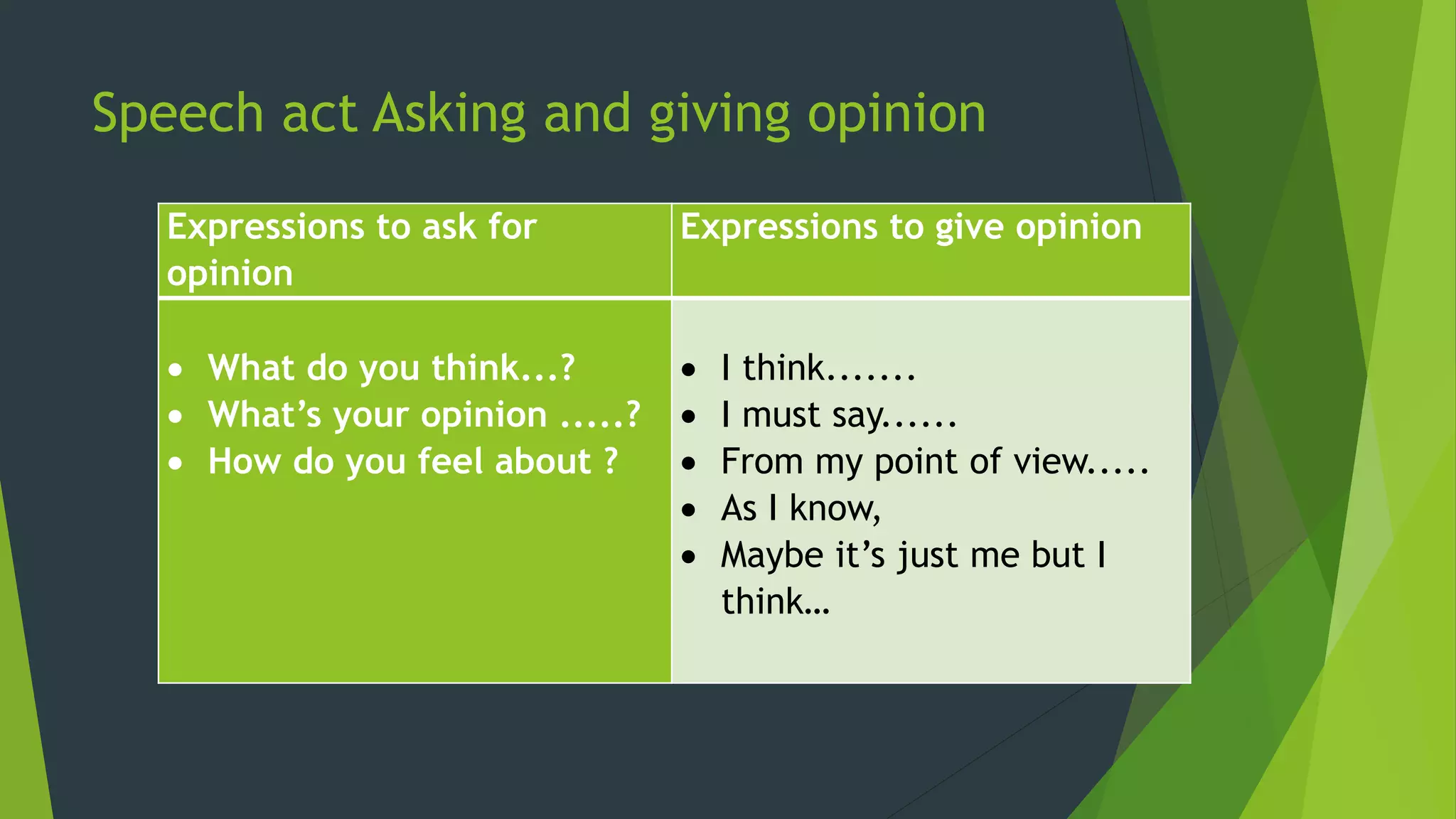
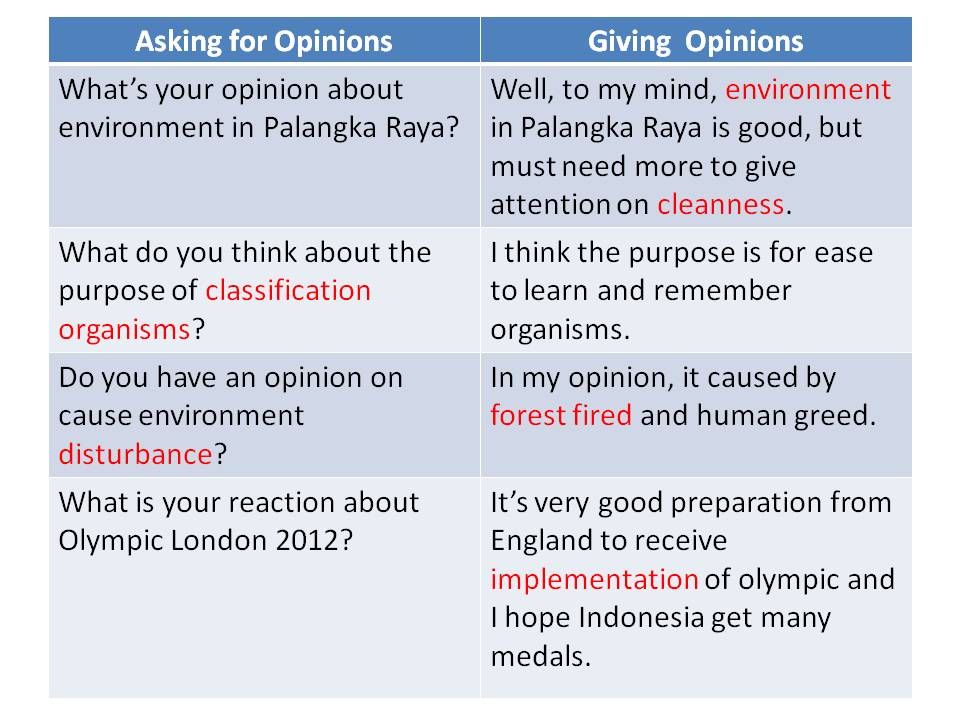
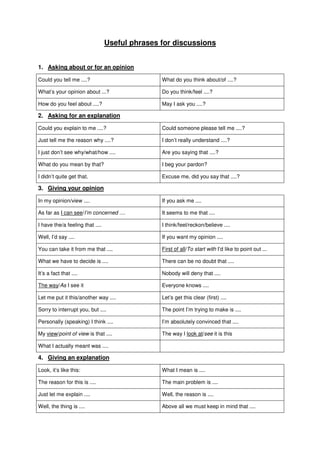
To obtain high-quality advice in beauty discussions, you must provide specific context including your skin or hair type, current routine, environmental factors, and clear goals. Effective inquiries move beyond "is this good?" to detailed questions about formulation, longevity, and compatibility, allowing community members to provide personalized, actionable feedback.
In the evolving landscape of 2026, the beauty industry has shifted toward extreme personalization. Consumers no longer settle for one-size-fits-all reviews. Instead, they seek out micro-communities where lived experience intersects with ingredient science. Whether you are navigating a Reddit thread, a Discord server, or a specialized skincare app, the way you frame your request for an opinion determines the utility of the response you receive.
The Evolution of Peer-to-Peer Beauty Advice
The way we discuss beauty has undergone a significant transformation. A few years ago, a "haul" video or a star rating on a retail site was sufficient for most consumers. However, in 2026, the rise of "Skinimalism" and hyper-transparency has led to a more discerning audience. When asking for an opinion, you are no longer just looking for a "yes" or "no"; you are seeking a data-informed perspective that accounts for your unique biological and environmental variables.
Community-led discussions now function as unofficial peer-review boards. Users analyze surfactant concentrations, the stability of Vitamin C derivatives, and the ethical sourcing of mica. Therefore, your inquiry must match this level of sophistication to elicit a high-level response. Vague questions often result in "echo chamber" answers—where people simply repeat what is trendy—whereas specific questions invite critical analysis.
Prerequisites: What to Know Before You Post
Before entering a beauty discussion to ask for an opinion, you must have a clear understanding of your own "beauty profile." Without these baseline metrics, the advice you receive will be speculative at best and potentially harmful at worst.
Identifying Your Skin and Hair Specifications
You should be able to define your skin type (oily, dry, combination, or sensitive) and your Fitzpatrick scale rating if discussing sun protection or hyperpigmentation. For hair-related inquiries, knowing your porosity and strand thickness is essential. In 2026, many enthusiasts also track their "Skin Barrier Health" using at-home pH strips or digital analysis tools. Mentioning these specific metrics helps experts in the community filter out products that would be incompatible with your physiology.
Environmental and Lifestyle Context
Climate plays a massive role in product performance. A moisturizer that earns a "Holy Grail" status in the humid climate of Singapore may fail miserably in the dry winters of Montreal. When asking for an opinion, specify your local climate and your daily activity level. For example, a foundation review is irrelevant if the reviewer lives in a temperate zone and you are looking for something that survives high-intensity interval training (HIIT) in 90% humidity.
Budget and Accessibility
Be transparent about your price ceiling and your geographical location. There is little use in receiving a glowing recommendation for a niche European brand if you are based in a region where shipping costs exceed the product price. Explicitly stating "I am looking for a drugstore alternative to [High-End Product]" or "Budget is not an issue, but it must be available at Sephora" streamlines the discussion and prevents irrelevant suggestions.
How to Structure Your Request for Feedback
A well-structured post is the difference between getting ignored and starting a viral, helpful thread. To get the best results, use a logical flow that provides the community with everything they need to make an informed recommendation.
The "Three-Pillar" Inquiry Method
- Current Routine: List what you are currently using. This prevents people from suggesting products you already own or identifying potential ingredient conflicts (e.g., using a retinol and an AHA simultaneously).
- The Specific Problem: Instead of saying "My skin looks bad," say "I am experiencing localized redness on my cheeks and congestion around my chin that hasn't cleared with 2% Salicylic Acid."
- The Desired Outcome: Define success. Are you looking for a "glass skin" finish, or do you need a matte surface that lasts 12 hours?
Using Visuals Effectively
In 2026, high-definition photography is the standard for beauty inquiries. If you are asking for a color match or a critique of your current skin texture, follow these guidelines:
- Natural Lighting: Take photos near a window during the day. Avoid harsh bathroom LED lights which can wash out undertones or exaggerate shadows.
- No Filters: Modern AI-smoothing filters are the enemy of genuine beauty advice. Ensure all "beauty modes" are turned off.
- Macro and Full-Face: Provide a close-up of the area of concern and a full-face shot for context.
Evaluating the Opinions You Receive
Once the comments start rolling in, your job is to filter the signal from the noise. Not every opinion is equally valid, even if it comes from a well-meaning community member.
Spotting Bias and "Hype"
In beauty circles, "New Product Energy" can skew perceptions. If a product launched in the last 48 hours, the opinions will likely be polarized between extreme excitement and skepticism. Look for "long-term" reviews—users who have finished at least half a bottle. In 2026, savvy users also look for "de-influencing" comments, where people explain why a popular product didn't work for them.
Anecdotal vs. Scientific Evidence
While personal experience is valuable, it is still anecdotal. If someone claims a product "cured" their acne in two days, be skeptical. Skincare typically requires 28 to 45 days (the length of a skin cell turnover cycle) to show results. Prioritize opinions that explain the mechanism of why a product worked, such as "The high concentration of Niacinamide helped regulate my sebum production over six weeks."
Identifying Your "Skin Twin"
A "Skin Twin" is someone with the exact same skin type, tone, and concerns as you. When you find one in a discussion, their opinion is worth ten times more than a generic review. If you see a commenter who mentions having "Grade 2 Acne and Type 1 Rosacea," and you share those conditions, follow their advice more closely.
Comparison of Platforms for Beauty Discussions
| Platform Type | Best For | Level of Technicality | Pros | Cons |
|---|---|---|---|---|
| Reddit (r/SkincareAddiction) | Scientific deep-dives | High | Searchable archives, expert mods | Can be intimidating for beginners |
| Discord Communities | Real-time routine help | Medium | Instant feedback, casual tone | Difficult to search past advice |
| Instagram/TikTok | Visual results & trends | Low to Medium | Great for seeing product texture | Often influenced by paid partnerships |
| Specialized Apps (SkinSort) | Ingredient analysis | Very High | Data-driven, objective | Lacks the "human" anecdotal touch |
| In-Person Consultations | Hands-on assessment | Professional | Physical examination of skin | Costly and may involve sales pressure |
Advanced Techniques: Asking About Formulations
As consumers become more educated, asking about "the product" is becoming less common than asking about "the formula." If you want to engage at a high level, your questions should reflect an understanding of cosmetic chemistry.
Solvent and Carrier Systems
Instead of asking if a serum is "heavy," ask about its carrier system. Is it water-based, oil-based, or anhydrous (waterless)? This is crucial for layering. If you use a water-based serum under an oil-heavy cream, you need to know if the community has experienced "pilling"—the little balls of product that form when formulas don't bond.
Ingredient Percentages
In 2026, most reputable brands disclose the percentages of active ingredients. When asking for an opinion, compare these numbers. "I'm currently using a 5% Lactic Acid; do you think moving to this 10% formula will be too aggressive for someone with a compromised barrier?" This type of question invites a technical discussion that is far more useful than a generic recommendation.
Common Mistakes in Beauty Inquiries
To ensure you don't get dismissed or misled, avoid these common pitfalls:
- Asking for Medical Advice: Beauty communities are not dermatology clinics. Do not post photos of suspicious moles or severe cystic infections asking for product recommendations. The only correct "opinion" for these is to see a board-certified dermatologist.
- The "Is This Fake?" Obsession: While counterfeit products exist, many "is this fake?" posts in 2026 stem from minor packaging updates by the manufacturer. Before asking, check the brand’s official website for "packaging refresh" notices.
- Using Vague Descriptors: Terms like "clean," "natural," and "toxic" are marketing terms, not scientific ones. Instead of asking for a "clean" mascara, ask for one "free of carbon black and fragrance." This gives the community a tangible constraint to work with.
Troubleshooting Conflicting Advice
It is inevitable that you will receive conflicting opinions. One person will call a product their "holy grail," while another will call it "trash in a bottle."
- Look for the "Why": Analyze the reasons for the failure. If the person who hated the product has oily skin and you have dry skin, their negative review might actually be a positive sign for you.
- Check the Batch/Version: Products are reformulated constantly. Someone might be reviewing the 2024 version, while you are asking about the 2026 update.
- Check Application Methods: Sometimes a product fails because of how it was applied. If a reviewer hated a foundation but admitted they didn't use a primer or used a damp sponge with a silicone-heavy formula, the fault may lie in the technique, not the product.
Frequently Asked Questions
How do I know if a community member's opinion is sponsored?
In 2026, transparency regulations are stricter, but "stealth marketing" still exists. Be wary of accounts that only post positive reviews for a single brand or use overly "marketing-heavy" language. Authentic opinions usually include both pros and cons, such as "I love the finish of this blush, but the packaging breaks easily."
What should I do if I get no response to my inquiry?
If your post is ignored, it's usually because it was too vague or lacked a compelling title. Try reposting with a more specific headline, such as "Searching for a fungal-acne safe moisturizer for sub-zero climates," rather than "Need moisturizer help."
Is it rude to disagree with someone's opinion in a beauty thread?
No, but it should be constructive. Instead of saying "You're wrong," say "That's interesting; I had a different experience. My skin reacted with redness, possibly due to the essential oils in the formula. What was your application method?" This keeps the discussion productive.
How can I accurately share my skin tone for makeup opinions?
Referencing your shade in widely known "anchor" products is the most effective method. For example, "I am a MAC NC20 or Estée Lauder 2N1." In 2026, many users also use "Hex Codes" derived from standardized skin-scanning apps to give an exact digital color match.
Can I ask for "dupes" (cheaper alternatives) in these discussions?
Yes, this is one of the most popular uses for beauty forums. When asking for a dupe, specify what you want to replicate: the exact color (color dupe) or the way the product feels and performs (formula dupe). Sometimes a product is a color match but has an entirely different finish.
Next Steps for the Discerning Beauty Consumer
After gathering opinions, your next action should be to verify the information against an ingredient database (such as INCIDecoder or CosDNA). Once you've narrowed down your choices based on community feedback, seek out a sample if possible. In 2026, many brands offer "discovery sets" or "mini-sizes" to reduce waste and allow for patch testing.
Remember that the ultimate authority on whether a product works is your own skin. Use community opinions as a compass to point you in the right direction, but always conduct a 48-hour patch test behind the ear or on the inner arm before applying a new product to your entire face or scalp.