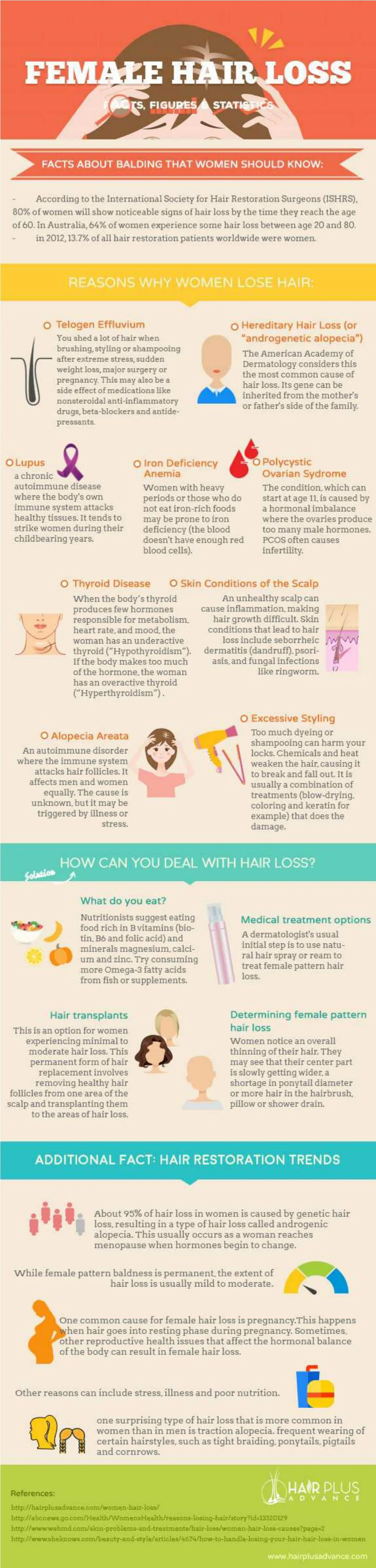
Current scientific consensus in 2026 suggests no direct, causal link between moderate aspartame consumption and hair loss in the general population. While anecdotal reports persist and metabolic byproducts like formaldehyde are often cited as concerns, major health organizations maintain that aspartame is safe within established daily intake limits and is unlikely to be a primary driver of thinning hair.
Understanding the Aspartame Controversy
Aspartame is one of the most rigorously studied food additives in the world. Since its approval by the U.S. Food and Drug Administration (FDA) in 1981, it has faced waves of scrutiny regarding its impact on human health. By 2026, the discussion has shifted from general safety to specific metabolic interactions. Aspartame is a dipeptide sweetener composed of two amino acids: aspartic acid and phenylalanine, with a small amount of methanol released during digestion.
The "fear" surrounding aspartame and hair loss stems largely from the way these three components are processed. Because hair follicles are among the most metabolically active cells in the human body, they are sensitive to chemical changes, nutritional deficiencies, and oxidative stress. When individuals experience unexplained thinning (alopecia) and happen to consume diet sodas or "sugar-free" products, the artificial sweetener becomes a convenient culprit. However, distinguishing between a correlation and a biological cause requires a deeper look at how the body handles these substances.
The Biological Mechanisms: How Aspartame Interacts with the Body
To understand if aspartame can influence hair growth, we must examine its breakdown products. Upon ingestion, aspartame is completely broken down in the small intestine. None of the original sweetener enters the bloodstream; only its metabolites do.
Methanol and Formaldehyde Production
One of the most cited reasons for the "aspartame hair loss" theory is the production of methanol. When the body breaks down aspartame, roughly 10% of the weight is converted into methanol. The liver then metabolizes methanol into formaldehyde, a known toxin, and then into formic acid.
Critics argue that chronic exposure to even low levels of formaldehyde could damage the protein structure of the hair follicle or disrupt the DNA within the follicular bulb. In 2026, toxicological data remains clear: the amount of methanol produced from a standard serving of an aspartame-sweetened beverage is significantly lower than the amount found naturally in many fruits and vegetables, such as tomatoes or citrus juices. If methanol from aspartame were a primary driver of hair loss, one would expect similar results from high fruit consumption, which is not supported by clinical evidence.
Phenylalanine and Amino Acid Imbalance
Phenylalanine is an essential amino acid, but in very high concentrations, it can interfere with the transport of other large neutral amino acids to the brain. Some theorists suggest that an imbalance in amino acids could disrupt the production of keratin, the primary protein in hair.
However, for the average person, the phenylalanine intake from aspartame is negligible compared to that found in common protein sources like eggs, meat, or dairy. The exception is individuals with phenylketonuria (PKU), a rare genetic disorder where the body cannot process phenylalanine. For these individuals, aspartame is dangerous, but the resulting health issues extend far beyond hair thinning to severe neurological damage.
Oxidative Stress and Inflammation
Recent research into "inflammaging" and follicular health has explored whether artificial sweeteners can induce systemic oxidative stress. Oxidative stress occurs when there is an imbalance between free radicals and antioxidants in the body. While some rodent studies have suggested that massive doses of aspartame (far exceeding human consumption) can increase markers of oxidative stress, human clinical trials have generally failed to replicate these findings at standard intake levels.
Examining the Evidence: Regulatory Stance and Clinical Data
The global regulatory landscape provides the most stable foundation for assessing the risk of aspartame. In 2023, the International Agency for Research on Cancer (IARC) classified aspartame as "possibly carcinogenic to humans" (Group 2B). This sparked significant public concern, but it is important to contextualize this classification in 2026.
The WHO and JECFA Findings
Following the IARC report, the Joint FAO/WHO Expert Committee on Food Additives (JECFA) reaffirmed the Acceptable Daily Intake (ADI) of 40 mg/kg of body weight. For a person weighing 70 kg (154 lbs), this equates to approximately 9 to 14 cans of diet soda per day, depending on the aspartame concentration.
JECFA concluded that the data did not provide sufficient evidence of harm to change the safety profile. Regarding hair loss specifically, neither the IARC nor JECFA found any consistent epidemiological evidence linking the sweetener to alopecia. Most reports of hair loss associated with aspartame remain anecdotal, appearing in patient forums and self-reported case studies rather than controlled, peer-reviewed clinical trials.
The Role of Anecdotal Evidence
The volume of anecdotal claims cannot be entirely ignored, but it must be filtered through a medical lens. Many people who consume high amounts of aspartame are often doing so as part of a calorie-restricted diet or a lifestyle change. These factors—caloric restriction and rapid weight loss—are well-documented triggers for Telogen Effluvium, a temporary form of hair loss. In these cases, the person may blame the diet soda when the actual cause is the physiological stress of the diet itself.
Comparing Sweeteners and Health Impacts
To put the risks in perspective, it is helpful to compare aspartame with other common sweeteners and their known side effects.
| Sweetener | Regulatory Status (2026) | Primary Metabolites | Reported Hair Impact |
|---|---|---|---|
| Aspartame | Approved (ADI 40mg/kg) | Aspartic acid, Phenylalanine, Methanol | Anecdotal reports; no clinical proof. |
| Sucralose | Approved (ADI 5mg/kg) | Mostly unabsorbed; chlorinated sugar | Minimal reports; potential gut microbiome shifts. |
| Stevia | GRAS (Generally Recognized as Safe) | Steviol glycosides | Generally considered safe for hair. |
| Saccharin | Approved | Not metabolized; excreted in urine | No established link to hair loss. |
| Sugar (Sucrose) | Limit recommended | Glucose, Fructose | High intake linked to inflammation and glycation, which can damage follicles. |
Why People Think Aspartame Causes Hair Loss
The psychological and physiological overlap between sweetener use and hair health is complex. There are three primary reasons why this "fear" persists in the public consciousness:
- Confirmation Bias: A person noticing hair in the shower drain searches for "diet soda and hair loss." They find a forum with ten other people claiming the same thing. This reinforces the belief, even if the underlying cause is a thyroid issue or iron deficiency.
- The Methanol Ghost: Because methanol is toxic in high doses, the "natural" logic suggests that any amount must be harmful. The body’s highly efficient pathway for neutralizing small amounts of methanol is often overlooked in popular health blogs.
- Hidden Nutritional Deficiencies: Individuals who consume large amounts of diet soda may rely on processed foods that lack zinc, biotin, and vitamin D—all essential for hair health. The aspartame is the most "artificial" thing in their diet, so it becomes the primary suspect for any health ailment.
Identifying the Real Causes of Hair Thinning
If you are experiencing hair loss and consume aspartame, it is vital to rule out more common and scientifically validated causes before assuming the sweetener is the culprit.
Androgenetic Alopecia
Commonly known as male or female pattern baldness, this is the most frequent cause of hair loss. It is genetic and hormonal, driven by the sensitivity of hair follicles to dihydrotestosterone (DHT). No amount of sweetener cessation will reverse genetic balding.
Telogen Effluvium
This is a temporary condition where a large number of hairs enter the resting (telogen) phase simultaneously. It is triggered by:
- High stress or emotional trauma.
- Major surgery or severe illness (e.g., post-viral syndromes).
- Rapid weight loss or extreme dieting.
- Childbirth.
Nutritional Impairment
The hair follicle is a "luxury" tissue. When the body is low on resources, it diverts nutrients away from the hair to vital organs. Deficiencies in ferritin (iron stores), Vitamin D3, Vitamin B12, and Zinc are prolific causes of thinning that are often misdiagnosed as sensitivity to food additives.
Thyroid Dysfunction
Hypothyroidism and hyperthyroidism can both lead to dry, brittle hair and diffuse thinning across the scalp. A simple blood test for TSH (Thyroid Stimulating Hormone) can confirm if the endocrine system is the issue.
Investigating Your Sensitivity: What You Should Do
While the science does not support a broad link, individual bio-individuality means that some people may be more sensitive to certain chemicals than others. If you suspect aspartame is affecting your hair, follow these steps:
- Conduct an Elimination Trial: Remove all aspartame-containing products (diet sodas, sugar-free gums, "light" yogurts) for a period of three to six months. Hair grows slowly; you will not see results in two weeks.
- Monitor Other Symptoms: Does your scalp feel less inflamed? Have headaches or bloating decreased? If hair loss persists after six months without aspartame, the sweetener was likely not the cause.
- Get a Comprehensive Blood Panel: Ask your doctor to check iron levels (specifically ferritin), Vitamin D, Zinc, and your thyroid panel. Addressing a deficiency is the most effective way to restore hair growth.
- Evaluate Your Protein Intake: Since aspartame is often used by those dieting, ensure you are getting enough high-quality protein. Hair is almost entirely made of protein; if your diet is lacking, your hair will be the first to suffer.
Frequently Asked Questions
Is there any new research in 2026 linking aspartame to hair loss?
As of 2026, no major clinical studies have established a direct link. Research continues to focus on the gut microbiome and how artificial sweeteners might indirectly affect systemic health, but the specific connection to the hair follicle remains unsupported by large-scale human data.
Does stopping aspartame make hair grow back?
If your hair loss was actually caused by a nutritional deficiency or stress that occurred at the same time you were consuming aspartame, stopping the sweetener won't necessarily trigger regrowth. However, if you are among the rare individuals with a specific chemical sensitivity, removing the trigger may help reduce systemic inflammation, potentially aiding the environment of the scalp.
Can formaldehyde from aspartame kill hair follicles?
While high-concentration formaldehyde is toxic to cells, the trace amounts produced during the metabolism of a diet soda are effectively processed by the liver and exhaled as carbon dioxide or excreted in urine. There is no evidence that these trace amounts reach the scalp in concentrations high enough to damage follicles.
Are other sweeteners like Stevia safer for hair?
From a follicular standpoint, Stevia is generally considered neutral. It does not produce the same metabolic byproducts (like methanol) as aspartame. However, most experts agree that for hair health, the most important factor is the overall nutrient density of your diet rather than the specific type of non-nutritive sweetener used.
Why did the WHO classify aspartame as "possibly carcinogenic" if it's safe?
The IARC classification looks at the strength of evidence that a substance can cause cancer, not the risk that it will cause cancer at normal levels. The "Group 2B" classification means there is limited evidence in humans. It does not mean that normal consumption is dangerous, which is why the JECFA maintained the current daily intake limits.
Expert Recommendation
If you are concerned about hair loss in 2026, the most effective path forward is to focus on holistic follicular support rather than focusing solely on one food additive. Ensure your diet is rich in amino acids, minerals, and healthy fats. Minimize ultra-processed foods, manage chronic stress through proven methods like exercise or meditation, and consult a board-certified dermatologist or trichologist. While cutting out aspartame is a harmless experiment that may improve your overall perception of health, it is rarely the "silver bullet" for reversing significant hair thinning.