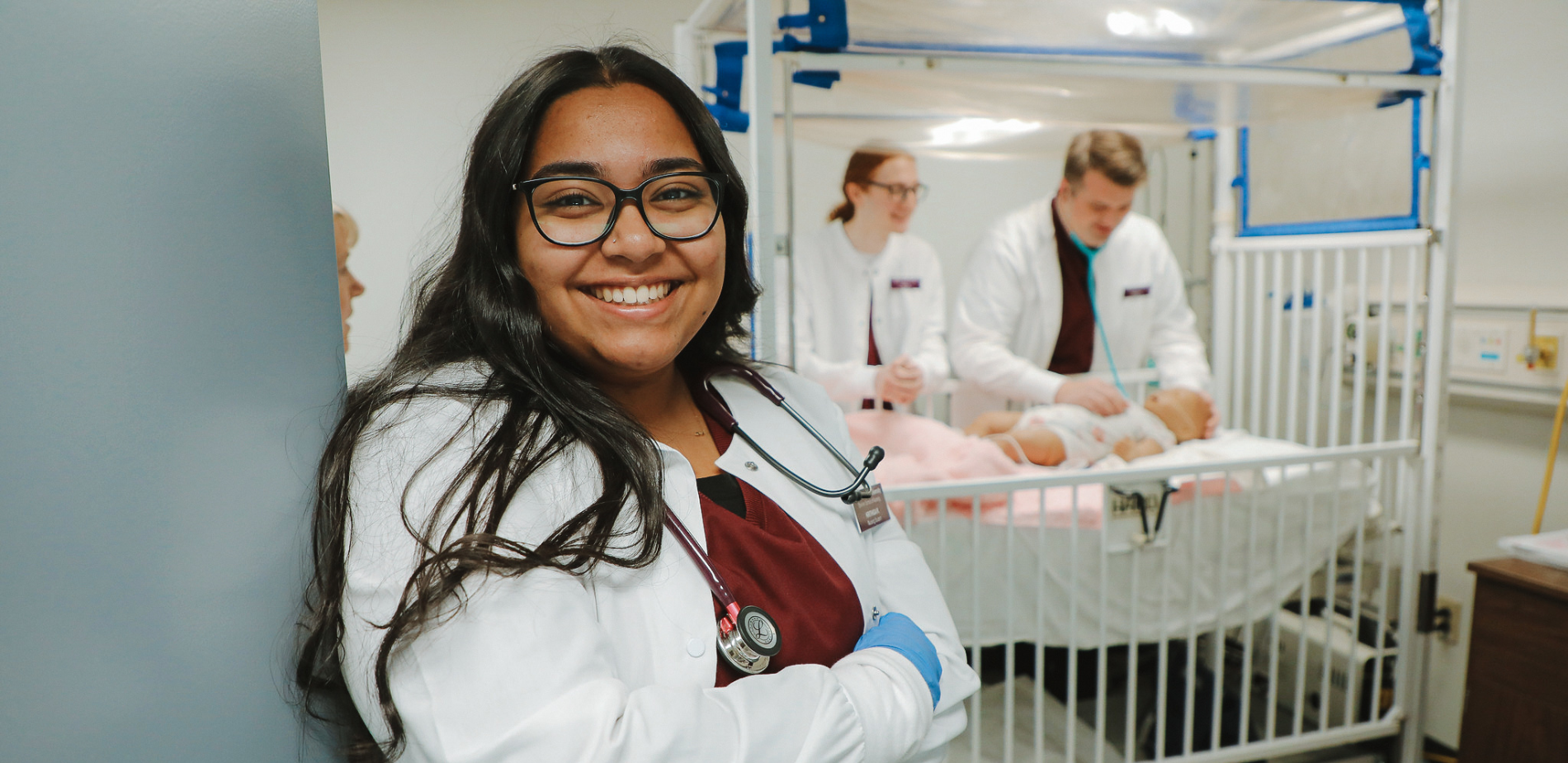
An Associate of Science in Nursing (ASN) is a specialized two-year degree designed to provide the clinical skills and theoretical knowledge required to become a Registered Nurse (RN). Upon completion, graduates are eligible to sit for the NCLEX-RN licensing exam, making it the fastest professional pathway into high-level clinical nursing practice.
For those looking to enter the healthcare field, the ASN represents a strategic balance between academic rigor and speed to market. In 2026, as the demand for nursing professionals continues to outpace the supply, understanding the nuances of these programs is essential for prospective students. This guide breaks down the prerequisites, curriculum structure, costs, and career trajectories associated with the ASN degree.
Understanding the ASN Designation
The Associate of Science in Nursing (ASN) is often used interchangeably with the ADN (Associate Degree in Nursing), but there are subtle academic distinctions. While both lead to RN licensure, an ASN program typically places a heavier emphasis on the sciences and general education requirements that facilitate a smoother transition into a Bachelor of Science in Nursing (BSN) later.
In the 2026 educational landscape, ASN programs are predominantly offered by community colleges, vocational schools, and some four-year universities. The primary objective is to produce "practice-ready" nurses. Unlike broader liberal arts degrees, the ASN is hyper-focused on the technical competencies defined by the National Council of State Boards of Nursing (NCSBN). This includes mastering patient assessment, pharmacology, and the nursing process—a systematic method of providing care that involves assessment, diagnosis, planning, implementation, and evaluation.
Admission Requirements and Prerequisites
Entering an ASN program in 2026 is a competitive process. Most institutions employ a point-based admission system or a weighted ranking to select candidates. Before you can begin the core nursing curriculum, you must complete a series of "pre-clinical" courses.
Core Science Prerequisites
These courses provide the biological foundation for nursing care. Most programs require a grade of "C" or higher, though a "B" or "A" is often necessary to remain competitive:
- Anatomy and Physiology I & II (with labs): Understanding the structure and function of the human body is non-negotiable.
- Microbiology: This course covers pathogens, the immune system, and sterilization techniques—critical for infection control.
- General Chemistry: Necessary for understanding metabolic processes and pharmacology.
General Education and Behavioral Sciences
- English Composition: Nurses must be able to document patient care with precision and clarity.
- Psychology and Human Development: Understanding patient behavior across the lifespan is essential for holistic care.
- Statistics: Modern nursing is evidence-based, requiring a basic understanding of data to interpret clinical research.
Entrance Exams
Most programs require a passing score on a standardized entrance exam. The most common in 2026 are the TEAS (Test of Essential Academic Skills) or the HESI A2. These exams test reading, math, science, and English usage to predict a student's likelihood of success in a rigorous nursing curriculum.
The ASN Curriculum: Theory and Clinical Practice
Once admitted, the program is typically divided into four semesters of intensive study. The curriculum is a hybrid of classroom instruction (theory) and hands-on experience (clinicals).
Theoretical Frameworks
In the classroom, students move from foundational concepts to specialized care. Initial courses focus on the Fundamentals of Nursing, covering basic skills like wound care, medication administration, and vital sign monitoring. As the program progresses, students tackle complex subjects such as:
- Pharmacology: The study of drug actions, side effects, and safe administration protocols.
- Medical-Surgical Nursing: This is the "bread and butter" of nursing, focusing on the care of adults with various acute and chronic illnesses.
- Specialty Nursing: Shorter modules dedicated to Pediatrics, Obstetrics (Maternal-Newborn), and Psychiatric/Mental Health nursing.
Clinical Rotations
Clinical rotations are the cornerstone of the ASN experience. Students are placed in local hospitals, long-term care facilities, and community clinics under the supervision of a clinical instructor or preceptor. In 2026, many programs have integrated High-Fidelity Simulation (HFS). These labs use advanced manikins that can breathe, speak, and react to medication, allowing students to practice high-stakes emergency scenarios in a safe environment before working with actual patients.
Accreditation: Why It Is Mandatory
Not all ASN programs are created equal. Before enrolling, you must verify that the program is accredited by a recognized national body. In the United States, the primary accrediting agency for associate-level nursing programs is the Accreditation Commission for Education in Nursing (ACEN).
Accreditation serves three vital purposes:
- Licensure Eligibility: Most State Boards of Nursing require graduation from an accredited program to sit for the NCLEX-RN.
- Financial Aid: Federal financial aid is generally only available to students attending accredited institutions.
- Educational Mobility: If you plan to earn a BSN or MSN in the future, most universities will not accept transfer credits from a non-accredited ASN program.
Comparing the ASN and BSN Pathways
Prospective nurses often struggle to choose between a two-year ASN and a four-year Bachelor of Science in Nursing (BSN). While both allow you to work as a Registered Nurse, the choice impacts your long-term career ceiling and initial educational investment.
| Feature | Associate of Science in Nursing (ASN) | Bachelor of Science in Nursing (BSN) |
|---|---|---|
| Duration | 2 years (after prerequisites) | 4 years |
| Primary Focus | Technical clinical skills | Research, leadership, and public health |
| Average Cost | $6,000 – $20,000 (Community College) | $40,000 – $100,000+ (University) |
| NCLEX-RN | Graduates take the same exam as BSNs | Graduates take the same exam as ASNs |
| Entry-Level Pay | Usually identical to BSN starters | Usually identical to ASN starters |
| Career Advancement | Limited to bedside/clinical roles | Required for management and advanced practice |
While the ASN is faster and more affordable, many "Magnet" status hospitals—those recognized for nursing excellence—prefer or require a BSN. However, many nurses choose to start with an ASN to enter the workforce quickly and then use employer-sponsored tuition reimbursement to complete an RN-to-BSN bridge program online.
Post-Graduation: The NCLEX-RN and Licensure
Earning your ASN degree is the penultimate step; you are not a "nurse" until you pass the National Council Licensure Examination for Registered Nurses (NCLEX-RN). This computerized adaptive test (CAT) assesses your ability to make safe, competent clinical decisions.
In 2026, the NCLEX focuses heavily on Clinical Judgment. Questions often present a patient scenario and ask the candidate to prioritize care, identify potential complications, or interpret lab results. Once you pass, you apply for a license through your State Board of Nursing. Many states now participate in the Nurse Licensure Compact (NLC), which allows a nurse to have one multi-state license, giving them the ability to practice in other compact states without obtaining additional licenses.
Financial Considerations and Tuition in 2026
The cost of an ASN program varies significantly based on the type of institution. Public community colleges remain the most cost-effective route. In 2026, tuition for a local resident might range from $3,000 to $5,000 per year, excluding books, uniforms, and lab fees. Private vocational schools may charge $30,000 or more for an accelerated version of the same degree.
Students should also budget for "hidden" costs:
- Clinical Requirements: Background checks, drug screens, and immunizations (often totaling $300–$500).
- Equipment: Stethoscopes, scrubs, and specialized footwear.
- Testing Fees: The NCLEX-RN registration fee and state licensing fees.
Financial aid, including Pell Grants and federal student loans, is widely available for ASN students. Additionally, the HRSA Nurse Corps Scholarship Program and various state-level "Workforce Shortage" grants often provide full tuition coverage for students who commit to working in underserved areas after graduation.
The Career Outlook for ASN Graduates
The job market for RNs remains exceptionally strong in 2026. The aging Baby Boomer population and a focus on preventative care continue to drive demand. While some specialized roles in research or education are reserved for those with higher degrees, ASN graduates are the backbone of:
- Acute Care Hospitals: Working in surgical units, emergency departments, and intensive care.
- Long-Term Care: Managing care for residents in nursing homes and assisted living facilities.
- Outpatient Clinics: Assisting with minor procedures and patient education.
- Home Healthcare: Providing skilled nursing care in patients' residences.
Frequently Asked Questions
Can I become a nurse practitioner with an ASN?
No. To become a Nurse Practitioner (NP), you must first earn a BSN, followed by a Master of Science in Nursing (MSN) or a Doctor of Nursing Practice (DNP). However, your ASN is the first step on this ladder. Many NPs started as ASN nurses, gained clinical experience, and then bridged to higher degrees.
Is an ASN degree hard?
ASN programs are notoriously rigorous. The "nursing-heavy" nature of the two-year curriculum means students have a higher credit load and significant clinical hours compared to other associate degrees. Success requires excellent time management and a strong foundation in the sciences.
Can I work while in an ASN program?
Many students work part-time, often as Certified Nursing Assistants (CNAs) or Patient Care Technicians (PCTs). However, working full-time is discouraged due to the demanding schedule of clinical rotations, which often occur on 12-hour shifts during weekends or early mornings.
How do I know if a program is legitimate?
Always check the official website of your State Board of Nursing. They maintain a list of "Approved" programs. If a program is not on that list, you will not be allowed to take the NCLEX-RN after graduation. Additionally, look for ACEN accreditation.
What is the "RN-to-BSN" transition like?
Most ASN graduates eventually pursue a BSN. These programs are usually 100% online and can be completed in 12 to 18 months while working full-time. They focus more on leadership, community health, and research rather than repeating the clinical skills learned in the ASN program.
Final Recommendation
If your primary goal is to enter the nursing workforce as quickly and affordably as possible, the ASN program is your best option. It provides the same foundational clinical training as a BSN and allows you to begin earning a professional salary in half the time.
To begin, your first step should be to visit a local community college and meet with an academic advisor. Request a "degree audit" to see which of your existing credits might transfer and create a timeline for completing your prerequisites. Given the competitive nature of these programs, focusing on achieving a high GPA in your science courses and a strong score on the TEAS exam should be your immediate priority.