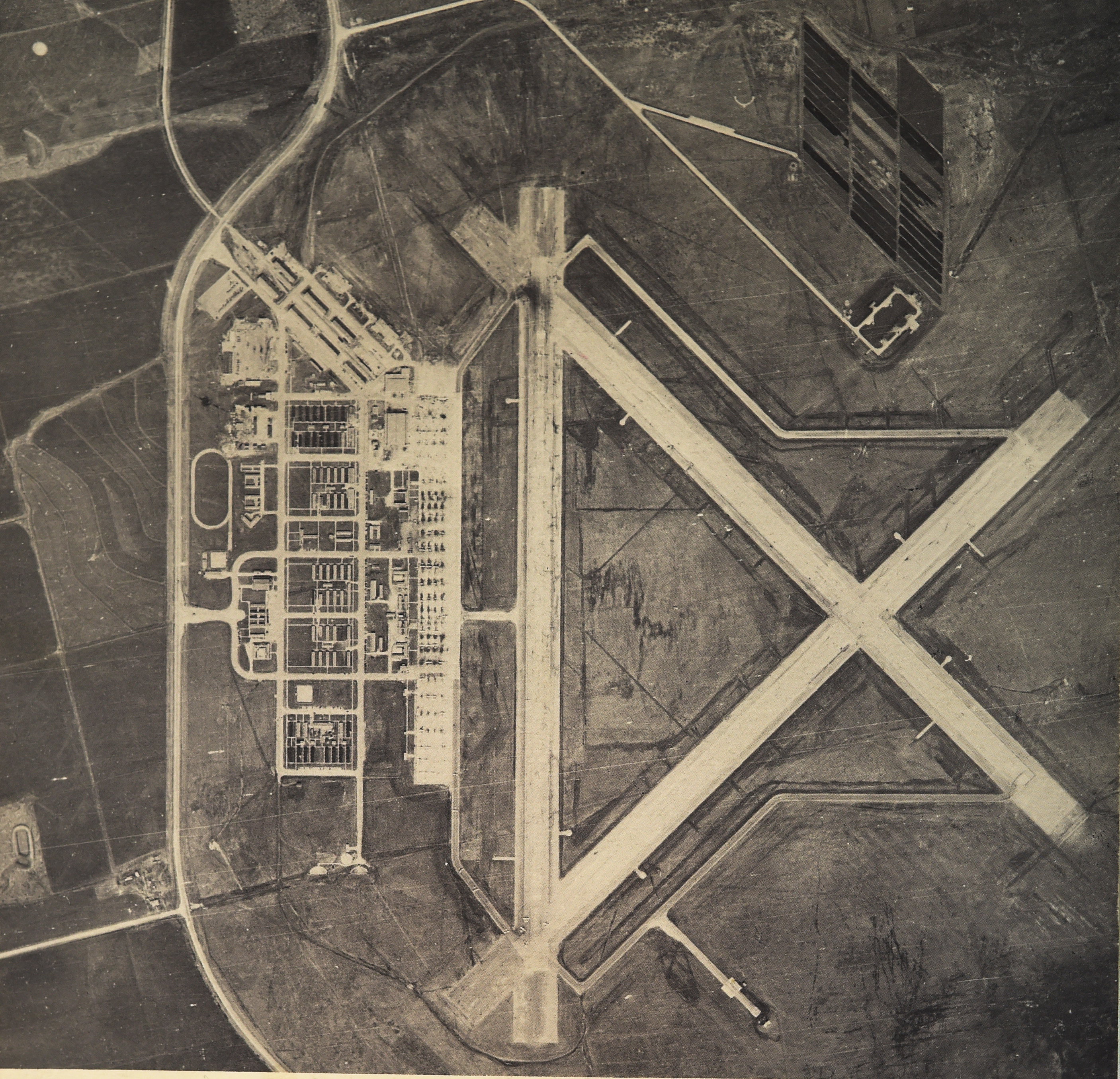
Texas serves as a cornerstone of United States military readiness, hosting some of the largest and most strategically significant Army installations in the world. As of 2026, the state remains the primary hub for armored warfare training, military medicine, and logistical sustainment, centered around major installations like Fort Cavazos, Fort Bliss, and Fort Sam Houston. These bases support tens of thousands of active-duty soldiers, their families, and a vast network of civilian contractors.
Major Active Duty Army Installations in Texas
The Army's presence in Texas is characterized by massive land holdings and highly specialized missions. These installations are not merely barracks; they are self-sustaining cities that drive the local economy and provide the necessary infrastructure for modern multi-domain operations.
Fort Cavazos (Formerly Fort Hood)
Located in Killeen, Texas, Fort Cavazos remains "The Great Place" and one of the largest military installations in the world by land area. Covering more than 218,000 acres, it is the premier training ground for the Army’s heavy armor units.
The installation is the home of the III Armored Corps and the 1st Cavalry Division. In 2026, the base continues to lead the Army's modernization efforts, particularly in the integration of unmanned ground vehicles and advanced electronic warfare suites within its armored brigades. The vast maneuver areas allow for full-scale live-fire exercises that are impossible at smaller installations.
For families and personnel, Fort Cavazos offers extensive services, including the Carl R. Darnall Army Medical Center. The base has seen significant housing infrastructure upgrades over the last three years, focusing on energy-efficient "Smart Homes" for junior enlisted families. Its strategic location between Austin and Waco makes it a central pillar of the Texas military landscape.
Fort Bliss
Situated in El Paso, Fort Bliss is the home of the 1st Armored Division (Old Ironsides). While the base itself is located in the westernmost tip of Texas, its training ranges extend far into New Mexico, covering over 1.1 million acres. This makes Fort Bliss the Army's largest maneuver area, surpassing even Fort Irwin's National Training Center in total contiguous acreage.
The mission at Fort Bliss is focused on high-intensity conflict and desert warfare. In 2026, the installation serves as a primary testing site for long-range precision fires and integrated air and missile defense systems. The environment is uniquely suited for simulating large-scale combat operations in arid climates.
The relationship between Fort Bliss and the city of El Paso is deeply integrated. Unlike many bases that are isolated from their host cities, Fort Bliss is physically woven into the El Paso urban fabric. This proximity provides soldiers and families with access to robust off-post housing, diverse cultural experiences, and significant employment opportunities for military spouses.
Fort Sam Houston (Joint Base San Antonio)
As part of Joint Base San Antonio (JBSA), Fort Sam Houston is arguably the most historic and specialized Army base in Texas. It is widely recognized as the "Home of Army Medicine" and the "Home of the Combat Medic."
The installation houses the U.S. Army Medical Center of Excellence (MEDCoE), where every combat medic in the Army receives their initial training. Furthermore, it is the site of the Brooke Army Medical Center (BAMC), the Department of Defense’s largest facility and only Level 1 Trauma Center in the United States. BAMC is world-renowned for its burn center and prosthetic research, providing care for both military personnel and the local civilian population in South Texas.
In 2026, Fort Sam Houston also serves as the headquarters for U.S. Army North (ARNORTH) and U.S. Army South (ARSOUTH). These commands are responsible for homeland defense and cooperation with partner nations in Central and South America, respectively. The base’s architecture is a mix of designated National Historic Landmarks and state-of-the-art medical research laboratories.
Specialized Army Depots and Logistics Hubs
Beyond the maneuver units, Texas is home to critical industrial facilities that ensure the Army’s equipment remains combat-ready. These depots are essential for the "Sustainment" warfighting function.
Red River Army Depot
Located near Texarkana, the Red River Army Depot (RRAD) is the center of excellence for heavy tactical wheeled vehicles and Small Emplacement Excavators. Spanning over 15,000 acres, the depot is responsible for the reset, repair, and recapitalization of Mine-Resistant Ambush Protected (MRAP) vehicles and the High Mobility Multipurpose Wheeled Vehicle (HMMWV) fleet.
In 2026, RRAD has expanded its mission to include the maintenance of the Next-Generation Squad Weapon systems and the latest iterations of autonomous logistics platforms. The depot employs thousands of skilled civilian technicians and serves as a vital economic engine for Northeast Texas.
Corpus Christi Army Depot (CCAD)
The Corpus Christi Army Depot, located on Naval Air Station Corpus Christi, is the world’s largest rotary-wing repair and overhaul facility. It is the primary site for the maintenance of the Army’s helicopter fleet, including the UH-60 Black Hawk, AH-64 Apache, and CH-47 Chinook.
CCAD is unique because of its "organic industrial base" status, meaning it maintains the capability to rebuild aircraft from the frame up. In the 2026 fiscal year, the depot has seen increased investment in additive manufacturing (3D printing) to produce obsolete parts, significantly reducing the downtime for aging aircraft frames while supporting the transition to Future Vertical Lift (FVL) platforms.
Texas Army National Guard and Reserve Sites
While active-duty bases receive much of the attention, the Army National Guard and Army Reserve maintain a massive footprint across Texas. These sites are essential for mobilizing "citizen-soldiers" during state emergencies or federal deployments.
- Camp Mabry: Located in Austin, Camp Mabry serves as the headquarters for the Texas Military Department. It houses the Texas Adjutant General’s office and the Texas Military Forces Museum. It is a key coordination hub for state-level disaster response, such as hurricane relief or border security operations.
- Camp Swift: Situated near Bastrop, this facility provides a primary training ground for National Guard units. It features small arms ranges, maneuver areas, and a tactical aircraft landing strip.
- Camp Bowie: Located in Brownwood, Camp Bowie offers approximately 9,000 acres of training space used for annual training periods and pre-deployment certification for Reserve and Guard units.
Operational Comparison of Major Texas Army Installations
The following table provides a quick reference for the primary missions and major units associated with the key Army installations in Texas as of 2026.
| Installation | Location | Primary Mission | Key Units / Entities |
|---|---|---|---|
| Fort Cavazos | Killeen | Armored Maneuver & Training | III Armored Corps, 1st Cavalry Division |
| Fort Bliss | El Paso | Heavy Armor & Missile Defense | 1st Armored Division, 32nd AAMDC |
| Fort Sam Houston | San Antonio | Military Medicine & Command | MEDCoE, BAMC, Army North, Army South |
| Red River Army Depot | Texarkana | Vehicle Maintenance & Logistics | TACOM Life Cycle Management Command |
| Corpus Christi Army Depot | Corpus Christi | Aviation Repair & Overhaul | AMCOM, Rotary Wing Maintenance |
| Camp Mabry | Austin | State HQ & Mobilization | Texas National Guard, Texas State Guard |
PCSing to Texas: Infrastructure and Quality of Life
For soldiers receiving orders for a Permanent Change of Station (PCS) to a Texas Army base, the state offers a distinct set of advantages and challenges. Texas is generally considered a military-friendly state, with no state income tax and robust veteran benefits.
Housing and Cost of Living
In 2026, the Basic Allowance for Housing (BAH) in Texas has seen adjustments to keep pace with the growing real estate markets in the "Texas Triangle" (Dallas, Houston, San Antonio/Austin).
- Killeen/Fort Cavazos: Generally remains the most affordable of the major active-duty locations, with a wide variety of off-post housing in surrounding communities like Harker Heights and Copperas Cove.
- El Paso/Fort Bliss: Offers a unique market where many soldiers choose to purchase homes due to historically stable appreciation and a high supply of newer constructions in the East El Paso and Northeast areas.
- San Antonio/Fort Sam Houston: The market is significantly more competitive. Personnel often look toward the northern suburbs or areas near Universal City (closer to Randolph AFB) for housing, as the areas immediately surrounding Fort Sam Houston are densely populated.
Education and Employment for Families
Texas has implemented several initiatives to support military families. The Military Interstate Children’s Compact Commission (MIC3) ensures that students transitioning between states do not face delays in enrollment or graduation requirements. Additionally, the state has streamlined professional licensing for military spouses in fields such as nursing, teaching, and cosmetology, making it easier for families to maintain dual incomes upon arrival.
Strategic Importance of the Texas Army Footprint
The concentration of Army power in Texas is not accidental. The state’s geography provides an unparalleled variety of training environments—from the humid coastal plains near Corpus Christi to the rugged, high-altitude desert of El Paso and the rolling hills of Central Texas.
Strategically, these bases are linked by the "Texas Strategic Infrastructure Corridor." This involves a network of rail and interstate highways that allow for the rapid movement of heavy equipment from Fort Cavazos and Fort Bliss to the Port of Beaumont and the Port of Corpus Christi. In a 2026 readiness context, this ability to deploy an entire armored division from the heart of Texas to a global theater of operations remains a cornerstone of the U.S. National Defense Strategy.
Furthermore, the integration of Army bases with Texas’s burgeoning tech sector (particularly in Austin and San Antonio) has fostered new partnerships. The Army Futures Command, headquartered in Austin, leverages the proximity to these bases to conduct real-world testing of new technologies with active-duty units, shortening the feedback loop between developers and soldiers.
Frequently Asked Questions
What is the largest Army base in Texas?
By land area within the state of Texas, Fort Cavazos (formerly Fort Hood) is the largest, covering over 218,000 acres. However, Fort Bliss in El Paso controls a larger total training area (over 1.1 million acres) when including its ranges that extend into New Mexico.
Which Army base in Texas handles medical training?
Fort Sam Houston, located in San Antonio, is the primary center for all Army medical training. It houses the Medical Center of Excellence (MEDCoE) and Brooke Army Medical Center (BAMC), the DOD's flagship medical facility.
Are there Army bases in Texas that focus on aviation?
Yes, the Corpus Christi Army Depot (CCAD) is the Army’s premier facility for helicopter repair and overhaul. While it is located on a Naval Air Station, its mission is almost entirely dedicated to Army aviation assets like the Apache and Black Hawk.
How many active-duty Army bases are in Texas?
Texas currently hosts three major active-duty maneuver and command installations: Fort Cavazos, Fort Bliss, and Fort Sam Houston. It also hosts two major Army depots: Red River and Corpus Christi. This does not include numerous National Guard and Reserve centers.
Can civilians visit Army bases in Texas?
Access to Army bases is generally restricted to personnel with a Common Access Card (CAC), military dependents with valid ID, or retirees. However, civilians can often visit specific areas like museums (e.g., the 1st Cavalry Division Museum at Fort Cavazos) by obtaining a temporary visitor's pass at the installation’s visitor control center, subject to a background check.
Next Actions for Personnel and Families
If you are a service member or family member preparing for a move to a Texas Army base in 2026, your first step should be to contact the Installation Transition Office or the Relocation Readiness Program at your current duty station.
For those moving to Fort Cavazos or Fort Bliss, prioritize securing on-post housing or researching off-post rentals at least six months in advance, as waitlists can fluctuate based on brigade deployment cycles. For those heading to Fort Sam Houston, familiarize yourself with the Joint Base San Antonio (JBSA) unified resource portal, which centralizes services across the different base locations in the San Antonio area.
The U.S. Army Official Website and the specific installation sites (e.g., home.army.mil/bliss or home.army.mil/cavazos) provide the most current information on gate closures, housing office hours, and local school district partnerships.