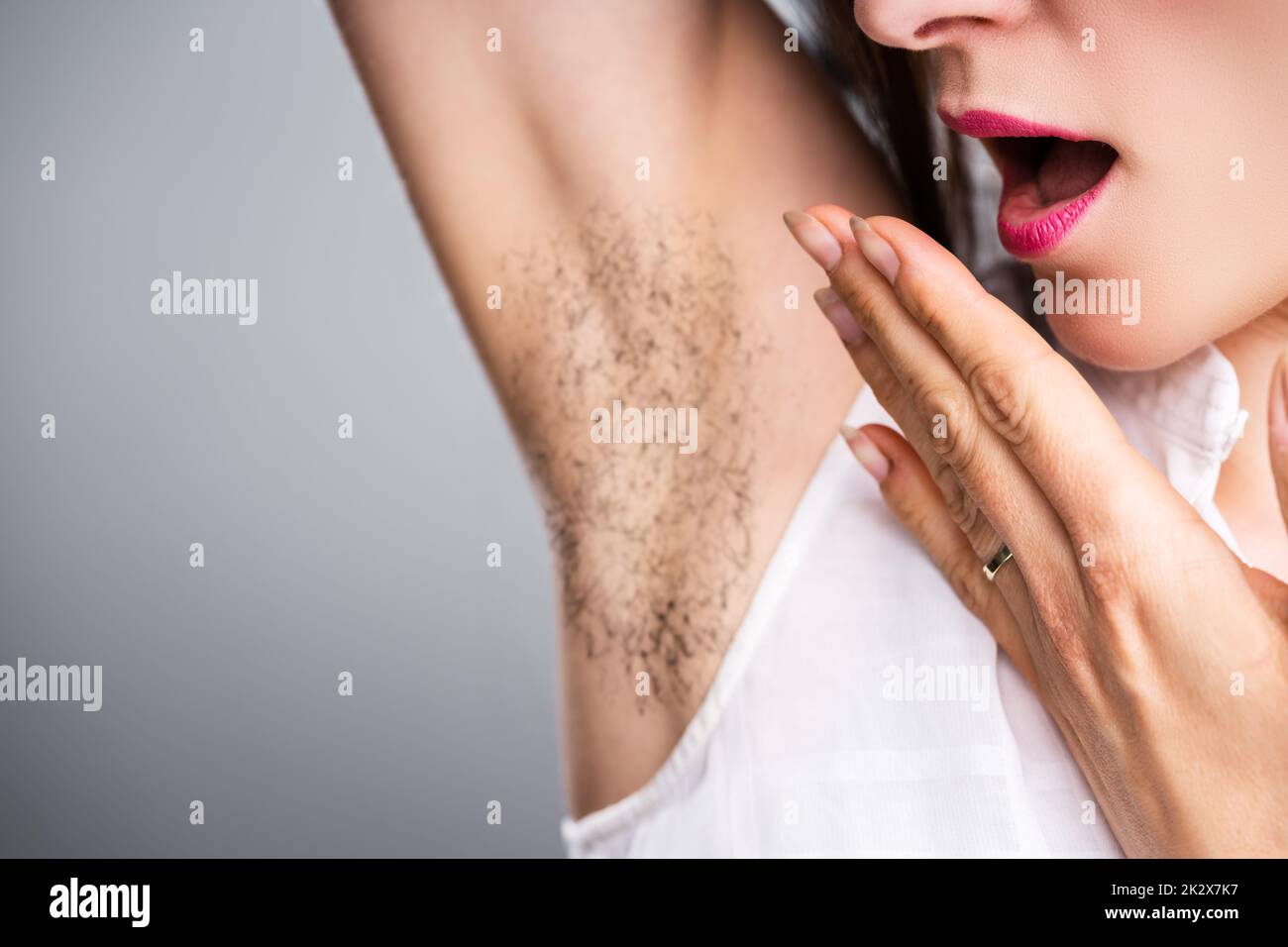
Armpit hair on a woman, known biologically as axillary hair, is a natural secondary sexual characteristic that serves several physiological purposes, including friction reduction and the dispersal of pheromones. While societal norms regarding its presence or removal have fluctuated significantly over the last century, in 2026, the choice to maintain or remove it is increasingly viewed through the lenses of personal autonomy, skin health, and individual style rather than strict social obligation.
The Biological Purpose of Axillary Hair
To understand the presence of armpit hair, one must first look at human physiology. Axillary hair typically begins to appear during puberty, triggered by an increase in androgens (hormones) in both females and males. It is not an evolutionary "leftover" without purpose; rather, it serves three primary functions that have historically aided human survival and comfort.
Friction Reduction and Skin Protection
One of the most practical roles of armpit hair is to act as a natural barrier. The axilla (the anatomical term for the armpit) is a high-friction area where the arm constantly rubs against the torso. Without hair, skin-on-skin contact in this warm, moist environment can lead to intertrigo—an inflammatory condition caused by friction, heat, and moisture. The hair allows the skin to glide more easily, preventing chafing and reducing the likelihood of skin breakdowns or infections.
Thermoregulation and Moisture Management
The armpit is home to a high concentration of apocrine sweat glands. Unlike eccrine glands, which produce a watery sweat for cooling, apocrine glands produce a thicker fluid containing proteins and lipids. Armpit hair helps to wick this moisture away from the skin, facilitating evaporation. In 2026, dermatologists continue to emphasize that while hair can trap sweat, its presence actually helps regulate the microclimate of the underarm by preventing the buildup of liquid sweat directly against the skin surface.
Pheromone Signaling
Biologically, axillary hair increases the surface area for the dispersal of pheromones. These chemical signals are produced by the apocrine glands and are thought to play a role in human social and reproductive signaling. By trapping these secretions, the hair allows odors to linger and dissipate slowly, which, in an evolutionary context, helped identify individuals and signal hormonal status.
A History of Cultural Perspectives
The perception of armpit hair on women has shifted dramatically across different eras and geographies. While many modern Western cultures emphasize hair removal, this was not always the standard.
The Rise of the Hairless Aesthetic
In the early 20th century, specifically around 1915, a significant cultural shift occurred in North America. The fashion industry began producing sleeveless gowns, and companies like Gillette saw an opportunity to expand their market. An iconic advertisement in Harper’s Bazaar described underarm hair as "objectionable" and a "personal problem." This marketing campaign successfully linked hairlessness with femininity, hygiene, and upper-class status, creating a standard that persisted for decades.
Movement Toward Body Autonomy
By the late 20th and early 21st centuries, movements such as "Januhairy" and various feminist waves began to challenge these norms. In 2026, the global perspective is more fragmented. Many women choose to grow their hair as a statement of body positivity or simply for personal comfort. Celebrities and influencers have further normalized visible body hair, shifting the conversation from "hygiene" to "choice."
Health and Hygiene Considerations
A common misconception is that armpit hair is inherently unhygienic. Scientifically, hair itself is not dirty; however, it can influence the microbiome of the underarm.
Odor and Bacteria
Body odor is not caused by sweat itself but by the breakdown of sweat by bacteria, specifically Corynebacterium and Staphylococci. Because hair provides more surface area, it can harbor more bacteria and trap the odor-causing byproducts of sweat. However, regular washing with soap and water effectively manages this, regardless of whether hair is present. Some women find that keeping hair trimmed rather than completely shaved offers a balance between friction protection and odor control.
Skin Irritation and Conditions
Removing hair can sometimes cause more health issues than leaving it. Common problems include:
- Folliculitis: Inflammation of the hair follicle, often caused by bacterial or fungal infections after shaving.
- Pseudofolliculitis Barbae: More commonly known as ingrown hairs, where the hair curves back and grows into the skin.
- Hyperpigmentation: Frequent shaving can cause chronic irritation, leading to a darkening of the underarm skin.
Managing Armpit Hair: Modern Techniques in 2026
For women who choose to manage or remove their axillary hair, several methods exist, each with specific technical requirements and outcomes.
Shaving
Shaving remains the most common method due to its low cost and ease. To minimize damage, it is essential to use a sharp blade and a lubricating cream. Shaving should always be done in the direction of hair growth first to reduce irritation, though many shave against the grain for a smoother finish.
Waxing and Sugaring
These methods involve pulling the hair from the root. Waxing uses resin-based products, while sugaring uses a natural paste made of sugar, lemon, and water. These methods provide longer-lasting results (3-6 weeks) and can lead to finer hair regrowth over time. However, they carry a higher risk of ingrown hairs if proper exfoliation is not maintained.
Laser Hair Removal and IPL
Laser hair removal uses concentrated light to damage the hair follicle. In 2026, advancements in laser technology have made it safer for a wider range of skin tones (using Nd:YAG lasers for darker skin) and hair colors. Intense Pulsed Light (IPL) is a similar but less targeted approach often used in at-home devices. These methods offer semi-permanent to permanent reduction but require multiple sessions and a higher upfront financial investment.
Trimming and Dyeing
For women who choose to keep their hair but want to manage its appearance, trimming with electric shears provides a neat look without the risk of razor burn. Additionally, "pit dyeing" has become a niche fashion trend, where axillary hair is bleached and dyed in vibrant colors as a form of self-expression.
Comparing Hair Removal Methods
The following table summarizes the most common approaches to managing armpit hair as of 2026.
| Method | Duration of Results | Pain Level | Average Cost (2026) | Primary Risk |
|---|---|---|---|---|
| Shaving | 1–3 Days | Low | $5–$15/month | Razor burn, nicks |
| Waxing | 3–6 Weeks | High | $30–$60/session | Ingrown hairs, burns |
| Sugaring | 3–6 Weeks | Moderate | $40–$70/session | Skin sensitivity |
| Epilating | 2–4 Weeks | High | $50–$150 (device) | Folliculitis |
| Laser | Permanent/Long-term | Moderate | $150–$300/session | Pigment changes |
| Depilatory Creams | 3–7 Days | Low | $10–$20/bottle | Chemical burns |
Addressing Common Concerns and FAQs
Does armpit hair make you smell worse?
Armpit hair itself does not have a scent. However, it provides a surface for odor-causing bacteria to thrive and can trap the secretions from apocrine glands. If you maintain good hygiene by washing daily with an antibacterial or pH-balanced cleanser, the presence of hair does not inherently make you "smell worse." Many find that using a natural deodorant is more effective when the hair is trimmed or removed, as the product can reach the skin more easily.
Does shaving make the hair grow back thicker?
This is a persistent myth. Shaving cuts the hair at the surface of the skin, leaving a blunt edge. When that hair begins to grow out, the blunt tip feels coarser or "prickly" compared to the naturally tapered end of a new hair. It does not change the actual thickness, color, or rate of growth of the hair, which is determined by genetics and hormones.
Is it unprofessional to have armpit hair in 2026?
Professional standards have evolved significantly. In most modern corporate and creative environments, personal grooming choices are protected under broader inclusivity and body autonomy guidelines. Unless there is a specific safety or sanitary requirement (such as in certain food preparation or medical roles where all body hair must be covered), armpit hair is generally seen as a personal choice.
How can I prevent ingrown hairs if I choose to shave?
Prevention starts with exfoliation. Using a gentle chemical exfoliant (like salicylic acid) or a physical scrub 24 hours before shaving helps remove dead skin cells that trap hairs. Always use a clean, sharp razor and avoid passing over the same area multiple times. Applying a soothing, fragrance-free moisturizer or an after-shave balm designed for sensitive skin can also reduce inflammation.
Why does my armpit skin look dark?
Darkening of the underarm skin, or hyperpigmentation, can be caused by several factors. Frequent shaving causes "micro-trauma" to the skin, which may respond by producing more melanin. Other causes include acanthosis nigricans (often linked to insulin resistance) or a reaction to certain deodorant ingredients like aluminum or fragrance. If the darkening is velvety or sudden, consulting a healthcare professional is recommended.
Dermatological Advice and Best Practices
Whether you choose to embrace your natural hair or opt for total removal, skin health should remain the priority. The skin in the axillary region is thin and sensitive, making it prone to allergic reactions and infections.
- Patch Test Products: Before using a new deodorant, depilatory cream, or wax, test it on a small patch of skin to check for allergic contact dermatitis.
- Respect the Barrier: If you experience redness, itching, or bumps, pause all hair removal activities. The skin barrier needs time to repair itself.
- Consult a Professional: For persistent issues like Hidradenitis Suppurativa (a chronic skin condition featuring painful lumps in the armpits), seek advice from a board-certified dermatologist. According to the Mayo Clinic, early intervention is key to managing chronic underarm skin conditions.
In 2026, the discussion around armpit hair on a woman has largely moved past the "is it right or wrong" stage and into a more nuanced understanding of biological function and personal preference. Whether for comfort, health, or aesthetics, the modern woman has more tools and social support than ever to manage her body hair—or lack thereof—on her own terms.
Next Action: If you are considering a change in your grooming routine, start by assessing your skin sensitivity. If you have frequent irritation, try switching to a single-blade razor or a professional sugaring service, and always prioritize moisturizing the area to maintain the skin's integrity.