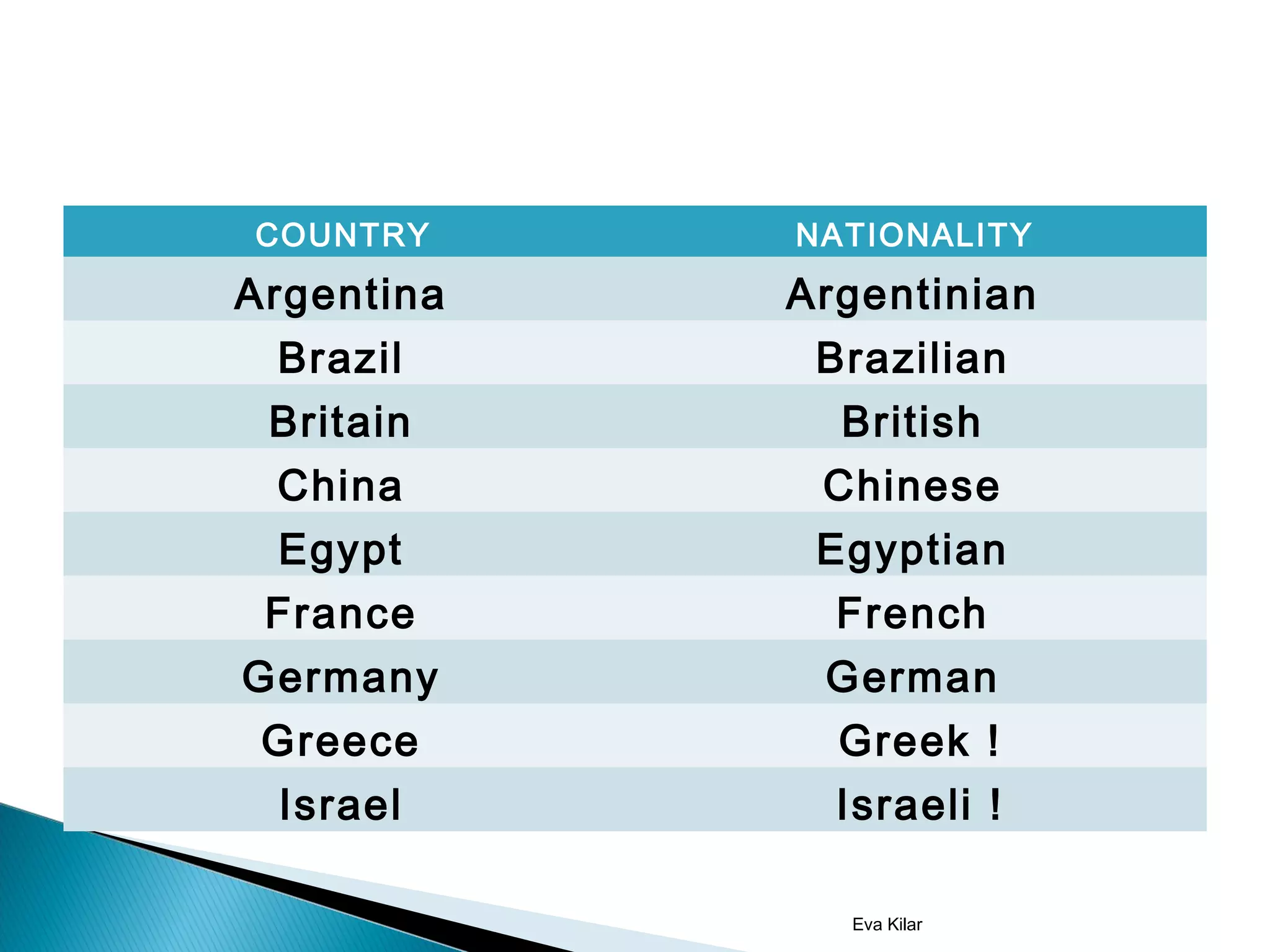
Argentina’s nationality laws are among the most inclusive in the world, primarily based on the principle of jus soli (right of the soil). Anyone born on Argentine territory is automatically a native citizen. Additionally, the law provides pathways for citizenship by option for children of natives born abroad and a judicial naturalization process for foreign residents.
In 2026, Argentina continues to stand out globally for its unique legal stance on the "irrenunciabilidad" (unrenounceability) of nationality. Unlike many other nations, once you acquire Argentine nationality, the legal bond with the state is considered permanent. This guide explores the complexities of Argentine nationality, the legal frameworks governing it, and the specific procedures for acquisition and maintenance.
The Legal Pillars of Argentine Nationality
The legal framework for Argentine nationality is anchored in the National Constitution and Law 346, which has remained the cornerstone of citizenship rights since 1869. The philosophy behind these laws reflects Argentina’s historical identity as a "melting pot" nation, designed to encourage immigration and the integration of diverse populations.
There are three primary categories of nationality in Argentina:
- Native Nationality (Nativos): Derived from the place of birth.
- Nationality by Option (Por Opción): For children of native Argentines born outside the country.
- Nationality by Naturalization (Naturalizados): For foreigners who choose to become Argentine citizens after fulfilling residency requirements.
While many people use the terms "nationality" and "citizenship" interchangeably, in the Argentine legal context, they carry distinct nuances. Nationality refers to the sociological and legal bond between a person and the state, while citizenship (ciudadanía) refers specifically to the exercise of political rights, such as the right to vote and hold public office. Under current 2026 regulations, all three categories eventually lead to full citizenship rights, though the requirements for obtaining them differ significantly.
Native Nationality: The Power of Jus Soli
The principle of jus soli is absolute in Argentina. According to Article 75 of the Constitution and Law 346, any person born within the territory of the Argentine Republic is a native Argentine, regardless of the nationality of their parents.
This jurisdiction extends beyond the mainland to include:
- Argentine territorial waters.
- Argentine airspace.
- Argentine flagged vessels and aircraft in international waters or airspace.
- Argentine embassies and consulates abroad (considered an extension of territory for specific legal purposes).
The only exception to this rule applies to the children of foreign ministers and diplomats residing in Argentina in their official capacity. In these rare cases, the child is not automatically granted Argentine nationality by birth unless the parents choose to register them as such. For everyone else, the mere fact of birth on Argentine soil confers an irrevocable right to nationality.
Nationality by Option: Bridging the Diaspora
Nationality by option is a mechanism designed for the children of native-born Argentines who are born in foreign countries. This ensures that the Argentine identity can be preserved across generations, even for families living abroad.
To exercise this option in 2026, the individual (or their legal guardians if they are a minor) must prove the parent's native Argentine status through a birth certificate. The process can be completed at Argentine consulates abroad or at the Registro Nacional de las Personas (RENAPER) within Argentina.
Key characteristics of Nationality by Option:
- Retroactivity: Once the option is exercised, the individual is legally considered a native Argentine from the moment of their birth, not from the date of the application.
- No Residency Requirement: Unlike naturalization, the applicant does not need to have lived in Argentina to claim nationality by option.
- Documentation: Requires the parent's Argentine birth certificate and the applicant’s legalized/apostilled foreign birth certificate.
The Naturalization Process: A Judicial Pathway
Argentina offers one of the fastest routes to naturalization in the world. Foreigners can apply for Argentine nationality after only two years of continuous and documented residency in the country.
Crucially, naturalization in Argentina is a judicial process, not an administrative one. This means that instead of applying through an immigration office (DNM), applicants must file a case before a Federal Judge. The judiciary, rather than the executive branch, determines eligibility based on the law.
Requirements for Naturalization in 2026
To qualify for naturalization, an applicant must satisfy several criteria:
- Age: Must be 18 years or older.
- Residency: Two years of uninterrupted residence in Argentina, certified by the Dirección Nacional de Migraciones (DNM).
- Legal Capacity: The applicant must show they have the means to support themselves (employment, pension, or independent income).
- Criminal Record: A clean record is required, both in Argentina and in the applicant's country of origin (and any country where they resided for more than a year in the last five years).
- Language Proficiency: A basic understanding of the Spanish language, sufficient for daily communication and understanding the Constitution.
The two-year residency requirement can be waived in specific circumstances, such as marrying an Argentine citizen, having an Argentine child, or performing significant services to the Republic (scientific, cultural, or industrial).
Steps in the Judicial Process
- Initial Filing: The applicant submits a petition to the Federal Civil and Commercial Court.
- Publication of Edicts: The court may require the publication of the application in a local newspaper to allow for any legal objections.
- Reports and Clearances: The court requests reports from Interpol, the Federal Police, and the Intelligence Secretariat to verify the applicant’s background.
- Oath of Allegiance: Once the judge approves the petition, the applicant takes an oath to uphold the Argentine Constitution.
- Issuance of the Letter of Citizenship: The final court decree (Carta de Ciudadanía) is issued, which the applicant then takes to RENAPER to obtain their new National Identity Document (DNI) as an Argentine citizen.
The Principle of Irrenunciabilidad
One of the most distinct features of Argentine nationality is that it is unrenounceable. According to the Argentine Supreme Court's interpretation of Law 346, the bond of nationality is a public order matter that cannot be broken by the simple will of the individual.
This has profound implications for dual and multiple citizenship. While Argentina allows its citizens to hold other nationalities, it does not recognize a "renunciation" of Argentine nationality made before a foreign authority. If an Argentine citizen attempts to renounce their nationality to acquire another (as required by countries like Japan or formerly Germany), the Argentine state still considers them a citizen for all legal purposes within its jurisdiction.
This principle ensures that an Argentine citizen can never be rendered stateless. However, it can create diplomatic complexities if a citizen is in a country that does not recognize dual nationality.
Comparison of Nationality Categories
The following table outlines the key differences between the three paths to Argentine nationality.
| Feature | Native Nationality | Nationality by Option | Naturalized Nationality |
|---|---|---|---|
| Legal Basis | Jus Soli (Birth on soil) | Jus Sanguinis (Parentage) | Residency & Choice |
| Primary Requirement | Born in Argentina | Child of a native parent | 2 years residency |
| Process Type | Automatic at birth | Administrative/Consular | Judicial (Federal Court) |
| Renounceable? | No | No | No (once acquired) |
| Political Rights | Immediate upon age 16 | Immediate upon age 16 | Immediate upon grant |
| Eligible for Presidency? | Yes | Yes | No (requires native status) |
| Passport Access | Yes | Yes | Yes |
Dual Nationality and International Agreements
Argentina is highly permissive regarding dual nationality. It does not require foreigners to renounce their original citizenship to become Argentine. Furthermore, Argentina has signed specific Bilateral Citizenship Agreements with several countries, most notably Spain and Italy.
These agreements facilitate the maintenance of both nationalities and clarify obligations such as military service or tax residency. For example, an Argentine-Spanish dual citizen may exercise the rights of whichever nationality is associated with their current domicile.
Mercosur Benefits
Being an Argentine national provides significant advantages within the Mercosur (Southern Common Market) bloc. Argentine citizens have the right to:
- Travel across member states (Brazil, Uruguay, Paraguay) using only their DNI (ID card), without a passport.
- Access a simplified residency process in other member states under the Mercosur Residency Agreement.
- Work and study in neighboring countries with fewer administrative hurdles than non-Mercosur nationals.
Rights and Obligations of Argentine Nationals
Possessing Argentine nationality grants a comprehensive suite of rights, but it also carries specific legal obligations.
Rights
- Unrestricted Entry and Exit: Nationals can never be denied entry to the country or deported.
- Political Participation: The right to vote is mandatory for citizens aged 18 to 70 and optional for those 16–17 and over 70.
- Consular Protection: Access to Argentine diplomatic assistance when traveling or living abroad.
- Economic Rights: Full access to property ownership, social security, and public education.
Obligations
- Compulsory Voting: Unlike many countries where voting is a choice, it is a legal duty for Argentine citizens residing in the country.
- Defense of the Constitution: Citizens are expected to uphold the democratic order.
- Identification: Nationals must keep their National Identity Document (DNI) updated.
Common Challenges and Troubleshooting
While the path to Argentine nationality is relatively straightforward, applicants often encounter hurdles during the judicial process for naturalization.
Delays in the Judicial System
Because the process is handled by federal courts, the timeline can vary wildly depending on the court's workload. In 2026, the average processing time for naturalization ranges from 12 to 24 months. Delays are frequently caused by slow responses from security agencies regarding background checks.
"Continuous Residence" Interpretation
The law requires "continuous" residency, but this does not mean the applicant can never leave the country. Short trips for tourism or family reasons are generally permitted. However, spending more than 90 days abroad in a single year during the two-year qualifying period may lead a judge to rule that the residency was "interrupted," resetting the clock.
Economic Proof
Applicants must provide evidence of a legal "means of subsistence." This can be challenging for digital nomads or those working in the informal economy. Providing tax records (Monotributo), bank statements, or employment contracts is essential to satisfying the court’s requirement.
Frequently Asked Questions
Can I get Argentine nationality through marriage?
Marriage to an Argentine citizen does not grant nationality automatically, but it does allow you to bypass the two-year residency requirement. You can apply for naturalization immediately after marriage, provided you are living in Argentina.
Does Argentina allow triple nationality?
Yes. Argentine law does not limit the number of other nationalities a person may hold. As long as the other countries' laws permit it, an individual can be a citizen of Argentina and multiple other nations simultaneously.
Is the Argentine passport strong for travel?
As of 2026, the Argentine passport remains one of the strongest in Latin America, providing visa-free or visa-on-arrival access to over 170 countries, including the European Schengen Area, the United Kingdom, and many parts of Asia.
Can my Argentine citizenship be revoked?
Native and "by option" nationalities can never be revoked. Naturalized citizenship can only be revoked in extremely rare cases, such as if it is proven that the citizenship was obtained through fraud or false documentation during the judicial process. It cannot be revoked for political reasons or criminal convictions.
What is the cost of the naturalization process?
While the judicial process itself does not have a high official "fee," there are costs associated with legalized translations of foreign documents, the publication of edicts, and potentially attorney fees if the applicant chooses to be represented by counsel (though an attorney is not strictly required by law).
Practical Recommendations for Applicants
For those seeking to navigate the landscape of Argentine nationalities in 2026, the following steps are recommended:
- Maintain a Clean Residency Record: Ensure your "Certificado de Residencia" from the DNM is accurate and that any travel outside the country is well-documented.
- Gather International Documents Early: Birth certificates and criminal records from your home country must be apostilled and, if not in Spanish, translated by a certified public translator in Argentina.
- Monitor the Judicial Case: If applying for naturalization, use the Poder Judicial de la Nación online portal to track your case number and see which reports are pending.
- Consult a Specialist: While the process can be done pro se (by yourself), consulting with an immigration lawyer who specializes in federal citizenship cases can significantly speed up the process and resolve complex evidentiary issues.