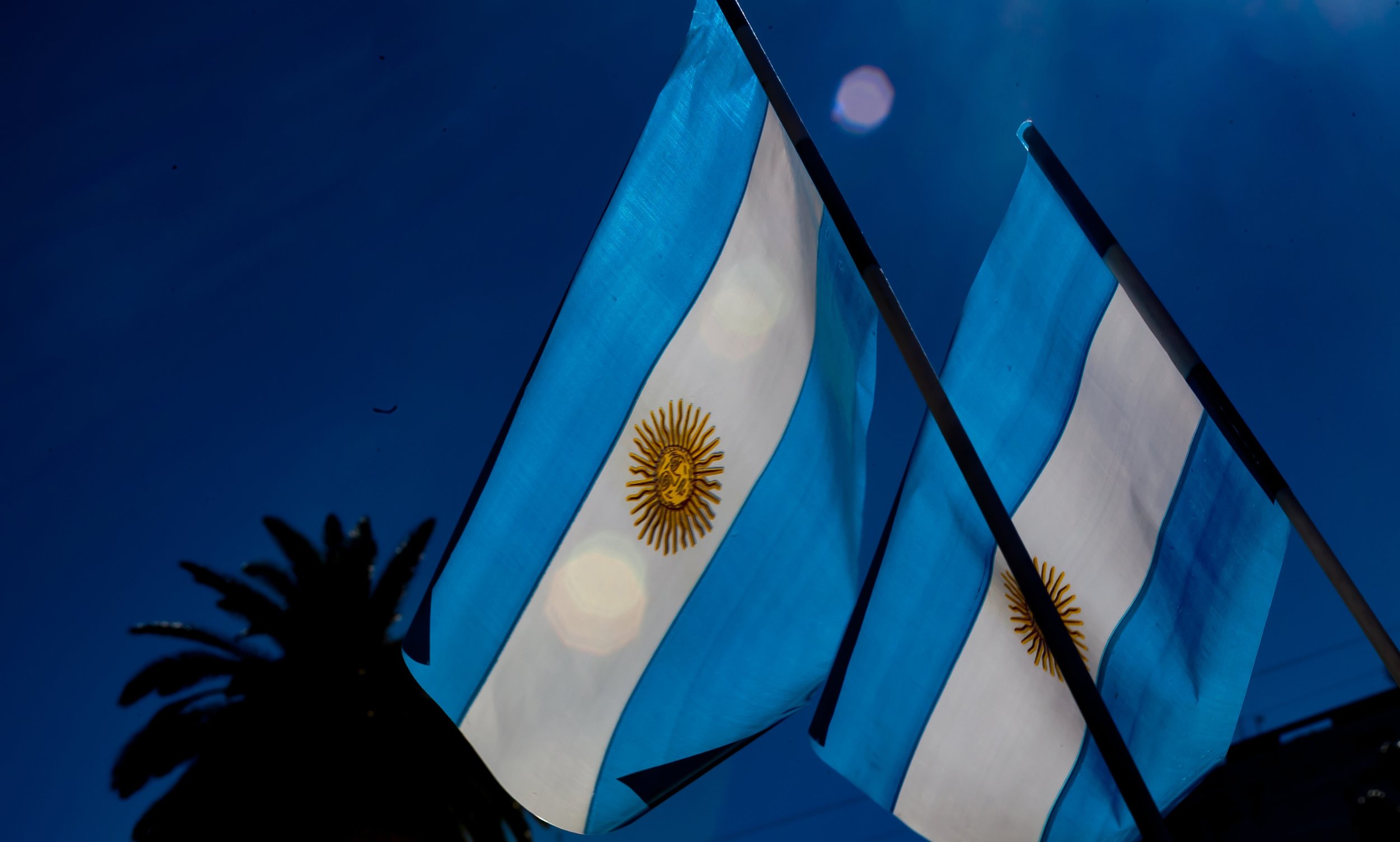
Argentina's culture is a sophisticated blend of European traditions and Latin American flair, defined by a deep-seated passion for social connection, the arts, and resilient national pride. From the rhythmic intensity of Tango to the communal ritual of sharing mate, the Argentine identity is centered on family, friendship, and a unique linguistic heritage.
The identity of Argentina is not a monolithic construct but rather a vibrant mosaic shaped by centuries of immigration, indigenous roots, and a turbulent yet proud political history. As of 2026, the nation remains a cultural powerhouse in the Southern Hemisphere, maintaining its reputation for intellectualism, world-class gastronomy, and a social fabric that prioritizes human relationships over rigid schedules. Understanding Argentina requires looking beyond the surface of its cosmopolitan capital to the gaucho traditions of the Pampas and the Andean influences of the North.
The Demographic Fabric: A Melting Pot of Identities
The phrase often used to describe Argentines is that they "descended from ships." This highlights the massive wave of European immigration that occurred between 1880 and 1950, primarily from Italy and Spain. This influx fundamentally altered the nation's demographics, particularly in urban centers like Buenos Aires, Rosario, and Córdoba. Unlike many of its neighbors, Argentina’s population is overwhelmingly of European descent, yet this narrative has evolved in recent years to more accurately include the Mestizo and Indigenous populations that have always been part of the national story.
In 2026, there is an increasing recognition of the "Interior"—the provinces outside the federal capital—where colonial Spanish and indigenous influences (such as the Quechua, Guaraní, and Mapuche) are more pronounced. This demographic complexity creates a dual identity: the "Porteño" (resident of the port city, Buenos Aires), who often looks toward Europe for inspiration, and the "Provinciano," who maintains a stronger connection to the land and traditional folkways.
The Italian and Spanish Legacy
The Italian influence is perhaps the most visible in daily life. It is heard in the melodic intonation of the Rioplatense Spanish dialect and tasted in the ubiquitous presence of pasta, pizza, and gelato. Spanish heritage provides the bedrock of the legal system, the dominant religion (Roman Catholicism), and the primary language. However, the Argentine version of these traditions is uniquely local, adapted through a century of isolation and innovation.
Social Values and the Importance of Connection
If there is one defining characteristic of Argentine people, it is their sociability. Relationships are the primary currency of the country. Loyalty to family and friends often supersedes professional or institutional obligations, a concept sometimes referred to as "amiguismo" (the importance of having friends in the right places).
The Ritual of the Sobremesa
One of the most cherished cultural practices is the sobremesa. This refers to the time spent talking around the table after a meal has finished. In Argentina, a lunch or dinner is never just about the food; it is a forum for debate, storytelling, and emotional bonding. It is considered rude to leave the table immediately after eating. In 2026, even in the fast-paced environment of digital nomads and tech hubs, the sobremesa remains a non-negotiable part of the weekend routine.
Friendships and "Día del Amigo"
Friendships in Argentina are intense and lifelong. The "Día del Amigo" (Friend’s Day), celebrated every July 20th, is a major national event where restaurants and bars are booked weeks in advance. Argentines are known for being physically affectionate; a single kiss on the right cheek is the standard greeting between men and women, and often between men, reflecting a high-contact culture that values warmth.
Language: Rioplatense Spanish and Lunfardo
While Spanish is the official language, the variety spoken in the Rio de la Plata region (including Buenos Aires and Uruguay) is distinct. The most notable grammatical feature is the use of voseo—the use of "vos" instead of "tú" for the second-person singular. This gives the language a different rhythmic quality and requires unique verb conjugations.
The Influence of Lunfardo
Lunfardo is a slang that originated in the lower-class neighborhoods of Buenos Aires in the late 19th century, heavily influenced by Italian dialects. Originally used as a "thieves' Latin" to prevent authorities from understanding conversations, it eventually permeated all levels of society through Tango lyrics. Words like laburar (to work), fiaca (laziness), and guita (money) are essential for anyone wanting to understand the local vernacular. In 2026, Lunfardo continues to evolve, with younger generations adding new terms influenced by global internet culture while retaining the classic rhythmic slang of their grandparents.
Gastronomy: More Than Just a Meal
Argentine cuisine is a reflection of its agricultural wealth. The country is world-renowned for its beef, but the culinary culture is defined more by the way people eat than what is on the plate.
The Asado: A National Institution
The asado (barbecue) is the quintessential Argentine social event. It is a slow-cooking ritual performed by the parrillero (the grill master). An asado can last an entire afternoon or evening, involving various cuts of meat (beef, pork, sausages) cooked over wood or charcoal. It serves as the primary social lubricant for families and groups of friends.
Mate: The Social Glue
Mate is a caffeine-rich infused drink made from the dried leaves of the yerba mate plant. It is sipped through a metal straw (bombilla) from a hollowed-out gourd. More than a beverage, mate is a social ritual. In a group setting, one person (the ceador) prepares the mate and passes it to the next person. Sharing a mate is a sign of acceptance and friendship. Despite the modernization of 2026, you will still see people carrying their "mate kits" (thermos, gourd, and yerba) in parks, offices, and universities.
| Cultural Element | Description | Significance |
|---|---|---|
| Asado | Traditional barbecue using wood or charcoal. | The primary social event for families and friends. |
| Mate | Herbal tea shared in a communal gourd. | A daily ritual of companionship and conversation. |
| Tango | Dramatic dance and music genre. | A symbol of national identity and emotional depth. |
| Fútbol | The national sport (Soccer). | A unifying (and sometimes dividing) cultural passion. |
| Sobremesa | Conversation after a meal. | Reflects the priority of social bonding over efficiency. |
The Arts: Literature, Cinema, and Tango
Argentina has a long history of intellectual and artistic achievement. Buenos Aires is often called the "Paris of the South" due to its high density of bookstores, theaters, and cafes.
Literature and Philosophy
The country has produced literary giants like Jorge Luis Borges, Julio Cortázar, and Ernesto Sabato. This legacy continues into 2026, with a vibrant contemporary scene that focuses on "auto-fiction" and magical realism. Argentines are prolific readers; the Buenos Aires International Book Fair remains one of the most attended literary events in the world.
Tango: The Soul of the Rio de la Plata
Tango emerged from the brothels and suburban outskirts of Buenos Aires and Montevideo. It is a melancholic, complex art form that combines music, lyrics, and dance. While it is often seen as a tourist attraction, there is a thriving local "milonga" (tango hall) culture where people of all ages gather to dance. Tango lyrics often deal with themes of nostalgia, heartbreak, and the struggles of the working class.
Sports: The Passion of the Masses
In Argentina, sports are not merely entertainment; they are a vital component of identity.
Football (Soccer)
Football is a secular religion. The national team’s victory in the 2022 World Cup solidified the status of players like Lionel Messi and the late Diego Maradona as national icons. Support for local clubs (such as Boca Juniors or River Plate) is passed down through generations, and "clásicos" (rivalry matches) can bring the country to a standstill. The emotional investment in football is a primary outlet for national pride and collective expression.
Other Sports
While football dominates, Argentina is also a global leader in Polo, boasting the world's best players and horses. The Argentine Open is the most prestigious polo tournament globally. Additionally, rugby (The Pumas) and basketball have significant followings, particularly after the success of the "Golden Generation" in the early 21st century.
Regional Variations in Culture
It is a mistake to view Argentine culture solely through the lens of Buenos Aires. The country’s vast geography creates distinct regional identities.
- The Northwest (Salta, Jujuy): This region has a strong Andean influence. The music is characterized by the folklore (folk music), using instruments like the charango and quena. The food is spicier, featuring tamales and humitas.
- The Cuyo (Mendoza): This is the heart of Argentina's wine country. The culture revolves around the grape harvest and the production of Malbec. The annual Fiesta Nacional de la Vendimia is a major cultural milestone.
- The Pampas: The home of the Gaucho (the Argentine cowboy). Gaucho culture—characterized by horse riding, leatherwork, and folk songs—remains a powerful symbol of Argentine rugged individualism.
- Patagonia: The culture here is influenced by Welsh immigrants in certain valleys and a rugged frontier spirit. It is a region of sheep ranching and, increasingly, high-end eco-tourism.
Modern Trends and 2026 Outlook
In 2026, Argentina continues to navigate its chronic economic challenges with a characteristic "resilience culture." This has led to a highly adaptable workforce and a thriving tech scene, with many "unicorns" (startups valued over $1 billion) emerging from the country.
Socially, the country has been a leader in Latin America regarding progressive legislation, including early adoption of marriage equality and gender identity laws. There is a strong culture of public protest and political activism; Argentines are not shy about taking to the streets to express their opinions, a trait known as being "politicized" from a young age.
Etiquette and Practical Guidance for Visitors
- Time Management: Punctuality is flexible for social gatherings. Arriving 30 to 60 minutes late to a house party is often expected. However, for professional meetings, punctuality is becoming more standard.
- Dining Hours: Argentines eat late. Restaurants rarely fill up for dinner before 9:00 PM or 10:00 PM.
- Greetings: Expect to be kissed on the cheek, even if it is your first time meeting someone in a social context.
- Debate: Don't be offended by loud or passionate arguments. Argentines love to debate politics and sports; it is a sign of engagement, not necessarily anger.
Frequently Asked Questions
What is the primary religion in Argentina?
While the majority of Argentines identify as Roman Catholic (around 60-70%), the country is quite secular in its daily life. There is also a significant Jewish community (the largest in Latin America) and a growing evangelical population. Folk saints, such as the Gauchito Gil or Difunta Correa, also hold a unique place in the spiritual life of the rural and working classes.
Is Argentina safe for travelers in 2026?
Argentina remains one of the safer countries in South America for travelers. However, like any large urban center, cities like Buenos Aires and Rosario require standard precautions against petty crime. It is advisable to remain aware of your surroundings in crowded areas and follow local advice regarding specific neighborhoods.
Why is the economy always a topic of conversation?
Argentina has a history of high inflation and currency fluctuations. This has created a culture where people are very financially savvy, often keeping track of the "blue" (informal) exchange rate daily. It has also fostered a "live for today" mentality, where people spend money on experiences, dining, and culture rather than long-term savings that might devaluate.
How does the education system affect the culture?
Argentina has a long tradition of free, high-quality public university education (notably the University of Buenos Aires). This has resulted in a highly educated middle class and a society that values intellectualism, psychology (Buenos Aires has the highest number of psychologists per capita in the world), and scientific research.
What should I bring as a gift to an Argentine home?
If invited to an asado or dinner, a bottle of good Malbec wine or a box of high-quality pastries (facturas) or chocolates is the standard and most appreciated gift. Bringing flowers is also acceptable, though less common than food or drink.
Next Steps for Cultural Immersion
For those looking to experience Argentina people and culture firsthand in 2026, the best approach is to move slowly. Rather than rushing between tourist landmarks, spend time in a local "café notable" (historic cafe), attend a football match to witness the collective passion, and participate in a local folklore festival in the northern provinces. To truly understand the Argentine spirit, one must master the art of the long conversation and the slow-sipped mate.
For official travel requirements and up-to-date entry guidelines, visitors should consult the Argentine Ministry of Foreign Affairs or the official Argentina.gob.ar portal for the latest administrative and health regulations.