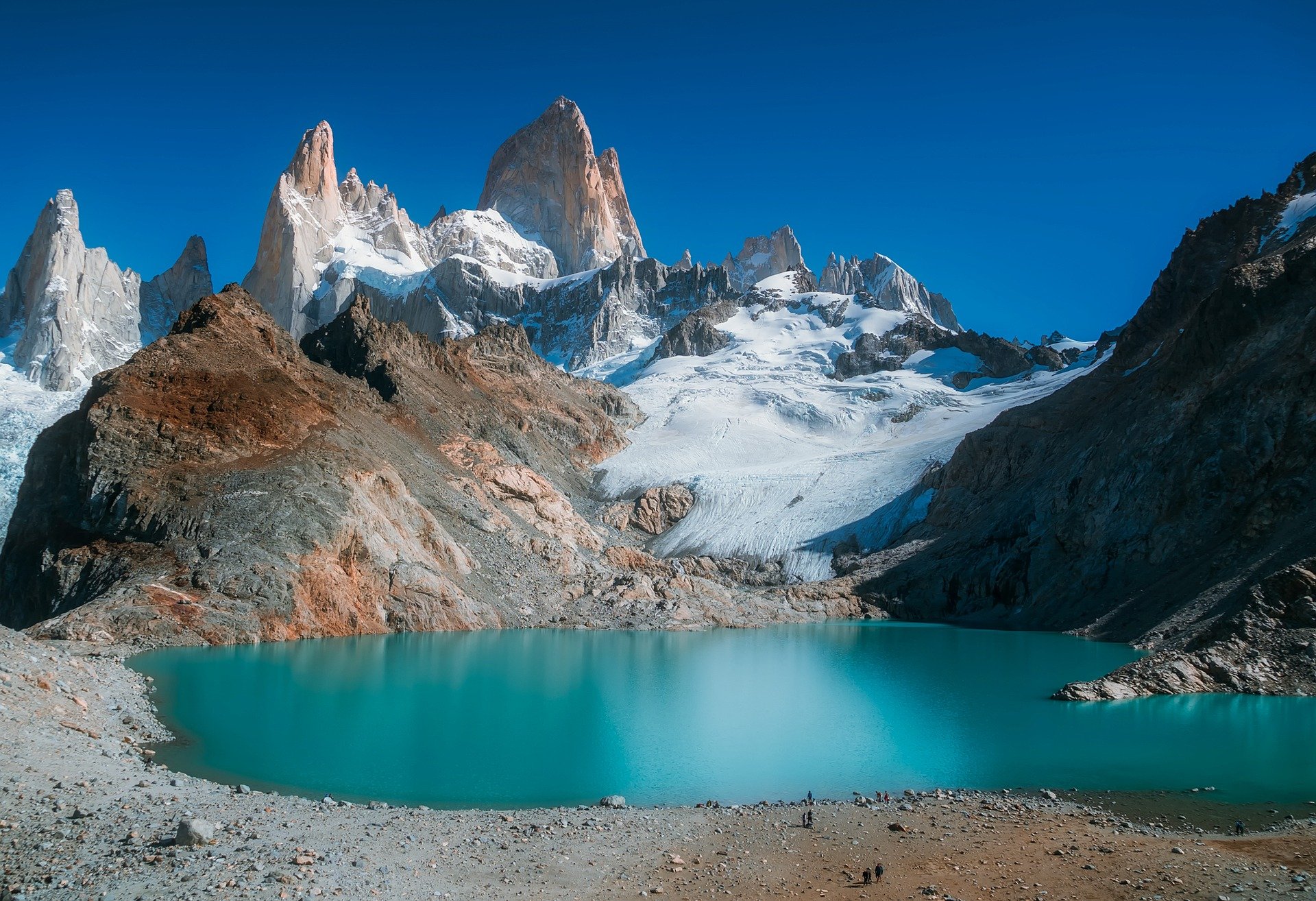
Argentina offers a diverse range of family-friendly experiences, blending vibrant urban culture in Buenos Aires with the awe-inspiring natural wonders of Iguazú Falls and the rugged landscapes of Patagonia. Successful family holidays in 2026 focus on balancing long-distance logistics with age-appropriate activities, such as visiting traditional estancias, exploring glacial boardwalks, and enjoying the country’s world-renowned kid-friendly culinary staples like empanadas and gelato.
Navigating Argentina with a Family in 2026
Planning a trip to the eighth-largest country in the world requires a strategic approach to geography and timing. In 2026, Argentina remains a premier destination for families seeking a mix of adventure and comfort, but the sheer scale of the country necessitates internal flights to maximize time. Most international families begin their journey at Ministro Pistarini International Airport (EZE) in Buenos Aires, which serves as the primary gateway.
Entry Requirements and Logistics
As of 2026, entry requirements for most Western travelers (including those from the US, UK, and EU) remain straightforward, typically requiring a valid passport for stays of up to 90 days for tourism. It is essential to verify current reciprocity fee statuses, though many have been suspended in recent years to encourage tourism.
Internal travel is dominated by Aerolíneas Argentinas, supplemented by low-cost carriers like Flybondi and JetSmart. For families, booking these flights well in advance is critical, especially during the peak summer months of December and January. When traveling with children, consider the "multi-destination" booking option to avoid unnecessary backtracking through Buenos Aires, which can save hours of travel time.
Seasonal Considerations
Because Argentina spans a vast latitudinal range, the "best" time to visit depends entirely on your itinerary.
- Spring (September to November): Ideal for Buenos Aires and the Lake District. The weather is mild, and the jacaranda trees in the capital are in full purple bloom.
- Summer (December to February): Peak season for Patagonia. While the weather is most stable for hiking, crowds are at their highest and prices peak.
- Autumn (March to May): Excellent for the Mendoza wine region and Northern Argentina (Salta and Jujuy), offering cooler temperatures and stunning foliage.
- Winter (June to August): The primary season for skiing in Bariloche or Las Leñas. Note that some trekking trails in southern Patagonia may close during these months due to heavy snow.
Buenos Aires: The Sophisticated Family Hub
Buenos Aires is often called the "Paris of the South," but for families, it is better described as a massive, welcoming playground. The city is divided into "barrios," each with a distinct personality. For families staying in 2026, Palermo and Recoleta remain the most popular choices due to their abundance of green spaces, security, and proximity to major attractions.
Cultural Engagement for Children
The Museo de los Niños (Children’s Museum) located in the Abasto Shopping Mall is an essential stop for those with younger children. It is an interactive "city" where kids can role-play as doctors, sailors, or bankers. For a more traditional cultural experience, the Teatro Colón offers guided tours that fascinate older children with its incredible acoustics and opulent architecture.
On Sundays, the San Telmo Market is a sensory delight. While it can be crowded, the street performers—including world-class tango dancers—provide free entertainment that captivates all ages. If the city bustle becomes too much, the Reserva Ecológica Costanera Sur provides a 350-hectare escape where families can rent bicycles and spot local wildlife right on the edge of the Río de la Plata.
The Estancia Experience
A highlight of any Argentina family holiday is a "Día de Campo" (country day) at a traditional estancia (ranch). Located just 1.5 to 2 hours from the capital in towns like San Antonio de Areco, these ranches offer a glimpse into the life of the Gaucho. Activities typically include:
- Horseback riding: Guided tours suitable for beginners and children.
- Folkloric shows: Traditional music and dance performances.
- Asado lunch: A massive feast of grilled meats (with plenty of kid-friendly sides like grilled provolone cheese).
The Northeast: Witnessing Iguazú Falls
Iguazú Falls (Cataratas del Iguazú) is one of the few global landmarks that truly lives up to the hype. Located on the border with Brazil, the Argentine side offers the most comprehensive trail system, allowing families to get incredibly close to the 275 individual drops.
Trail Safety and Accessibility
The Argentine park is remarkably accessible. The Lower Circuit and Upper Circuit are largely comprised of flat, well-maintained boardwalks that are stroller-friendly in many sections. The Ecological Train of the Jungle transports families between the main visitor center and the trailheads, which is a massive help for tired little legs.
The climax of the visit is the Garganta del Diablo (Devil’s Throat). A long boardwalk extends over the river to the very edge of the most powerful drop. For families with teenagers, the "Gran Aventura" boat trip—which drives directly under some of the falls—is a thrilling (and soaking) highlight. Note that age restrictions typically apply to the boat tours (usually age 12+), so check current 2026 safety regulations before booking.
Patagonia: Glaciers and Lakes
Southern Argentina is the heart of family adventure. While Patagonia has a reputation for extreme trekking, many of its most famous sites are highly accessible for families.
El Calafate and Perito Moreno
El Calafate serves as the base for visiting the Perito Moreno Glacier. Unlike most glaciers that require arduous hikes to see, Perito Moreno features an extensive network of steel catwalks and balconies. Families can watch and hear the thunderous "calving"—when massive chunks of ice break off and crash into the water—from a safe and comfortable distance.
In 2026, many operators offer "mini-trekking" on the ice for children as young as 10. For younger kids, a boat safari (Navegación) provides a close-up view of the 200-foot-high ice walls without any physical exertion.
Bariloche and the Lake District
San Carlos de Bariloche is the "chocolate capital" of Argentina, making it an instant hit with children. The town’s Alpine architecture and numerous "chocolaterías" along Calle Mitre provide a cozy atmosphere.
- Circuito Chico: A 60km loop that can be driven or cycled, offering panoramic views of Lake Nahuel Huapi.
- Cerro Campanario: A chairlift ride to what National Geographic once cited as one of the best views in the world.
- Lake Navigations: Boat trips to Isla Victoria and the Arrayanes Forest, which is rumored to have inspired the setting for Disney’s Bambi.
Argentine Gastronomy for Families
Feeding a family in Argentina is surprisingly easy, even for picky eaters. The local diet is heavily influenced by Italian and Spanish cuisine, meaning pasta, pizza, and bread are staples.
| Food Item | Description | Family Appeal |
|---|---|---|
| Empanadas | Savory hand-pies filled with beef, corn (humita), or ham and cheese. | Portable and usually loved by kids. |
| Milanesa | Thinly breaded and fried meat fillets (beef or chicken). | Essentially a high-quality chicken nugget/schnitzel. |
| Asado | Traditional barbecue including various cuts of beef and sausages. | A social event; the "choripán" (sausage sandwich) is a kid favorite. |
| Helado | Argentine gelato, famous for its creamy texture. | The "Dulce de Leche" flavor is a national obsession. |
| Facturas | Sweet pastries often served for breakfast or "merienda" (afternoon snack). | Great for a quick energy boost between sights. |
Important Note on Dining Times: Argentines eat dinner late, often starting at 9:00 PM or later. However, in 2026, most tourist-oriented restaurants in Buenos Aires and major hubs open by 7:30 PM. For families with very young children, looking for "Confiterías" or cafes that serve food all day is a practical solution.
Budgeting and Financial Planning for 2026
Argentina’s economy has historically been volatile, making financial planning a key part of the preparation. In 2026, the use of digital payment systems like Mercado Pago and contactless credit cards is ubiquitous, even in smaller towns.
Estimated Daily Costs
A mid-range family holiday (2 adults, 2 children) typically ranges from $250 to $450 USD per day, excluding international flights. This includes:
- Accommodation: Family rooms in boutique hotels or 2-bedroom apartment rentals.
- Dining: A mix of casual cafes and one nice "Parrilla" (steakhouse) meal.
- Activities: Entrance fees to National Parks (which often have discounted rates for minors).
- Transport: A combination of taxis/Ubers for short distances and pre-booked transfers.
Practical Money Tip
Always carry a small amount of Argentine Pesos (ARS) for tipping (usually 10% in restaurants) and for small artisanal markets where cards might not be accepted. While many places accept USD, the exchange rate offered at the point of sale may not be as favorable as using a travel-optimized credit card.
Family Safety and Health
Argentina is generally considered one of the safest countries in South America for travelers. However, standard urban precautions apply in Buenos Aires.
- Healthcare: Argentina has excellent private healthcare facilities, particularly in the capital. Ensure your family has comprehensive travel insurance that covers medical evacuation if you are heading to remote parts of Patagonia.
- Water Safety: Tap water is generally safe to drink in Buenos Aires and major cities, but many travelers prefer bottled water in more rural or northern provinces to avoid minor stomach upsets.
- Altitude: If visiting the Northwest (Salta/Jujuy), be mindful of altitude sickness. Ensure children stay hydrated and ascend slowly.
Frequently Asked Questions
Is Argentina too far for a holiday with toddlers?
While the flight to Buenos Aires is long (10+ hours from most major US or European hubs), the lack of significant time zone changes (only 1-2 hours from the US East Coast) means jet lag is minimal. This makes it much easier for toddlers to adapt to local schedules compared to traveling to Europe or Asia.
What is the best age for children to visit Patagonia?
While infants can visit, the region is best enjoyed by children aged 6 and up. At this age, they can participate in shorter treks, enjoy the boat tours, and appreciate the scale of the glaciers. For those interested in the "mini-trekking" on the ice, the minimum age is usually 10.
Are car seats required for rentals and taxis?
In 2026, car seat laws are strictly enforced for rental cars. However, taxis and Ubers in Buenos Aires often do not provide them. If you plan on using ground transport frequently, bringing a portable travel booster or car seat is highly recommended for safety and compliance.
How do we handle the late dining culture with kids?
Most families adapt by embracing the "merienda"—a late afternoon snack of tea, coffee, and pastries around 5:00 PM. This tides children over until a 7:30 or 8:00 PM dinner. Additionally, many hotels offer babysitting services if parents wish to enjoy a late-night tango show or fine-dining experience.
Do we need to speak Spanish to get around?
In major tourist hubs like Palermo, Iguazú, and Bariloche, English is widely spoken in hotels and higher-end restaurants. However, having a translation app and knowing basic Spanish phrases is immensely helpful and appreciated by locals, especially when navigating public transport or smaller towns.
Final Recommendations for Your 2026 Trip
To get the most out of an Argentina family holiday, avoid the temptation to see the entire country in one week. Instead, pick two or three regions and dive deep into them. For a 12-day itinerary, a classic combination is Buenos Aires (4 days), Iguazú Falls (3 days), and El Calafate (5 days). This mix provides the perfect balance of city culture, tropical nature, and glacial adventure.
Always book your National Park tickets online in advance through the official Administración de Parques Nacionales website to avoid long queues at the gates. By prioritizing comfort in transport and flexibility in your daily schedule, your family can experience the best of what Argentina has to offer in 2026.