Applying for life insurance through a mutual benefit society or a mutual company involves joining a member-owned organization where policyholders share in the company's financial success. While the historical "Mutual Benefit Life Insurance Company" ceased issuing new policies decades ago, the term "mutual benefit life" today refers to a specific class of insurers—mutual companies and fraternal benefit societies—that prioritize policyholder dividends over shareholder profits.
To apply for such coverage in 2026, you must navigate a process that includes membership eligibility, medical underwriting, and the selection of participating policy types. This guide details the steps to secure coverage, the benefits of the mutual structure, and how to manage legacy policies from the original Mutual Benefit Life entity.
Understanding the "Mutual Benefit" Structure in 2026
The term "mutual benefit" in the context of life insurance has two primary meanings. First, it refers to the historical Mutual Benefit Life Insurance Company (MBL), which was once a giant in the American insurance industry before its high-profile rehabilitation in 1991. Second, it refers to the ongoing model of mutual life insurance, where the company is "mutually" owned by its policyholders rather than outside investors.
In 2026, when consumers search for an application for "mutual benefit life," they are typically looking for one of three things:
- Participating Policies: Life insurance products from mutual companies (like MassMutual, Northwestern Mutual, or New York Life) that pay dividends to policyholders.
- Fraternal Benefit Societies: Organizations like Thrivent or Knights of Columbus that provide "mutual benefit" to members based on shared religious, ethnic, or vocational bonds.
- Legacy MBL Policies: Information on how to service or claim benefits from original Mutual Benefit Life policies that were transferred to successor entities after the 1991 insolvency.
The Evolution of Mutualism
In the current financial landscape, mutual benefit insurers are prized for their long-term stability. Because they do not have to answer to Wall Street's quarterly earnings demands, these companies often maintain higher surplus ratios. When you apply for a policy with a mutual insurer, you are not just a customer; you are a "member" or "owner." This entitles you to participate in the company's divisible surplus, usually distributed as annual dividends.
Prerequisites for a Mutual Benefit Life Application
Before beginning the application process, you must satisfy specific criteria that differ slightly from standard "stock" insurance companies. In 2026, these prerequisites are often verified digitally through automated underwriting systems.
Membership and Eligibility
If you are applying to a fraternal benefit society (the modern equivalent of many original mutual benefit organizations), you may need to demonstrate a "common bond." This could include:
- Affiliation: Membership in a specific church, labor union, or ethnic association.
- Location: Residency in a specific state or region where the mutual group operates.
- Ethics and Values: An agreement to abide by the society’s charter or mission statement.
Financial Requirements
Mutual companies often focus on "permanent" life insurance (Whole Life or Universal Life). As such, the application may require a more detailed financial disclosure than a simple term life policy. You will need to provide:
- Income Verification: To ensure the premium is affordable over the long term.
- Net Worth Statements: Particularly for high-death-benefit policies where "insurable interest" must be justified.
- Existing Coverage: A list of current policies to prevent "over-insurance."
Step-by-Step Application Process
The application for life insurance in 2026 has become highly streamlined, utilizing Accelerated Underwriting (AU) to provide instant or near-instant decisions for healthy applicants. However, for the robust "mutual benefit" policies that pay dividends, the process remains thorough.
Step 1: Selecting a Participating Product
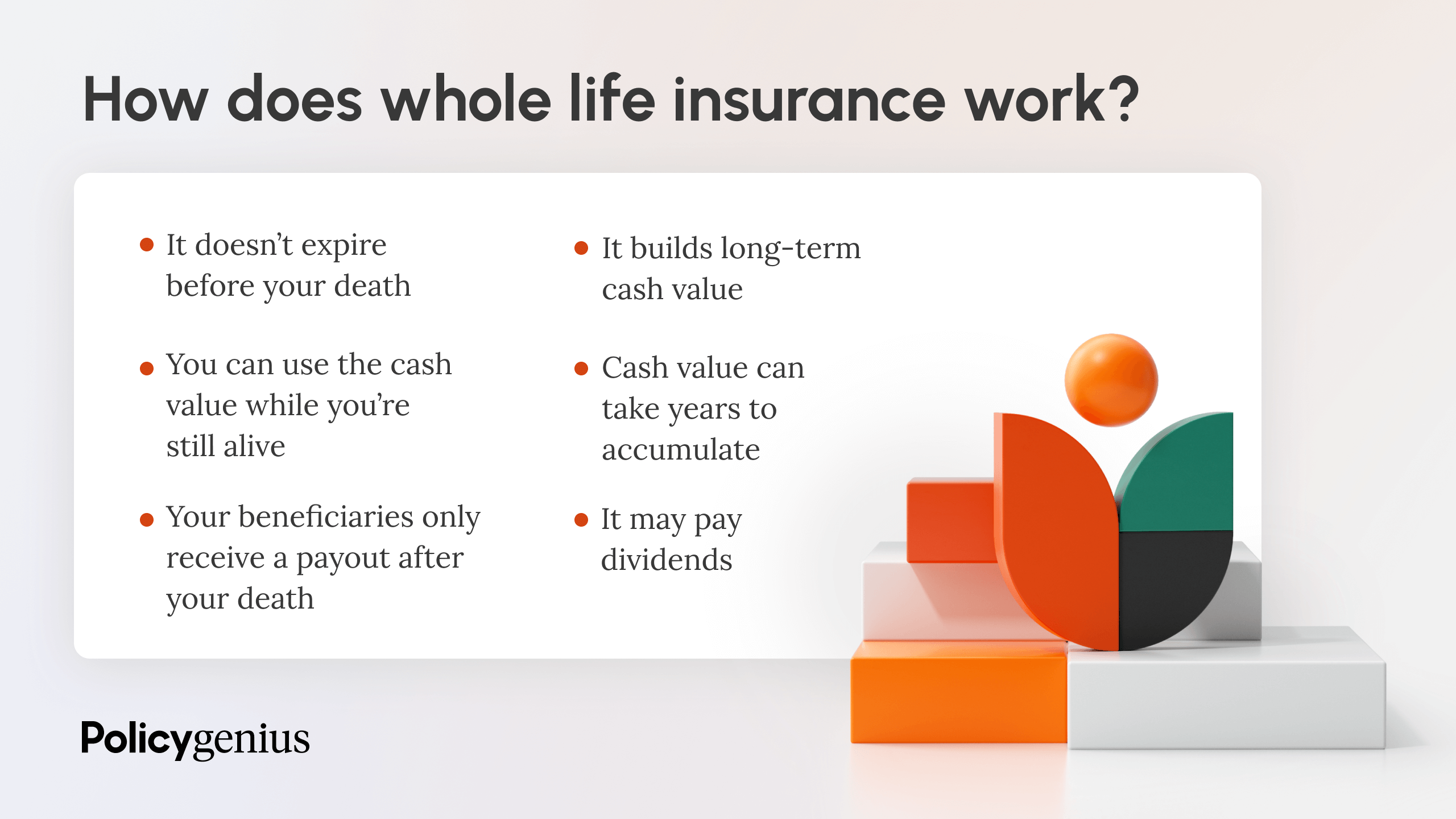
Most mutual benefit applications focus on Whole Life Insurance. Unlike term life, these policies accumulate cash value. When filling out the application, you must choose how you want your potential dividends handled. Options typically include:
- Paid-up Additions: Using dividends to buy more insurance, increasing the death benefit.
- Premium Reduction: Applying dividends toward your monthly or annual cost.
- Cash Payment: Receiving a check directly from the insurer.
- Accumulate at Interest: Leaving the dividends with the company to earn interest.
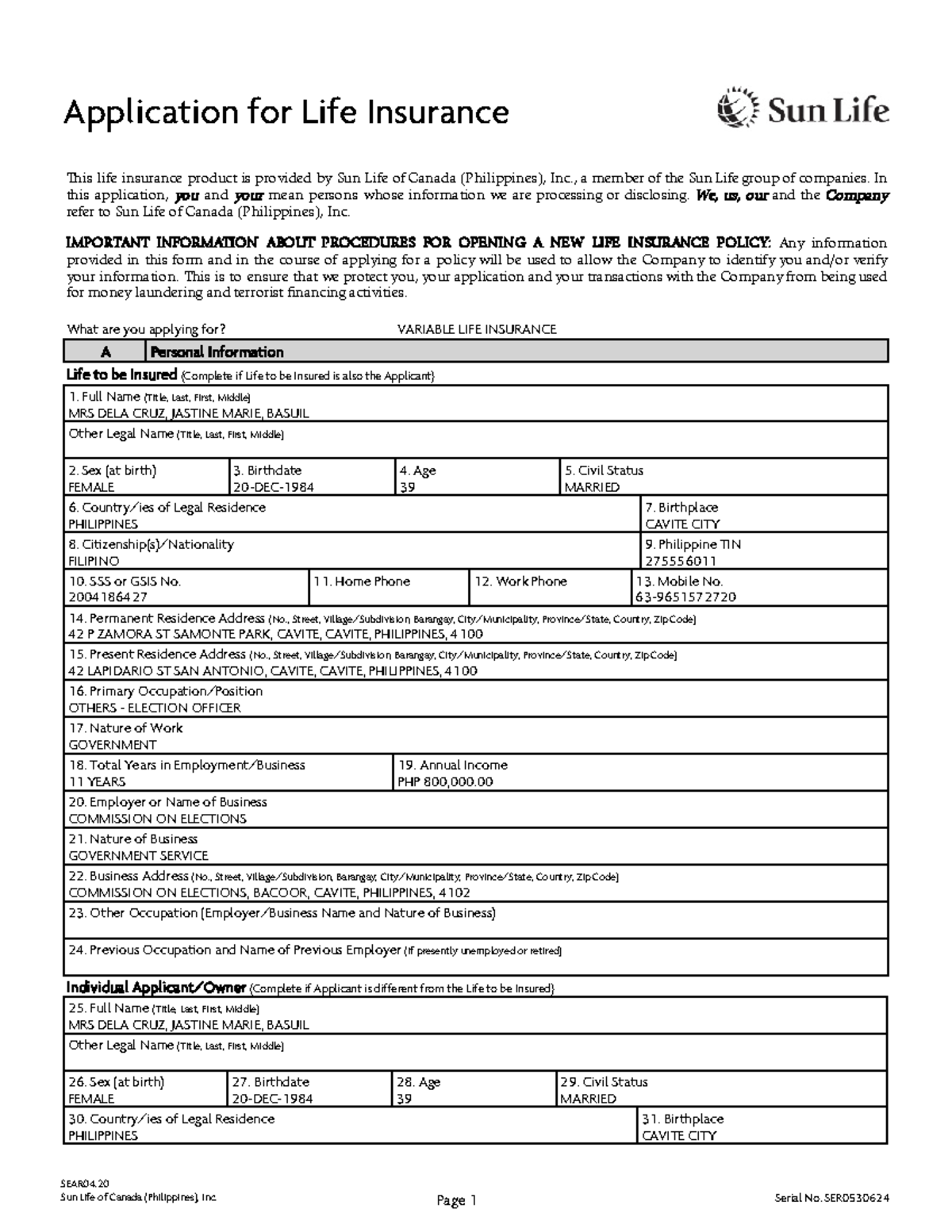
Step 2: The Formal Application (Part I)
The first part of the application is the "Representation of Facts." You will provide your legal name, Social Security number, and beneficiary designations. In 2026, most insurers use e-App platforms that pull data from the Medical Information Bureau (MIB) and LexisNexis to pre-fill certain fields.
Step 3: Medical and Lifestyle Questionnaire (Part II)
This is the most critical section. Mutual benefit insurers are known for their "conservative" underwriting, which allows them to remain profitable and pay dividends. You must disclose:
- Medical History: Chronic conditions, past surgeries, and current medications.
- Family History: History of cardiovascular disease or cancer in parents and siblings.
- Lifestyle Risks: Tobacco/nicotine use, high-risk hobbies (e.g., private aviation or scuba diving), and foreign travel plans.
Step 4: The Underwriting Review
Once submitted, the application enters underwriting. In 2026, this often involves "fluidless" underwriting, where the company uses your electronic health records (EHR) and prescription history instead of a physical paramedical exam. If you are applying for a very high death benefit (e.g., over $5 million), a physical exam including blood work and a urinalysis may still be required.
Step 5: Policy Issue and Delivery
If approved, you will receive a "Policy Illustration." This document is vital for mutual benefit life insurance as it shows both guaranteed and non-guaranteed values. The non-guaranteed values are based on the company's current dividend scale. You must sign the delivery receipt and pay the initial premium to put the coverage "in force."
Comparing Mutual Benefit Entities vs. Stock Companies
Understanding the difference between the entities you might apply to is essential for choosing the right "benefit" structure.
| Feature | Mutual Benefit / Mutual Company | Stock Insurance Company |
|---|---|---|
| Ownership | Policyholders (Members) | Shareholders (Investors) |
| Primary Goal | Long-term stability & dividends | Maximizing shareholder value |
| Product Focus | Permanent/Participating Life | Term Life & Annuities |
| Dividends | Paid to policyholders | Paid to stockholders |
| Underwriting | Often more conservative | Can be more aggressive/flexible |
| Governance | Policyholders vote for the Board | Shareholders vote for the Board |
Managing Legacy "Mutual Benefit Life" (MBL) Policies
If your search for an "application" is actually an attempt to find or service an old policy from the Mutual Benefit Life Insurance Company (the Newark, NJ-based firm that failed in 1991), the process is different. You are not applying for new coverage, but seeking "successor" information.
Following the insolvency of MBL, most of its individual life insurance policies were transferred to MBL Life Assurance Corporation, which was eventually acquired or its blocks of business reinsured. As of 2026, most of these policies are managed by:
- Sun Life Financial: They acquired a significant portion of the MBL domestic individual life business.
- Corebridge Financial (formerly AIG): Certain blocks of business may reside here or with other specialist "run-off" companies.
- State Guaranty Associations: If a policy was not transferred to a private successor, the guaranty association in the state where the policyholder lived at the time of the insolvency may have records.
To track down a legacy MBL policy, you should use the NAIC Life Insurance Policy Locator Service. This free tool allows beneficiaries or policyholders to submit an inquiry that is sent to all participating insurance companies to find lost records. National Association of Insurance Commissioners (NAIC).
Common Pitfalls During the Application Process
When applying for a mutual benefit policy, certain errors can lead to a "Rated" policy (higher premiums) or an outright "Decline."
- Non-Disclosure of Nicotine Alternatives: In 2026, many applicants believe that vaping or nicotine patches do not count as "smoking." Most mutual insurers treat any nicotine delivery as a tobacco risk, which can double the premium.
- Inaccurate Beneficiary Designations: Avoid naming "Estate" as the beneficiary unless advised by a tax professional, as this subjects the death benefit to probate.
- Ignoring the "Contestability Period": For the first two years, the insurer can investigate the application for fraud. Any material misrepresentation found during this time can result in a denied claim.
- Underestimating the "Common Bond" (for Fraternals): If you apply for a fraternal benefit society policy without actually meeting the membership requirements, the application will be rejected during the compliance review.
The Role of Dividends in the Modern Application
A primary reason for choosing a mutual benefit structure is the dividend. While dividends are never guaranteed, many of the top mutual insurers have paid them every year for over 150 years—including through the Great Depression and the 2008 financial crisis.
When you apply, you are essentially buying into a "participating" pool. The company's board of directors decides each year how much of the surplus to distribute after paying claims, expenses, and setting aside required reserves. For an applicant in 2026, this represents a hedge against inflation, as the increasing death benefit (via paid-up additions) can keep pace with rising costs of living.
Frequently Asked Questions
Can I still buy a policy from the original Mutual Benefit Life Insurance Company?
No. The original Mutual Benefit Life Insurance Company (MBL) of Newark, New Jersey, went into rehabilitation in 1991 and ceased issuing new policies. It was eventually liquidated and its business transferred to other carriers. You can, however, apply for "mutual benefit" style policies from other active mutual companies and fraternal societies.
How do I know if my application is for a "Participating" policy?
A participating policy is explicitly labeled as such in the application and the policy illustration. Look for a section titled "Dividend Options." If the policy does not offer a way to receive or reinvest dividends, it is likely a "non-participating" policy, typically offered by stock insurance companies.
Are premiums higher for mutual benefit life insurance?
Initially, yes. Because mutual benefit policies are often "Whole Life" and include the right to receive dividends, the base premium is usually higher than a "Term Life" policy or a "Non-Participating" policy. However, the long-term "net cost" is often lower because the cash value and dividends can eventually offset the premium payments.
What is a Fraternal Benefit Society in the context of life insurance?
A fraternal benefit society is a non-profit organization that provides insurance to its members. These societies have a representative form of government and carry out social, intellectual, and charitable activities. They are the original "mutual benefit" organizations in the United States, often founded to help immigrant or religious communities.
Is the application process different for seniors?
For applicants over age 65, the mutual benefit application usually requires a more stringent medical review. This may include a "Senior Supplement," which tests for cognitive health and mobility. Mutual companies are cautious with senior applicants to ensure the longevity of the dividend pool for all members.
Final Recommendation for Applicants
When seeking an application for life insurance mutual benefit life, your first step should be to determine if you are looking for a Participating Mutual Policy or a Fraternal Benefit Society. For those seeking long-term wealth accumulation and ownership rights, a mutual company like MassMutual or Northwestern Mutual is a standard choice. For those seeking a community-focused or values-based insurance experience, a fraternal society like Thrivent is more appropriate.
Always request a Full Illustration before signing your application. Ensure you understand the "Guaranteed" vs. "Non-Guaranteed" columns. In 2026, with interest rates and market volatility fluctuating, the "guaranteed" side of a mutual benefit policy provides the essential safety net that defines this classic insurance model. If you are trying to find an old policy from the defunct MBL, contact your State Insurance Department or use the NAIC Policy Locator immediately.