Applied business management is the practical implementation of leadership theories and strategic frameworks to solve real-world organizational challenges. It bridges the gap between academic concepts and operational execution, focusing on measurable outcomes, resource optimization, and the integration of emerging technologies like generative AI to drive sustainable growth in competitive global markets.
Defining Applied Business Management: Theory vs. Practice
To understand applied business management, one must first distinguish it from purely theoretical business studies. While traditional management education focuses on the "what" and the "why" behind economic models and organizational behavior, applied management prioritizes the "how." It is a multidisciplinary field that combines technical proficiency with strategic foresight, ensuring that every decision is backed by data and executed with precision.
In the 2026 landscape, the discipline has evolved beyond simple oversight. It now encompasses the synthesis of human capital, technological infrastructure, and agile methodologies. Professionals in this field do not just study the concept of a "supply chain"; they actively optimize logistics through real-time data analytics and predictive modeling. They do not merely learn about "marketing"; they deploy complex customer acquisition funnels that utilize machine learning to personalize user experiences.
The core objective of an applied approach is to reduce friction within an organization. This involves identifying bottlenecks in production, improving communication across remote and hybrid teams, and ensuring that financial resources are allocated to high-growth initiatives rather than stagnant legacy projects.
Key Pillars of Applied Business Management
The effectiveness of applied management rests on several foundational pillars. Each requires a specific set of tools and a mindset geared toward continuous improvement.
Operational Excellence and Efficiency
At the heart of applied management is operations. This involves the day-to-day management of processes that transform inputs (labor, materials, data) into outputs (products or services). In 2026, operational excellence is defined by the adoption of Lean and Six Sigma principles, adapted for a digital-first environment.
Managers must be adept at process mapping to identify "waste"—whether that waste is unnecessary administrative steps, high energy consumption, or underutilized software licenses. By applying Total Quality Management (TQM), leaders ensure that every member of the organization is responsible for the quality of the final output, creating a culture of accountability.
Financial Decision-Making and Resource Allocation
Applied business management requires a deep dive into financial literacy. Managers must move beyond reading balance sheets to performing Cost-Benefit Analysis (CBA) on every major project. In 2026, this also includes navigating complex ESG (Environmental, Social, and Governance) reporting requirements.
Resource allocation is no longer just about budgeting; it is about capital efficiency. Applied managers use Net Present Value (NPV) and Internal Rate of Return (IRR) to determine if a new software implementation or a market expansion is financially viable. They also manage risk through diversification and the use of hedging strategies in a volatile global economy.
Strategic Human Capital Management
The "applied" aspect of Human Resources (HR) involves maximizing the productivity and well-being of the workforce. This goes beyond hiring and firing. It includes developing Performance Management Systems that provide real-time feedback rather than annual reviews.
In 2026, managers face the unique challenge of managing "cobots" (collaborative robots) and AI agents alongside human employees. Applied business management teaches how to upskill labor forces, manage the psychological contract between employer and employee, and foster a culture of inclusivity that drives innovation.
The Role of Digital Transformation in 2026 Management
By 2026, digital transformation is no longer a goal; it is a prerequisite. Applied business management provides the framework for integrating these technologies without disrupting core business functions.
- Data-Driven Insights: Managers use Business Intelligence (BI) tools to turn raw data into actionable insights. This involves understanding "big data" architecture and knowing which Key Performance Indicators (KPIs) actually move the needle for the business.
- Automation and AI: Applying business management principles means knowing where to automate. It involves assessing the Return on Investment (ROI) of robotic process automation (RPA) for repetitive tasks like invoicing or data entry, allowing human talent to focus on high-level strategy.
- Cybersecurity Governance: As businesses become more digital, the applied manager must oversee cybersecurity not just as a technical issue, but as a business risk. This includes implementing the NIST Cybersecurity Framework and ensuring compliance with evolving data privacy laws.
Education Pathways: Degrees and Certifications
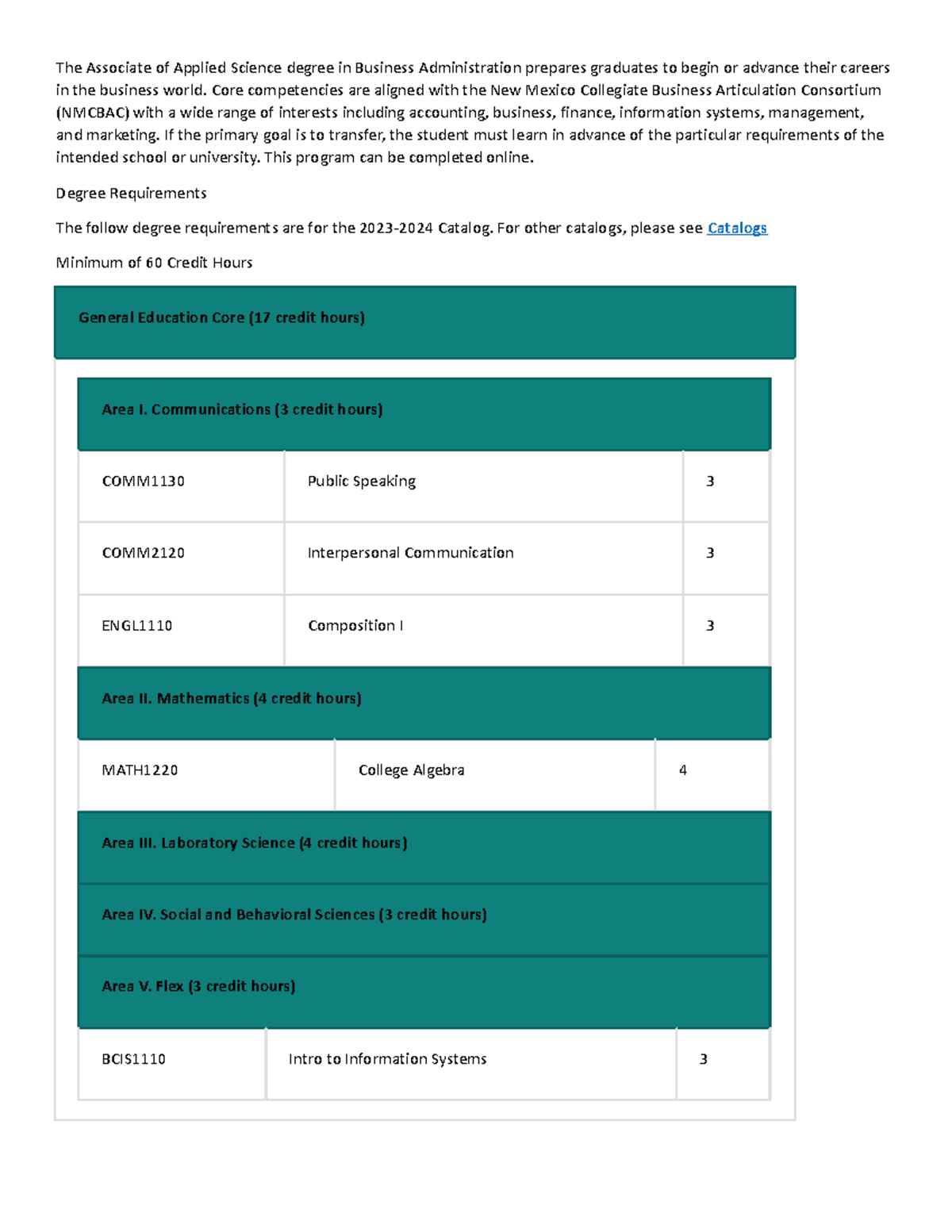
Individuals looking to specialize in this field often pursue specific academic and professional routes. The Bachelor of Applied Science (BAS) in Business Management is a popular choice, as it is designed for those who already have technical experience or an associate degree and want to move into leadership roles.
Accreditation and Standards
When choosing a program or a certification, it is crucial to look for accreditation from bodies such as the Association to Advance Collegiate Schools of Business (AACSB) or the Accreditation Council for Business Schools and Programs (ACBSP). These organizations ensure that the curriculum meets rigorous global standards for business education.
Professional Certifications
For those already in the workforce, certifications can provide the "applied" edge needed for promotion:
- Project Management Professional (PMP): Focuses on the execution of projects within scope, time, and budget.
- Certified Management Accountant (CMA): Bridges the gap between financial accounting and strategic management.
- SHRM-CP (Society for Human Resource Management - Certified Professional): Focuses on the practical application of HR policies.
Essential Skills for the Applied Manager
Success in this field requires a blend of hard and soft skills. The 2026 market places a high premium on adaptability and technical literacy.
- Analytical Thinking: The ability to deconstruct complex problems and use logic to find solutions. This often involves using software like Tableau, Power BI, or advanced Excel functions.
- Negotiation and Conflict Resolution: Applied management often involves mediating between stakeholders with competing interests. Mastering the Harvard Negotiation Project techniques can be a significant asset.
- Change Management: In a fast-paced economy, organizations must pivot frequently. Managers must understand frameworks like Kotter’s 8-Step Process for Leading Change to minimize employee resistance and ensure smooth transitions.
- Communication: Clearly articulating goals to diverse teams, from engineers to external investors, is critical. This includes the ability to write concise reports and deliver persuasive presentations.
Comparing Management Styles and Frameworks
The following table compares different approaches to management to help clarify where "applied" business management fits within the corporate hierarchy.
| Management Type | Primary Focus | Key Deliverables | Typical Tools |
|---|---|---|---|
| Theoretical Management | Research and Modeling | Academic papers, New business theories | Statistical software, Case studies |
| Applied Management | Execution and Optimization | Operational efficiency, ROI, Scalability | ERP systems, Agile boards, KPIs |
| Executive Management | Vision and Governance | Long-term strategy, Board relations | Vision statements, Market forecasting |
| Project Management | Scope and Deadlines | Specific project completion | Gantt charts, PMP frameworks |
Applied Business Management in Different Industries
While the core principles remain the same, the application varies significantly across sectors.
Technology and SaaS
In the tech sector, applied management focuses on Product-Led Growth (PLG). Managers must align engineering sprints with market demands, ensuring that software updates solve actual user pain points while maintaining a low Customer Acquisition Cost (CAC).
Healthcare Administration
Applied management in healthcare focuses on Patient Outcomes and Operational Compliance. This includes managing hospital staff scheduling to prevent burnout while ensuring that the facility meets strict government regulations and insurance requirements.
Sustainable Manufacturing
For manufacturers, the focus in 2026 is on the Circular Economy. Applied managers implement supply chain strategies that prioritize recycling and resource recovery, reducing the environmental footprint while lowering long-term material costs.
Common Challenges and Troubleshooting
Even with a strong framework, applied managers face significant hurdles. Recognizing these early is key to successful intervention.
- Siloed Departments: Often, different departments (like Sales and IT) do not communicate effectively. An applied manager breaks these silos by implementing Cross-Functional Teams and shared data platforms.
- Resistance to Technology: Employees may fear that AI or automation will replace them. Troubleshooting this requires transparent communication and a clear plan for Upskilling, showing how technology assists rather than replaces human labor.
- Data Overload: Having too much data can lead to "analysis paralysis." The solution is to refine the organization’s Dashboarding, focusing only on the "North Star" metrics that truly define success.
- Scaling Issues: A process that works for 10 people often fails for 100. Applied management uses Standard Operating Procedures (SOPs) to ensure that quality remains consistent as the organization grows.
Frequently Asked Questions
What is the difference between an MBA and a degree in Applied Business Management?
A Master of Business Administration (MBA) is often broader and covers high-level strategy, networking, and leadership theory. A degree in Applied Business Management (such as a BAS) is typically more hands-on and technical, focusing on the immediate application of skills in specific operational roles.
How does applied management improve company profitability?
It improves profitability by identifying and eliminating inefficiencies. By using data-driven decision-making, managers can reduce waste in the supply chain, optimize marketing spend, and improve employee retention, all of which directly impact the bottom line.
Is applied business management relevant for small business owners?
Absolutely. Small business owners must wear many hats, and the applied management framework provides a structured way to handle operations, finance, and marketing without getting overwhelmed. It helps them move from "working in the business" to "working on the business."
What role does ethics play in applied management?
Ethics is foundational. In 2026, consumers and investors demand transparency. Applied management includes the implementation of Corporate Social Responsibility (CSR) programs and ensuring that AI algorithms are unbiased and data usage is ethical.
Can I transition into applied management from a technical field?
Yes, this is one of the most common career paths. Engineers, IT professionals, and healthcare workers often move into applied management by augmenting their technical expertise with leadership and financial training, often through targeted certifications or a BAS degree.
Final Recommendation for Aspiring Managers
To excel in applied business management in 2026, you should focus on becoming a "T-shaped" professional: possess deep expertise in one specific area (like data analytics or operations) while maintaining a broad understanding of all business functions.
Start by auditing your current organization’s processes. Identify one bottleneck and apply a framework like DMAIC (Define, Measure, Analyze, Improve, Control) to solve it. This practical experience is more valuable than theory alone. Furthermore, stay updated on the latest Enterprise Resource Planning (ERP) software and AI integration tools, as these will be the primary instruments of management for the foreseeable future.