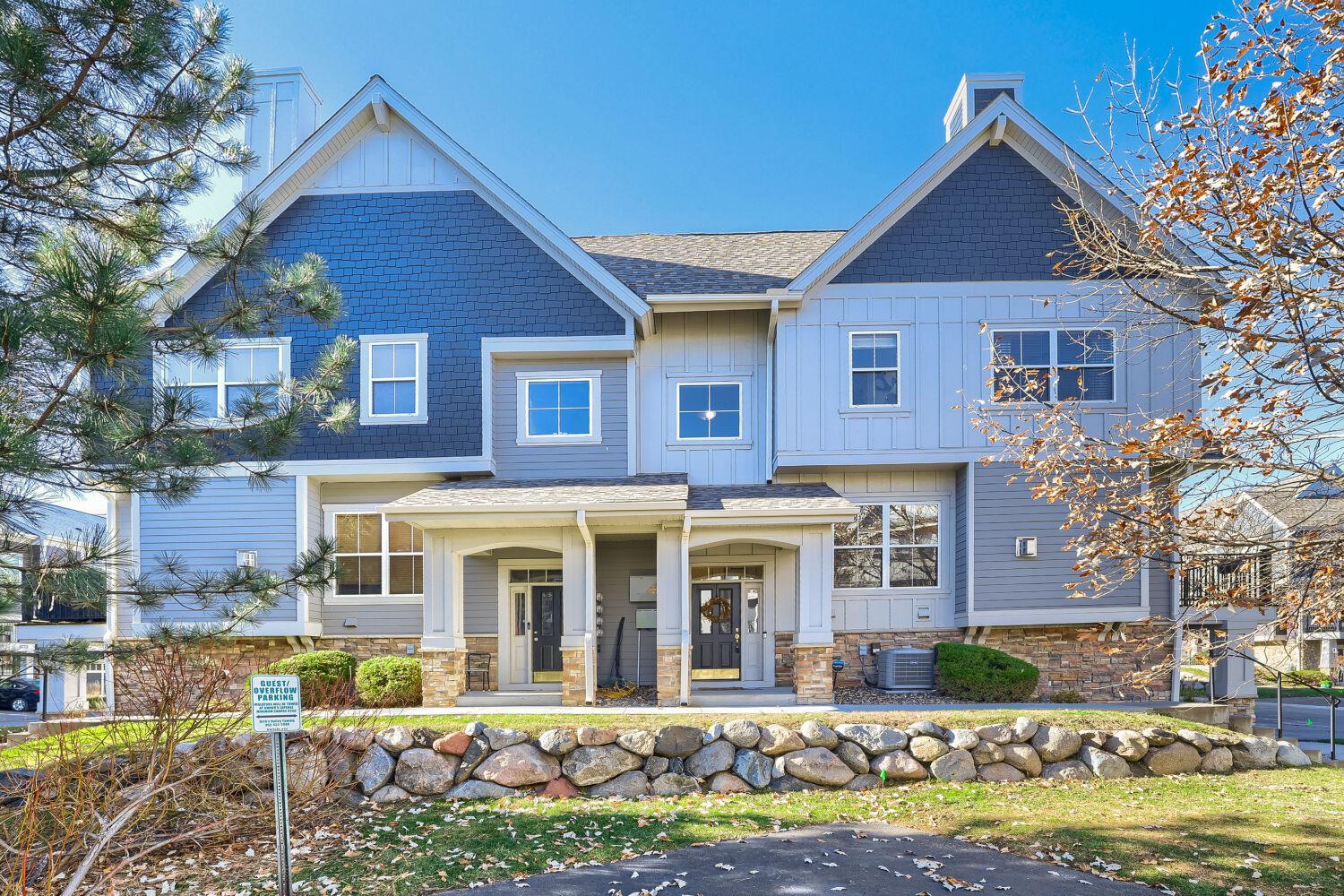
Apple Valley, Minnesota, remains one of the most sought-after suburbs in the Twin Cities metropolitan area in 2026. The real estate market here is characterized by high demand for single-family homes, driven by the nationally recognized Rosemount-Apple Valley-Eagan School District (ISD 196), extensive park systems, and a robust local economy.
The State of Apple Valley Real Estate in 2026
As we navigate through 2026, the housing market in Apple Valley has reached a point of mature stability. Following the volatility of the early 2020s, the current landscape is defined by steady appreciation rather than the aggressive spikes seen in previous years. For prospective homeowners, this translates to a market where quality and location are the primary drivers of value.
Inventory levels in Apple Valley remain relatively tight. Because the city is largely developed, there are fewer opportunities for massive new-construction subdivisions. Instead, the market is dominated by well-maintained existing homes, many of which have undergone significant renovations to meet 2026 standards for energy efficiency and open-concept living. Buyers often find themselves in competitive situations for "turn-key" properties, particularly those located within walking distance of the city’s elementary schools or the Lebanon Hills Regional Park trailheads.
The buyer demographic in 2026 continues to lean toward families and established professionals. However, a growing trend of "right-sizing" among older residents has increased the turnover of larger traditional two-story homes, providing opportunities for younger families to enter established neighborhoods. Concurrently, the demand for low-maintenance townhomes and villas has surged as the local population seeks lifestyle-oriented housing options.
Dominant Housing Styles and Architecture
The architectural profile of Apple Valley is a blend of late-20th-century suburban design and modern infill. Understanding these styles is crucial for buyers to set realistic expectations regarding maintenance and layout.
Traditional Two-Story and Colonial Revivals
Built primarily in the 1980s and 1990s, these homes represent the "quintessential" Apple Valley aesthetic. They typically feature four bedrooms on one level, attached three-car garages, and finished basements. In 2026, many of these homes in neighborhoods like Fairview Hills or Greenleaf have been updated with smart-home technology and high-efficiency HVAC systems.
Split-Entry and Multi-Level Homes
Common in the central and northern parts of the city, these homes offer an affordable entry point into the Apple Valley market. These properties, often constructed in the 1970s, provide flexible living spaces that are highly attractive to first-time buyers. The "split" design allows for a clear separation between upper-level living areas and lower-level recreational or office spaces—a feature that remains popular in the hybrid-work era of 2026.
Modern Villas and Townhomes
Responding to the demand for density and low-maintenance living, Apple Valley has seen an increase in luxury townhome developments. These units often feature main-floor primary suites and high-end finishes, catering to "empty nesters" who wish to remain in the community without the burden of lawn care or snow removal.
Neighborhood Deep-Dive: Where to Buy
Apple Valley is not a monolith; its neighborhoods offer distinct lifestyles based on their proximity to commercial hubs or natural amenities.
The Northwest Quadrant: Nature and Luxury
Bordering the massive Lebanon Hills Regional Park, this area is home to some of the city’s most premium real estate. Homes here often sit on larger lots with mature tree canopies. Proximity to the park provides residents with immediate access to miles of hiking, biking, and cross-country skiing trails. This area commands some of the highest price-per-square-foot metrics in the city.
Central Apple Valley: Convenience and Community
The area surrounding County Road 42 and Cedar Avenue is the heartbeat of the city. While this quadrant is more commercial, the residential pockets nestled behind the shopping centers offer unparalleled convenience. Homeowners here can often walk to the Apple Valley Transit Station, making it an ideal location for commuters heading into downtown Minneapolis or St. Paul.
The Southern Growth Corridor
As one of the few areas that saw later development, the southern edge of Apple Valley features newer builds (early 2000s to 2015). These homes often include modern amenities such as high ceilings, expansive mudrooms, and energy-efficient building envelopes. Neighborhoods near the Eastview High School campus are particularly popular for families seeking a modern suburban feel with newer infrastructure.
Factors Driving Property Values
Several institutional and environmental factors insulate Apple Valley home values from broader economic downturns.
- Independent School District 196: Consistently ranked among the best in Minnesota, ISD 196 is the single most significant factor for home buyers. The district’s magnet programs and high graduation rates ensure a steady influx of families, keeping demand high.
- The Minnesota Zoo Influence: Located within the city limits, the Minnesota Zoo is a major regional draw. Its presence enhances the city's reputation as a family-friendly destination and contributes to the overall desirability of the surrounding residential areas.
- Public Transit Infrastructure: The Minnesota Valley Transit Authority (MVTA) operates high-frequency bus rapid transit (BRT) along the Cedar Avenue corridor. In 2026, efficient public transit is a major asset for property values, as it reduces the stress of the "Twin Cities commute."
- Parks and Recreation: With over 50 parks and an extensive trail system, Apple Valley prioritizes green space. The City of Apple Valley Parks Department maintains high standards for these facilities, which directly impacts the curb appeal and marketability of nearby homes.
Financial Considerations: Taxes and Costs in 2026
Purchasing a home in Apple Valley requires an understanding of the Dakota County tax structure. Generally, property taxes in Dakota County are considered competitive compared to neighboring Hennepin or Ramsey counties, but they are not the lowest in the state.
2026 Estimated Market Pricing Table
| Property Type | Avg. Sale Price (2026) | Avg. Square Footage | Typical Bedrooms/Baths |
|---|---|---|---|
| Starter Single-Family | $385,000 - $440,000 | 1,600 - 2,100 | 3 Bed / 2 Bath |
| Standard Two-Story | $525,000 - $650,000 | 2,400 - 3,200 | 4 Bed / 3 Bath |
| Luxury/Executive | $750,000 - $1.2M+ | 3,500 - 5,000+ | 5 Bed / 4 Bath |
| Attached Townhome | $310,000 - $425,000 | 1,400 - 1,900 | 2-3 Bed / 2 Bath |
Note: These figures represent median market data and can vary significantly based on specific neighborhood amenities and recent renovations.
Homeowners should also budget for the "Apple Valley lifestyle" costs, which may include homeowner association (HOA) fees in newer developments or townhome complexes. These fees typically cover snow removal, lawn maintenance, and sometimes exterior insurance, ranging from $150 to $400 per month in 2026.
Navigating the Buying Process
The 2026 market requires a disciplined approach. Because inventory remains below historical averages, buyers should be prepared for a fast-paced environment.
- Pre-Approval is Mandatory: In a market like Apple Valley, sellers rarely consider offers without a robust pre-approval letter from a reputable lender.
- The Inspection Contingency: While some buyers in ultra-competitive markets waive inspections, it is highly discouraged in Apple Valley. Many homes built in the 1970s and 80s may have original sewer lines or aging electrical panels that require professional evaluation.
- Contingency Strategies: In 2026, "subject to sale" contingencies (where the buyer must sell their current home first) are still challenging to get accepted in Apple Valley. Buyers often utilize bridge loans or "buy before you sell" programs to remain competitive.
Selling Your Apple Valley Home
For residents looking to sell in 2026, the focus should be on "presentation and performance." The modern buyer is savvy and often unwilling to take on major cosmetic or structural projects.
Strategic Improvements for ROI
- Kitchen Refresh: Swapping dated granite for quartz and updating cabinet hardware provides one of the highest returns on investment.
- Energy Audits: In 2026, buyers are hyper-aware of utility costs. Providing a history of low energy bills or highlighting recent attic insulation upgrades can be a major selling point.
- Home Office Optimization: With many professionals working from home at least part-time, a dedicated, well-lit office space is no longer a luxury—it's a requirement for many buyers.
Marketing Strategy
Professional photography, 3D virtual tours, and drone footage of the neighborhood are standard in 2026. Sellers should emphasize proximity to specific ISD 196 schools and local landmarks like the Apple Valley Family Aquatic Center to attract out-of-area buyers.
Future Outlook: The Apple Valley 2040 Plan
Prospective homeowners should be aware of the city's long-term vision. The Apple Valley 2040 Comprehensive Plan outlines goals for increased density in the "Central Village" area and continued investment in pedestrian-friendly infrastructure. These developments are designed to keep the city vibrant and ensure that property values remain resilient as urban preferences evolve.
Specifically, the city is focusing on "re-greening" older commercial corridors and ensuring that as older housing stock ages, there are incentives for renovation and upkeep. This proactive governance is a key reason why Apple Valley remains a safer long-term investment compared to suburbs with less rigorous long-range planning.
Frequently Asked Questions
Which school district serves Apple Valley?
Apple Valley is primarily served by Independent School District 196 (Rosemount-Apple Valley-Eagan). A small portion of the city may fall into other neighboring districts, but the vast majority of residents have access to ISD 196 schools, including Apple Valley High School and Eastview High School. This district is a major driver of the local real estate market.
What are the average property taxes in Apple Valley?
In 2026, property taxes generally range from 1.1% to 1.3% of the home's assessed market value annually. This can vary based on specific city-level levies and voter-approved school referendums. Residents can verify specific parcel data through the Dakota County Property Taxation department.
Is Apple Valley a good place for commuters?
Yes, Apple Valley is highly commuter-friendly. The city is bisected by Highway 77 (Cedar Avenue) and is in close proximity to I-35E. Additionally, the Red Line Bus Rapid Transit provides frequent service to the Mall of America and connecting points to both Minneapolis and St. Paul, making it viable for those who prefer public transportation.
Are there many new construction homes in Apple Valley?
New construction is limited compared to neighboring cities like Lakeville or Rosemount because Apple Valley is mostly "built-out." Most new homes are either custom infill projects (replacing an older structure) or smaller, high-density townhome and luxury villa developments.
What is the proximity to the Minneapolis-St. Paul International Airport (MSP)?
Apple Valley is located approximately 15 to 20 minutes south of MSP Airport. This proximity makes it an ideal location for frequent travelers and airline employees, contributing to the steady demand for housing in the area.
Final Recommendation for Home Seekers
If you are looking to purchase a home in Apple Valley in 2026, your first step should be to identify your primary "must-haves" regarding school attendance zones and commute times. Given the stability and demand in this market, waiting for a significant "price drop" is likely an ineffective strategy. Instead, focus on finding a property with a solid foundation and a layout that fits your long-term needs, as the community's infrastructure and educational reputation continue to provide a strong buffer for property values.