Choosing between Apple and Tesla for a portfolio in 2026 depends on whether an investor prioritizes stable, cash-generative growth or high-risk, transformative upside. Apple offers a mature ecosystem with massive capital returns, while Tesla represents a high-beta play on the convergence of energy, autonomous transport, and robotics.
For over a decade, Apple and Tesla have stood as the twin pillars of retail and institutional interest, though they occupy very different niches within the technology and consumer discretionary sectors. As we navigate the financial landscape of 2026, the "Apple vs. Tesla" debate has shifted away from simple hardware comparisons—iPhones versus electric cars—to a more complex evaluation of artificial intelligence (AI) integration, platform dominance, and long-term capital allocation strategies.
Investors today must look beyond historical price charts to understand how these two titans are positioned for the remainder of the decade. This analysis breaks down the fundamental strengths, financial health, and strategic risks of both companies to help you determine which fits your investment objectives.
The Core Investment Theses: Stability vs. Disruption
At their heart, Apple and Tesla represent two distinct philosophies of value creation. Apple is the ultimate "Compounder," a company that leverages a captive user base to generate predictable, high-margin recurring revenue. Tesla is the "Disruptor," a company that enters massive, legacy industries—automotive, energy, and labor—to rewrite the rules of production and software monetization.
Apple’s Ecosystem Strategy
Apple’s primary value proposition to investors in 2026 remains its "walled garden." By controlling the hardware, the operating system, and the services layer, Apple creates high switching costs for its billions of users. The investment thesis for Apple is built on the belief that as long as the iPhone remains the central hub of digital life, Apple can successfully attach new services (Music, iCloud, Fitness+, and AI-driven features) and peripherals (Watch, AirPods, Vision Pro) to that core.
Tesla’s Platform Strategy
Tesla, conversely, is no longer viewed by sophisticated analysts as a mere car company. The 2026 thesis for Tesla focuses on its evolution into an AI and robotics platform. While vehicle sales provide the necessary cash flow, the long-term value is locked in Full Self-Driving (FSD) software licensing, the Robotaxi network, and the deployment of the Optimus humanoid robot. Investors in Tesla are essentially betting on the company's ability to solve real-world AI challenges at scale.
Apple in 2026: Ecosystem Maturation and AI Monetization
Apple’s performance in the mid-2020s has been defined by its calculated entry into generative AI. Unlike competitors who rushed to market with unrefined tools, Apple’s integration of "Apple Intelligence" across its device lineup has created a significant hardware upgrade cycle.
The iPhone Cycle and Hardware Loyalty
The iPhone remains Apple’s largest revenue driver, but its role has shifted. In 2026, the device serves as the localized processor for AI tasks. Because Apple Intelligence requires high-performance silicon (A-series and M-series chips), the company has successfully shortened the replacement cycle for its user base. For investors, this means that even as smartphone markets reach saturation globally, Apple can maintain revenue growth through higher Average Selling Prices (ASPs) and consistent upgrade demand in emerging markets like India.
Services Revenue: The High-Margin Engine
The most compelling reason to own Apple in 2026 is its Services segment. With gross margins often exceeding 70%, this division—encompassing the App Store, Apple Pay, and subscription services—provides a cushion against the cyclical nature of hardware. As of 2026, Apple’s installed base of active devices exceeds 2.2 billion. Even modest increases in "revenue per user" through AI-enhanced subscriptions translate into billions of dollars in incremental profit.
Shareholder Returns and Capital Allocation
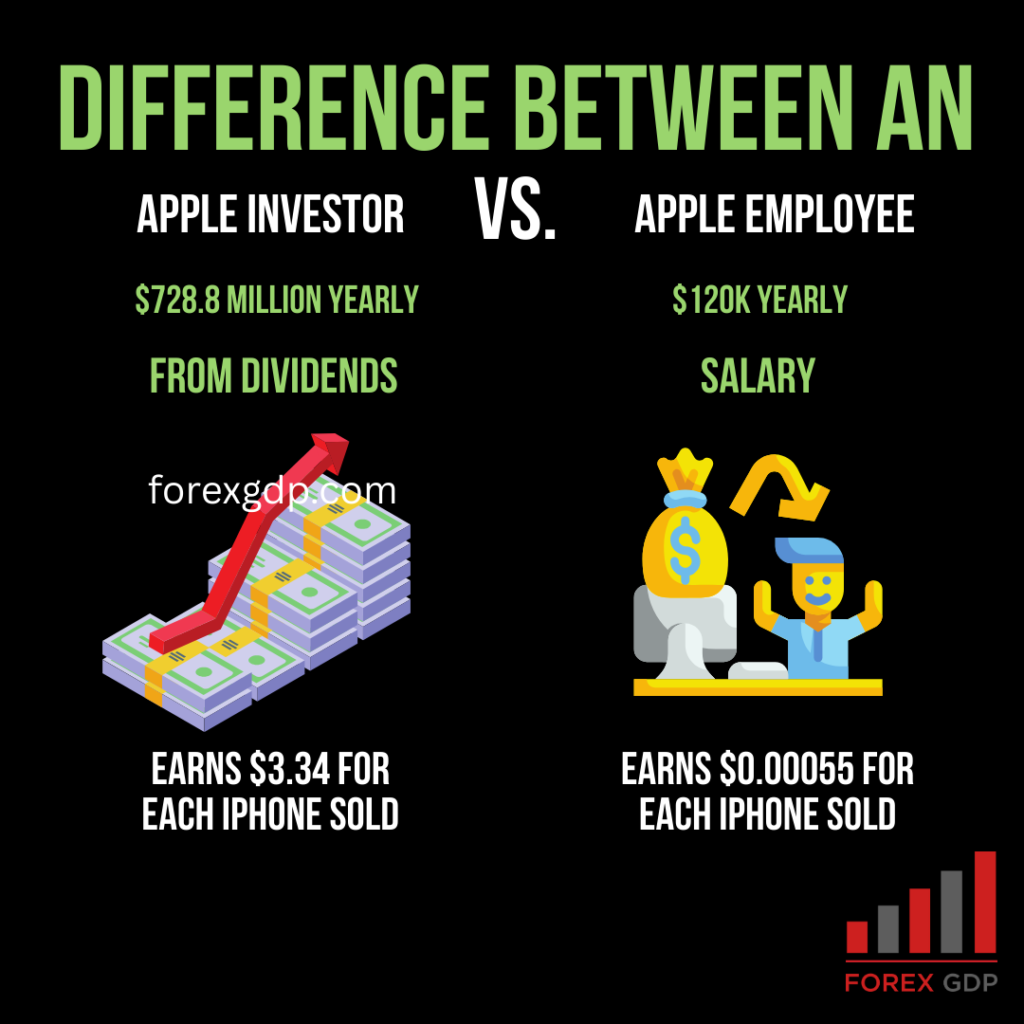
Apple is arguably the most shareholder-friendly company in the S&P 500. Its commitment to a "neutral net cash" position has led to one of the most aggressive share buyback programs in corporate history. For investors, these buybacks act as a constant tailwind for Earnings Per Share (EPS), effectively increasing your ownership stake in the company without you having to invest another dollar. According to Apple’s Investor Relations, the company consistently returns over $90 billion annually to shareholders through dividends and repurchases.
Tesla in 2026: Beyond Electric Vehicles
Tesla enters 2026 at a critical juncture. The "early adopter" phase of electric vehicles (EVs) has long passed, and the company now faces stiff competition from both legacy automakers and Chinese manufacturers. However, Tesla’s focus has shifted toward high-margin software and energy infrastructure.
Full Self-Driving (FSD) and the Robotaxi Network
In 2026, Tesla’s valuation is increasingly tied to its software capabilities. FSD has moved beyond "Beta" and "Supervised" versions to a more autonomous state in several jurisdictions. The potential for a Robotaxi network—where Tesla owners can opt their vehicles into an autonomous ride-hailing fleet—represents a massive shift from one-time hardware sales to high-margin, recurring software revenue. This "software-as-a-service" (SaaS) model is what justifies Tesla’s premium Price-to-Earnings (P/E) ratio compared to other industrial firms.
Tesla Energy: The Underappreciated Growth Driver
While the media often focuses on the Model 3 and Model Y, Tesla’s Energy Generation and Storage segment has become a significant contributor to the bottom line. The Megapack—a large-scale battery storage solution—is being deployed at record rates to stabilize power grids transitioning to renewable energy. For investors, this segment offers a different growth vector that is less sensitive to the consumer automotive cycle and more aligned with global infrastructure trends.
Optimus and the Robotics Frontier
By 2026, Tesla’s Optimus robot has moved from a prototype to limited use within Tesla’s own factories. While not yet a significant revenue contributor, the progress of Optimus provides "optionality." If Tesla can successfully commercialize a general-purpose humanoid robot, it could potentially address the multi-trillion-dollar global labor market. This represents the "moonshot" portion of the Tesla investment thesis.
Financial Performance and Valuation Metrics
Comparing Apple and Tesla requires a nuanced look at their financial statements. Apple is a fortress of stability, while Tesla is a high-growth engine with more volatile margins.
| Metric (Est. 2026) | Apple (AAPL) | Tesla (TSLA) |
|---|---|---|
| Market Cap Category | Mega-Cap Value/Growth | Mega-Cap Growth |
| Primary Revenue Source | iPhone & Services | Automotive & Energy Storage |
| Gross Margin % | 44% - 46% | 18% - 22% |
| Dividend Yield | ~0.5% - 0.7% | 0% (Reinvests all capital) |
| P/E Ratio (Forward) | 28x - 32x | 65x - 85x |
| Free Cash Flow | $100B+ | $10B - $15B |
| Beta (Volatility) | ~1.1 (Market-like) | ~2.3 (Highly Volatile) |
Balance Sheet Strength
Apple’s balance sheet is characterized by massive cash reserves and low-cost debt. This allows the company to weather economic downturns easily. Tesla’s balance sheet, while now very healthy with significant cash and minimal debt, is more focused on intensive Capital Expenditure (CapEx). Tesla must spend billions on Giga-factories and AI training clusters (Dojo) to maintain its competitive edge.
Valuation Realities
Apple usually trades at a premium to the broader market but a discount to the high-growth tech sector. Tesla’s valuation is often difficult to pin down using traditional metrics because so much of its price is based on future expectations of autonomy. A "value" investor will almost always prefer Apple, while a "growth" or "momentum" investor will be drawn to Tesla.
Comparing Risk Profiles
Neither investment is without risk. In 2026, the risks for these two companies have become more distinct.
Apple’s Risks:
- Regulatory Scrutiny: The European Union’s Digital Markets Act (DMA) and various lawsuits in the U.S. threaten Apple’s App Store commissions. If Apple is forced to open its ecosystem further, it could erode its high-margin services revenue.
- Geopolitical Sensitivity: With a large portion of its manufacturing based in China and a growing reliance on the Chinese consumer market, any trade tensions can disproportionately affect Apple.
- Innovation Stagnation: There is a persistent fear that Apple may become too "safe," focusing on incremental updates rather than the next "big thing."
Tesla’s Risks:
- Execution Risk: Tesla’s valuation assumes it will solve Level 5 autonomy and mass-produce robots. If these technologies take longer than expected, the stock could undergo a significant de-rating.
- Key Person Risk: More than almost any other company, Tesla is tied to the brand and leadership of Elon Musk. Any distraction or departure could lead to a massive loss of investor confidence.
- Commoditization of EVs: As battery technology standardizes, Tesla may lose its "hardware" moat, forcing it to compete solely on price, which could further compress margins.
Strategic Asset Allocation: Which One Fits Your Portfolio?
The decision between Apple and Tesla should be made in the context of your total portfolio and risk tolerance.
The Case for Apple
Apple is a "bedrock" stock. It is suitable for investors who want exposure to the tech sector but require lower volatility and consistent returns. It functions well in a retirement account where the goal is capital preservation and steady growth. If you believe that the smartphone is the ultimate gateway to AI and that people will continue to pay a premium for a seamless user experience, Apple is the choice.
The Case for Tesla
Tesla is a "high-conviction" stock. It is suitable for younger investors or those with a high risk-appetite who are looking for "alpha" (returns that significantly beat the market). Tesla is for those who believe that the future of the global economy is autonomous and that the company with the most data will win. If you view EVs as just the beginning of a larger energy and robotics revolution, Tesla is the superior pick.
The Hybrid Approach
Many institutional investors do not choose; they hold both. Given that Apple and Tesla often move on different catalysts—Apple on consumer spending and iPhone cycles, Tesla on AI breakthroughs and interest rate pivots—holding both can provide a balanced exposure to the technology sector.
Frequently Asked Questions
Is Tesla still considered a "growth" stock in 2026?
Yes, Tesla is still categorized as a growth stock because a large portion of its market valuation is derived from future products like the Robotaxi and Optimus. While its automotive growth has matured compared to its early years, its expansion into energy storage and AI-driven services provides a high growth ceiling that traditional "value" stocks do not have.
Why does Apple pay a dividend while Tesla does not?
Apple generates significantly more Free Cash Flow (FCF) than it can productively reinvest into its business. Therefore, it returns that excess cash to shareholders. Tesla, however, is in a capital-intensive phase. Every dollar Tesla earns is typically reinvested into building new factories, expanding the Supercharger network, or developing AI hardware.
How does high inflation affect Apple vs. Tesla?
Apple generally has higher "pricing power" due to brand loyalty, allowing it to pass some costs to consumers. Tesla is more sensitive to inflation because it affects both its manufacturing costs (lithium, steel, semiconductors) and its customers' ability to afford high-ticket items like vehicles. However, Tesla’s Energy segment often thrives during energy price spikes.
Which stock is more sensitive to interest rate changes?
Tesla is generally more sensitive to interest rates. High rates make car loans more expensive for consumers and decrease the present value of future earnings, which impacts high-multiple growth stocks like Tesla more than stable earners like Apple. When rates fall, Tesla typically sees a more significant "relief rally."
Is Apple Intelligence a real competitor to Tesla’s AI?
They are different types of AI. Apple focuses on "On-Device AI" for personal productivity, privacy, and consumer convenience. Tesla focuses on "Real-World AI" for spatial navigation, robotics, and complex physical tasks. They are not direct competitors, but they compete for the same pool of top-tier AI engineering talent.
Final Recommendation for Investors
For the conservative investor seeking to compound wealth with minimal drama, Apple remains the gold standard. Its massive share buybacks and the "stickiness" of its ecosystem provide a safety net that is rare in the technology sector. You are buying a company that has mastered the art of monetization.
For the aggressive investor looking to capture the next industrial revolution, Tesla offers a unique opportunity. While the path will be volatile and the risks are higher, the potential for Tesla to dominate the autonomous transport and energy sectors provides a level of upside that Apple’s mature business model simply cannot match.
Before making a final decision, consult with a financial advisor to ensure these assets align with your specific time horizon and risk profile. You can track the latest filings for both companies at the U.S. Securities and Exchange Commission (SEC).