The original Apple TV hardware first launched in the UK in March 2007, marking Apple’s entry into the living room. Since then, the brand has expanded into the Apple TV+ streaming service, which debuted on November 1, 2019, and the unified Apple TV app, which is now available on most major smart TVs and consoles across the United Kingdom.
Because the term "Apple TV" refers to three distinct but related entities—a physical set-top box, a streaming platform, and a software application—understanding the launch details requires looking at the timeline of each. Whether you are looking for historical context on the hardware's arrival or the current 2026 requirements for accessing content in the UK, this guide provides a comprehensive breakdown of the ecosystem.
The Evolution of Apple TV Hardware in the UK
The journey of the Apple TV hardware in the UK has been one of gradual refinement, moving from a niche "hobby" project to a central hub for home entertainment and smart home management.
The Early Years (2007–2010)
The first-generation Apple TV arrived in UK stores in late March 2007. It was a bulky, silver device equipped with a 40GB or 160GB hard drive. Unlike modern versions, it was designed primarily to sync content from a computer's iTunes library rather than stream it directly from the cloud. In 2010, the second-generation model launched, introducing the iconic small black hockey-puck design and shifting the focus toward a streaming-only architecture. This was also when UK users first saw dedicated support for localized content, though it was significantly limited compared to the US market.
The High-Definition and 4K Era
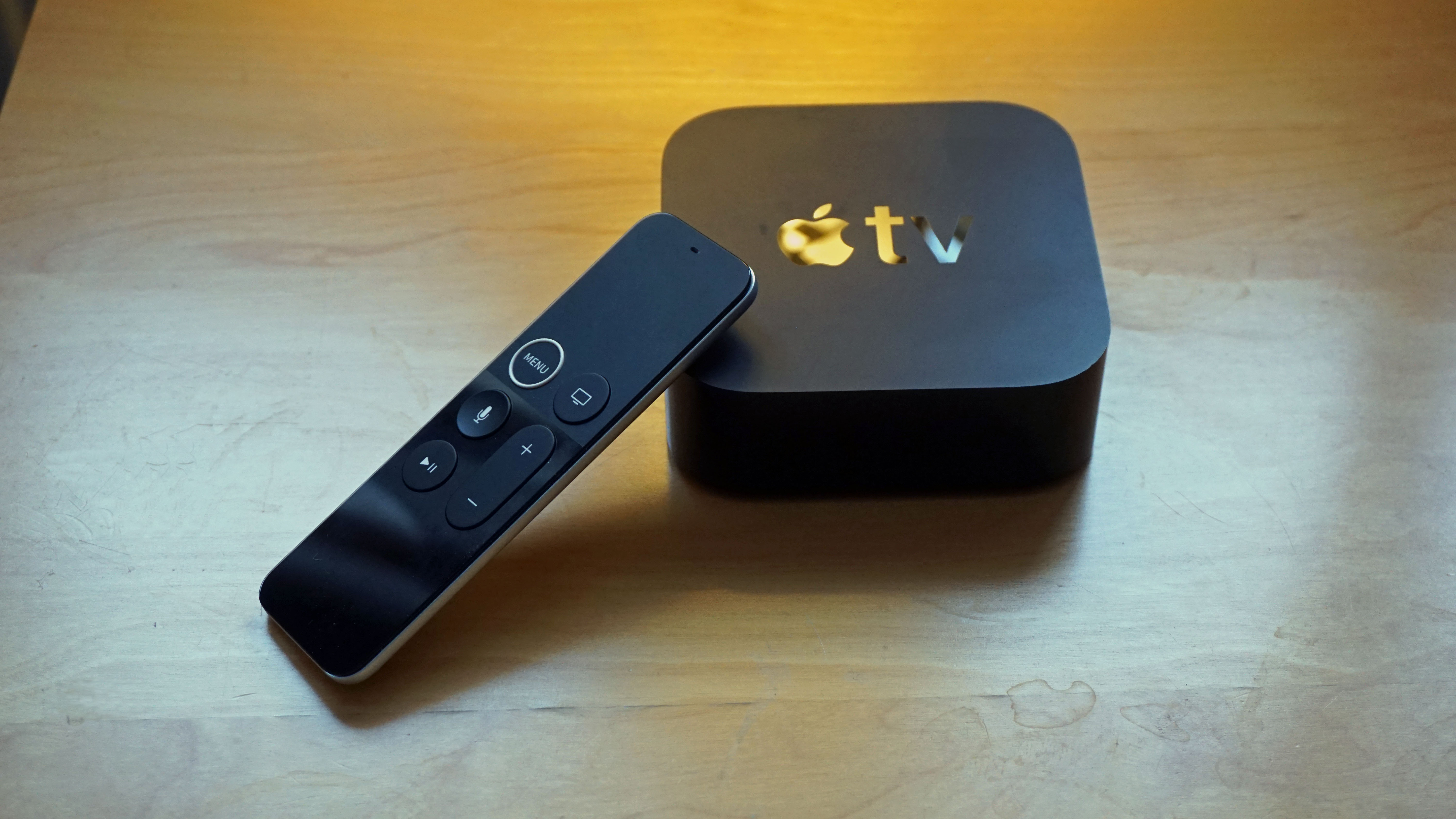
The third-generation Apple TV (2012) brought 1080p support to the UK, but the real shift occurred with the launch of the Apple TV 4K in September 2017. This model was crucial for the UK market because it coincided with the rollout of high-speed fibre broadband across the country, making 4K streaming viable for the average household.
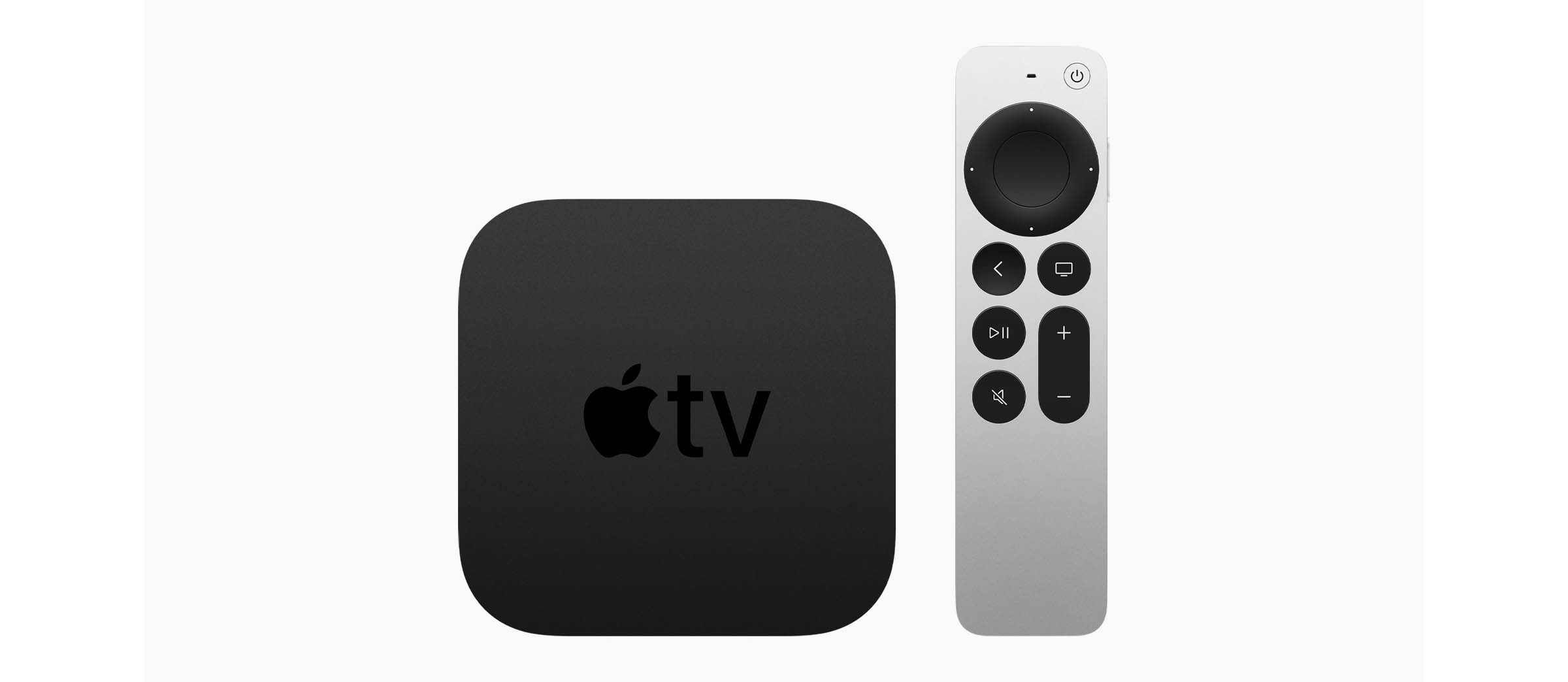
By 2026, the hardware has seen multiple iterations, with the current models focusing on the A-series chips for lightning-fast navigation and support for high-frame-rate HDR. The UK retail environment for these devices has remained stable, with availability through the Apple Store, major retailers like John Lewis and Currys, and various mobile network providers who often bundle the hardware with broadband packages.
The Launch of Apple TV+ in the United Kingdom
While the hardware had been around for over a decade, Apple’s foray into original content—Apple TV+—was a global event.
November 1, 2019: The Subscription Revolution
Apple TV+ launched in the UK on November 1, 2019. It entered a market already dominated by Netflix and Amazon Prime Video. To compete, Apple focused on high-budget original programming rather than a deep library of licensed content. In the UK, the service initially launched at a price point of £4.99 per month, which was positioned as an "add-on" service for those who already owned Apple devices.
Localised Content and British Talent
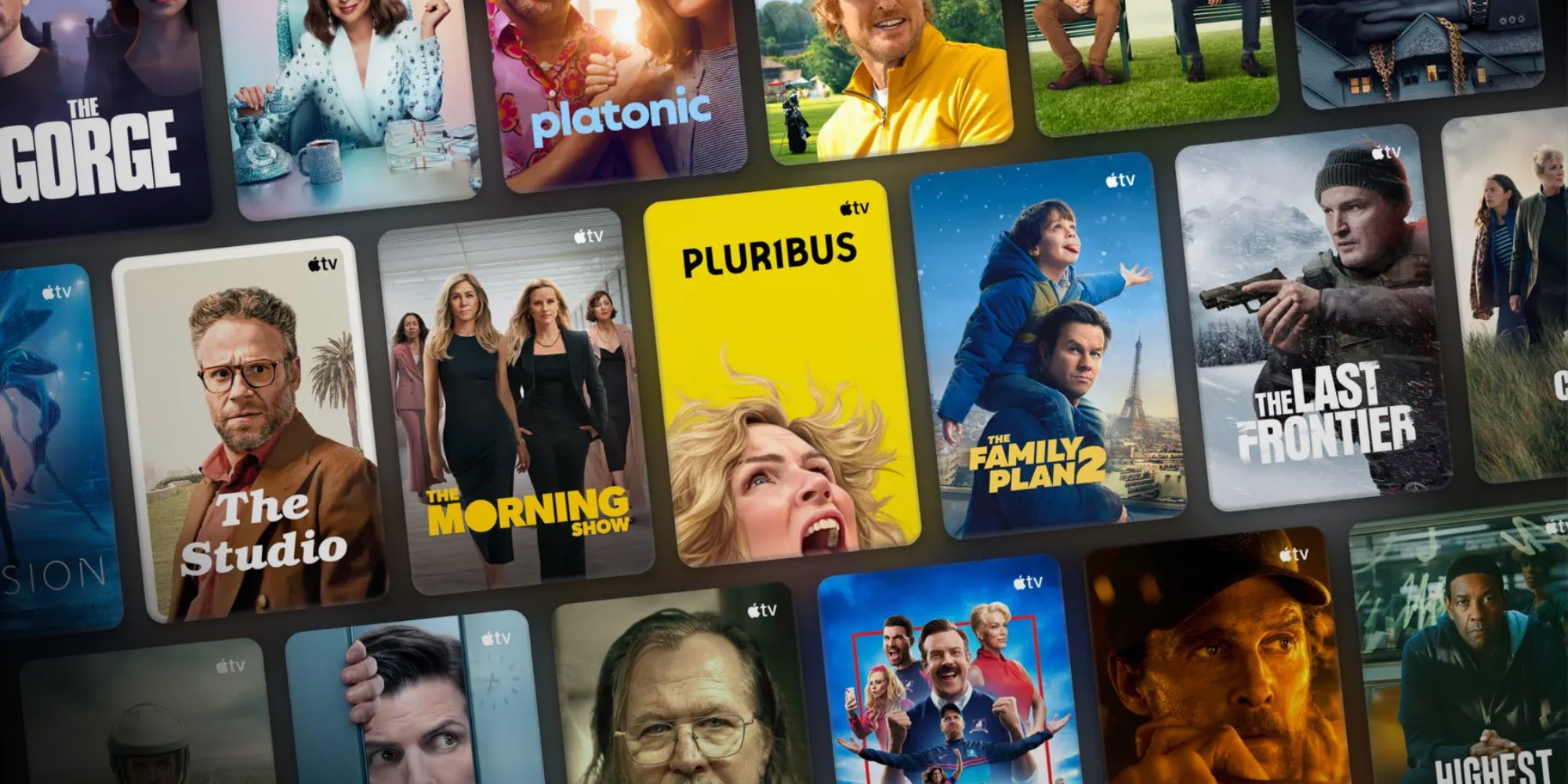
A key part of the UK launch and subsequent growth has been the heavy investment in British production. Shows like Ted Lasso, Slow Horses, and Bad Sisters were filmed or set within the UK/Ireland, helping the service gain a foothold with local audiences. By 2026, the library of "Apple Originals" has grown significantly, moving from a handful of launch titles to a robust catalogue of hundreds of series and films, many of which are produced in collaboration with UK-based studios.
The Apple TV App: Bridging the Hardware Gap
The most significant change for UK consumers was the launch of the Apple TV app on third-party hardware. This move decoupled the software from the £150+ set-top box, allowing anyone with a compatible smart TV to access Apple’s ecosystem.
Expansion to Smart TVs and Consoles
Beginning in 2019, the Apple TV app launched on Samsung, LG, and Sony televisions in the UK. This was followed by launches on Amazon Fire TV sticks, Roku devices, and gaming consoles like the PlayStation 5 and Xbox Series X.
For the UK user, the app serves as a centralized hub. It doesn't just host Apple TV+ content; it also integrates with the "Store" (formerly iTunes) for movie rentals and purchases. Furthermore, the app features "Channels," allowing UK users to subscribe to services like Paramount+, BFI Player, and MUBI directly within the Apple interface, using a single Apple ID for billing.
UK-Specific Features and Integration
One of the primary reasons for the Apple TV's success in the UK is how it handles local "Catch-up" services. Unlike some global platforms that ignore regional nuances, the Apple TV interface in the UK is deeply integrated with local broadcasters.
The "Up Next" Feature and UK Broadcasters
The "TV" app in the UK supports a feature called "Up Next," which synchronizes your viewing progress across different apps. This integration includes:
- BBC iPlayer: Full integration with the Apple TV app search and "Up Next" queue.
- ITVX: Successor to ITV Hub, fully supported on the hardware and app.
- Channel 4: Integrated streaming and on-demand content.
- My5: Support for Channel 5's digital library.
This deep integration allows UK users to search for a show like Peaky Blinders or Line of Duty using the Siri Remote, and the device will automatically know to open the BBC iPlayer app to play it. This seamless cross-app experience remains a primary selling point for the hardware in 2026.
Technical Specifications and Requirements for 2026
To get the most out of Apple TV in the UK today, users need to meet specific technical benchmarks. The standards for "premium" viewing have shifted, and 2026 hardware is designed to maximize the potential of modern UK home cinema setups.
| Feature | Requirement / Specification (2026) |
|---|---|
| Broadband Speed | Minimum 25 Mbps for 4K HDR; 50+ Mbps recommended for multiple streams. |
| Display Support | 4K Dolby Vision, HDR10+, and HLG (used by BBC iPlayer). |
| Audio Support | Dolby Atmos, 5.1, and 7.1 surround sound; Spatial Audio for AirPods. |
| Connectivity | HDMI 2.1 (for high frame rate), Wi-Fi 6E or Ethernet (1Gbps). |
| Apple ID | UK-based Apple ID required for UK-specific apps and currency. |
| Hardware Options | Apple TV 4K (Wi-Fi) or Apple TV 4K (Wi-Fi + Ethernet + Thread). |
The Importance of HLG for UK Viewers
A technical detail often overlooked is HLG (Hybrid Log-Gamma). This is the HDR format favored by the BBC for its 4K broadcasts (such as Glastonbury, Wimbledon, and major international football tournaments). Apple TV 4K hardware supports HLG, ensuring that UK users get the best possible picture quality when using the iPlayer app—something that some competing US-centric streaming sticks have historically struggled with.
Costs and Subscription Models in the UK (2026)
As of 2026, the pricing structure for Apple TV in the UK has matured into several tiers. While the hardware requires a one-time purchase, the software services operate on a recurring model.
- Apple TV+ Standalone: The monthly subscription for Apple Originals. Following several industry-wide price adjustments since its 2019 launch, the service currently sits in the £8.99 to £12.99 range, depending on the current promotional landscape.
- Apple One Bundles: Most UK users find better value in Apple One. This bundle includes Apple TV+, Apple Music, Apple Arcade, and iCloud+ storage. For families in the UK, this is often the most cost-effective way to access the service.
- Hardware Pricing: The Apple TV 4K box remains a premium product, typically retailing between £149 and £169.
- The "Store" Model: Separate from the subscription, users can still rent or buy individual blockbuster films. This remains a popular option in the UK for accessing movies that have recently left the cinema but are not yet on a subscription service.
Common Setup Challenges in the UK
While the Apple TV is generally "plug-and-play," the UK market has specific quirks that can lead to troubleshooting needs.
Account Region Issues
If you have an Apple ID created in another country, you will not find UK-specific apps like BBC iPlayer or ITVX in the App Store. The Apple TV storefront is tied strictly to the region of your Apple ID. To access UK content, you must ensure your account is set to the United Kingdom, which requires a UK billing address and payment method.
HDMI Cable Quality
With the rise of 4K Dolby Vision at 60Hz, many older HDMI cables found in UK homes are insufficient. Users often experience "blackouts" or flickering if they use a standard High-Speed cable. For a stable 2026 experience, a Certified Ultra High Speed HDMI cable (HDMI 2.1) is recommended to handle the bandwidth required for the highest quality video and audio formats.
Internet Service Provider (ISP) Throttling
Some UK ISPs may manage traffic during peak evening hours (8 PM – 10 PM). Since Apple TV streams at a very high bitrate (often higher than Netflix or Disney+), users on slower fibre-to-the-cabinet (FTTC) connections may experience buffering. Ensuring your Apple TV is connected via an Ethernet cable rather than Wi-Fi can significantly mitigate these issues.
Frequently Asked Questions
Is there a free version of Apple TV in the UK?
There is no free version of the Apple TV+ subscription service, but the Apple TV App itself is free to download and use. You can use the app to watch any content you have purchased from iTunes or to access free "Catch-up" services like BBC iPlayer, provided you have the necessary TV license and third-party accounts. Apple often provides 3-month or 6-month free trials of Apple TV+ with the purchase of new hardware.
Can I watch live UK television on Apple TV?
Yes, but not through a single "tuner" interface. You must use the individual apps for each broadcaster. Apps like ITVX, BBC iPlayer, and Channel 4 all offer "Watch Live" features. Additionally, third-party services like EE TV (formerly BT TV) and Sky Go have dedicated apps for Apple TV that allow for a more traditional live-channel surfing experience.
Does Apple TV 4K work with Sky Q or Sky Glass?
Apple TV is a standalone device that connects to your TV's HDMI port. It does not "plug into" a Sky Q box. However, the Apple TV+ app is available on Sky Q, Sky Glass, and Sky Stream. This means if you are a Sky subscriber in the UK, you don't necessarily need to buy the Apple hardware to watch Apple’s original shows.
Do I need a 4K TV to use Apple TV in the UK?
No. The Apple TV 4K is backwards compatible with standard HD televisions. It will automatically detect the maximum resolution of your TV and output the best possible signal. However, you will not see the benefits of HDR or 4K resolution unless your television supports those standards.
How do I get the UK apps on my Apple TV?
To get UK-specific apps, go to the App Store on your Apple TV home screen. Use the search function to find "BBC iPlayer," "ITVX," or "Channel 4." If these do not appear, verify that your Apple ID region is set to the United Kingdom in your account settings.
Summary and Next Steps
The launch of Apple TV in the UK has evolved from a simple hardware release in 2007 to a multi-faceted digital ecosystem in 2026. For the best experience, UK users should consider the Apple TV 4K hardware for its superior integration with local broadcasters and its high-performance streaming capabilities.
If you are just starting, the first step is to check if your current Smart TV already has the Apple TV app installed. If it does, you can sign in with your Apple ID and start a trial of Apple TV+ to explore the content library. For those seeking the highest possible audio and video quality, or those who want to integrate their streaming with Apple Fitness+ or Apple Arcade, investing in the dedicated 2026 Apple TV 4K hardware remains the gold standard for UK home entertainment.
For more information on current UK subscriptions and hardware availability, you can visit the official Apple UK website or consult the BBC iPlayer help pages for specific integration guides.