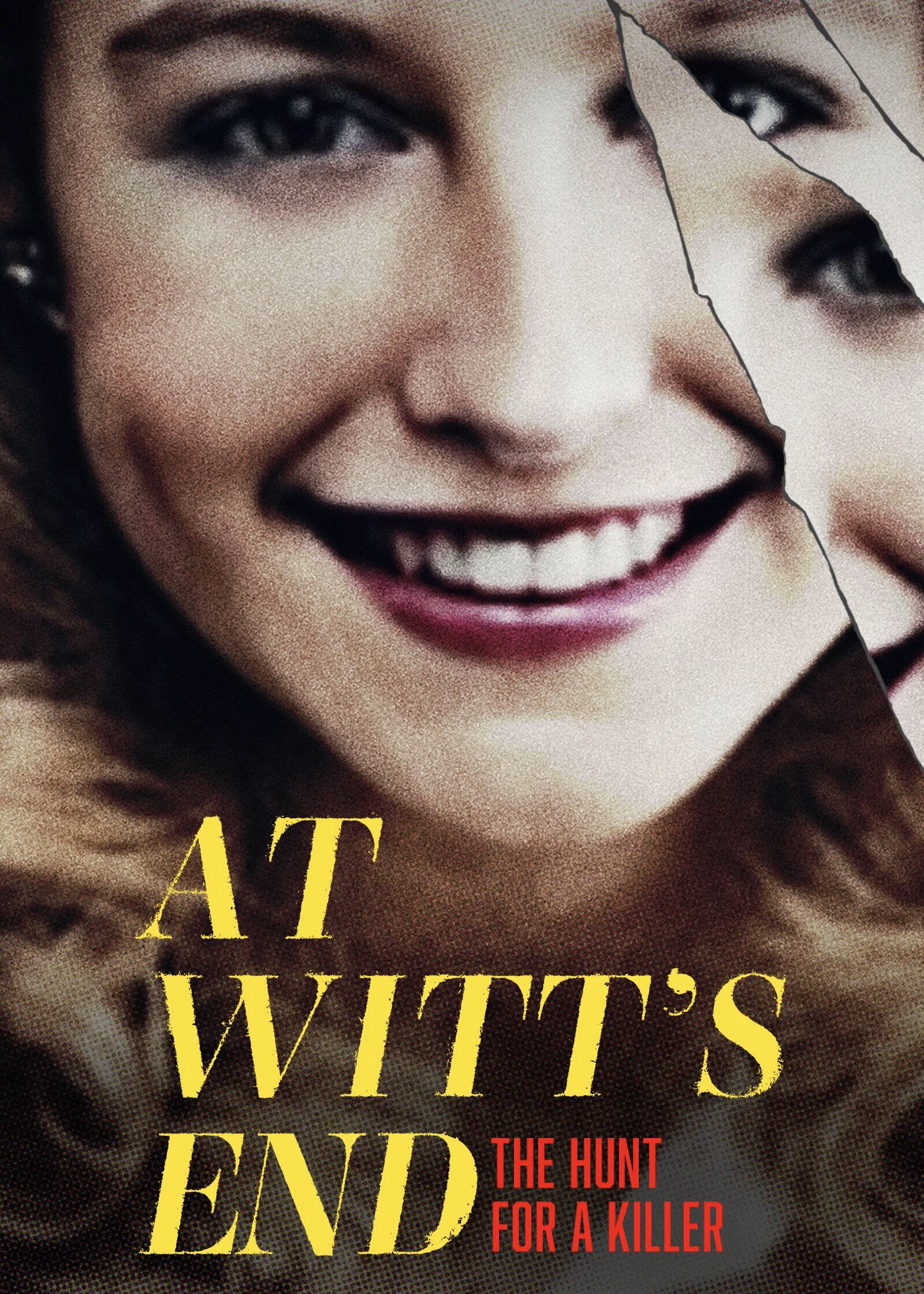
At Witt’s End: The Hunt for a Killer is a four-part investigative docuseries that chronicles the decades-long cold case of 19-year-old Melissa Witt, who was abducted and murdered in 1994. The series follows law enforcement and independent investigators as they utilize modern DNA technology and historical evidence to finally identify her killer.
The 1994 disappearance of Melissa "Misty" Witt remains one of Arkansas's most haunting cold cases. For over thirty years, the community of Fort Smith and Witt’s family have sought answers regarding the person responsible for her abduction from a bowling alley parking lot and her subsequent murder. The docuseries, which premiered on platforms like Hulu and Disney+, brought renewed national attention to the case, highlighting the intersection of traditional detective work and the burgeoning field of investigative genetic genealogy. As of 2026, the investigation continues to leverage the momentum generated by this media coverage, focusing on forensic evidence that was previously untestable.
The Disappearance of Melissa Witt: A Timeline of Events
To understand the search for the killer, one must first examine the events of December 1, 1994. Melissa Witt, a 19-year-old honors student at Westark Community College, was a young woman with a bright future. On the night she vanished, she had planned to meet her mother at Bowling World in Fort Smith, Arkansas. Melissa arrived at the parking lot around 7:00 PM, but she never made it inside the building.
When Melissa failed to appear, her mother initially assumed she had changed her plans. However, when Melissa’s car was found abandoned in the Bowling World parking lot the following morning, the situation turned dire. Investigators found evidence of a struggle near her vehicle, including her keys and a pool of blood. This immediate discovery shifted the missing person case into a high-priority abduction investigation.
The search lasted for six agonizing weeks. On January 13, 1995, two hunters discovered Melissa’s nude body in a remote area of the Ozark National Forest, approximately 50 miles away from the abduction site in Franklin County. The location was rugged and difficult to access, suggesting the killer had intimate knowledge of the local terrain or had specifically scouted the area to dispose of the body. The discovery transformed the search from a rescue mission into a homicide investigation that would span decades.
Analyzing the Docuseries: "At Witt’s End"
The docuseries At Witt’s End: The Hunt for a Killer serves as both a retrospective of the original investigation and a real-time account of new leads. Directed by Amy Bucher and produced by ABC News Studios, the series focuses heavily on the work of LaDonna Humphrey, an investigative journalist and author who dedicated over a decade to the case. Humphrey’s book, The Girl I Never Knew, served as a foundational text for the series’ narrative.
The production is structured to guide the viewer through the frustrations of the Fort Smith Police Department and the Arkansas State Police. By 2026, the series remains a benchmark for true-crime storytelling because it avoids sensationalism, instead focusing on the "Witt Files"—a collection of documents, witness statements, and evidence logs compiled by investigators. The series highlights the psychological toll on the investigators and the Witt family, particularly Melissa's mother, Mary Ann Witt, who passed away before seeing an arrest in the case.
One of the most compelling aspects of the documentary is its exploration of "tunnel vision" in law enforcement. It examines how early investigators may have focused too narrowly on certain leads while overlooking others, a common hurdle in complex cold cases. The series uses high-quality re-enactments and archival footage to recreate the atmosphere of 1990s Arkansas, providing context for the investigative limitations of the era.
Key Evidence and Investigative Hurdles
The hunt for Melissa Witt’s killer has been plagued by a lack of direct forensic links, a common issue in cases predating the DNA revolution. However, several pieces of evidence remain central to the ongoing investigation in 2026:
- The Crime Scene at Bowling World: The presence of blood and the struggle near Melissa’s car provided DNA samples, but in 1994, technology only allowed for basic typing. Over the years, these samples have been preserved for more advanced sequencing.
- The Ligature and Clothing: Melissa’s body was found without her clothing, which has never been recovered. Investigators believe the killer kept her clothes or disposed of them elsewhere. The cause of death was determined to be strangulation, and the specific nature of the ligature marks has been used to profile the suspect’s potential background or profession.
- The "Anonymous Letter": Years after the murder, an anonymous individual sent a letter containing details about the crime that had not been released to the public. The series explores the efforts to trace this letter, which many believe was written by someone with direct knowledge of the killer’s identity or the killer himself.
The primary hurdle has always been the geographical spread of the crime. The abduction occurred in an urban parking lot in Sebastian County, while the body was found in a rural forest in Franklin County. This necessitated cooperation between multiple agencies, which, in the mid-90s, often faced communication barriers that modern digital databases have since mitigated.
Profiles and Suspects in the Witt Case
Over the last thirty years, several individuals have been scrutinized as potential suspects. The docuseries examines these figures in detail, weighing the evidence against them.
| Suspect Name | Background/Connection | Status of Investigation |
|---|---|---|
| Larry Swearingen | Convicted murderer executed in Texas for the 1998 death of Melissa Trotter. | Frequently cited due to similarities in victim names and MO; however, he was in Texas at the time of Witt's disappearance. |
| Charles Ray Vines | Known as the "River Valley Killer," convicted of multiple rapes and murders in the area. | A strong candidate due to his proximity and history of violence, though no definitive DNA link has been established for Witt. |
| The "Anonymous" Correspondent | An unknown individual who provided non-public details of the crime in a letter. | Currently the focus of handwriting analysis and linguistic profiling in 2026. |
| Unnamed Local Person of Interest | A local resident mentioned in investigative files who had knowledge of the disposal site. | Remains under investigation as forensic technology improves. |
The series also touches on the possibility of a "random" predator—someone passing through the area who targeted Melissa opportunistically. However, the choice of the disposal site in the Ozarks suggests a level of familiarity with the region that points toward a local or frequent visitor.
The Role of Investigative Genetic Genealogy
As of 2026, the most significant hope for a resolution in the hunt for Melissa Witt's killer lies in Investigative Genetic Genealogy (IGG). This process involves taking degraded DNA samples from a crime scene and uploading them to public databases like GEDmatch or FamilyTreeDNA to find distant relatives of the perpetrator.
In the years following the release of the docuseries, law enforcement agencies have partnered with private labs, such as Othram, to build a genealogical profile of the suspect. This technology has successfully solved hundreds of cold cases, including the Golden State Killer. For the Witt case, the challenge remains the quality of the preserved DNA. The "At Witt's End" investigation highlights the meticulous "root-cause" analysis required to extract viable genetic material from items that have been in evidence lockers for three decades.
The docuseries emphasizes that science is only one part of the equation. The other part is the "human element"—the witnesses who may have been too afraid to speak in 1994 but are now willing to come forward as the killer ages or passes away.
The Impact of Public Advocacy and "The Witt Files"
LaDonna Humphrey’s involvement transformed the case from a stagnant police file into a living investigation. Her creation of the "Justice for Misty Witt" social media presence and her podcast episodes ensured that the case remained in the public consciousness. This advocacy is a central theme of the docuseries, illustrating how private citizens can support law enforcement by generating new tips.
In 2026, the "Witt Files" serve as a digital archive that is constantly updated with community input. The series argues that the "hunt for a killer" is a collective effort. By keeping Melissa’s story alive, advocates prevent the case from being filed away and forgotten. The docuseries specifically targets a younger generation of viewers who may not have been alive in 1994, encouraging them to look at old family photos or listen to stories from older relatives who lived in Fort Smith at the time.
Frequently Asked Questions
Has Melissa Witt’s killer been caught as of 2026?
As of 2026, no individual has been formally charged and convicted for the murder of Melissa Witt. However, investigative genetic genealogy and renewed interest from the 2024 docuseries have led to several high-priority leads that are currently being vetted by the Arkansas State Police and the Fort Smith Police Department.
Where can I watch "At Witt's End: The Hunt for a Killer"?
The docuseries is primarily available for streaming on Hulu and Disney+ in the United States. It was produced by ABC News Studios and may also be found on various international streaming platforms that carry ABC or Disney+ content.
What was the significance of the "Mickey Mouse" watch?
Melissa was known to wear a Mickey Mouse watch, which was missing from her body when she was found. For years, investigators have searched for this item, believing that the killer may have kept it as a trophy. The watch remains one of the most significant "missing pieces" of physical evidence in the case.
Who is LaDonna Humphrey?
LaDonna Humphrey is an investigative journalist, author, and private investigator who has been a driving force in the Melissa Witt case for over a decade. She is the author of The Girl I Never Knew and is featured prominently in the docuseries as she navigates the complexities of the investigation and manages the "Witt Files."
Why did it take so long to use DNA in this case?
While DNA testing existed in the 1990s, the samples collected were often too small or degraded for the technology of that time. Furthermore, the specialized field of genetic genealogy, which uses DNA to map out family trees, only became a viable law enforcement tool around 2018. The current efforts in 2026 utilize the most advanced "Ultra-Deep" sequencing methods available.
Is the bowling alley where she was abducted still open?
The site of the abduction, Bowling World in Fort Smith, has undergone various changes over the years. While the physical location remains a part of the local landscape, the security and surveillance technologies in the area have been vastly upgraded since 1994, a point often made in the docuseries to highlight how much harder such a crime would be to commit today without being captured on camera.
Next Steps for the Investigation
The hunt for the killer of Melissa Witt is currently in a critical phase. Law enforcement continues to encourage anyone with information, no matter how small or seemingly insignificant, to come forward. The focus has shifted toward individuals who lived in the Fort Smith or Franklin County areas in 1994 and may have noticed a sudden change in a friend or family member’s behavior following the December 1st disappearance.
If you have information regarding the Melissa Witt case, you are urged to contact the Fort Smith Police Department or the Arkansas State Police. Anonymous tips can often be the catalyst for a breakthrough in cold cases that have spanned decades. The resolution of this case would not only bring justice for Melissa but also provide long-overdue closure to the community of Fort Smith.