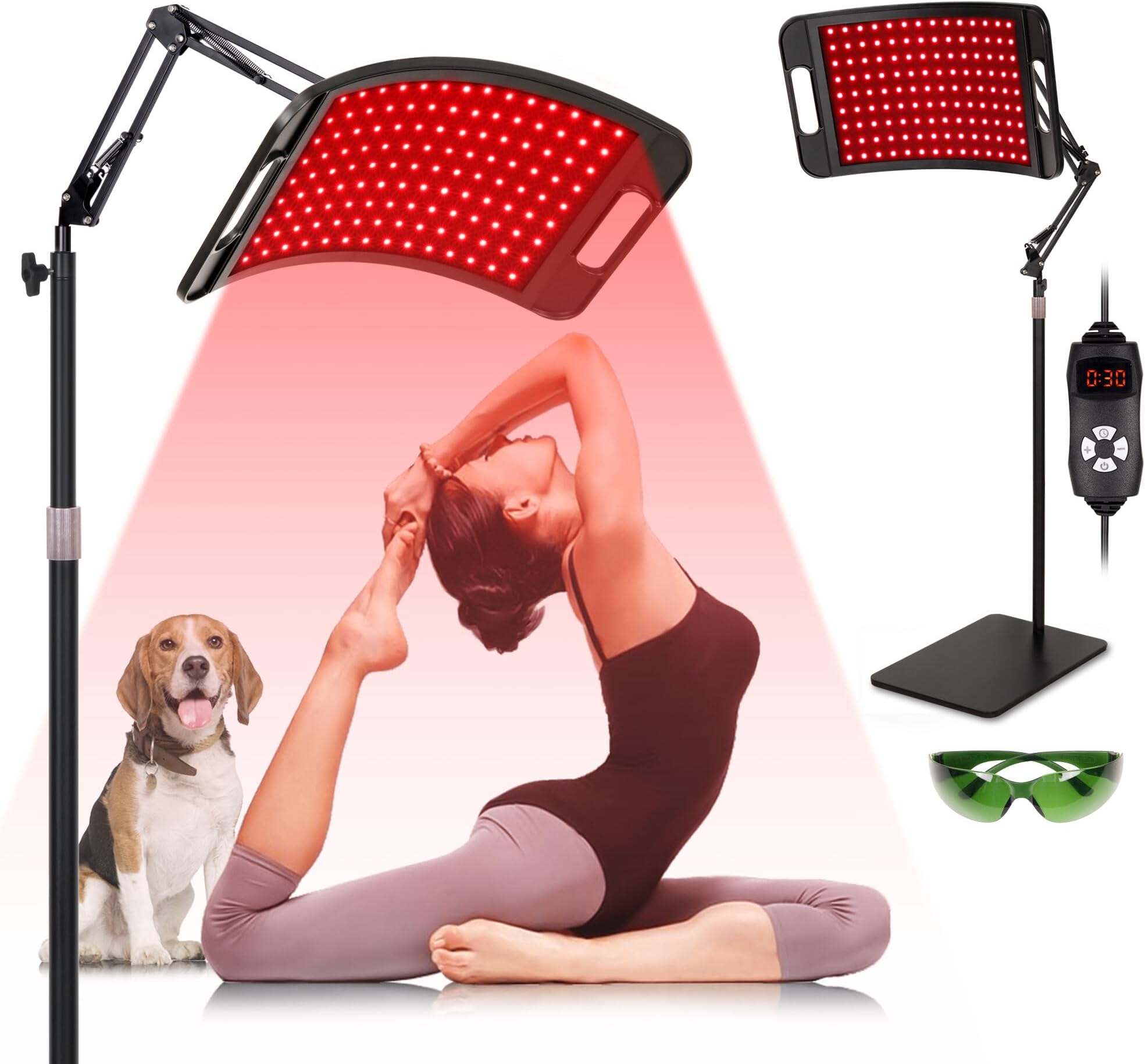
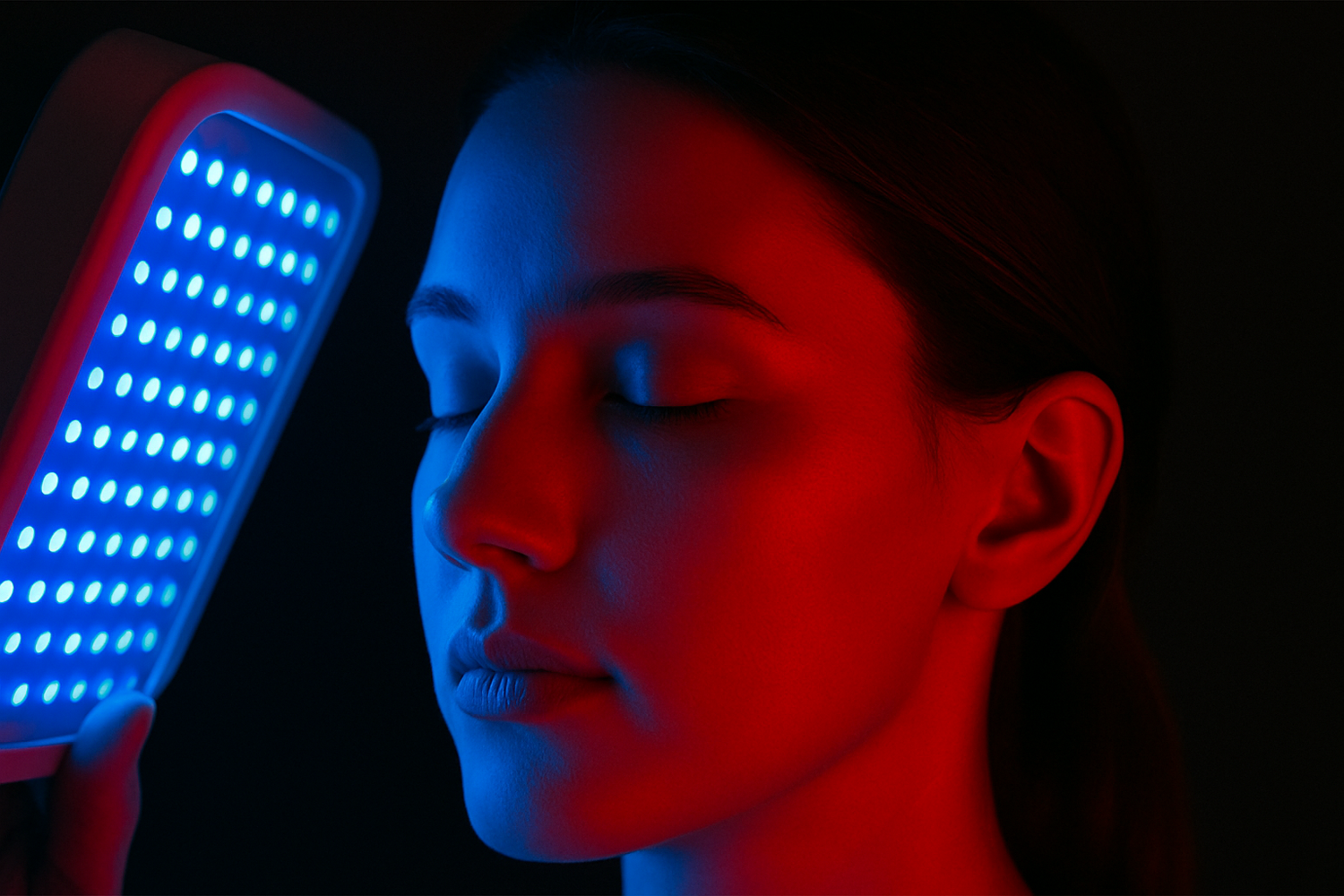
At-home red light therapy devices use specific wavelengths of light, typically between 600nm and 900nm, to stimulate cellular repair, reduce inflammation, and boost collagen production. By delivering concentrated photons to the skin and deeper tissues, these devices allow users to achieve clinical-grade photobiomodulation results for skin health and pain management from home.
Red light therapy (RLT), also known as photobiomodulation (PBM) or low-level laser therapy (LLLT), has transitioned from a specialized clinical treatment to a staple of the 2026 home wellness market. While the technology was once restricted to high-end dermatology offices and sports medicine clinics, advancements in LED efficiency and manufacturing have made powerful, medical-grade devices accessible to the general public. These devices do not function like standard lighting; they are precision-engineered tools designed to trigger a biological response within the mitochondria of human cells.
The Science of Photobiomodulation: How It Works
To understand why at-home red light therapy devices are effective, one must understand the biological mechanism known as photobiomodulation. When the skin is exposed to specific red and near-infrared (NIR) wavelengths, the light energy is absorbed by cytochrome c oxidase, a protein in the mitochondria (the powerhouses of the cell).
This absorption kicks off a series of metabolic events. Most notably, it encourages the production of adenosine triphosphate (ATP), which provides the energy necessary for cellular processes. Furthermore, it triggers the release of nitric oxide and reduces oxidative stress. As of 2026, the medical consensus remains that this process helps cells repair themselves and replicate more efficiently. This explains why the therapy is used for such a wide range of applications, from anti-aging to deep muscle recovery.
The Role of Specific Wavelengths
Not all light is created equal in the context of therapy. At-home devices focus on the "optical window," where light can penetrate human tissue most effectively.
- Red Light (630nm – 670nm): This range is largely absorbed by the skin tissues. It is the gold standard for promoting collagen production, reducing fine lines, and treating surface-level skin conditions like acne or mild scarring.
- Near-Infrared Light (810nm – 850nm): NIR light is invisible to the human eye and penetrates much deeper than red light. It reaches muscles, connective tissues, and even bone. This makes it the preferred choice for treating joint pain, deep tissue inflammation, and accelerating muscle recovery after exercise.
High-quality 2026 devices often feature "Multi-Wave" technology, allowing users to emit both red and NIR light simultaneously to treat multiple layers of tissue in a single session.
Essential Technical Specifications for Selection
Choosing an at-home red light therapy device requires looking past marketing claims and focusing on technical data. In the 2026 market, three metrics determine the efficacy of a device: irradiance, EMF output, and flicker rate.
Irradiance (Power Density)
Irradiance is perhaps the most critical factor. It measures the amount of light energy reaching a specific area of the skin, typically expressed in milliwatts per square centimeter ($mW/cm^2$). Without sufficient irradiance, the cells will not receive enough photons to trigger a biological response.
For a device to be considered effective for deep tissue treatment at a distance of 6 to 12 inches, it should ideally provide an irradiance of at least $50 mW/cm^2$ at that distance. Be wary of manufacturers who claim high irradiance but measure it directly against the LED bulbs, as light intensity drops significantly as you move away from the source.
EMF and Flicker
As consumers become more health-conscious in 2026, the demand for "low-EMF" (electromagnetic field) devices has surged. High-quality devices are engineered with shielded components to ensure that the user is not exposed to unnecessary non-ionizing radiation during their treatment.
Similarly, the flicker rate is a technical detail that impacts user experience. Many cheap LEDs pulse at a high frequency that, while invisible to the eye, can cause eye strain or headaches in sensitive individuals. Premium at-home devices now utilize "flicker-free" drivers to provide a constant, stable stream of light energy.
Categorizing At-Home Device Types
The 2026 market offers several form factors, each suited to specific goals. Choosing the right one depends on whether you are targeting a localized issue or seeking systemic benefits.
Light Panels (Small, Medium, and Large)
Panels are the most versatile option. Small "tabletop" panels are ideal for facial treatments, while large, full-body panels allow for systemic inflammation reduction and total-body skin rejuvenation. Panels offer the highest irradiance levels because they can house larger power supplies and cooling fans.
Wearable Masks and Wraps
For those focusing strictly on aesthetics, LED face masks are highly popular. These sit directly on the skin, meaning they require lower irradiance to be effective. Wraps are flexible belts embedded with LEDs, designed specifically for treating the lower back, knees, or shoulders. They are convenient because they allow the user to remain mobile during treatment.
Targeted Torches and Wands
These are small, handheld devices used for very specific areas, such as a single joint or a cold sore. While portable, they are time-consuming if you intend to treat larger areas of the body.
Comparing Popular 2026 Device Configurations
| Device Type | Ideal For | Typical Wavelengths | Irradiance Level | Best Use Case |
|---|---|---|---|---|
| Targeted Wand | Spot treatments | 660nm, 850nm | High (at contact) | Cold sores, finger joints |
| LED Face Mask | Skin rejuvenation | 630nm, Near-IR | Low/Medium | Acne, fine lines, wrinkles |
| Tabletop Panel | Face & Décolleté | 660nm, 850nm | High ($>100 mW/cm^2$) | Targeted anti-aging, mood |
| Flexible Wrap | Joint/Muscle pain | 660nm, 850nm | Medium | Back pain, recovery on-the-go |
| Full-Body Panel | Systemic health | Multi-wave (600-900nm) | Very High | Elite recovery, sleep, skin |
Safety Protocols and Best Practices
While red light therapy is generally considered safe and non-invasive, following proper protocols is essential to avoid "diminishing returns" or minor side effects.
The Biphasic Dose Response (Arndt-Schulz Law)
In photobiomodulation, more is not always better. The Arndt-Schulz Law states that there is an "optimal dose" of light. If you provide too little light, you get no effect. If you provide the correct amount, you get a peak stimulus. However, if you provide too much light, you can actually inhibit the healing process or cancel out the benefits.
Most 2026 manufacturers recommend sessions of 10 to 20 minutes per treatment area. Using a high-powered panel for an hour on the same spot is likely counterproductive.
Eye Protection
Although red light is not UV light and does not "burn" the eyes, the sheer intensity of the LEDs in a clinical-grade home panel can be overwhelming. Near-infrared light is invisible but still enters the eye. Most devices come with opaque goggles or "blackout" glasses. It is highly recommended to use these, especially when using panels that face the eyes directly.
Contraindications
Individuals with active skin cancer, those who are pregnant, or people using photosensitizing medications (such as certain antibiotics or Retin-A) should consult a medical professional before starting RLT. While the light is non-ionizing, its effect on cellular proliferation means caution is necessary in the presence of malignancies.
Calculating the Correct Dose at Home
In 2026, many high-end devices include integrated apps that calculate "Joules" for the user. However, understanding the manual calculation is helpful for ensuring you reach the therapeutic window.
The formula for the dose is: Irradiance ($mW/cm^2$) x Time (seconds) / 1,000 = Joules/$cm^2$
Most clinical studies suggest a dose between 3J/$cm^2$ and 50J/$cm^2$ is effective, depending on whether you are treating surface skin (lower dose) or deep tissue (higher dose). If your panel provides $50 mW/cm^2$ at 6 inches, a 10-minute session (600 seconds) delivers 30 Joules per square centimeter—a perfect mid-range dose for muscle recovery.
Troubleshooting Common Issues
When first using at-home red light therapy devices, users may encounter several common points of confusion:
- The "Broken" LEDs: Users often report that some LEDs on their device aren't working. In reality, these are usually the Near-Infrared (850nm) bulbs. Because 850nm is outside the visible spectrum for humans, the bulbs will appear dark or emit a very faint dull red glow, even though they are emitting powerful energy.
- Skin Redness: A slight pinkish glow or warmth on the skin after a session is normal and is usually due to increased local blood circulation (vasodilation). This should subside within an hour.
- No Immediate Results: Unlike a chemical peel or a painkiller, RLT works at a cellular level. While some users report immediate relief from joint pain, skin benefits typically require 8 to 12 weeks of consistent use (3-5 times per week) to become visible as collagen production is a slow biological process.
FAQ
Is at-home red light therapy as effective as clinical treatments?
Yes, provided the device has similar technical specifications to clinical units. Many 2026 at-home panels offer the same irradiance and wavelengths used in professional settings. The primary difference is often the size of the treatment area and the convenience of the device's mounting system.
Can I use red light therapy every day?
Daily use is generally safe and often recommended for chronic pain or aggressive skin repair protocols. However, most experts suggest taking one or two days off per week to prevent the body from becoming overly adapted to the stimulus, maintaining the "hormetic" effect of the light.
Does red light therapy help with sleep?
Red light therapy can support sleep hygiene by providing a way to recover without exposure to the "blue light" emitted by screens, which suppresses melatonin. Some users find that evening sessions with NIR light help relax muscles and lower systemic inflammation, leading to improved sleep quality.
Can red light therapy damage my skin?
No, red and near-infrared light do not contain UV rays, which are the wavelengths responsible for DNA damage and sunburns. RLT is a "cold" therapy, although some heat may be felt from the device's internal electronics. It is important to follow distance guidelines to avoid thermal discomfort.
Should I apply skincare before or after my session?
It is best to use red light therapy on clean, dry skin. Some serums or creams contain ingredients that can reflect the light or cause sensitivity. After the session is the ideal time to apply topicals, as the increased blood flow to the skin can actually improve the absorption of your skincare products.
Final Recommendations for Buyers
When purchasing an at-home red light therapy device in 2026, prioritize transparency. Look for brands that provide independent laboratory testing for their irradiance claims and specify the exact wavelengths used. For beginners, a medium-sized tabletop panel offers the best balance of power and versatility. If your primary goal is pain management for a specific joint, a flexible wrap may provide more consistent results due to its proximity to the skin. Regardless of the device chosen, consistency is the most important factor in achieving measurable biological improvements.