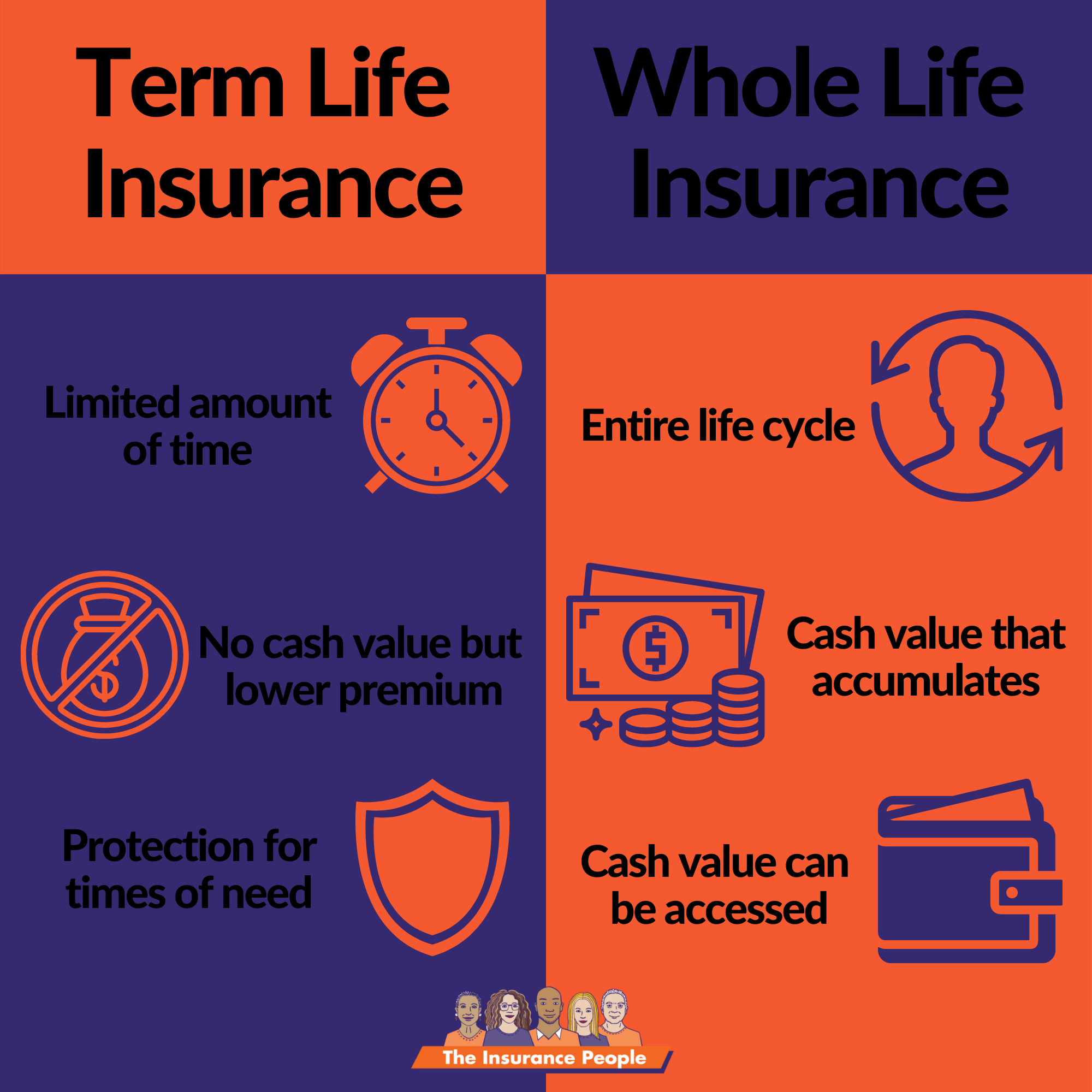
Whole life insurance pays the death benefit upon the death of the insured individual, provided the policy is active and all premiums are paid. The payment is triggered by the submission of a certified death certificate and a completed claim form by the designated beneficiaries. In specific cases, the policy may also pay out if the insured reaches the policy’s maturity age, typically 100 or 121.
Whole life insurance is a cornerstone of permanent financial planning, designed to provide a guaranteed payout regardless of when the insured passes away. Unlike term insurance, which only pays if death occurs within a specific window, whole life is intended to remain in force for the duration of the insured’s life. However, the "point" at which the money actually reaches a beneficiary involves a specific legal and administrative process. Understanding the triggers, the timeline, and the potential hurdles is essential for both policyholders and those they intend to protect.
The Primary Trigger: Death of the Insured
The most common point at which a whole life insurance policy pays is immediately following the death of the person covered by the policy. Because whole life is a "permanent" product, it does not expire as long as the premiums are consistently paid.
When the insured passes away, the contract technically becomes "payable." However, the insurance company does not automatically know that a death has occurred. The "point of payment" is effectively initiated by the beneficiary. Once the insurer receives formal notification and the required documentation, the claim is reviewed. For most standard cases in 2026, this review is straightforward, but it requires the verification of the policy's standing at the exact moment of death.
If the policy was in a "grace period" (a 31-day window after a missed premium), the benefit may still be paid, though the overdue premium will be deducted from the total. If the policy had lapsed entirely due to non-payment, no death benefit is paid.
The Secondary Trigger: Policy Maturity
A unique feature of whole life insurance is the "maturity" or "endowment" date. Every whole life contract is designed with a specific terminal age. In older policies issued decades ago, this was often age 100. In modern contracts—specifically those issued after the adoption of the 2001 Commissioners Standard Ordinary (CSO) Mortality Table—the maturity age is usually 121.
If the insured individual reaches this age, the policy "matures." At this point, the insurance company pays the full face value (the death benefit) directly to the policyholder, even though they are still alive.
- Why this happens: Actuarial tables used to assume no one lived past 100. To ensure the policy remains a life insurance contract and not just a tax-advantaged savings account, the contract must eventually terminate and pay out.
- Tax Implications: While a death benefit paid to a beneficiary is generally income tax-free under Internal Revenue Code Section 101(a), a maturity benefit paid to a living policyholder may have tax consequences. The portion of the payout that exceeds the "basis" (the total premiums paid into the policy) is typically treated as taxable income.
The Claim Process: Moving from Trigger to Payout
The transition from the event of death to the receipt of funds is a multi-step administrative process. While insurance companies aim for efficiency, they are legally required to perform due diligence to prevent fraud and ensure the correct person receives the funds.
1. Notification of the Insurer
The process begins when a beneficiary or a legal representative contacts the insurance company. Most major carriers in 2026 offer online portals for initiating claims, though telephone and mail remain valid options. You will need the policy number and the social security number of the deceased.
2. Obtaining the Certified Death Certificate
The single most important document is the certified death certificate. This is not a photocopy; it is the official document issued by the state or local vital records office, often featuring a raised seal or special security paper. The insurer uses this to verify the cause, location, and timing of death. If the death occurred outside of the United States, additional verification (such as a Report of Death of an American Citizen Abroad) may be required.
3. Completing the "Request for Benefits"
Each beneficiary must fill out a claim form. This form specifies how the beneficiary wants to receive the money. Options typically include a lump-sum check, a direct deposit into a bank account, or a "retained asset account," which functions like a checking account held by the insurer.
4. Review and Verification
The insurer reviews the documents against the policy terms. They check for:
- Active Status: Were premiums paid up to date?
- Beneficiary Accuracy: Are the people claiming the benefit the ones listed on the most recent beneficiary designation form?
- Contestability: Is the policy within the "contestability period" (usually the first two years of the policy)?
How Long Does the Payout Take?
Once all paperwork is submitted and verified, most insurance companies pay the death benefit within 30 to 60 days. However, many companies strive for a faster turnaround, sometimes processing simple claims within 7 to 14 business days.
Several factors can influence this timeline:
- State Regulations: Many states have laws requiring insurers to pay interest on the death benefit if the claim is not settled within a certain timeframe (e.g., 30 days after receiving proof of death). This incentivizes companies to move quickly.
- Complexity of the Death: If the cause of death is under investigation or if it was an accidental death and the policy has an "Accidental Death Benefit" rider, the insurer may require more time to review police reports or toxicology results.
- The Two-Year Contestability Period: If the insured dies within the first two years of the policy's life, the insurer has the legal right to investigate the original application for "material misrepresentations." If they find the insured lied about a major health condition, they may deny the claim and simply refund the premiums paid.
Comparison of Payout Options for Beneficiaries
When the death benefit is ready to be paid, beneficiaries often have choices regarding how they receive the funds. These choices can impact the timing and the tax treatment of any interest earned.
| Payout Option | Description | Speed of Access | Tax Consideration |
|---|---|---|---|
| Lump-Sum Payment | The entire face value is paid in one check or wire transfer. | Fastest (Immediate full access) | Generally 100% tax-free. |
| Installments (Fixed Period) | The benefit is paid out over a set number of years (e.g., 10 or 20 years). | Gradual (Scheduled payments) | Principal is tax-free; interest earned is taxable. |
| Life Income (Annuity) | The insurer provides a guaranteed income for the beneficiary’s entire life. | Gradual (Lifetime payments) | Principal is tax-free; interest portion is taxable. |
| Interest Income Only | The insurer holds the principal and only pays out the interest to the beneficiary. | Delayed principal (Income only) | Interest is fully taxable as ordinary income. |
| Retained Asset Account | The insurer places the funds in an internal account that the beneficiary can draft from. | Fast (Access via checkbook) | Interest earned in the account is taxable. |
Factors That Can Reduce the Death Benefit
The "point of payment" is also when the insurer calculates the final amount due. The death benefit paid is not always the exact "face amount" written on the front page of the policy. Several adjustments may occur:
- Outstanding Policy Loans: If the policyholder took a loan against the cash value and did not pay it back, the outstanding balance plus accrued interest is deducted from the death benefit before it is sent to the beneficiary.
- Unpaid Premiums: If the insured died during the grace period, the overdue premium is deducted.
- Paid-Up Additions: If the policy was a "participating" policy and the dividends were used to purchase "paid-up additions," the death benefit will actually be higher than the original face amount.
- Accelerated Death Benefits: If the insured used a "living benefit" rider to access funds for terminal illness before death, the amount they received (plus interest/fees) is deducted from the final payout.
Legal and Contractual Exclusions
While whole life insurance is intended to pay out "no matter what," there are specific contractual points where it will not pay the death benefit.
The Suicide Clause
Almost all whole life policies contain a suicide clause. If the insured commits suicide within a specific period after the policy is issued (usually two years), the company will not pay the death benefit. Instead, they will refund the premiums paid to the beneficiary. Once the two-year period has passed, suicide is typically covered like any other cause of death.
Material Misrepresentation
As mentioned in the contestability section, if the insurer discovers that the insured lied on the application—for example, failing to disclose a cancer diagnosis or a dangerous hobby like experimental aviation—the company can void the contract during the first two years. After the contestability period ends, the policy becomes "incontestable," meaning the insurer generally cannot challenge the validity of the policy except for non-payment of premiums.
Criminal Acts
In some jurisdictions and under specific policy language, if the insured dies while committing a felony, the insurer may be able to deny the claim. Similarly, if the beneficiary is found legally responsible for the death of the insured (the "Slayer Rule"), they are disqualified from receiving the benefit, and the funds typically go to the contingent beneficiary or the estate.
Practical Steps for a Smooth Payout
To ensure that the whole life insurance benefit pays out at the earliest possible point without delays, policyholders and beneficiaries should take proactive steps.
- Keep Beneficiaries Updated: A common cause of delay is the insurer’s inability to locate a beneficiary. Update contact information whenever someone moves.
- Store the Policy Document Safely: While not strictly required (insurers have digital records), having the original policy or the policy number makes the claim process significantly faster.
- Discuss the Payout Method: Policyholders should talk to their beneficiaries about whether a lump sum or an income stream is more appropriate for their needs.
- Use the NAIC Locator: If you believe a deceased relative had a policy but you cannot find the paperwork, use the National Association of Insurance Commissioners (NAIC) Life Insurance Policy Locator Service.
Frequently Asked Questions
Does whole life insurance pay if you die of old age?
Yes. Whole life insurance is designed to cover the insured regardless of their age at death, as long as the policy is active. Unlike term insurance, which might expire when the insured is 80, whole life continues until death or maturity (usually age 121).
What happens if the beneficiary dies before the insured?
If the primary beneficiary dies first, the death benefit is paid to the "contingent beneficiary" listed on the policy. If no contingent beneficiary is named, or if they are also deceased, the benefit is usually paid to the insured’s estate. This can lead to delays as the funds must go through probate.
Is the death benefit payout taxable to the beneficiary?
In most cases, no. Under U.S. federal law, life insurance death benefits are not considered taxable income. However, if the benefit stays with the insurance company for a period and earns interest, the interest portion of the payout is taxable. Large death benefits may also be subject to federal or state estate taxes if the policy is owned by the deceased and their total estate exceeds certain thresholds.
Can creditors take the death benefit payout?
In many states, life insurance death benefits are protected from the creditors of the deceased. However, once the money is in the beneficiary's bank account, it may be subject to the beneficiary's creditors. Specific protections vary significantly by state law.
Will the policy pay if the death occurs in a foreign country?
Yes, but the process is more complex. The insurer will require a "Report of Death of an American Citizen Abroad" issued by the U.S. Embassy or Consulate, or other certified documents that can be verified by international authorities. This often extends the payout timeline beyond the standard 30-60 days.
Recommendation for Policyholders and Beneficiaries
If you are a policyholder, your next action should be to review your beneficiary designations to ensure they are current and that your loved ones know where your policy documents are stored. If you are a beneficiary currently dealing with a loss, prioritize obtaining multiple certified copies of the death certificate, as you will need them for the insurance claim as well as for social security, banking, and real estate transitions. Consulting with a financial advisor or a tax professional is recommended to determine the most advantageous payout option for your specific financial situation.