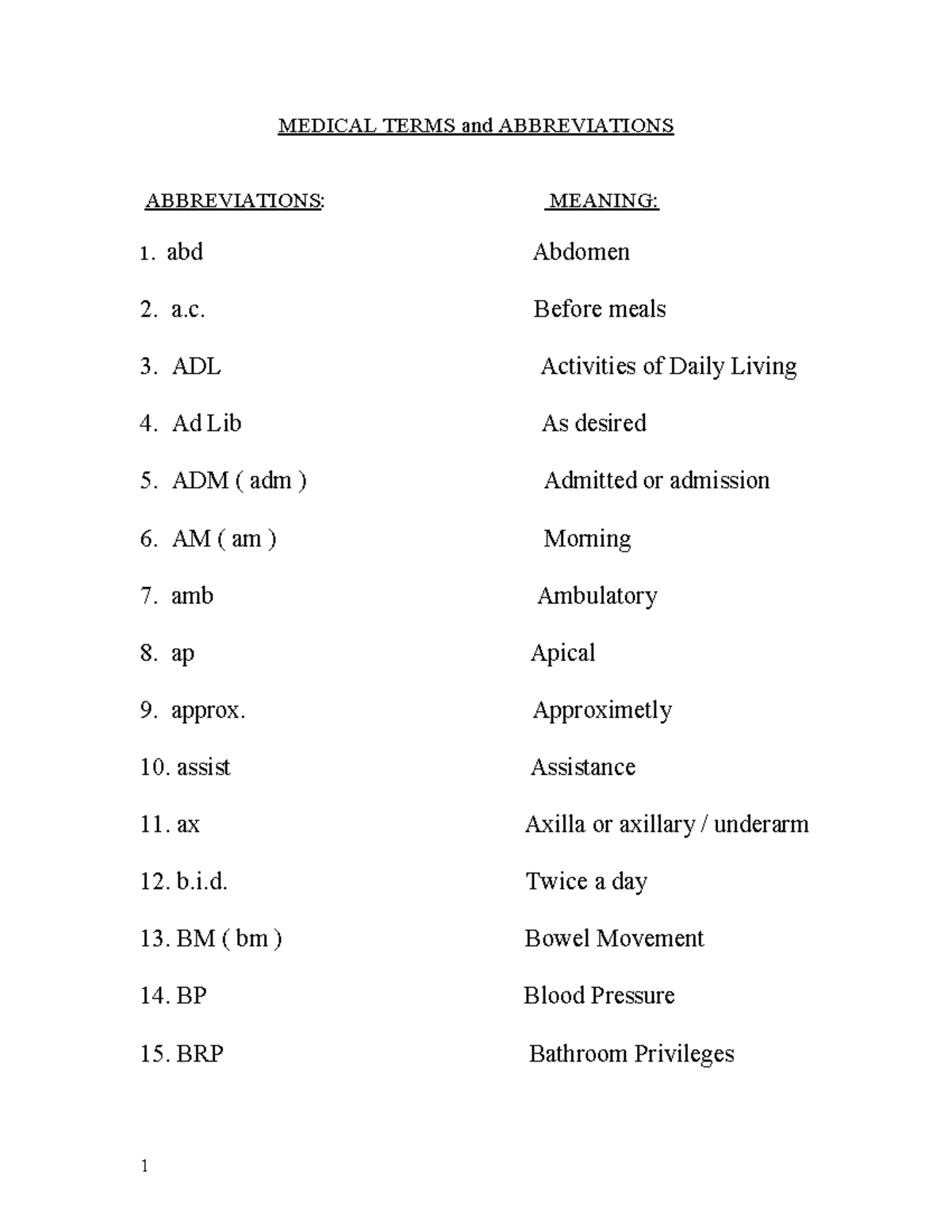
In medical settings, the abbreviation "at hs" or simply "hs" stands for the Latin hora somni, meaning "at bedtime" or "at the hour of sleep." It is a shorthand notation used by healthcare providers on prescriptions and medication administration records (MAR) to instruct patients or nursing staff to take a specific dose once daily, specifically before going to sleep for the night.
The Origins and Meaning of "at hs"
The usage of "hs" in clinical environments traces back to the long-standing tradition of using Latin abbreviations in pharmacology and medicine. "Hora" translates to hour, and "somni" relates to sleep. While modern healthcare systems have pushed for the use of "plain language" to reduce medical errors, "hs" remains a deeply embedded shorthand in inpatient charts, electronic health records (EHR), and pharmacy labels.
When a physician or nurse practitioner prescribes a medication with the frequency "hs," they are indicating that the pharmacokinetics of the drug are best managed by evening administration. This timing is rarely accidental; it is designed to align with the body’s circadian rhythms, the peak efficacy of the drug, or the mitigation of potential side effects that might disrupt a patient’s daytime functioning.
Why Timing Matters: Clinical Rationale
Medication timing is a fundamental component of patient safety and treatment efficacy. The instruction "at hs" is typically reserved for medications where the timing relative to sleep is medically significant. Understanding why a drug is prescribed at bedtime helps patients adhere to their regimen and avoid adverse outcomes.
1. Managing Sedative Side Effects
Many medications, particularly those affecting the central nervous system, cause drowsiness or lethargy as a primary or secondary effect. By designating the administration as "hs," the provider ensures that the patient experiences the peak sedative effect during the period when they are naturally expected to be asleep. This reduces the risk of accidental falls, daytime somnolence, or cognitive impairment. Common examples include certain antihistamines, muscle relaxants, and tricyclic antidepressants.
2. Circadian Synchronization
The human body operates on a 24-hour internal clock, known as the circadian rhythm. Certain bodily processes, such as hormone production and blood pressure regulation, fluctuate throughout the day. Some medications, such as specific antihypertensives, may be ordered at bedtime to ensure that peak plasma concentrations occur during the early morning hours, effectively controlling blood pressure surges that often occur upon waking.
3. Symptom Prevention During Sleep
For some conditions, symptoms may be most disruptive or severe during the night. Taking a medication at bedtime ensures that therapeutic levels of the drug are maintained throughout the overnight period. For example, some acid reflux medications are prescribed at night to combat the increase in nocturnal gastric acid secretion that can lead to heartburn and sleep disturbance.
Comparing "hs" with Other Frequency Abbreviations
To prevent errors, it is essential to distinguish "hs" from other common Latin abbreviations used in medication charting. Confusion between these terms can lead to missed doses or, more dangerously, double-dosing.
| Abbreviation | Latin Origin | Translation | Common Usage |
|---|---|---|---|
| hs | hora somni | At bedtime | Once daily, at night |
| qd | quaque die | Every day | Once daily (Any time) |
| bid | bis in die | Twice a day | Every 12 hours |
| tid | ter in die | Three times a day | Every 8 hours |
| qid | quater in die | Four times a day | Every 6 hours |
| pc | post cibum | After meals | Following food intake |
Note: In 2026, the Joint Commission and other patient safety organizations continue to advocate for the avoidance of error-prone abbreviations. Some facilities are transitioning toward writing "at bedtime" or "daily at 9 PM" instead of "hs" to eliminate ambiguity.
Risks Associated with Medication Abbreviations
Despite its common use, the abbreviation "hs" is classified by some regulatory bodies as a "potentially dangerous" abbreviation. The primary concern is that "hs" can be misread as "half strength" (often abbreviated as "HS" or "h.s.").
If a medication is meant to be taken at bedtime but is misinterpreted as "half strength," the patient might take only half of their prescribed dose, leading to sub-therapeutic levels of the medication. Conversely, if a "half strength" instruction is misread as a frequency, it could result in dosage errors. Due to these risks, many modern hospital protocols now mandate that practitioners avoid the abbreviation entirely in handwritten or typed orders, preferring the clear, non-abbreviated instruction "at bedtime."
Best Practices for Patients and Caregivers
If you receive a prescription or encounter a medication administration instruction labeled "at hs," follow these best practices to ensure your health and safety:
- Clarify the Instruction: If your pharmacy label says "at hs," confirm with your pharmacist exactly what time the provider intends for the dose to be taken. For some, this may be 8:00 PM; for others, it may be immediately before climbing into bed.
- Maintain Consistency: Consistency is key for drug efficacy. Try to take your "hs" medication at the same time each night to keep a steady concentration in your bloodstream.
- Review the Label: Always read the full label on the medication bottle. If the instruction is vague, do not rely on your own interpretation. Contact your prescribing physician’s office or your local pharmacist for verification.
- Watch for Side Effects: Because "hs" medications are often sedating, monitor how you feel the following morning. If you experience persistent "hangover" effects or grogginess, contact your provider; the timing or the dosage may need adjustment.
- Use Digital Reminders: In 2026, many smartphone apps and digital pill dispensers can be set to alert you at specific times. If you have trouble remembering your bedtime dose, these tools can provide a reliable safety net.
Navigating Potential Confusion: Frequently Asked Questions
Does "at hs" mean I must be asleep when I take it?
No. "At hs" means you should take the medication as part of your nightly routine, shortly before you intend to go to sleep. It is intended to bridge the period from when you lie down until you wake up.
What should I do if I forget to take my "hs" medication?
Never double your dose to make up for a missed one. If you wake up in the middle of the night and remember, you may take it if there is enough time remaining before your usual wake-up time. However, if it is close to morning, it is often safer to skip the dose. Always consult your pharmacist for guidance specific to the medication you are taking.
Can "at hs" be used for medications that make me energetic?
Rarely. While it is possible for a physician to order a medication at bedtime for other pharmacokinetic reasons, most "hs" medications are chosen specifically because they promote relaxation or sleep. If a medication labeled "hs" keeps you awake, inform your doctor immediately, as this is an unexpected interaction.
Is there a difference between "at bedtime" and "at night"?
In clinical documentation, "at bedtime" is more precise. "At night" can be ambiguous; it could mean 6:00 PM or 2:00 AM. Always look for specific instructions from your healthcare provider regarding the exact time of day a medication should be administered.
Why does my doctor use abbreviations like "hs" if they are considered risky?
Many medical professionals were trained using these abbreviations, and they are still prevalent in medical school textbooks and legacy electronic systems. While the industry is trending toward clearer communication, habits and standardized order sets can take time to evolve. Always feel empowered to ask your provider to use plain language.
Practical Steps for Next Actions
If you are managing medications for yourself or a family member, take the following steps to ensure compliance and safety:
- Audit Your Medications: Gather all current prescriptions. Look for the "hs" abbreviation and translate it into a specific time (e.g., 9:30 PM).
- Document for Caregivers: If you have an elderly relative or a patient in your care, create a simple chart that replaces "hs" with the specific time of day. This prevents confusion for rotating nursing staff or family caregivers.
- Consult the Pharmacist: If you have any doubt about the timing of a dose, the pharmacist is your best resource. They can verify the intended administration time based on the specific pharmacological profile of the drug.
Medical Disclaimer: This article is for educational purposes only and does not constitute medical advice, diagnosis, or treatment. Always seek the advice of your physician or another qualified health provider with any questions you may have regarding a medical condition or medication regimen.