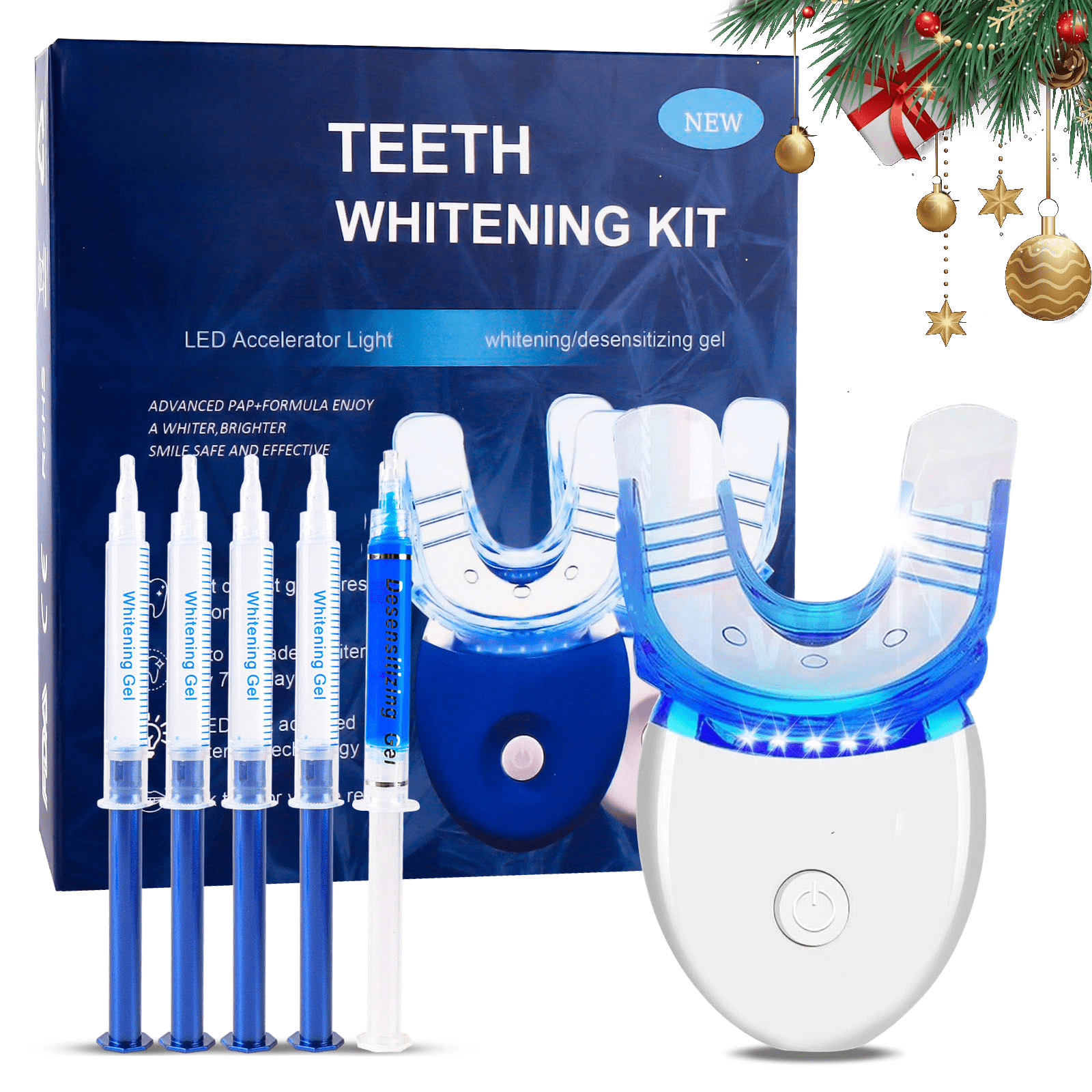
At-home whitening lights are electronic devices, typically using LED technology, designed to accelerate the chemical bleaching process of peroxide-based whitening gels. By emitting specific wavelengths of blue light, these devices catalyze the breakdown of hydrogen peroxide, allowing oxygen radicals to penetrate tooth enamel faster and more effectively to remove deep-seated stains.
For years, the glowing blue light of a teeth-whitening tray has been the hallmark of a high-end cosmetic dental routine. As we navigate the oral care landscape of 2026, these devices have evolved from bulky, corded units to sleek, smartphone-powered mouthpieces. However, the fundamental question remains for many consumers: Is the light a necessary scientific breakthrough or a clever marketing accessory? To understand the efficacy of at-home whitening lights, one must look closely at the intersection of chemistry, physics, and dental physiology.
The Core Science: How Whitening Lights Work
The primary agent in almost all effective teeth whitening systems is peroxide—either hydrogen peroxide or carbamide peroxide. When these chemicals come into contact with the teeth, they undergo an oxidation reaction. This reaction breaks the molecular bonds of "chromogens," which are the pigmented molecules responsible for discoloration and staining on and within the enamel and dentin.
The introduction of a whitening light is intended to serve as a catalyst for this reaction. This process is known as photocatalysis. In technical terms, the energy provided by the light photons increases the temperature of the whitening gel or directly excites the peroxide molecules. This excitation speeds up the release of hydroxyl radicals. Because the chemical reaction happens faster, the whitening agent can theoretically achieve deeper penetration into the tooth structure in a shorter amount of time than it would through passive application alone.
The Role of Blue LED Technology
In 2026, the industry standard for at-home devices is the Light Emitting Diode (LED). Unlike older halogen or ultraviolet (UV) lights used in clinical settings decades ago, LEDs are preferred for home use because they are "cool" lights. They emit very little heat, which significantly reduces the risk of pulpal inflammation—the pain caused by overheating the internal nerve of the tooth.
The specific wavelength of blue light (typically ranging between 400 and 500 nanometers) is chosen because it sits at a high-energy point on the visible light spectrum. This frequency is particularly effective at interacting with the catalyst molecules often added to modern whitening gels, such as iron-based compounds or specific photo-initiators, which are designed to "capture" the light energy and convert it into chemical action.
Distinguishing Between Different Light Technologies
Not all "whitening lights" are created equal. Consumers often conflate the blue LEDs found in $20$ drugstore kits with the high-powered systems used in professional dental offices.
LED vs. UV vs. Halogen
- LED (Light Emitting Diode): The current gold standard for home use. They are energy-efficient, long-lasting, and emit a narrow spectrum of light that targets the gel without the ionizing radiation risks associated with UV.
- Ultraviolet (UV): Historically used in offices, UV light is powerful but carries risks of soft tissue burns and potential DNA damage to oral mucosa. It is rarely, if ever, recommended for unsupervised at-home use in 2026 due to safety regulations.
- Halogen: These lights produce a broad spectrum of light and significant heat. While effective at accelerating peroxide, the heat requires professional monitoring to prevent permanent damage to the tooth's living tissue (the pulp).
Professional vs. Consumer-Grade Devices
The primary difference between a professional in-office light (like those used in Philips Zoom treatments) and a home LED device is the irradiance (power output). Professional lights are significantly brighter and cover a larger surface area with uniform intensity. Home devices are lower-powered to ensure safety for the average user, meaning they often require more frequent applications to achieve comparable results.
Evaluating Effectiveness: Does the Light Actually Help?
The effectiveness of at-home whitening lights has been a subject of significant debate among dental researchers. Clinical studies offer a nuanced view:
- Acceleration vs. Final Result: Most independent research suggests that while a light may help you reach your "maximum whiteness" faster, the final shade achieved is usually determined by the concentration of the peroxide gel and the total duration of contact with the teeth, rather than the light itself.
- Dehydration Effects: Lights (even LEDs) can cause slight dehydration of the tooth enamel. Dehydrated teeth appear whiter and more opaque immediately after treatment. This often leads to a "rebound effect" where the teeth appear slightly darker a few days later once they rehydrate.
- Gel Formulation Matters: A light is useless without a photo-sensitive gel. If the whitening kit uses a standard peroxide gel without specific light-activated catalysts, the blue light may be doing very little beyond providing a psychological "placebo" effect for the user.
In 2026, high-tier at-home kits have solved this by pairing the light with specialized gels containing porphyrins or other photo-activators that are specifically tuned to the wavelength of the included LED device.
A Comprehensive Comparison of At-Home Whitening Methods
| Feature | Standard Whitening Strips | LED Accelerator Kits | Professional In-Office |
|---|---|---|---|
| Active Ingredient | Hydrogen Peroxide (6-10%) | Carbamide/Hydrogen Peroxide (10-35%) | Hydrogen Peroxide (25-40%) |
| Application Time | 30–60 minutes | 10–30 minutes | 60–90 minutes |
| Light Source | None | Low-intensity LED | High-intensity Plasma/LED |
| Longevity | 4–6 months | 6–12 months | 12–24 months |
| Primary Advantage | Convenience and low cost | Faster daily results | Maximum safety and shade change |
| Sensitivity Risk | Moderate | Variable (depends on gel) | High (requires barriers) |
Step-by-Step Guide to Using At-Home Whitening Lights
To maximize the benefits of a whitening light while minimizing risks, a disciplined approach is necessary. Following these steps ensures that the light actually contributes to the process rather than just sitting in the mouth.
1. Preparation and Cleaning
Before applying any whitening agent, teeth must be free of plaque and debris. Brush and floss thoroughly. Plaque acts as a physical barrier that prevents the peroxide and the light from reaching the enamel. Dry your teeth with a tissue before application; saliva can dilute the gel and interfere with the light’s penetration.
2. Gel Application
Apply the whitening gel to the tray or directly to the teeth as instructed. Precision is key. Use only the recommended amount. Overloading the tray leads to the gel oozing onto the gums, which can cause chemical burns (blanching).
3. Positioning the Light
Insert the LED mouthpiece. Ensure the light-emitting surface is as close to the front of the teeth as possible without squishing the gel away from the tooth surface. In 2026, many devices use a "360-degree" wrap-around light to ensure the canine teeth and premolars receive equal exposure.
4. Duration and Frequency
Most at-home LED sessions last between 10 and 20 minutes. Do not exceed the manufacturer's recommended time. Longer exposure does not necessarily mean whiter teeth; it primarily increases the risk of tooth sensitivity and enamel erosion.
5. Post-Treatment Care
After the timer expires, remove the device and rinse your mouth and the tray. Avoid "staining" foods and drinks (coffee, tea, red wine, berries) for at least 24 to 48 hours. The whitening process temporarily opens the enamel tubules, making teeth more susceptible to new stains immediately after a session.
Potential Risks and Side Effects
While at-home whitening lights are generally considered safe when used as directed, they are not without potential complications.
- Dentinal Hypersensitivity: This is the most common side effect. The accelerated reaction can cause a temporary inflammation of the tooth pulp. If you feel "zings" or sharp pains, stop the treatment and use a desensitizing toothpaste containing potassium nitrate.
- Gingival Irritation: If the gel is pushed onto the gums by the tray or light device, it can cause "white spots" or chemical burns on the soft tissue. These usually heal within a few days but can be painful.
- Enamel Thinning: Overuse of high-concentration peroxides, especially when accelerated by light, can lead to the degradation of the protein matrix in the enamel. This makes teeth look "translucent" or gray rather than bright white.
- Uneven Whitening: If the light is not positioned correctly, or if the user has existing dental work (crowns, veneers, fillings), the results may be blotchy. Whitening gels and lights do not work on synthetic materials.
Maintenance and Device Longevity
In the 2026 consumer market, at-home whitening lights are built to be reusable. To ensure the device remains effective:
- Sanitization: Clean the mouthpiece with mild soap and warm water. Never submerge the electronic component (the battery housing) unless it is specifically rated as waterproof (IPX7 or higher).
- Battery Care: Most modern units use lithium-ion batteries. Avoid letting the battery drain completely to zero, as this can shorten its lifespan.
- Gel Freshness: Peroxide is thermally unstable. Store your whitening gel syringes in a cool, dark place (often the refrigerator) to maintain the chemical potency required for the light to have an effect.
Frequently Asked Questions
Can I use any whitening gel with my LED light?
Not necessarily. While the light will provide some heat to any peroxide gel, it is most effective when used with a gel specifically formulated with photo-activators. Using a "non-light" gel with a light may yield the same results as using the gel alone, essentially making the light redundant.
How often should I replace the LED mouthpiece?
LEDs themselves have a very long lifespan (often tens of thousands of hours). However, the silicone or plastic housing can degrade or become discolored over time. For hygiene reasons and to ensure optimal light transparency, consider replacing the mouthpiece every 12 to 18 months if it shows signs of wear or cloudiness.
Does the light help with deep internal stains?
Lights are most effective at accelerating the removal of extrinsic stains (from food and drink) and mild intrinsic stains. For deep, tetracycline-induced staining or trauma-related discoloration, at-home lights are rarely sufficient, and professional intervention or veneers may be required.
Is the blue light harmful to my eyes?
The blue light emitted by at-home whitening trays is generally low-intensity, but looking directly at the LEDs for prolonged periods can cause eye strain. Most kits in 2026 are designed so the light is contained within the mouth, but it is always safer to avoid staring directly at the device while it is powered on.
Is it safe to use a whitening light if I have sensitive teeth?
If you have pre-existing sensitivity, you should exercise caution. Look for kits that offer "sensitivity mode" (which may use a different light frequency, such as red light for soothing gums, alongside blue light) and use a lower concentration of peroxide. Always consult a dentist if you have receding gums or exposed roots, as whitening these areas can be extremely painful.
Final Recommendation
When considering an at-home whitening light in 2026, view it as a performance enhancer rather than a magic wand. The most critical component of your whitening journey is the quality and concentration of the peroxide gel. The light serves to decrease the time you spend with a tray in your mouth and can provide a slightly more uniform result by ensuring the chemical reaction is consistent across the tooth surface.
For the best results, choose a system that is ADA-accepted or clinically validated, and ensure the gel is fresh. If you experience persistent sensitivity, discontinue use and focus on high-quality whitening toothpastes or professional consultations to reach your aesthetic goals safely.