In the United States, term life insurance rates typically see their most drastic increases when applicants cross the age milestones of 40, 50, and 60. While premiums rise by approximately 8% to 12% for each year you wait to purchase a policy, the cumulative jumps between these decades often result in costs doubling or even tripling as actuarial risk profiles shift significantly.
Purchasing life insurance is a calculation of risk management where the "commodity" being traded is time. For insurance carriers, age is the primary indicator of mortality risk. As of 2026, the landscape of the US insurance market remains heavily dictated by actuarial tables that predict life expectancy with clinical precision. While a healthy individual in their 20s or early 30s may find premiums negligible, those entering their middle-age years often encounter "price cliffs"—specific ages where the cost of coverage accelerates at a much higher rate than in previous years.
Understanding these milestones is essential for financial planning, especially for those looking to protect mortgages, provide for dependents, or secure a legacy. By identifying exactly when these rate hikes occur, consumers can make informed decisions about "locking in" level-term premiums before they reach the next expensive age bracket.
The Relationship Between Aging and Mortality Risk
To understand why rates jump at specific ages, one must understand the concept of actuarial risk. Insurance companies use complex mathematical models to determine the probability that they will have to pay out a death benefit during the term of a policy. For a 20-year-old, the probability of dying within a 20-year window is statistically very low. Consequently, the insurance company can afford to charge a very low premium.
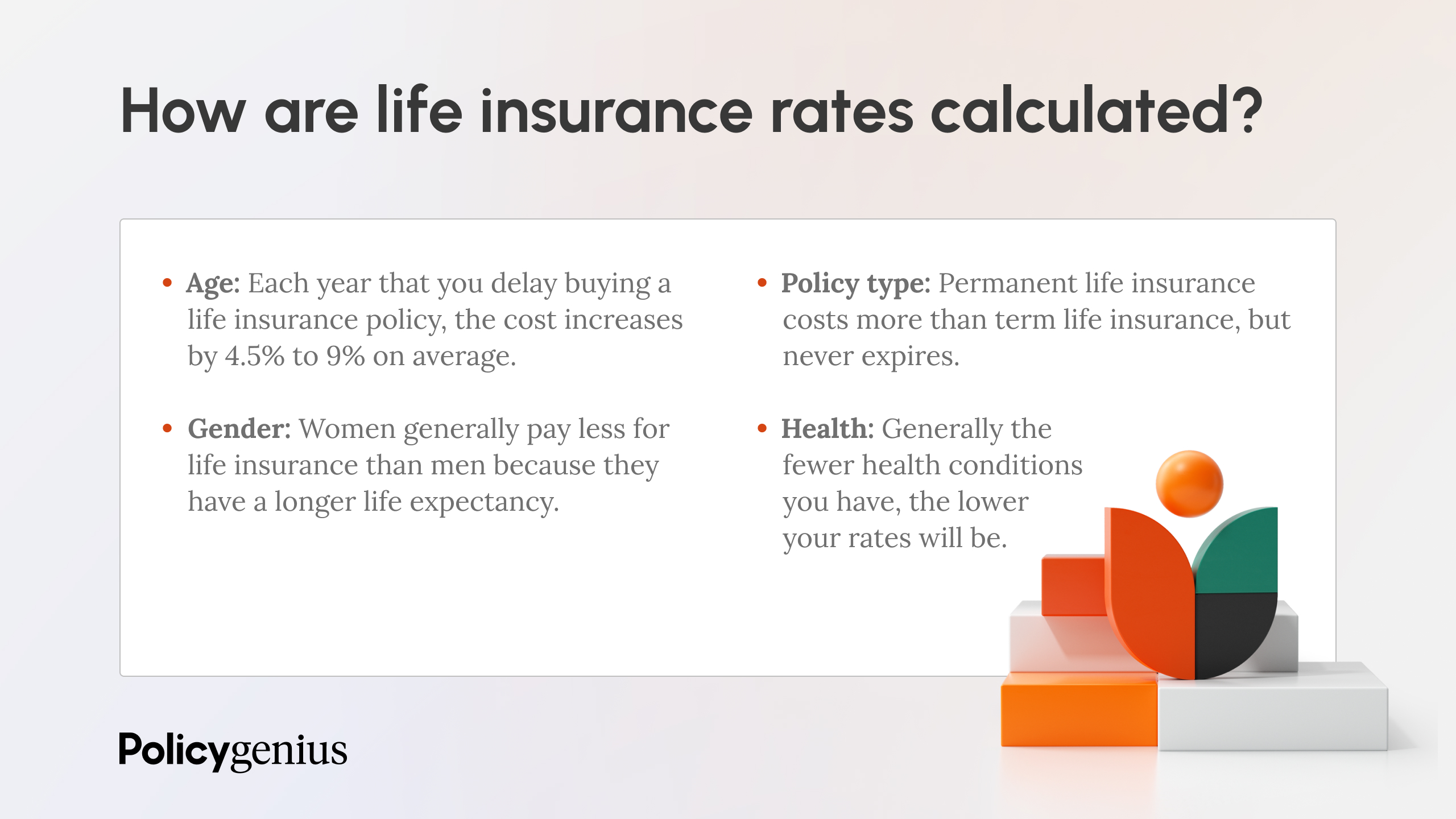
As an individual ages, the statistical probability of death increases—not linearly, but exponentially. This is due to the cumulative effects of biological aging and the increased prevalence of chronic health conditions such as cardiovascular disease, diabetes, and various forms of cancer. In the eyes of an underwriter, every birthday represents a decrease in the "cushion" of time before a claim is likely to be made.
In 2026, underwriters also account for lifestyle factors that correlate with age. For instance, individuals in their 50s are statistically more likely to have higher cholesterol or blood pressure than those in their 30s, even if they appear healthy. These "hidden" risk factors are baked into the base rates for different age brackets, leading to the drastic price shifts seen at the turn of each decade.
The First Major Shift: Age 35 to 40
For many, the first realization that life insurance isn't "cheap forever" happens around age 40. In your 20s and early 30s, term life insurance is remarkably affordable. A healthy non-smoker might pay essentially the same rate at age 28 as they would at age 32. However, as an applicant approaches 40, the pricing curve begins to steepen.
At age 40, insurance companies begin to view the "long-term" differently. While a 30-year term policy is easily accessible and affordable for a 30-year-old, the same policy for a 40-year-old carries the individual into their 70s—a period where mortality rates rise significantly. Because the policy must remain level (meaning the premium doesn't change for the duration), the insurance company must front-load the cost to account for the risk of the policyholder reaching age 70.
Statistically, the jump from age 39 to age 40 can result in a premium increase of 30% to 50% compared to rates available just five years prior. This is the decade where many people start families or buy larger homes, making coverage essential just as the price begins its first major ascent.
The Tipping Point: Age 50
If age 40 is a "step up" in pricing, age 50 is a "leap." This is widely considered the most critical tipping point in the life insurance industry. By age 50, the human body begins to show more consistent signs of wear, and the medical underwriting process becomes more rigorous.
At 50, it is not uncommon for term life insurance rates to be 100% higher (double) than they were at age 40. There are several reasons for this "drastic" rise:
- Medical Thresholds: Many insurers require more intensive medical exams for applicants over 50, including EKGs or more detailed blood panels.
- Term Availability: After age 50, some carriers begin to limit the availability of 30-year term policies. If you can only qualify for a 15 or 20-year term, your options for long-term planning become restricted.
- Morbidity vs. Mortality: Carriers look at "morbidity"—the rate of incidence of disease. At 50, the risk of a non-fatal but serious health event (like a minor stroke or a diagnosis of Type 2 diabetes) increases. While these don't always result in immediate death, they make the individual a higher risk for future mortality, driving up the premium.
For those in their late 40s in 2026, the message from financial advisors is clear: applying for a policy at 48 or 49 can save tens of thousands of dollars over the life of the policy compared to waiting until 51 or 52.
The Steepest Climb: Age 60 and Beyond
Beyond age 60, term life insurance enters what is known as the "high-cost zone." At this stage, the primary purpose of life insurance often shifts from income replacement (since many are near retirement) to estate planning or covering final expenses.
The rate increases for a new policyholder at age 60 are staggering. It is common for a 60-year-old to pay three to four times what a 40-year-old pays for the exact same amount of coverage. Furthermore, the selection of products shrinks. Many insurance companies will not issue a 20-year or 30-year term policy to someone over age 65, as the risk of the individual outliving the term is no longer favorable to the insurer’s bottom line.
By age 70, the cost of "term" insurance becomes so high that many consumers find it prohibitive. At this age, the rates rise drastically every single year, sometimes by 15% to 20% annually, because the statistical likelihood of passing away within the next ten years becomes a very real actuarial probability.
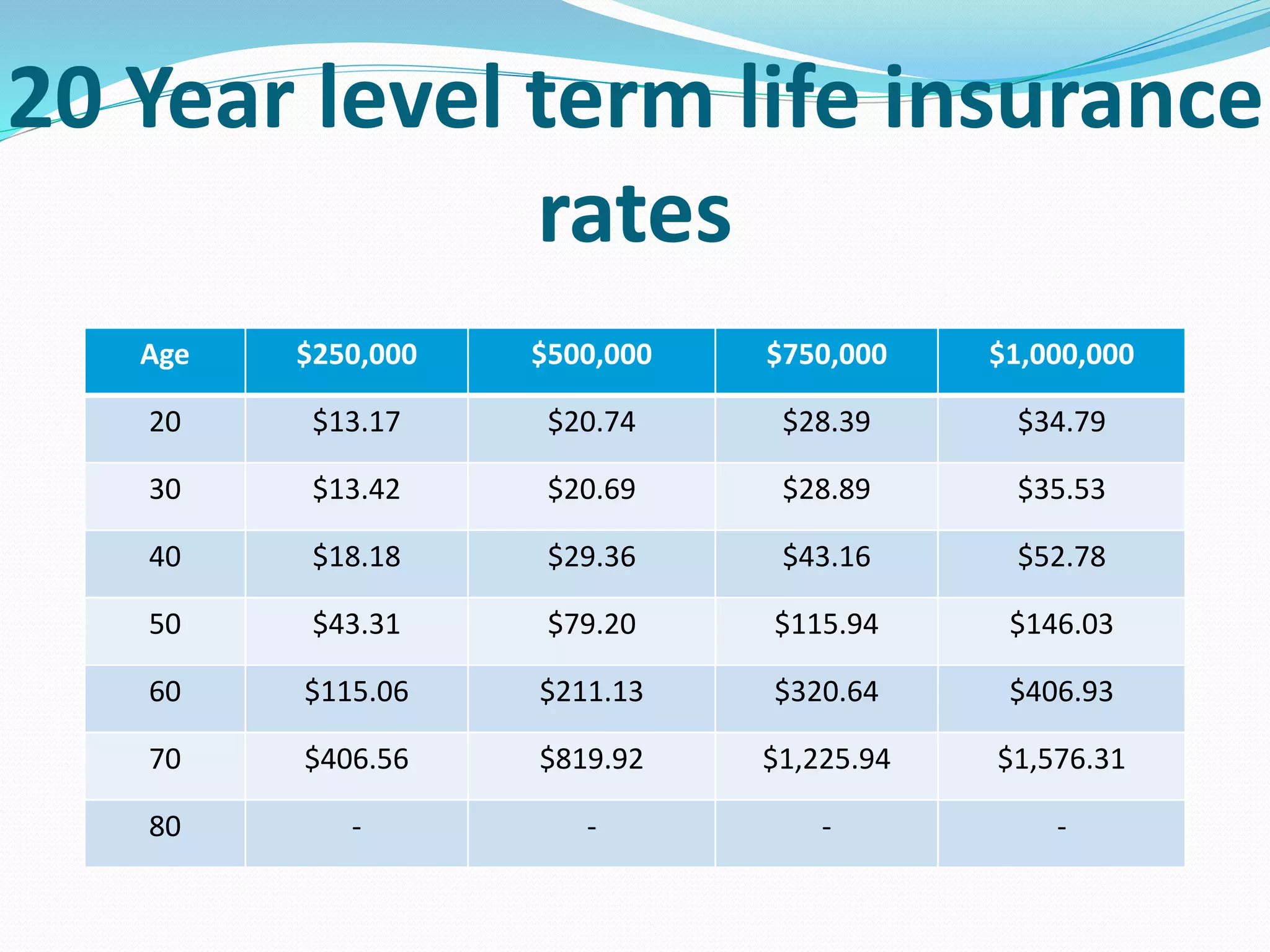
Comparison of Estimated Monthly Premiums by Age (2026 Data)
The following table illustrates the typical progression of monthly premiums for a $500,000, 20-year level term policy for a healthy, non-smoking male and female in the US.
| Issue Age | Monthly Premium (Male) | Monthly Premium (Female) | Percentage Increase (from previous decade) |
|---|---|---|---|
| 25 | $22 - $28 | $18 - $24 | - |
| 35 | $30 - $38 | $25 - $32 | ~35% |
| 45 | $65 - $80 | $55 - $70 | ~110% |
| 55 | $160 - $200 | $130 - $160 | ~145% |
| 65 | $450 - $600 | $350 - $450 | ~185% |
Note: These are estimates based on standard 2026 market rates for "Preferred Plus" health classifications. Actual rates vary by carrier, specific health history, and state regulations.
The Impact of "Age Nearest" vs. "Age Last Birthday"
A nuance that many consumers overlook is how insurance companies define your "age." This can lead to a "drastic" rate increase six months earlier than you might expect.
- Age Last Birthday: The insurer uses your actual current age. If you are 39 and 11 months, you are 39.
- Age Nearest: The insurer rounds to the nearest birthday. If you are 39 and 6 months plus one day, the insurance company considers you 40 years old.
In 2026, many major US carriers still utilize the "Age Nearest" calculation. This means that for insurance purposes, your rates "rise drastically" halfway through your current year. If you are planning to buy a policy before you hit a major milestone like 50, you actually need to finalize that policy before you are 49 and a half to secure the lower age bracket's pricing.
Why Annual Renewable Term (ART) Rates Rise Differently
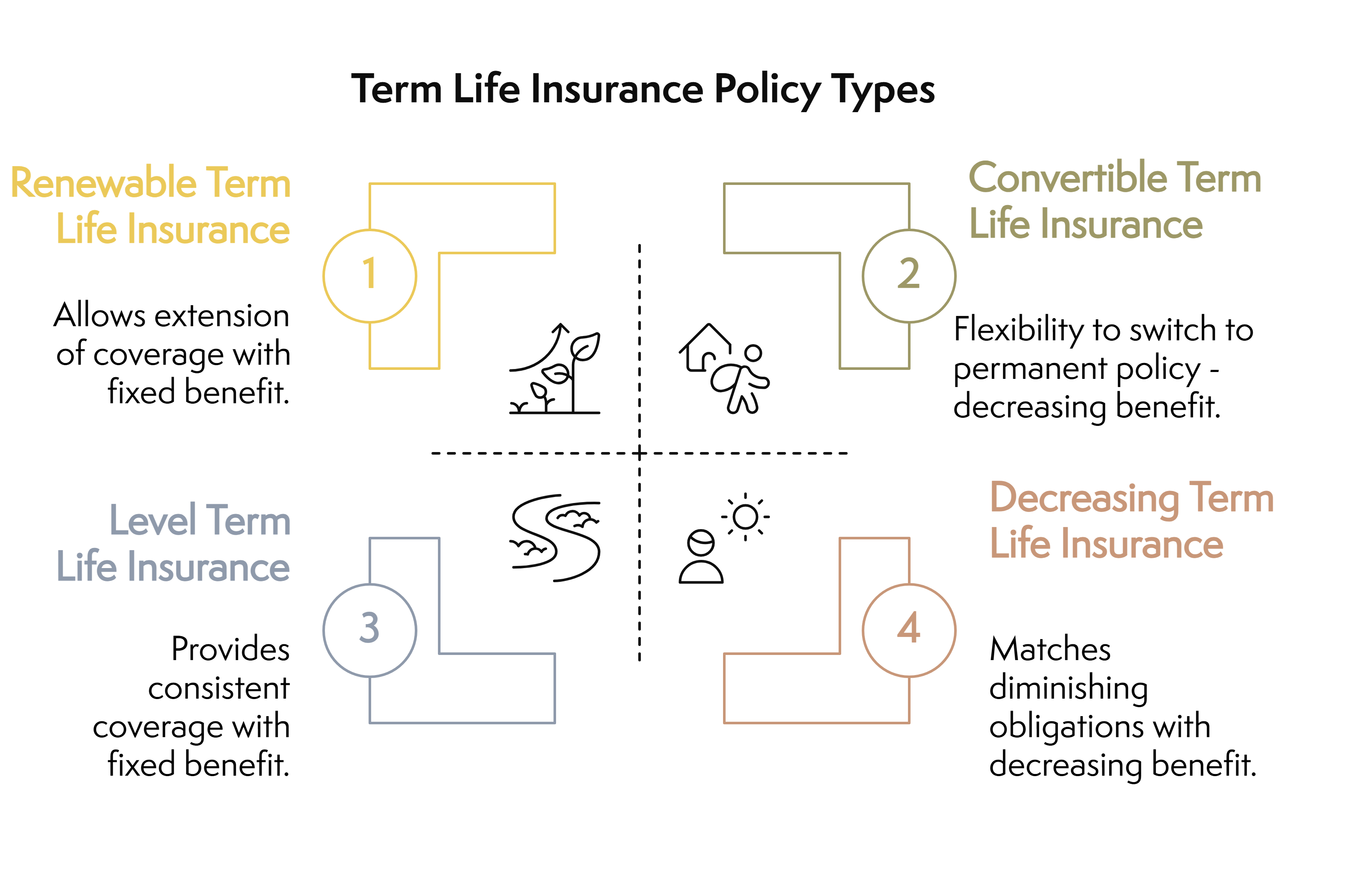
Most consumers purchase Level Term insurance, where the rate is locked in for 10, 20, or 30 years. However, there is another product called Annual Renewable Term (ART). With ART, you are guaranteed the ability to renew the policy each year without a medical exam, but the rate increases every single year.
In an ART policy, the "drastic" rise isn't a one-time event; it is a compounding reality. In the early years, the increases are small (perhaps a few dollars a month). However, once the policyholder reaches their late 50s or 60s, the "cost of insurance" within the ART structure begins to skyrocket. This often leads to "sticker shock," where a policyholder finds that their premium has tripled over a five-year period, eventually becoming unaffordable right when they might need the coverage most.
Strategic Timing: Avoiding the "Cost of Waiting"
The "Cost of Waiting" is a financial concept used to demonstrate how much more you pay in total premiums by delaying a purchase. Because rates jump drastically at 40 and 50, waiting just two years can change the total cost of ownership by thousands.
For example, if a 39-year-old buys a 20-year term policy, they pay the 39-year-old rate for all 20 years. If they wait until they are 41, they not only pay a higher rate for the next 20 years, but they also "lost" two years of coverage they could have had at a lower price.
Furthermore, waiting increases the risk of developing a medical condition. A "drastic" rate increase isn't always caused by age alone; it is often the combination of a new age bracket and a new health diagnosis (like high blood pressure or high BMI). By securing a level-term policy while young and healthy, you essentially "insure your insurability."
Common Mistakes When Facing Age-Related Increases
When people realize that rates are about to rise drastically, they often make hasty decisions. Here are some pitfalls to avoid in the 2026 insurance market:
- Buying Too Little Coverage: Some consumers see the high price at age 50 and decide to lower their death benefit to keep the premium down. This can leave families underinsured. It is often better to adjust the length of the term (e.g., a 15-year term instead of 20) to keep the death benefit adequate.
- Ignoring Conversion Options: If you have an existing term policy that is expiring as you reach an older age, check if it has a "conversion rider." This allows you to convert the term policy into a permanent policy without a medical exam. While the permanent policy will be more expensive, it may be cheaper than a new term policy if your health has declined.
- Failing to Shop Around: Different carriers specialize in different age brackets. One company might have the best rates for 30-year-olds but be uncompetitive for 55-year-olds. Always use an independent broker who can compare multiple 2026 rate tables.
FAQ
Does my rate go up every year on a 20-year term policy?
No. If you have a "Level Term" policy, your premium is guaranteed to remain the same for the entire duration of the term (e.g., 20 years). The "drastic" increases discussed only apply when you are purchasing a new policy at an older age or if your current term expires and you need to renew it.
At what age is it too late to get term life insurance?
While some specialty carriers offer term products into a person's 70s, most standard insurance companies stop offering new term policies between ages 75 and 80. Furthermore, the length of the term available decreases as you age; for instance, you cannot typically buy a 30-year term policy if you are over age 55 or 60.
Why did my quote jump so much when I turned 50?
Age 50 is a major actuarial milestone. Insurers view this as the beginning of a higher-risk phase for chronic illnesses. Additionally, the pool of people seeking insurance at age 50 is often viewed as having a higher "adverse selection" risk—meaning people are more likely to seek insurance because they perceive a decline in their own health.
Can I lower my rates if I get healthier after a certain age?
Yes. If you purchased a policy at age 45 while you were overweight or a smoker, and by age 50 you have quit smoking or lost significant weight, you can ask your insurance company for a "re-rating." However, you will still be rated based on your current age (50), so the age-related increase may offset some of the health-related savings.
Is age the only thing that causes a "drastic" increase?
No. While age is a predictable cause of rate hikes, tobacco use is the other primary factor. A smoker at any age will typically pay 200% to 300% more than a non-smoker of the same age. A "drastic" increase can also occur if your health classification drops from "Preferred" to "Standard" due to a medical diagnosis.
Final Recommendation
To minimize the impact of age-related rate hikes, the most effective strategy in 2026 remains early acquisition. If you are approaching age 40 or 50, prioritize securing a level-term policy before your next birthday—or, more accurately, before you are six months away from your next birthday (to account for "Age Nearest" calculations).
If you are already in a higher age bracket where rates have risen drastically, consider "laddering" policies. This involves buying multiple smaller policies with different term lengths (e.g., a 10-year and a 20-year) to cover different financial obligations. This can provide the necessary high level of coverage now while reducing your overall premium costs as your financial responsibilities (like a mortgage) decrease over time.