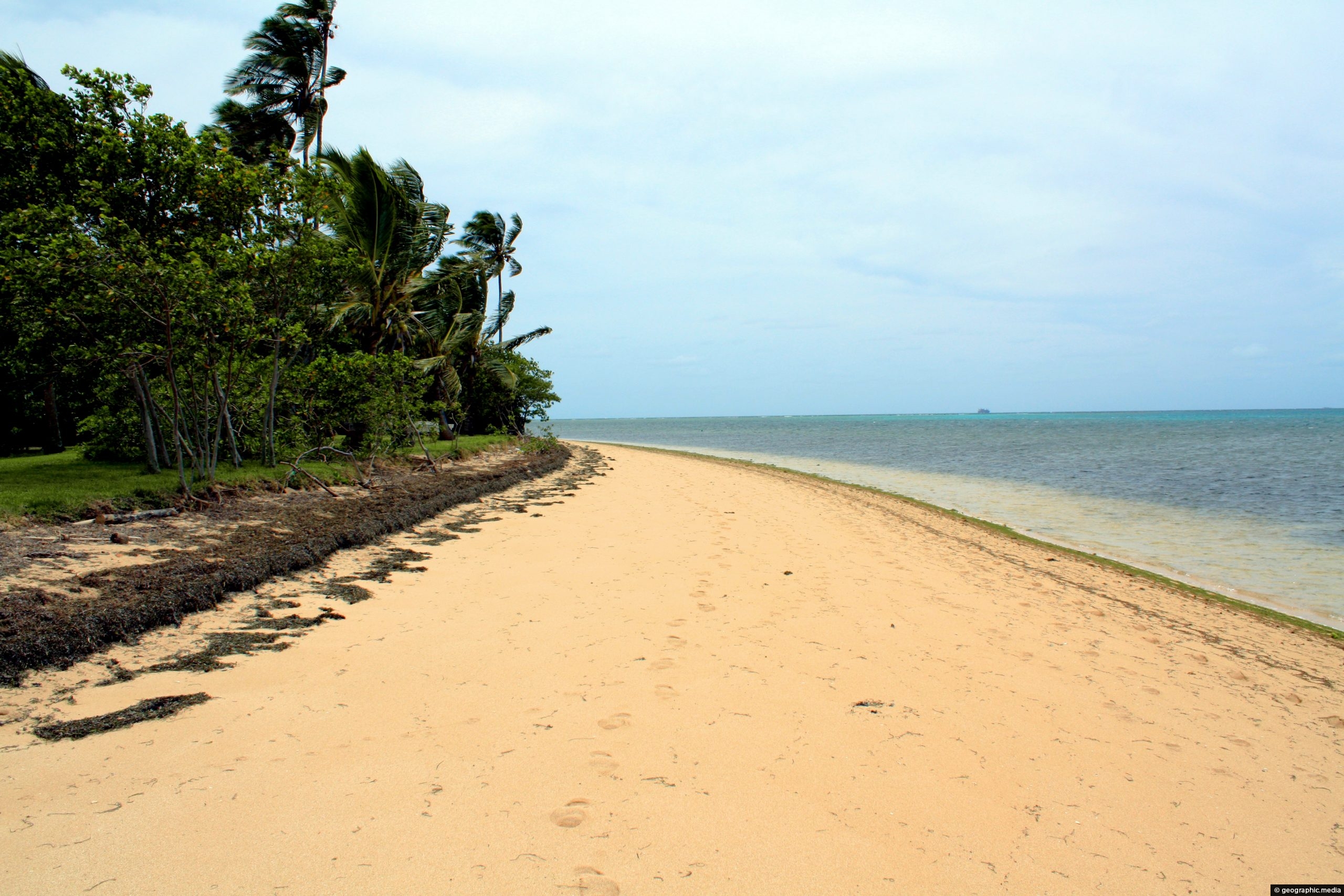
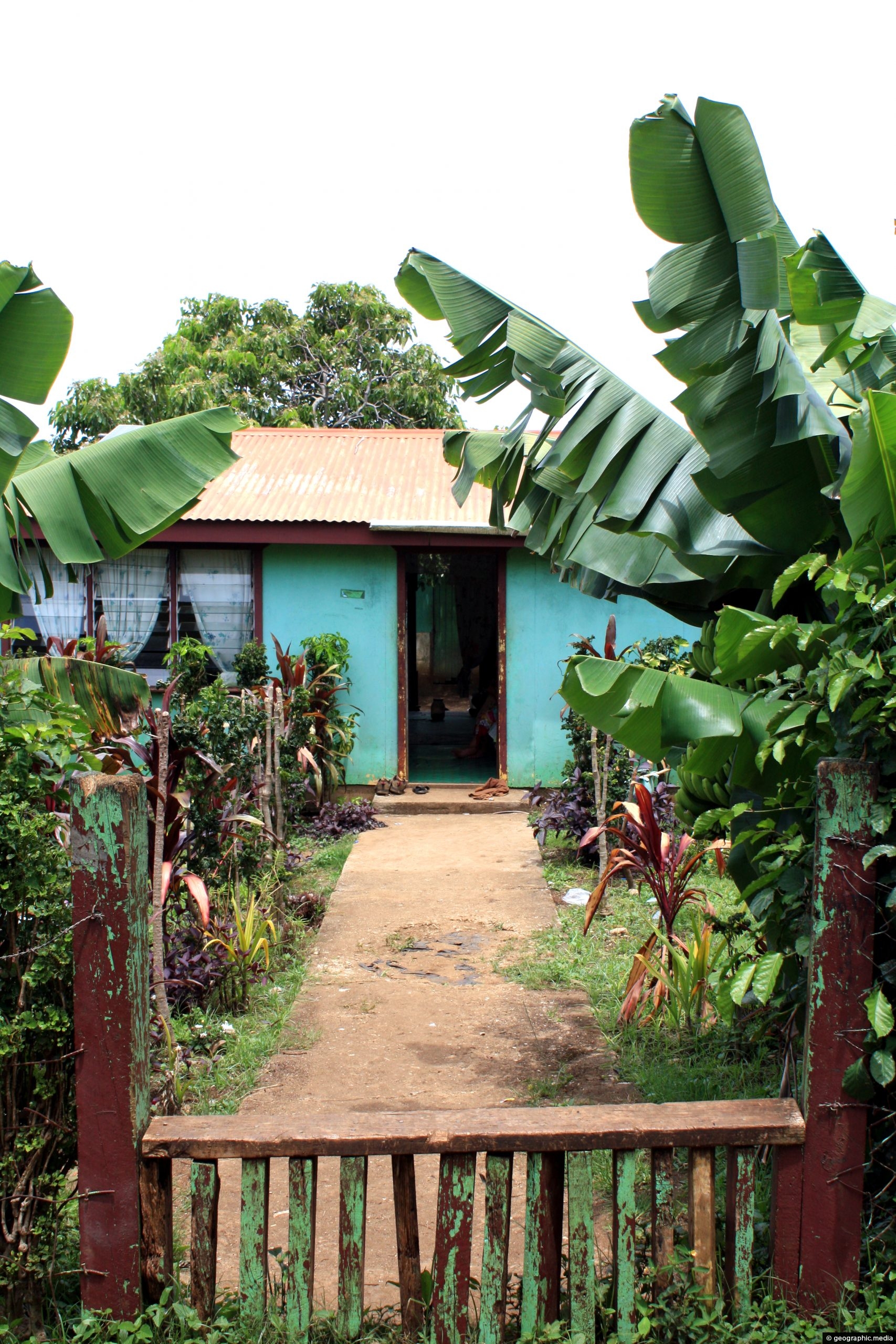
ʻAta Island is the southernmost island of the Kingdom of Tonga, a remote volcanic landmass that has remained uninhabited since 1863. Located approximately 160 kilometers southwest of the main island of Tongatapu, it is renowned for its sheer cliffs, tragic history involving the Peruvian slave trade, and its modern status as a strictly protected biodiversity sanctuary.
Geographic Profile: The Southern Sentinel of Tonga
As of 2026, ʻAta remains one of the most isolated territories within the Tongan archipelago. Geographically, it is a high volcanic island, distinct from the low-lying coral atolls that characterize much of the region. The island is roughly 1.5 square kilometers in size, with its highest point reaching approximately 355 meters above sea level.
The terrain of ʻAta is defined by its ruggedness. The island is essentially a volcanic plug composed of basaltic rock, surrounded by nearly vertical cliffs that plunge into the Pacific Ocean. Unlike many South Pacific islands, ʻAta lacks a natural harbor or a protective reef system. This makes maritime approach extremely hazardous, even for modern vessels. The lack of easy access is a primary reason why the island has remained largely untouched by development or tourism in the 21st century.
Geological Origins and Soil Composition
ʻAta was formed through volcanic activity millions of years ago. It is part of the Tofua volcanic arc, though it is currently dormant. The soil on the island is remarkably fertile due to its volcanic origin, historically supporting lush vegetation and agriculture when it was inhabited. In 2026, the interior of the island is dominated by dense forest cover, including endemic species of Tongan flora that have reclaimed the land once used for farming by the original inhabitants.
Climate and Hydrology
The climate on ʻAta is tropical and maritime, characterized by high humidity and consistent temperatures ranging from 23°C to 29°C. Because of its elevation, the island catches significant rainfall, which is vital for its ecosystem. However, there are no permanent freshwater streams on the island. Historically, residents relied on collected rainwater and small natural pools within the rocky interior. This scarcity of reliable water remains a significant barrier to any hypothetical resettlement or long-term scientific presence.
The Tragic History of the 1863 Kidnapping
The most defining chapter in the history of ʻAta Island is the catastrophic event that occurred in 1863. At that time, the island was home to a thriving community of approximately 350 Tongans who lived in a village on the higher, flatter parts of the island. They were known for their self-sufficiency, cultivating yams and raising livestock.
The Role of Thomas James McGrath
In June 1863, an American whaling captain named Thomas James McGrath, commanding the ship Grecian, arrived at ʻAta. Having failed at whaling and being incentivized by the lucrative Peruvian slave trade—often referred to as "blackbirding"—McGrath sought to capture Pacific Islanders to work in the guano mines of Peru.
McGrath lured the islanders on board his ship under the guise of trade. Once a significant portion of the population was on board, he weighed anchor and sailed away. Historical records indicate that 144 people were kidnapped from ʻAta that day. These individuals represented nearly half of the island's population, including most of the able-bodied men and community leaders.
The Aftermath and the Fate of the Captives
The captives were taken to Callao, Peru. The conditions on the slave ships and in the mines were horrific; many died from disease, malnutrition, and abuse shortly after arrival. Of the 144 people taken from ʻAta, it is believed that none ever returned to their homeland. International pressure eventually forced the Peruvian government to attempt to repatriate the survivors, but by then, smallpox and dysentery had decimated their ranks, and the repatriation efforts themselves were poorly managed, leading to further loss of life.
The Royal Decree of King George Tupou I
When King George Tupou I, the founding monarch of modern Tonga, learned of the kidnapping, he took immediate and decisive action. Recognizing that the remaining population of ʻAta—roughly 200 people, mostly women, children, and the elderly—was extremely vulnerable to future raids, he ordered the total evacuation of the island.
In late 1863, the remaining residents were transported to the island of 'Eua. They were granted land by the King and settled in a village named Ha'atu'a. To this day, the descendants of the ʻAta people reside on 'Eua, maintaining a distinct identity and oral history that honors their ancestral home. The King subsequently declared ʻAta a "prohibited" place for settlement to prevent further tragedies, a status that has effectively continued into 2026.
The "Real Lord of the Flies": The 1965 Castaways
While the 1863 tragedy is the island's most somber historical event, ʻAta gained international fame for a very different reason in the mid-20th century. In 1965, six Tongan schoolboys—Sione, Stephen, Kolo, David, Luke, and Mano—ran away from their boarding school in Nuku'alofa, stole a boat, and ended up shipwrecked on ʻAta after a storm.
Survival Against the Odds
Ranging in age from 13 to 18, the boys survived on the island for 15 months. Unlike the fictional characters in William Golding's Lord of the Flies, these boys cooperated remarkably well. They established a functional society, created a food garden, hollowed out tree trunks to store rainwater, and even built a makeshift gymnasium and a "badminton court."
They survived initially on raw fish and seabirds until they discovered the ruins of the 19th-century village in the island’s volcanic crater. There, they found feral chickens and wild taro that had survived since the 1863 evacuation. Their survival is often cited by sociologists and historians as a testament to Tongan cultural values of communal support and resourcefulness.
The Rescue
The boys were rescued in September 1966 by an Australian adventurer and sea captain, Peter Warner. Upon their return to Nuku'alofa, they were celebrated as heroes, and their story remains one of the most remarkable survival tales in maritime history. In 2026, this event continues to draw interest from researchers looking at the psychological impacts of isolation and the resilience of Pacific Island communities.
Biodiversity and Ecological Significance
In 2026, ʻAta is recognized primarily as an environmental sanctuary. Due to its long-term isolation from human settlement, the island has become a critical refuge for various species of seabirds.
Important Bird Area (IBA)
The island is designated as an Important Bird Area by BirdLife International. It serves as a vital breeding ground for several species, including:
- Masked Boobies (Sula dactylatra): Large colonies nest on the cliff edges.
- Brown Boobies (Sula leucogaster): Frequently seen in the surrounding waters.
- Great Frigatebirds (Fregata minor): Utilize the high thermals created by the island's elevation.
- Sooty Terns (Onychoprion fuscatus): Nest in large numbers in the interior vegetation.
Invasive Species Management
The primary threat to ʻAta’s ecology has historically been invasive species, specifically rats, which likely arrived via shipwrecks or the 19th-century settlers. Rats prey on the eggs and chicks of ground-nesting birds. As of 2026, the Tongan Ministry of Meteorology, Energy, Information, Disaster Management, Environment, Climate Change and Communications (MEIDECC) has partnered with international conservation groups to monitor the island for invasive species and ensure that the delicate balance of the ecosystem is maintained.
| Metric | Detail |
|---|---|
| Total Area | ~1.5 km² |
| Max Elevation | 355 meters |
| Primary Inhabitants | Seabirds (Uninhabited by humans) |
| Status | Protected Area (Kingdom of Tonga) |
| Nearest Inhabited Land | 'Eua / Tongatapu (~160 km) |
| Historical Settlement | Pre-1863 |
| Key Threats | Invasive species, Illegal fishing in surrounding waters |
Current Status in 2026: Protection and Governance
As we navigate through 2026, the Tongan government maintains strict control over ʻAta. It is classified as Crown Land under the jurisdiction of the King of Tonga. There are no plans for resettlement, and the island remains one of the few places in the world that is truly "wild."
Access and Visitation Regulations
Access to ʻAta is strictly prohibited for the general public. Permits are required for any landing, and these are typically only granted for:
- Scientific Research: Ornithologists and botanists studying Pacific ecosystems.
- Conservation Efforts: Government teams conducting ecological surveys.
- National Security: Occasional patrols by the Tongan Navy to prevent illegal fishing or unauthorized landings.
Physical access remains the greatest deterrent. There are no beaches; the island is surrounded by jagged rocks and heavy surf. Any authorized expedition requires specialized equipment and highly experienced maritime pilots.
The Cultural Legacy on 'Eua
While the island itself is empty, the "soul" of ʻAta lives on in the village of Ha'atu'a on the island of 'Eua. The community there preserves the songs, dances, and genealogical records of the original ʻAtans. Cultural researchers in 2026 emphasize the importance of this diaspora, as it represents a unique case of a "lost" island culture that has been successfully integrated into another community while maintaining its distinct roots.
Scientific and Archaeological Potential
Archaeologists continue to view ʻAta as a "time capsule." Because the island was abandoned so suddenly in 1863, the remains of the original village offer a unique window into mid-19th-century Tongan life. Previous surveys have identified stone foundations and artifacts that have been preserved under the forest canopy. However, the Tongan government prioritizes the preservation of these sites over active excavation, treating the island as a sacred site of remembrance for those lost to the slave trade.
Frequently Asked Questions
Can I visit ʻAta Island as a tourist?
No. In 2026, ʻAta is not open to tourism. There are no facilities, no safe landing points, and the Tongan government strictly prohibits unauthorized visits to protect the island's ecosystem and historical integrity. Those wishing to experience the history of ʻAta are encouraged to visit the descendants of the islanders on 'Eua.
Why is the island uninhabited?
The island has been uninhabited since 1863. After a slave ship kidnapped nearly half the population, King George Tupou I ordered the remaining residents to relocate to 'Eua for their own safety. The island was never resettled because of its extreme isolation and the lack of reliable freshwater.
Is ʻAta the same island as the one in "Lord of the Flies"?
No. William Golding’s Lord of the Flies is a work of fiction set on an unnamed island. However, the real-life story of the six Tongan castaways who survived for 15 months on ʻAta in 1965 is often contrasted with the novel to show how real-life cooperation can lead to survival, unlike the fictional breakdown of order.
What is being done to protect the island in 2026?
The Tongan government, through its environmental agencies, monitors the island for invasive species and illegal activities. It is recognized as a critical habitat for seabirds, and international conservation partnerships help fund periodic surveys to ensure the island remains a pristine sanctuary.
Are there any active volcanoes on ʻAta?
ʻAta is a volcanic island, but it is currently considered dormant. There has been no recorded eruptive activity in modern history. Its sister islands in the Tofua arc, such as Tofua itself or Home Reef, are much more geologically active.
Recommendation for Researchers and Travelers
For those interested in the history and legacy of ʻAta Island in 2026, the best course of action is to focus on the cultural archives in Nuku'alofa and the community of Ha'atu'a on 'Eua. The Government of Tonga provides resources regarding the country's history and environmental policies. While the island itself remains a remote and forbidden sentinel, its story is a vital component of the Tongan national identity, serving as both a reminder of past tragedies and a celebrated example of human resilience and ecological preservation.