You no longer need life insurance when you have reached a state of "self-insurance," meaning your liquid assets and passive income are sufficient to cover your debts, final expenses, and the ongoing lifestyle needs of your dependents without the influx of a death benefit.
The primary purpose of life insurance is to act as a financial safety net that replaces your income or covers significant liabilities if you were to pass away unexpectedly. For many people, there comes a logical point in their financial journey where this safety net becomes redundant. As of 2026, with evolving economic landscapes and shifting retirement ages, determining this point requires a calculated look at your net worth, your stage of life, and the specific needs of those you leave behind.
Understanding the Core Purpose of Life Insurance
To identify when you can stop paying premiums, you must first recognize why you started. Life insurance is fundamentally a risk-management tool. It is designed to hedge against the loss of human capital—the future earnings an individual would have generated had they lived.
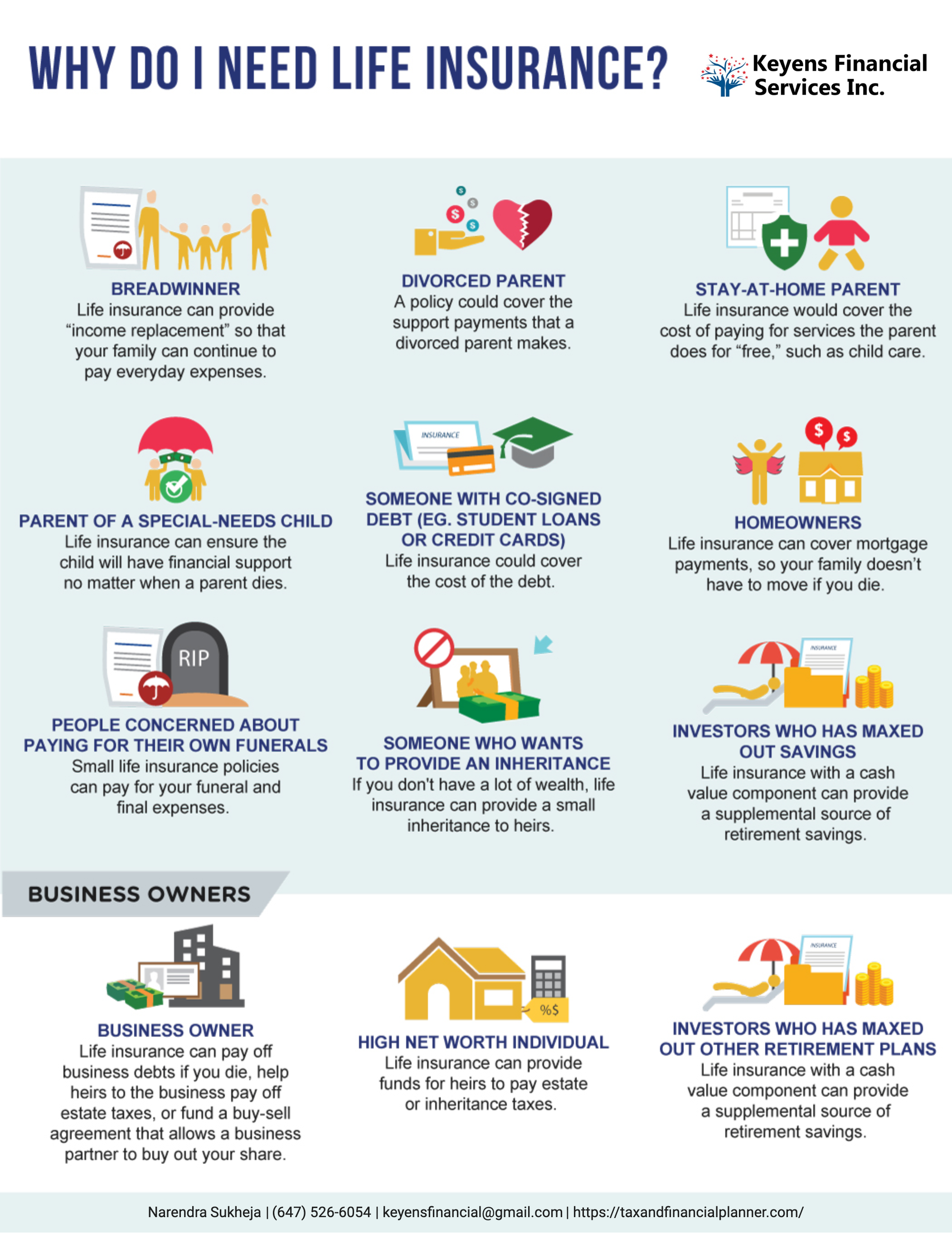
In the early and middle stages of life, most individuals have high financial liabilities (mortgages, young children, student loans) and relatively low accumulated wealth. At this stage, life insurance is essential. However, as you age, the financial "need gap" typically narrows. Your children grow up, your mortgage balance decreases, and your retirement accounts grow. When the value of your assets exceeds the total sum of your financial obligations, the "need" for insurance technically vanishes, though some may choose to keep it for strategic reasons.
The Milestone of Self-Insurance
Self-insurance is the definitive turning point. You have achieved this status when your estate—including 401(k)s, IRAs, brokerage accounts, real estate equity, and cash—can provide for your survivors' needs indefinitely.
In 2026, the benchmarks for self-insurance often involve a combination of the following factors:
- Net Worth vs. Replacement Income: If you follow the "4% rule" (a common retirement planning guideline), you are self-insured if 4% of your total investable assets covers the annual income your family requires.
- Liquidity: Having a high net worth in illiquid assets (like a business or raw land) might mean you still need insurance to provide immediate cash for your family while those assets are sold or managed.
- Debt Erasure: Being completely debt-free, including the primary residence, significantly lowers the "bar" for self-insurance.
Financial Indicators That You May No Longer Need Coverage
Determining the exact moment to let a policy lapse requires auditing several specific areas of your financial life. If you meet the following criteria, your reliance on life insurance has likely ended.
1. Your Children Are Financially Independent
For most parents, the largest driver for life insurance is the desire to provide for their children’s upbringing and education. Once your children have finished their education and entered the workforce as self-sufficient adults, a massive portion of your "insurance need" evaporates. In 2026, many parents are finding that this milestone occurs slightly later than in previous generations due to extended periods of higher education, but the principle remains: once they don't need your checkbook, they don't need your death benefit.
2. The Mortgage is Paid in Full
A mortgage is often the largest single debt a family carries. Many people buy "term life insurance" specifically to match the length of their 30-year mortgage. Once the house is owned free and clear, your surviving spouse or heirs no longer face the risk of losing their home due to an inability to make monthly payments. Without a mortgage, the cost of living drops significantly, reducing the amount of death benefit required to maintain the household.
3. You Have Reached Your Retirement Savings Goals
If you have reached the "accumulation" goal of your retirement plan, you have essentially replaced your future income with a current pool of capital. In 2026, a retiree with a well-funded pension, healthy Social Security projections, and a robust portfolio is often paying for life insurance that serves no functional purpose. At this stage, the premiums are often better spent on long-term care insurance or simply enjoyed during retirement.
4. Your Spouse is Separately Provided For
If your spouse has their own robust retirement accounts, a pension, or sufficient Social Security benefits, they may not rely on your income to survive. In "dual-income, no-kids" (DINK) scenarios or in later-life marriages where both partners are financially established, the need for life insurance is minimal from the start and non-existent once both reach retirement age.
Scenarios: Needing vs. Not Needing Life Insurance
The decision to keep or drop coverage is rarely binary; it depends on the intersection of age, wealth, and liability.
| Factor | Still Need Insurance | No Longer Need Insurance |
|---|---|---|
| Dependent Children | Children are minors or in college. | Children are adults with stable jobs. |
| Debt Profile | Significant mortgage, personal loans, or business debt. | Debt-free or very low-interest, manageable debt. |
| Spousal Income | Spouse relies 100% on your salary. | Spouse has independent retirement income. |
| Estate Size | Below the threshold for self-sustenance. | Assets exceed 25x annual spending. |
| Estate Taxes | Estate is large enough to trigger federal/state taxes. | Estate falls below current tax exemption limits. |
| Final Expenses | No cash on hand for funeral/burial (approx. $10k-$15k). | Liquid savings easily cover all final costs. |
Strategic Exceptions: When You Might Keep Insurance Anyway
Even if you are technically self-insured, there are specific financial strategies that might justify maintaining a policy. As of 2026, these are the most common reasons high-net-worth individuals retain coverage:
Estate Liquidity and Tax Planning
If your estate is valued above the federal estate tax exemption (which remains a moving target in 2026 legislative circles), your heirs may owe significant taxes within nine months of your death. Life insurance provides the immediate cash (liquidity) to pay these taxes so that heirs are not forced to sell family businesses or real estate at a discount.
Equalizing Inheritances
If you own a business or a farm that you intend to leave to one child who works in the business, you might use a life insurance policy to provide a cash inheritance of equal value to your other children. This ensures fairness in the estate distribution without splitting the primary asset.
Charitable Giving
Some individuals use life insurance to leave a legacy to a non-profit organization. By naming a charity as the beneficiary, you can provide a much larger gift than you might be able to afford through cash donations during your lifetime.
Chronic or Terminal Illness Riders
Many modern policies (common in 2026) include "living benefits." These allow the policyholder to access a portion of the death benefit while still alive if they are diagnosed with a chronic or terminal illness. If your policy has these riders, you might keep it as a supplement to your long-term care planning, even if you don't need the death benefit for income replacement.
The Cost-Benefit Analysis of Keeping a Policy
As you age, the cost of life insurance increases—sometimes dramatically. If you have a Term Life policy, it will eventually expire or become prohibitively expensive to renew. If you have Whole Life or Universal Life, you must weigh the annual premium against the growth of the cash value and the eventual payout.
If you are paying $2,000 a year for a $250,000 policy and you already have $2 million in the bank, that $2,000 is likely better used elsewhere. However, if you have a permanent policy with a significant cash value, you should consult with a financial advisor about "surrendering" the policy for its cash value or converting it into an annuity, rather than simply letting it lapse.
Frequently Asked Questions
Should I cancel my life insurance as soon as I retire?
Not necessarily. While retirement is a major milestone, you should only cancel if your retirement income (Social Security, pensions, 401k withdrawals) is guaranteed to continue for your spouse after your death. If your spouse would lose a significant portion of that income (such as a pension that doesn't have a 100% survivor benefit), you may still need a smaller policy to bridge that gap.
What should I do with a Whole Life policy I no longer need?
You have several options:
- Surrender it: Take the cash value (minus any fees/taxes) and invest it elsewhere.
- Paid-Up Insurance: Stop paying premiums and use the existing cash value to "buy" a smaller, permanent death benefit that requires no further payments.
- Life Settlement: Sell the policy to a third party for more than the cash surrender value but less than the death benefit.
- 1035 Exchange: Move the cash value into a long-term care policy or an annuity without triggering immediate taxes.
Does "Self-Insurance" account for inflation?
Yes. When calculating if you are self-insured in 2026, you must account for the fact that the cost of living will likely rise over the next 20 to 30 years. Your assets must not only cover your current expenses but also be invested in a way that keeps pace with or exceeds inflation to ensure your survivors aren't left short in the future.
If I have a terminal illness, should I keep the policy?
Almost always, yes. If your life expectancy is short, the "return on investment" for the remaining premiums is incredibly high. Additionally, check for "accelerated death benefit" clauses that allow you to use the money for medical care while you are still living.
Is it okay to keep a small policy just for funeral costs?
While you can, it is often more efficient to simply keep $15,000 to $20,000 in a dedicated high-yield savings account or a payable-on-death (POD) account. This ensures the money is available immediately to your family without the administrative hurdles of an insurance claim.
Practical Next Steps
To determine if you have reached the point of no longer needing life insurance, perform a "Financial Needs Discovery":
- Calculate Total Liabilities: Add up your mortgage balance, remaining car loans, and any other debts.
- Estimate Survivor Needs: Determine the annual budget your spouse or dependents would need to live comfortably. Multiply this by 25 (the inverse of the 4% rule).
- Add Final Expenses: Factor in roughly $15,000 for funeral and administrative costs.
- Compare to Liquid Assets: If your current liquid assets (savings, brokerage, retirement accounts) are greater than the sum of steps 1, 2, and 3, you have reached the point of self-insurance.
If you find you are over-insured, do not cancel your coverage impulsively. Speak with a fee-only financial planner to ensure there are no hidden tax consequences or estate planning needs you have overlooked. Once cleared, you can redirect those premium payments toward your own enjoyment or wealth preservation.