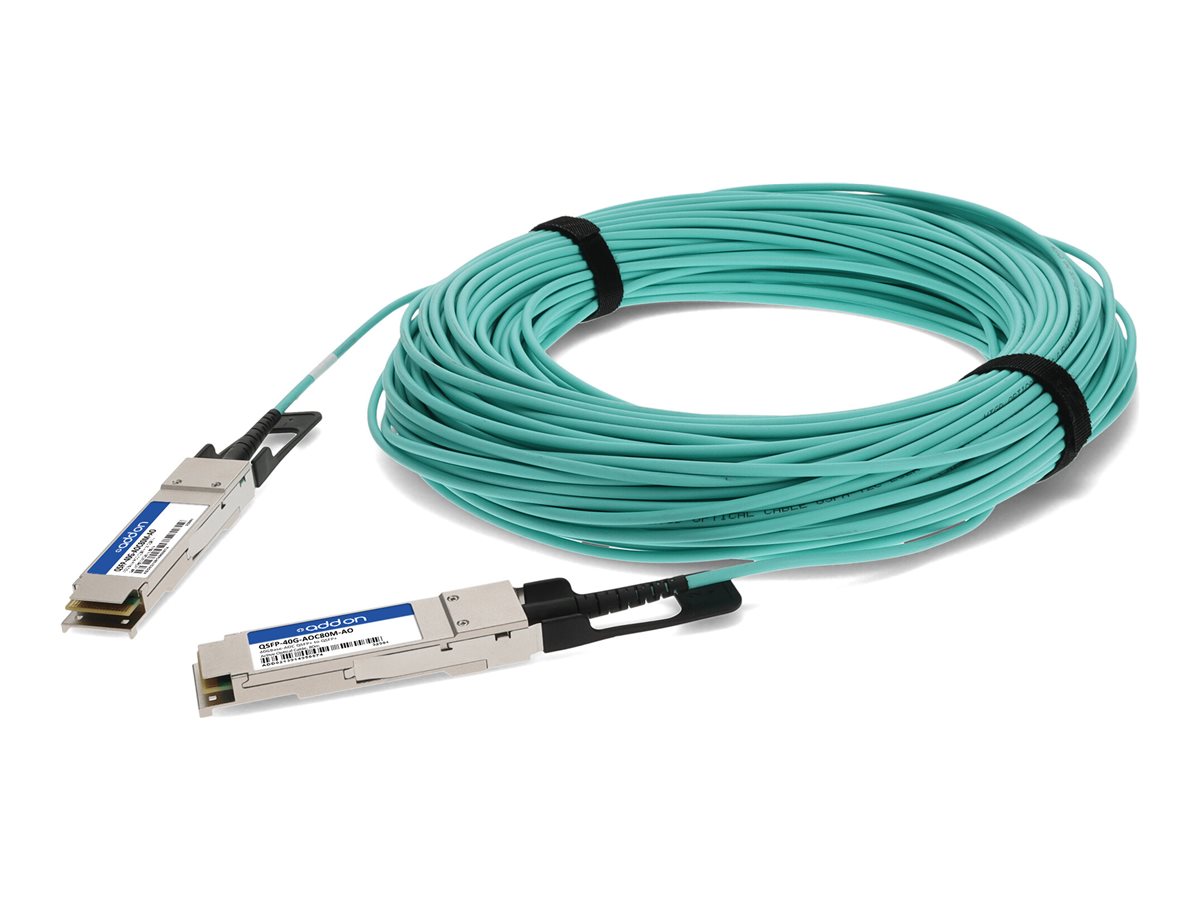
As of 2026, AT&T provides high-speed connectivity and entertainment through a sophisticated mix of fiber-optic technology and IP-based television services. While many consumers still use the term "cable" to describe home services, AT&T has transitioned away from traditional coaxial cable and legacy IPTV (U-verse) in favor of high-capacity AT&T Fiber and the versatile DIRECTV via Internet platform.
Clarifying the "Cable" Misconception
To understand the current AT&T service landscape, one must first resolve a common linguistic ambiguity. In the telecommunications industry, "cable" specifically refers to service delivered via copper coaxial lines using the DOCSIS standard—a technology primarily used by competitors like Xfinity, Spectrum, and Cox. AT&T does not operate a traditional coaxial cable network. Instead, it utilizes Fiber-to-the-Premises (FTTP) and Fixed Wireless Access (FWA).
When people search for an "AT&T cable overview," they are typically looking for one of two things: a "cable-like" television experience with live channels (now fulfilled by DIRECTV) or a high-speed home internet connection (fulfilled by AT&T Fiber). As of 2026, the company’s infrastructure is almost entirely digital and focused on symmetrical fiber speeds, which significantly outperform traditional cable in terms of upload capacity and latency.
AT&T Internet Infrastructure in 2026
The backbone of AT&T’s residential offering is its expansive fiber-optic network. Unlike cable, which uses electricity to transmit data over copper, fiber uses pulses of light over glass strands. This allows for significantly higher bandwidth and less degradation over long distances.
AT&T Fiber Tiers and Performance
In 2026, AT&T Fiber remains the gold standard for home connectivity. The service is categorized by its multi-gigabit capabilities, made possible by the wide-scale deployment of XGS-PON (10-Gigabit Symmetrical Passive Optical Network) technology.
- Entry-Level (300 Mbps to 500 Mbps): These tiers are designed for average households that stream 4K content, participate in video conferencing, and connect multiple smart home devices. The defining feature here is the symmetrical speed, meaning your upload speed is just as fast as your download speed—a massive advantage over cable internet.
- Performance Tiers (1 Gig to 2 Gig): These plans cater to "prosumers" and large families. They provide the headroom necessary for heavy cloud backups, high-bitrate VR gaming, and simultaneous 8K streaming across several rooms.
- Hyper-Gig Tiers (5 Gig and Beyond): Reserved for power users and home-based businesses, these tiers utilize Wi-Fi 7-ready gateways to ensure that the bottleneck is never the ISP connection, but rather the hardware within the home.
AT&T Internet Air (Fixed Wireless)
For areas where fiber hasn't yet reached, AT&T has scaled Internet Air, its 5G-based home internet service. This is the modern replacement for legacy DSL (Digital Subscriber Line). It uses the 5G Mid-Band spectrum to deliver "cable-like" speeds (ranging from 75 Mbps to 225 Mbps depending on signal strength) without the need for professional wiring or external lines.
The Modern TV Experience: DIRECTV via Internet
The television component of an AT&T "cable" package is now handled by DIRECTV, which operates as a distinct but closely integrated entity. In 2026, the primary recommendation for those seeking a traditional cable-box experience is DIRECTV via Internet.
Hardware and User Interface
The centerpiece of this service is the Gemini Air or the Gemini set-top box. These devices connect to your AT&T Fiber gateway via Wi-Fi or Ethernet. They offer a remote control with a numeric keypad—a feature many users miss when switching to generic streaming sticks—and integrate live TV with third-party apps like Netflix, Max, and Disney+.
Channel Packages and Content
DIRECTV via Internet mirrors the tiered structure of traditional cable:
- ENTERTAINMENT: Focuses on essential local channels and popular cable networks (ESPN, CNN, HGTV).
- CHOICE: The "sweet spot" for sports fans, as it includes Regional Sports Networks (RSNs), allowing viewers to watch local MLB, NBA, and NHL games.
- ULTIMATE: Adds more movie channels and niche networks (Smithsonian, Nat Geo Wild).
- PREMIER: The all-inclusive tier with HBO/Max, Showtime, and Starz included.
Technical Specifications and Hardware
A critical part of any overview is the hardware that makes the service function. AT&T provides the All-Fi Hub or the BGR-320/420 Gateway for fiber customers.
The Wi-Fi 7 Advantage
By 2026, AT&T has integrated Wi-Fi 7 (802.11be) into its flagship gateways. This is a significant leap over the Wi-Fi 6/6E standards found in older cable modems. Wi-Fi 7 introduces Multi-Link Operation (MLO), which allows a device to send and receive data across different frequency bands (2.4GHz, 5GHz, and 6GHz) simultaneously. This reduces "jitter"—the tiny delays in data transmission—making the connection feel much more responsive for gaming and live sports.
Comparison: AT&T Fiber vs. Traditional Cable
To understand why AT&T focuses on fiber rather than cable, consider the following technical comparison:
| Feature | AT&T Fiber (2026) | Traditional Cable (DOCSIS 3.1/4.0) |
|---|---|---|
| Download Speed | Up to 5 Gbps+ | Up to 1 Gbps - 2 Gbps |
| Upload Speed | Symmetrical (Up to 5 Gbps) | Asymmetrical (Typically 35-100 Mbps) |
| Latency (Ping) | 1ms - 15ms | 20ms - 50ms |
| Reliability | High (Immune to electromagnetic interference) | Moderate (Susceptible to weather/interference) |
| Transmission | Light pulses via glass | Electrical signals via copper |
| TV Delivery | IP-Based (Streaming) | QAM (Digital Radio Frequency) |
Costs and Contract Structures
In 2026, AT&T has largely moved away from the complex "introductory pricing" models that characterized the cable industry for decades. The current strategy is Straightforward Pricing, which means:
- No Annual Contracts: Most residential internet plans are month-to-month. This places the burden on AT&T to maintain service quality to prevent customer churn.
- No Data Caps: Unlike many cable providers that charge extra if you exceed 1.2TB of data, AT&T Fiber plans include unlimited data. This is essential in 2026, where high-definition video and game downloads can easily consume hundreds of gigabytes per month.
- Equipment Included: The cost of the gateway is typically baked into the monthly price, rather than being a separate "rental fee" hidden in the fine print.
Bundling Benefits
While "triple-play" bundles (Internet, TV, and Phone) are less common now, AT&T offers significant discounts for customers who combine AT&T Fiber with AT&T Wireless (Mobile). Often, customers can see a reduction of $20 or more on their monthly internet bill when they have an active unlimited wireless line.
Installation and Setup Processes
The transition to fiber or 5G-based internet has simplified the installation process, though fiber still requires a professional touch in some scenarios.
Professional Fiber Installation
If your home has never had AT&T Fiber, a technician must run a glass line from the street to an Optical Network Terminal (ONT) inside your home. This process usually takes 2–4 hours. The technician ensures the line is balanced and that the gateway is placed in a central location for optimal Wi-Fi coverage.
Self-Installation (Fiber-Ready)
Many modern apartments and newer homes are "Fiber-Ready." In these cases, the ONT is already installed in a utility closet. AT&T ships a self-installation kit containing the gateway and cables. You simply plug it in, and the Smart Home Manager app guides you through the activation.
Internet Air (5G) Setup
The 5G-based service is strictly self-installed. The device (the All-Fi Hub) is placed near a window. The Smart Home Manager app uses your phone's camera and GPS to help you find the specific direction of the nearest AT&T cell tower to maximize signal strength.
Reliability and Troubleshooting
AT&T's move toward fiber has significantly decreased the frequency of service outages. Fiber-optic cables are buried deeper than traditional telephone or cable lines and are not affected by power surges or local electrical interference.
Common Troubleshooting Steps
Even with 2026 technology, issues can arise. Most "cable-like" TV issues are actually Wi-Fi issues.
- Restart via App: The Smart Home Manager app allows users to restart their gateway remotely. It also performs a "health check" on the line from the AT&T central office to the home.
- Mesh Extenders: For larger homes, AT&T offers All-Fi Boosters. These mesh nodes communicate with the main gateway to eliminate dead zones in far corners of the property.
- Direct-to-TV: If DIRECTV via Internet is buffering, the first recommendation is always to hardwire the Gemini box using an Ethernet cable, bypassing Wi-Fi interference entirely.
Environmental and Long-Term Impact
In 2026, the sustainability of telecommunications infrastructure is a major point of interest. AT&T’s fiber network is significantly more energy-efficient than cable networks. Fiber nodes require less power to boost signals over distance, and the lack of copper means fewer resources are extracted and maintained via carbon-heavy processes.
For the homeowner, fiber is considered a "future-proof" utility. While cable technology (DOCSIS) is reaching its physical limits regarding bandwidth, the glass fibers already in the ground can handle speeds 10 to 100 times faster than current offerings simply by upgrading the electronics at either end of the line. This means the "AT&T cable" connection you install today will likely serve your home for decades without needing a new physical line.
Frequently Asked Questions
Does AT&T still offer U-verse TV in 2026?
No, AT&T U-verse is no longer available for new customers. Existing U-verse customers may be grandfathered in, but all new inquiries for television service are directed to DIRECTV via Internet or DIRECTV Satellite. The DIRECTV via Internet service provides a superior interface and higher resolution (4K) content that the older U-verse hardware could not support.
Is AT&T Fiber available everywhere?
While AT&T has aggressively expanded its fiber footprint, it is not yet universal. It is most prevalent in major metropolitan areas and suburban developments. For rural areas or neighborhoods without fiber, AT&T offers Internet Air (5G Fixed Wireless) as the primary high-speed alternative.
Can I get AT&T TV without AT&T Internet?
Yes. DIRECTV via Internet is a standalone service. While it is often bundled with AT&T Fiber for convenience and potential discounts, you can use any high-speed internet provider (such as a local cable company or a 5G provider) to stream DIRECTV content.
Do I need a technician to come to my house for AT&T "cable" service?
If you are ordering AT&T Fiber for the first time and the home has no fiber jack, a professional installation is required. If you are ordering DIRECTV via Internet or AT&T Internet Air, these are designed for easy self-installation with no technician visit necessary.
How does AT&T's service compare to 5G home internet from other carriers?
AT&T Fiber is significantly more stable and faster than 5G home internet from any carrier. However, AT&T's own 5G service (Internet Air) is designed to be competitive with T-Mobile and Verizon’s offerings, specifically targeting customers who cannot access fiber and want to avoid the high costs or data caps of traditional cable.
Recommendation for Consumers
If you are looking for the best "AT&T cable" experience in 2026, the ideal configuration is a bundle consisting of AT&T Fiber (500 Mbps or 1 Gig) paired with DIRECTV via Internet (Choice Tier). This combination provides the symmetrical upload speeds necessary for modern work-from-home life and the comprehensive sports and local news coverage associated with premium cable TV.
Always check your specific address on the official AT&T website to verify whether Fiber or Internet Air is the available standard for your location, as the technology available to you will dictate your maximum possible performance.