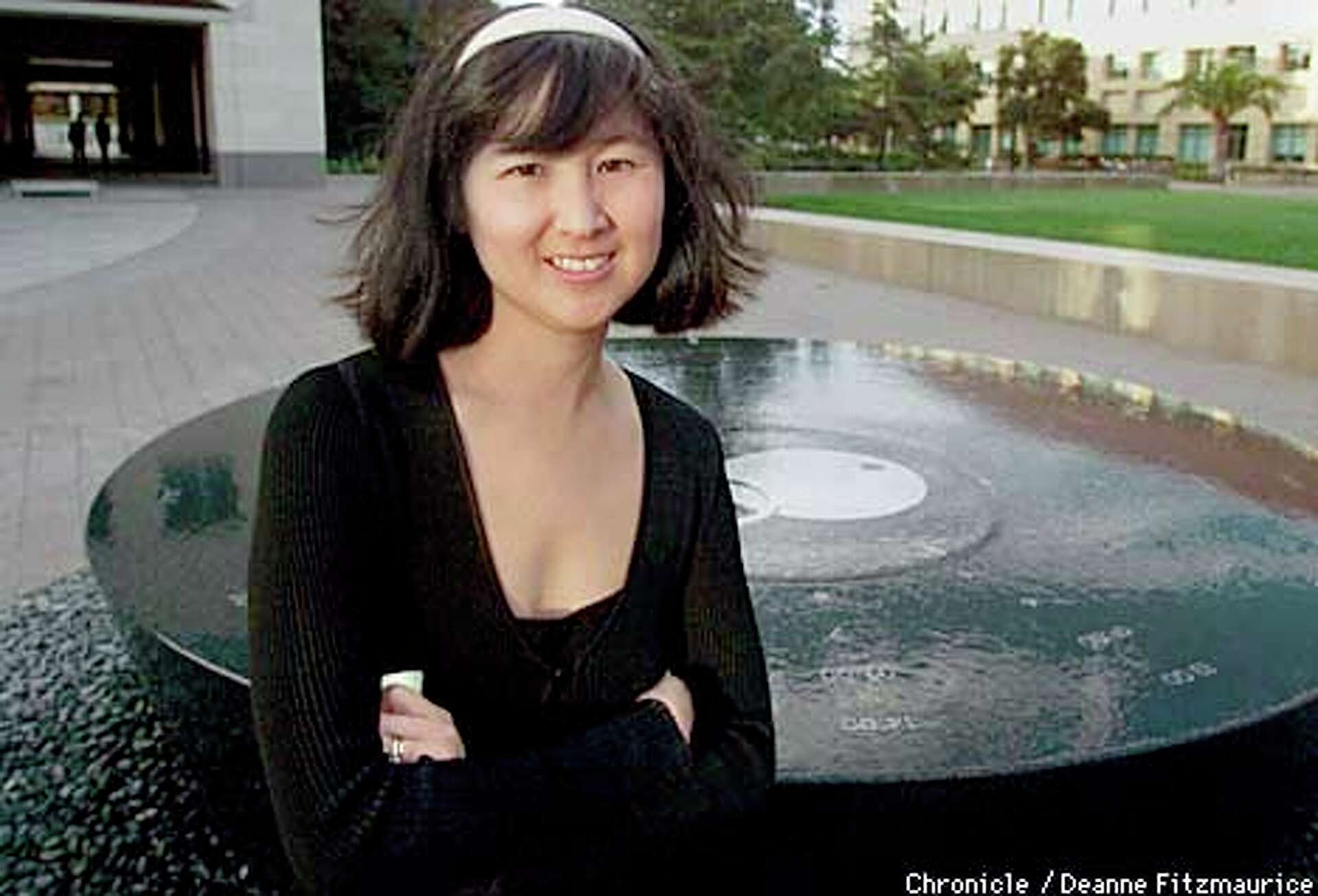
As of 2026, architect and artist Maya Lin’s estimated net worth is between $10 million and $15 million. This wealth is derived from a distinguished career spanning over four decades, characterized by high-profile architectural commissions, the sale of fine art through prestigious galleries, and significant real estate holdings in New York.
Maya Lin occupies a unique space in the American cultural landscape. She is one of the few individuals who has successfully navigated the separate, yet overlapping, worlds of structural architecture and fine art. While many know her as the visionary behind the Vietnam Veterans Memorial in Washington, D.C., her financial and professional standing in 2026 reflects a much broader portfolio of sustainable design, landscape art, and environmental advocacy. Understanding her net worth requires an analysis of her professional fees, her impact on the art market, and her strategic approach to the "Maya Lin Studio" business model.
The Professional Foundation: Maya Lin Studio
Unlike massive corporate firms that employ thousands of architects, Maya Lin has intentionally kept her practice, Maya Lin Studio, relatively small and focused. Based in New York City, the studio operates on a model that prioritizes site-specific, deeply researched projects over high-volume commercial work.
Architectural Commissions and Revenue
In the field of architecture, earnings are typically generated through project fees which are often a percentage of the total construction cost (ranging from 5% to 15% for high-design projects) or fixed-fee contracts for public works. Throughout the 2010s and into the 2020s, Lin has been commissioned for projects with budgets reaching into the tens of millions of dollars.
Notable architectural works that have contributed to her professional standing include:
- The Museum of Chinese in America (MOCA): A significant cultural project in Manhattan’s Chinatown.
- The Novartis Institutes for BioMedical Research: A large-scale urban campus in Cambridge, Massachusetts, which showcased her ability to integrate complex laboratory requirements with aesthetic landscape design.
- The Neilson Library at Smith College: A massive renovation and redesign completed in the early 2020s that redefined her status as a premier architect for educational institutions.
By 2026, her studio remains a boutique firm, but its "starchitect" status allows it to command premium fees. Clients hire Lin not just for a building, but for a piece of functional art, allowing her to maintain a high net worth despite a lower volume of projects compared to commercial firms.
The Fine Art Market and Gallery Representation
A significant portion of Maya Lin’s net worth is tied to her career as a sculptor and artist. This is a crucial distinction between Lin and many of her architectural peers. While architects are paid for services, artists create assets that can appreciate in value.
Representation by Pace Gallery
Lin has long been represented by Pace Gallery, one of the most powerful and influential contemporary art galleries in the world. Her work in the art market includes:
- Large-scale Sculptures: Pieces made from recycled silver, wood, and stone that explore topographical themes. These works are frequently purchased by major museums and private collectors for hundreds of thousands of dollars.
- Limited Edition Prints and Small-scale Works: These provide a more consistent stream of income and broader market penetration.
- Public Art Installations: Cities and private organizations commission her for "earthworks" or "wave fields." These commissions often involve multi-year contracts and significant design fees.
In the secondary art market, the value of early Maya Lin pieces has remained robust. As her legacy becomes more firmly established in the mid-2020s, the scarcity and historical importance of her work continue to drive up the valuation of her personal archive and remaining inventory.
The "Vietnam Veterans Memorial" and Early Career Economics
To understand Lin’s financial trajectory, one must look back at the project that launched her career. In 1981, as a 21-year-old undergraduate at Yale University, Lin won the blind design competition for the Vietnam Veterans Memorial.
While the project brought her international fame, the immediate financial reward was modest. The prize money for winning the competition was $20,000. However, the "cultural capital" gained from this project was immeasurable. It allowed her to bypass the decades of apprenticeship typically required in architecture and start her own studio almost immediately after completing her Master’s degree. This early start on her own terms meant that a higher percentage of her lifetime earnings remained within her control rather than being absorbed by a large firm.
Real Estate and Personal Assets
Like many successful professionals based in New York City, a portion of Maya Lin’s net worth is tied to real estate. Lin and her late husband, the prominent art dealer Daniel Wolf, were known for their significant investments in the New York art and property scene.
- The Yonkers Jail Project: Lin and Wolf famously converted a former jail in Yonkers, New York, into a massive art studio and residence. This 10,000-square-foot space serves as both a creative hub and a significant real estate asset.
- Manhattan Property: Maintaining a professional presence in Manhattan for decades implies ownership or long-term stabilized leases on high-value studio space, which contributes to an individual's overall asset sheet.
Her lifestyle, while affluent, is generally described as understated and focused on environmentalism. This suggests that her wealth is not spent on ostentatious displays but is instead reinvested into her projects and environmental causes, such as her ongoing "What is Missing?" memorial.
Estimating the 2026 Net Worth
The $10 million to $15 million range for 2026 is a conservative estimate based on several factors:
| Income Stream | Contribution Level | Estimated Impact on Net Worth |
|---|---|---|
| Architectural Fees | High | Stable income from 1-2 major projects annually. |
| Fine Art Sales | High | Significant lump sums from gallery exhibitions and private sales. |
| Speaking & Honorariums | Moderate | High-demand keynote speaker at universities and environmental summits. |
| Book Royalties | Low/Moderate | Continued sales of monographs and design books. |
| Real Estate Holdings | High | Appreciation of New York and Yonkers properties. |
It is important to note that Lin’s net worth is likely "asset-heavy." Much of her wealth is tied up in the value of her studio, her personal collection of her own art, and her real estate, rather than just liquid cash. In the world of high-tier architecture, this is a standard financial profile.
The Environmental Focus: "What is Missing?"
By 2026, Maya Lin has shifted a significant amount of her professional energy toward "What is Missing?", which she calls her "last memorial." This is a multi-platform project—including web-based media and physical installations—dedicated to raising awareness about the loss of biodiversity and climate change.
While "What is Missing?" is a non-profit endeavor, it reinforces her status as a global thought leader. This reputation directly benefits her for-profit architectural and art commissions. In 2026, corporations and educational institutions are increasingly looking for architects with "green" credentials and a deep understanding of environmental history, making Lin’s expertise more valuable and marketable than ever.
Comparing Maya Lin to Her Peers
When discussing the net worth of architects, it is useful to place them in context. While Maya Lin is wealthy, her net worth does not reach the levels of "commercial" starchitects like Frank Gehry or the late Zaha Hadid, whose firms handled massive international skyscrapers and infrastructure projects.
Lin’s wealth is more comparable to that of a highly successful "artist-architect" or a "blue-chip" contemporary artist. Her financial success is defined by autonomy—the ability to choose projects that align with her values without being forced to take on every lucrative contract that comes her way.
FAQs About Maya Lin and Her Financial Status
How much was Maya Lin paid for the Vietnam Veterans Memorial?
Maya Lin received $20,000 as the winner of the design competition in 1981. While this was a significant amount for a college student at the time, her long-term wealth came from the subsequent 40 years of high-level architectural and artistic practice, not the memorial prize itself.
Does Maya Lin own her own architecture firm?
Yes, she operates Maya Lin Studio. By keeping the firm small, she maintains direct creative control and a larger share of the profits from her commissions, which has been a key factor in building her net worth.
Is Maya Lin still working in 2026?
Yes. In 2026, Maya Lin remains active in both the art and architecture worlds. She continues to work on the "What is Missing?" project and accepts select commissions that focus on environmental sustainability and cultural history.
How does her art contribute to her net worth?
As a represented artist at Pace Gallery, Lin's sculptures and installations are sold to museums and wealthy private collectors. In the art world, "blue-chip" artists like Lin can see individual works sell for six or even seven figures, which significantly boosts their net worth beyond what standard architectural fees provide.
What is Maya Lin's most profitable project?
It is difficult to point to a single project, but large-scale institutional works like the Novartis Institutes for BioMedical Research or the Neilson Library at Smith College are among her most financially significant architectural commissions due to their scale and budget.
Summary of Financial Standing
Maya Lin’s net worth in 2026 reflects a career that prioritized quality and meaning over sheer volume. By bridging the gap between the professional service of architecture and the asset-creation of fine art, she has secured a stable and significant financial legacy. For those looking to follow in her footsteps, her career demonstrates that a focus on niche, high-value projects and a strong personal brand can lead to both critical acclaim and substantial financial independence.
Practical Recommendation: For researchers or students interested in the economics of architecture, studying Maya Lin's career offers a lesson in "value-based" pricing. Instead of competing on volume, Lin competes on vision. If you are tracking her career developments in 2026, focus on her Pace Gallery exhibitions and major institutional library or museum commissions, as these remain the primary drivers of her professional and financial influence.