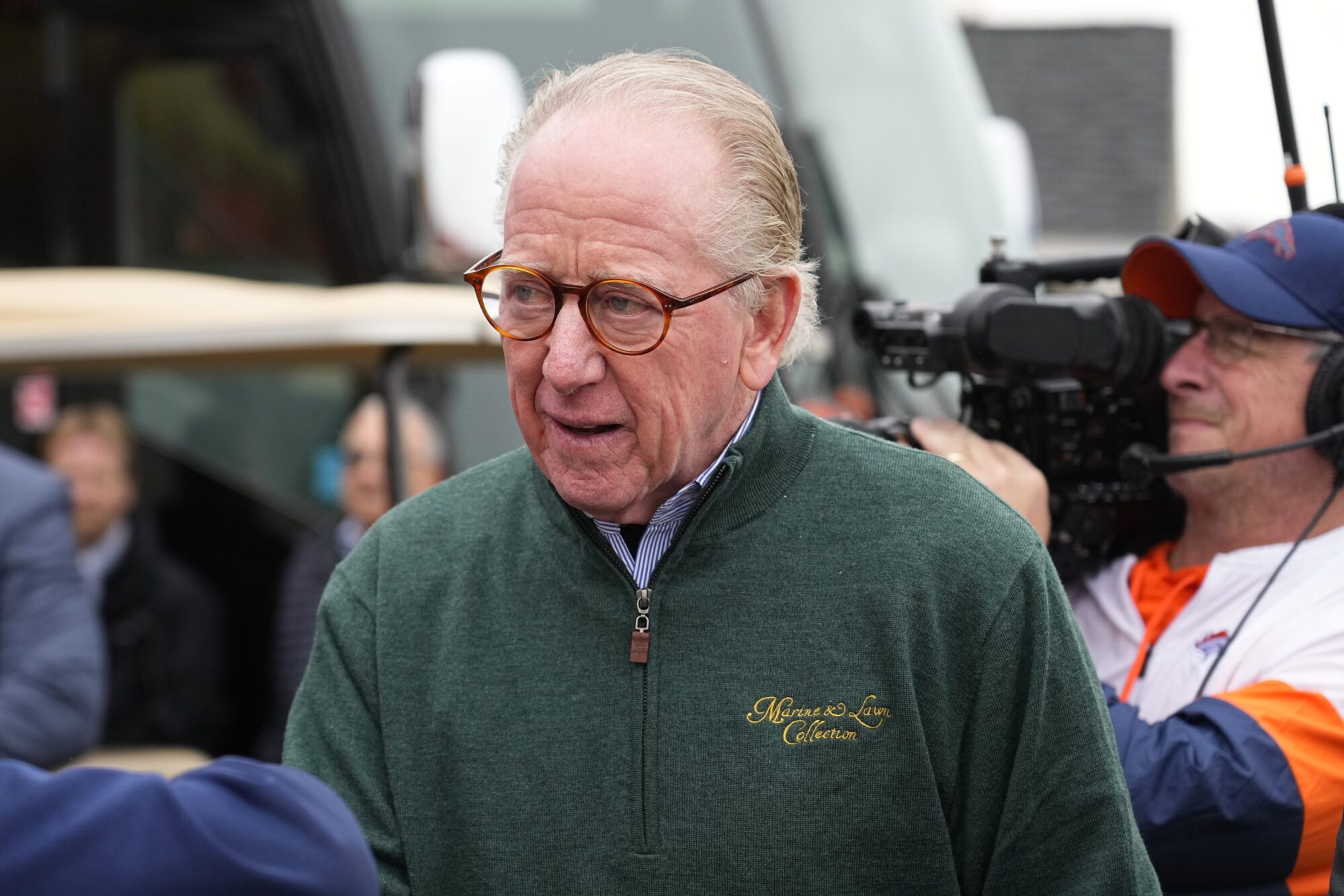
As of 2026, Archibald "Archie" Hugh Stirling of Keir’s net worth is estimated to be between £15 million and £25 million. This valuation is primarily derived from his historical ties to the Keir Estate in Scotland, his career as a prominent London theatre producer, and diversified investments within the heritage and arts sectors. While much of his wealth is tied to private family assets and landholdings, his financial standing remains a subject of interest due to his significant lineage and high-profile social connections.
The Foundations of the Stirling Fortune: Heritage and Land
Archie Stirling is a member of the Scottish landed gentry, a class whose wealth has historically been rooted in the ownership and management of vast agricultural and residential estates. The Stirlings of Keir have been a prominent family in Stirlingshire for centuries, establishing a foundation of wealth that is both generational and tied to the physical landscape of Scotland.
The Keir Estate, located near Stirling, was the ancestral seat of the family for over 500 years. In the late 20th century, the financial dynamics of the estate changed significantly. In 1975, the main house, Keir House, was sold to the billionaire businessman Mahdi Al-Tajir. However, the divestment of the primary residence did not signal the end of the family’s financial influence. Archie Stirling and his predecessors retained significant portions of the surrounding lands and diversified their capital into other ventures. In 2026, the valuation of such heritage wealth often involves a complex mix of agricultural yields, timber rights, and residential rental properties that continue to provide a steady, if private, income stream.
The management of a traditional Scottish estate in the modern era requires a transition from purely agricultural income to "diversified rural enterprise." For Archie Stirling, this has meant balancing the preservation of the family name with the realities of 21st-century property taxes and maintenance costs. The capital realized from historical land sales provided the liquidity necessary for his later career in the arts, serving as the "seed money" for his ventures in the competitive world of London’s West End.
Professional Career: The Economics of Theatre Production
Unlike many members of the landed gentry who remain solely focused on estate management, Archie Stirling established a distinct professional identity as a theatre producer. This career path significantly influenced his net worth, offering both high-reward opportunities and substantial financial risks. Producing in the West End requires significant upfront capital—often in the hundreds of thousands or millions of pounds—to cover venue hire, casting, marketing, and production design.
Stirling’s involvement in the theatre was not merely a hobby; it was a commercial pursuit. Successful productions can generate ongoing royalties and a share of the "box office take," which can bolster a producer’s net worth for years after a show has closed. However, the theatre industry is notoriously volatile. For every "hit" that returns a multiple on the initial investment, there are numerous "flops" that can result in total capital loss. Stirling’s financial resilience in this sector is a testament to his ability to leverage both his personal wealth and his network of high-net-worth investors (often referred to as "Angels").
In 2026, the value of a producer's portfolio is often measured by their "back catalog" of rights and their reputation within the industry. While Stirling is no longer as active as he was during the peak of his career in the 1980s and 90s, the residual income from past successes and his standing in the creative arts community contribute to his overall financial profile. His career serves as a case study in how "old money" can be successfully deployed into "new industry" creative ventures.
The Family Legacy: The SAS Connection and Military Influence
A discussion of Archie Stirling’s net worth and status is incomplete without acknowledging the influence of his uncle, Colonel Sir David Stirling, the founder of the Special Air Service (SAS). While the military service of a relative does not always translate directly into liquid assets, the Stirling family’s proximity to power and historical significance provides a form of "social capital" that is often more valuable than cash.
This lineage has ensured that the Stirling name remains influential in British society. The association with the SAS founder brings with it a certain level of prestige that assists in business negotiations, fundraising for productions, and maintaining a high-value network of associates. Furthermore, the Stirling family has historically been involved in various "private military" and security consultancy ventures, which were a hallmark of David Stirling’s post-war career. While Archie’s direct financial involvement in these specific sectors has been less public than his theatre work, the overarching family umbrella often includes diversified interests that provide a safety net for its members.
Real Estate and Asset Analysis
Beyond the historical Keir Estate, Archie Stirling’s net worth is tied to his residential holdings and private investments. Like many individuals of his status, his portfolio is likely split between liquid assets (stocks and bonds) and "hard assets" (real estate and fine art).
- London Property: Maintaining a presence in London is essential for a theatre producer. The appreciation of prime London real estate over the last four decades has been a major driver of wealth for those who entered the market early. A townhouse in a prestigious district like Chelsea or Kensington, even if used primarily as a residence, represents a multi-million pound asset.
- Scottish Landholdings: Although Keir House was sold, the Stirling family maintains interests in various Scottish properties. In 2026, land value in Scotland is driven by agricultural potential, sporting rights (hunting and fishing), and, increasingly, natural capital such as carbon sequestration and peatland restoration.
- Personal Assets: This includes collections of art, antiques, and family heirlooms passed down through the Stirling of Keir lineage. These assets are often difficult to value until they reach the auction block, but they form a significant portion of the "hidden" wealth common among the British aristocracy.
| Asset Category | Estimated Value Range (2026) | Primary Income/Value Driver |
|---|---|---|
| Heritage Land & Estates | £8M – £12M | Land rents, timber, carbon credits |
| Theatre & Intellectual Property | £2M – £4M | Royalties, production residuals |
| Private Real Estate (London) | £4M – £7M | Market appreciation, capital gains |
| Personal Investments & Art | £1M – £2M | Diversified stocks, auction value |
| Total Estimated Net Worth | £15M – £25M | Combined Heritage & Professional Wealth |
Marital History and Financial Implications
Archie Stirling’s personal life has frequently placed him in the public eye, particularly his marriages to high-profile women. His first marriage was to the legendary actress Dame Diana Rigg, followed by marriages to actress Sharon Duce and Oonagh Toffolo.
From a financial perspective, multiple marriages and subsequent divorces among the wealthy often lead to significant "wealth fragmentation." Legal settlements, alimony, and the division of assets can reduce a primary individual’s net worth. In the case of Archie Stirling, these transitions have been handled with a degree of privacy, but they are a factor in why his net worth is estimated in the tens of millions rather than the hundreds of millions.
Conversely, his connections to the world of entertainment through his spouses further cemented his position within the artistic elite of Britain. These relationships often led to collaborative opportunities in the theatre, effectively merging his personal and professional lives in a way that influenced his financial trajectory.
Comparative Wealth: Landed Gentry vs. Modern Entrepreneurs
To understand Archie Stirling’s £20 million-plus valuation in 2026, it is helpful to compare it to other forms of wealth. Unlike a modern tech billionaire whose net worth is tied to volatile stock prices, Stirling’s wealth is "stable." It is built on the bedrock of land and the steady accumulation of professional success.
In the hierarchy of British wealth, Stirling represents the "middle-upper" tier of the landed classes. He does not possess the astronomical wealth of the Duke of Westminster or the Earl of Cadogan, but he possesses significantly more capital and social influence than the average high-net-worth individual. His wealth is a "legacy wealth," designed for preservation and the maintenance of a specific lifestyle rather than aggressive, high-risk growth. This type of financial profile is often characterized by high liquidity in terms of lifestyle spending but a strong resistance to selling off core assets like family land or historical artifacts.
FAQs About Archie Stirling's Net Worth
Does Archie Stirling still own Keir House?
No, the main Keir House was sold in 1975 to Mahdi Al-Tajir, an Emirati businessman and former diplomat. However, the Stirling family remains historically associated with the area and retained other land and properties in the vicinity. Archie Stirling's wealth in 2026 is derived from these remaining holdings and his independent business ventures.
How did Archie Stirling's career in theatre affect his wealth?
His career as a producer acted as a primary source of earned income. While his family background provided the initial capital, his work on various London productions allowed him to build a personal fortune independent of his inheritance. Success in the West End can be highly lucrative, providing both lump-sum profits and long-term royalty streams.
What is the impact of the SAS connection on his financial status?
The connection is primarily one of prestige and social capital. Being the nephew of Sir David Stirling, the founder of the SAS, grants Archie Stirling a high level of recognition in military, social, and business circles. While not a direct source of cash, this "brand name" helps in securing investment for his projects and maintaining a prominent status in British society.
How much did his marriage to Diana Rigg influence his net worth?
While marriages between high-profile individuals often involve complex pre-nuptial or post-nuptial arrangements, the primary impact was social and professional. Their marriage unified two powerful names in the British arts, likely leading to shared investments and professional collaborations that benefited both parties' careers during their time together.
Is Archie Stirling considered a billionaire?
No, Archie Stirling is not a billionaire. His estimated net worth of £15 million to £25 million places him firmly in the "multi-millionaire" category. His wealth is consistent with that of a successful professional from a landed background, rather than the global elite who occupy the billionaire rankings.
What are his primary sources of income in 2026?
In 2026, his income is likely a combination of investment returns from his diversified portfolio, residual payments from his previous theatre productions, and income generated from managed landholdings or rental properties in Scotland and London.
Final Financial Outlook
Archie Stirling's net worth is a reflection of a life spent at the intersection of British tradition and the modern creative industry. His ability to navigate the transition from a traditional landed heir to a successful West End producer allowed him to maintain and grow a fortune that might have otherwise stagnated under the weight of historical estate taxes.
For those looking to understand the financial landscape of the British "upper class," Stirling serves as an example of how diversification is key. By moving capital from land into the arts and maintaining a high-value social network, he has preserved a multi-million pound legacy into 2026. The most practical takeaway for observers is the importance of asset diversification and the leveraging of social capital to ensure long-term financial stability across generations.