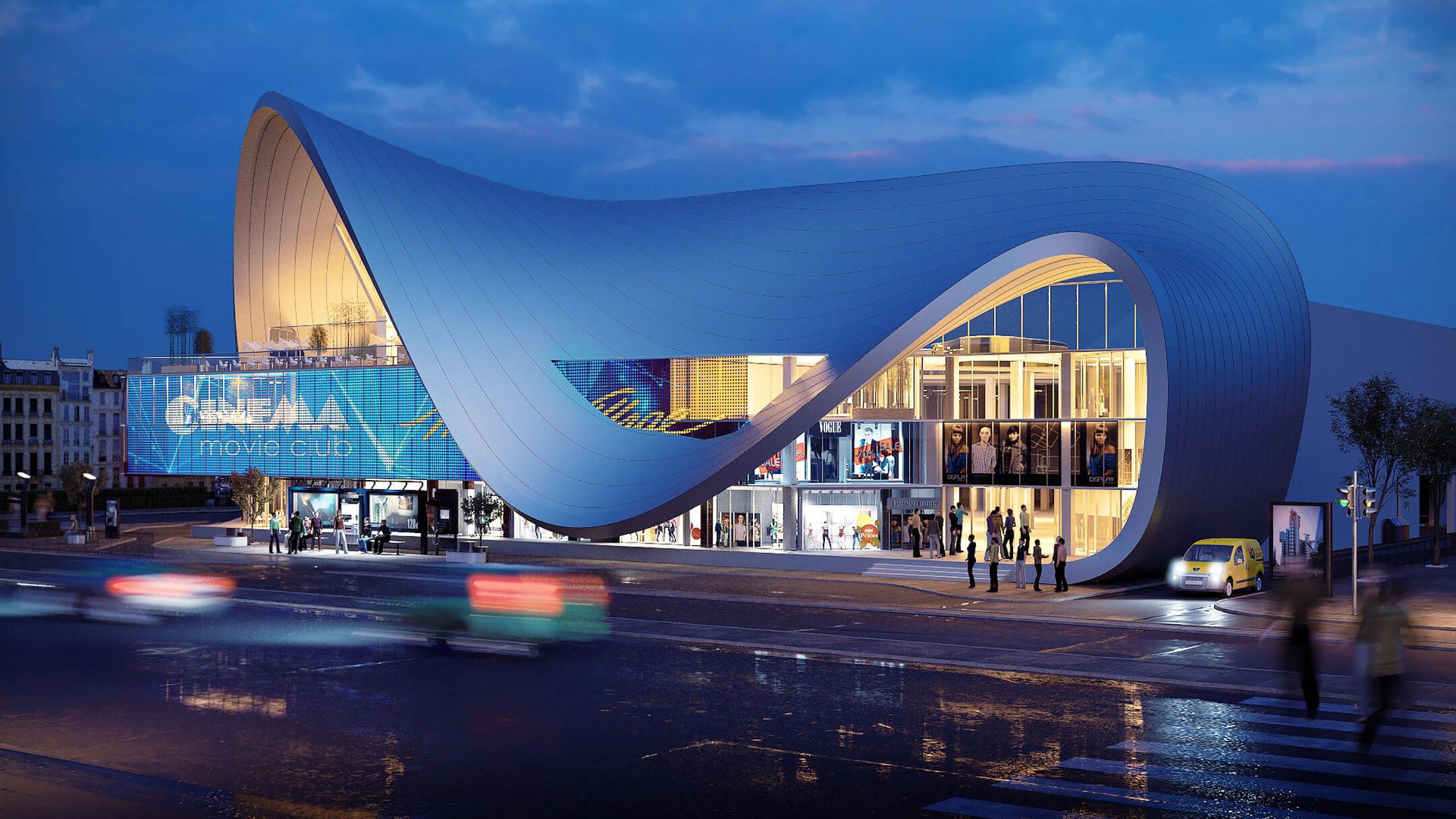
An architectural rendering company specializes in transforming 2D blueprints and CAD files into photorealistic 3D visualizations. These firms bridge the gap between technical design and marketing by providing high-quality imagery, animations, and virtual reality experiences that allow developers, architects, and stakeholders to visualize a property before construction begins.
In the 2026 real estate and construction landscape, architectural rendering has evolved from a luxury marketing add-on to a fundamental requirement for project approval, investor relations, and pre-sales. Working with an architectural rendering company requires an understanding of their technical capabilities, the nuances of the production process, and how to evaluate the quality of their output against your specific project goals.
The Core Functions of a Modern Architectural Rendering Company
Architectural rendering companies are no longer just "artists with computers." They are technical partners who integrate deeply into the design and development workflow. As of 2026, their primary role involves the synthesis of architectural accuracy with emotional storytelling. They utilize advanced software—ranging from Unreal Engine 5.5 for real-time applications to V-Ray and Corona for high-fidelity stills—to create digital twins of planned structures.
These firms serve several distinct purposes:
- Design Validation: Architects use rendering companies to see how materials, light, and shadow interact in a 3D space. This helps in identifying design flaws or aesthetic inconsistencies that might not be apparent in 2D drawings.
- Stakeholder and Public Approval: Large-scale commercial or municipal projects often require public hearings. A rendering company provides the visual evidence needed to show how a project will fit into the existing skyline or neighborhood context.
- Marketing and Pre-Sales: For residential developers, high-end renderings are the primary tool for selling units before a single brick is laid. This includes interior lifestyle shots, exterior "hero" views, and interactive virtual tours.
Key Services and Deliverables in 2026
When engaging a rendering firm, you are not just buying an image; you are commissioning a suite of visual assets. The complexity of these assets dictates the cost and the timeline.
Photorealistic Still Renderings
Still images remain the industry standard. These are high-resolution, static images of the exterior or interior of a building. In 2026, the standard for "photorealism" has moved beyond simple geometry to include "micro-imperfections"—subtle scuffs on floorboards, realistic fabric textures, and atmospheric depth—that make a digital image indistinguishable from a photograph.
3D Architectural Animation
Animations (or flythroughs) provide a cinematic tour of the property. Modern companies now offer "real-time" animations where changes to lighting or materials can be seen instantly. These are essential for luxury developments where the "flow" of the space is a major selling point.
Interactive Virtual Reality (VR) and Augmented Reality (AR)
A leading architectural rendering company now offers immersive VR experiences. Clients can wear headsets to walk through their future homes. Furthermore, AR allows developers to point a tablet at an empty plot of land and see the finished building projected onto the physical environment at a 1:1 scale.
360-Degree Virtual Tours
These are web-based interactive experiences where a user can "jump" from room to room. This service is particularly effective for multi-family residential projects, allowing potential buyers to explore different floor plans from their browsers.
The Production Workflow: From Brief to Final Render
Understanding the workflow is essential for managing expectations and deadlines. A typical project with an architectural rendering company follows a structured five-step process.
- Project Briefing and Data Collection: You provide the company with your architectural drawings (DWG, PDF, or BIM models like Revit), material schedules, and landscaping plans. The more detail provided here, the more accurate the initial "clay" model will be.
- 3D Modeling (The Clay Stage): The company builds the 3D geometry of the project. At this stage, the images are usually gray or white (without textures) so you can focus on the volumes, proportions, and camera angles.
- Texturing, Lighting, and Environment: Once the geometry is approved, the artists apply materials (wood, glass, concrete) and set up the lighting (time of day, interior mood lighting). They also add "entourage"—cars, people, and vegetation—to give the scene life.
- Draft Rendering and Feedback: You receive low-resolution drafts to check for material accuracy and atmosphere. Most companies include two to three rounds of revisions in their standard pricing.
- Final Rendering and Post-Production: The images are rendered at high resolution. Post-production involves color grading and adding fine details in software like Photoshop to ensure the image "pops."
Choosing the Right Partner: Evaluation Criteria
Not all rendering companies are created equal. Some specialize in high-end artistic "mood" shots, while others focus on technical accuracy and speed.
Portfolio Depth and Style
Examine their portfolio not just for quality, but for consistency. Does the company handle your specific niche? A firm that excels at cozy residential interiors might struggle with the technical complexity of a massive industrial warehouse or a high-rise glass curtain wall.
Technical Proficiency with BIM
In 2026, the integration of Building Information Modeling (BIM) is a significant differentiator. If your architectural team works in Revit or ArchiCAD, you should prioritize rendering companies that can import these models directly. This reduces the risk of human error during the re-modeling process and ensures that the rendering is a true reflection of the blueprints.
Communication and Project Management
The biggest "hidden" cost in rendering projects is the time lost to poor communication. Inquire about their project management tools. Do they use dedicated platforms like Frame.io or internal portals for feedback? A company with a clear communication protocol will hit deadlines more reliably than one that relies solely on fragmented email threads.
Comparing Service Levels
The following table outlines the differences you can expect between different types of architectural rendering providers in 2026.
| Feature | Freelance Artist | Specialized Boutique Studio | Global Rendering Agency |
|---|---|---|---|
| Typical Cost | Low ($300 - $800 per image) | Medium ($1,200 - $3,500 per image) | High ($5,000+ per image/animation) |
| Turnaround Time | Variable (Depends on workload) | 1–3 weeks | 1–2 weeks (Multiple artists) |
| Technical Depth | Moderate; often uses presets | High; custom material creation | Extreme; proprietary AI/VR tools |
| Revision Policy | Often flexible but slow | Strict (usually 2 rounds) | Structured (dedicated PM) |
| Best For | Small residential, students | Luxury real estate, mid-size firms | High-rise, airports, stadiums |
Cost Considerations and Budgeting
Budgeting for architectural rendering requires a balance between your marketing goals and project scale. In 2026, pricing is generally determined by the "labor-per-view."
- Complexity of Geometry: A simple box-shaped house is significantly cheaper than a building with parametric curves or complex facades.
- Environment and Context: If the company needs to digitally recreate the entire surrounding city block for an "aerial" shot, the price will increase substantially compared to a "ground-level" shot with generic greenery.
- Resolution and Usage Rights: Standard 4K renders are the norm, but if you require 8K or 16K for large-scale physical billboards, expect a premium for the increased rendering time and hardware resources.
- Urgency: "Rush" jobs (turnarounds under 5 days) typically incur a 25% to 50% surcharge.
Common Mistakes to Avoid
When hiring an architectural rendering company, avoiding these pitfalls will save time and money:
- Vague Briefing: Avoid phrases like "make it look modern." Instead, provide specific material samples (high-res images of the actual bricks or wood intended for use).
- Delayed Feedback: Rendering is a sequential process. If you request a major architectural change (like moving a wall) during the final texturing phase, it often requires going back to step two, leading to significant change-order fees.
- Ignoring the "Mood": Don't just look at the building. Consider the lighting. Do you want a "Golden Hour" sunset that emphasizes warmth, or a "Blue Hour" dusk shot that highlights the interior lighting design? Decide this early.
- Underestimating the Value of Human Elements: 3D people (assets) can make or break a render. Ensure the company uses high-quality, diverse, and contextually appropriate 3D people that don't look like "ghosts" or outdated video game characters.
Frequently Asked Questions
What files do I need to provide to a rendering company?
Ideally, you should provide 3D models in formats like .RVT (Revit), .FBX, or .OBJ. If you only have 2D drawings, provide .DWG (AutoCAD) or high-resolution PDFs of floor plans, elevations, and sections. A "material board" or schedule is also essential to ensure the colors and textures are accurate.
How long does a typical rendering project take?
For a set of 3–5 still images, a standard timeline is 10 to 15 business days. The first draft (clay) usually arrives within 3–5 days, with subsequent rounds for textures and lighting. Animations take longer, typically 4–6 weeks, depending on the length and complexity of the scenes.
Who owns the copyright to the final images?
In most standard contracts, the rendering company retains the "authorship" rights, while the client is granted an exclusive, perpetual license to use the images for marketing and PR. However, if you require the original "source files" (the 3D Max or Unreal Engine files), this usually requires a separate buyout fee, as these files contain the studio's proprietary assets and techniques.
Can AI replace an architectural rendering company?
By 2026, AI has become a powerful tool within rendering companies to speed up tasks like "denoising" images or generating background vegetation. However, AI alone still struggles with precise architectural accuracy and the ability to interpret complex CAD data exactly as designed. A professional company ensures that the AI-assisted output remains structurally and legally accurate to your blueprints.
How many revisions are typically included?
Most reputable studios include two rounds of minor revisions (adjusting colors, moving furniture, changing lighting). Major structural changes that deviate from the original brief provided at the start of the project are usually billed as additional work.
Practical Recommendation
When selecting an architectural rendering company, start with a "pilot" image if you have a large project. Commission a single interior or exterior shot to test their communication style, technical accuracy, and ability to meet deadlines. This small initial investment prevents the risk of being locked into a large contract with a firm that may not align with your aesthetic vision or technical requirements. Always ensure that the contract clearly defines the number of revisions and the final delivery resolution to avoid surprises during the post-production phase.