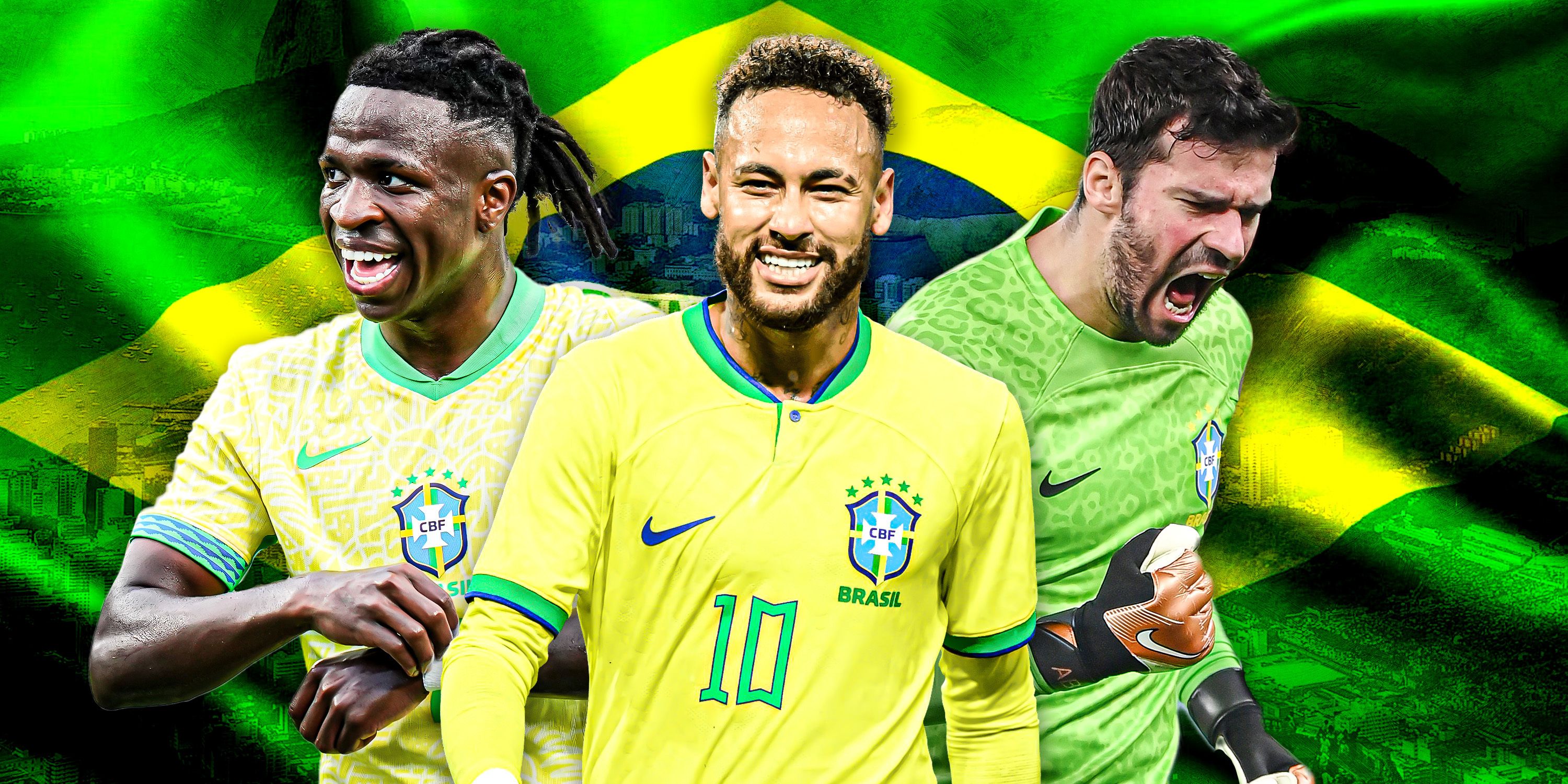
The Brazilian national football team, known as the Seleção, represents the most successful lineage in international football history. As of 2026, the player pool consists of world-class talents competing in Europe’s elite leagues and the emerging domestic Série A, anchored by icons like Vinícius Júnior and Endrick. This roster represents a blend of five-time World Cup-winning heritage and modern tactical innovation.
The Current State of the Brazil National Team in 2026
Entering the 2026 international cycle, the Brazilian national team has undergone a significant generational shift. The reliance on the veterans of the 2010s has transitioned into a squad built around explosive speed, technical versatility, and a rejuvenated defensive core. Under the current technical direction, the selection process focuses on players who can maintain the traditional "Joga Bonito" philosophy while adhering to the high-intensity pressing requirements of modern football.
The 2026 roster is characterized by its depth. Unlike previous eras where the team relied heavily on a single "Neymar-centric" system, the current squad distributes creative responsibility across the front three and a dynamic midfield. This evolution has been necessary to compete with the structured collective units of European nations.
The 2026 Attack: Leading the Vanguard
Brazil’s attacking depth remains the envy of the world. The primary focus of the 2026 squad revolves around the maturation of young talents who were previously considered "prospects" but are now established global superstars.
Vinícius Júnior and the Left Flank
Vinícius Júnior has solidified his position as the symbolic leader of the Brazilian attack. His role transcends simple wing play; in 2026, he acts as a primary playmaker who can drift inside to create overloads. His development at Real Madrid has translated into a more clinical finishing rate for the national team, making him the first name on the team sheet for any competitive fixture.
The Rise of Endrick
By 2026, Endrick has transitioned from a teenage sensation to a central figure in Brazil’s quest for a sixth star. His physical strength, combined with a low center of gravity and instinctive finishing, draws constant comparisons to Romário and Ronaldo Nazário. His presence allows Brazil to play with a traditional "Number 9" or a more fluid attacking system where he can link play with the midfielders.
Rodrygo and Tactical Versatility
Rodrygo Goes provides the tactical balance necessary for the Brazilian front line. Often deployed on the right or as a "false ten," his spatial awareness and ability to execute under pressure make him indispensable. His chemistry with Vinícius Júnior, forged over years of domestic partnership, is the engine of the Brazilian counter-attack.
The Midfield Engine: Balancing Flair and Steel
The Brazilian midfield in 2026 is built on the principle of the "Box-to-Box" engine. The era of static defensive midfielders has largely passed, replaced by players who are equally comfortable winning the ball and initiating transitions.
- Bruno Guimarães: The heartbeat of the transition, Guimarães offers elite ball progression and vision. He serves as the primary link between the defense and the creative attackers.
- João Gomes and André: These players represent the "stoppers" of the modern era. Their high tackle success rates and stamina allow the attacking full-backs to push forward without leaving the center-back pairing exposed.
- Lucas Paquetá: Providing the creative spark from a deeper or central role, Paquetá remains a vital component for breaking down low-block defenses through his unpredictable passing and flair.
The Defensive Foundation and Goalkeepers
Brazil continues to produce world-leading goalkeepers and central defenders. The 2026 defensive unit is built on a mixture of veteran leadership and peak-age athleticism.
The Goalkeeper Dilemma: Alisson vs. Ederson
The competition between Alisson Becker and Ederson Moraes remains one of the most debated topics in Brazilian football. In 2026, both remain at the top of their game. Alisson is typically preferred for his traditional shot-stopping and positioning, while Ederson is utilized in matches where Brazil intends to bypass the opposition's press through long-range distribution.
Central Defense: Marquinhos and the New Wave
Marquinhos remains the captain and the psychological anchor of the defense. Beside him, Éder Militão and Gabriel Magalhães provide the physical presence and aerial dominance required for modern international matches. The integration of younger defenders from the domestic league ensures that the squad has sufficient cover for long tournament formats.
Historical Icons: The Legends Who Defined the Yellow Jersey
To understand "all Brazil players," one must acknowledge the historical titans who established the team's global dominance. The history of the Seleção is divided into eras marked by tactical shifts and legendary individuals.
The Golden Age (1958–1970)
This era produced the greatest player in history, Pelé. Alongside him were legends like Garrincha, whose dribbling was considered a form of art, and Mário Zagallo, who later became a legendary coach. The 1970 squad, featuring Jairzinho, Tostão, Gérson, and Carlos Alberto, is frequently cited as the greatest football team ever assembled.
The 1980s: The Beautiful Losers
Despite not winning a World Cup, the 1982 team is legendary for its style. Players like Zico, Sócrates, and Falcão personified "Joga Bonito," focusing on intricate passing and individual brilliance that influenced generations of players worldwide.
The Return to Glory (1994–2002)
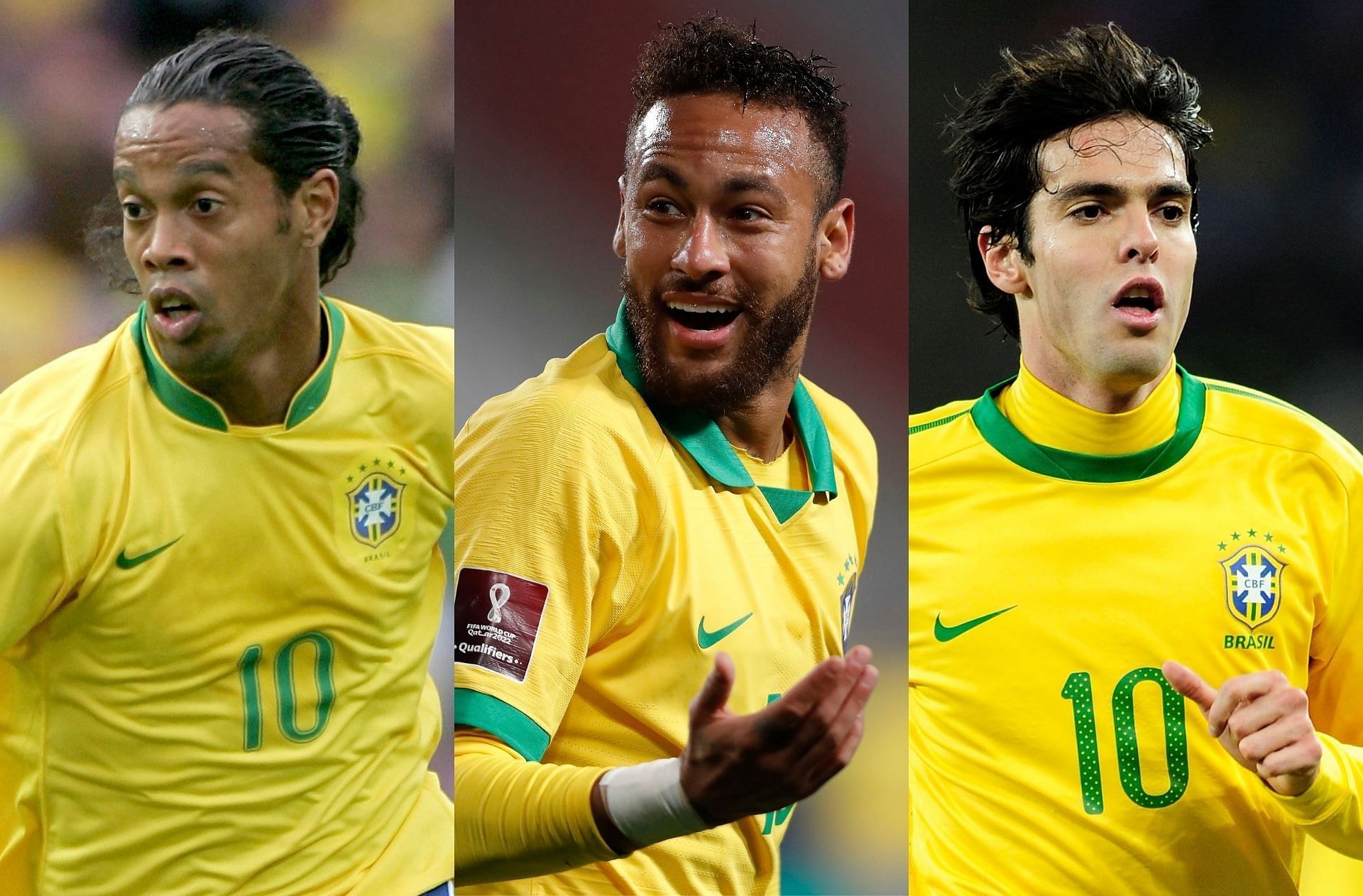
After a 24-year drought, Brazil returned to the summit. Romário and Bebeto led the 1994 charge. This transitioned into the "Three R's" era of 2002: Ronaldo, Rivaldo, and Ronaldinho. Ronaldo’s comeback in 2002 remains one of the most storied arcs in sports history, cementing his place as perhaps the greatest pure striker to ever play.
Key Statistical Comparison of Iconic Brazil Players
The following table compares the international impact of various era-defining players. Note that "Caps" and "Goals" reflect official FIFA and CBF recognized senior international statistics.
| Player Name | Era | Primary Position | World Cup Titles | Notable Achievement |
|---|---|---|---|---|
| Pelé | 1957–1971 | Forward | 3 (1958, 62, 70) | All-time greatest influence; 1,000+ career goals |
| Garrincha | 1955–1966 | Winger | 2 (1958, 1962) | Hero of the 1962 tournament in Pelé's absence |
| Zico | 1971–1986 | Attacking Mid | 0 | The "White Pelé"; master of the free kick |
| Romário | 1987–2005 | Striker | 1 (1994) | 1994 FIFA World Player of the Year |
| Ronaldo | 1994–2011 | Striker | 2 (1994, 2002) | 15 World Cup goals; multi-time Ballon d'Or winner |
| Ronaldinho | 1999–2013 | Attacking Mid | 1 (2002) | Redefined creative flair and entertainment |
| Neymar Jr. | 2010–2026 | Forward | 0 | Brazil's all-time leading male goalscorer (FIFA) |
| Vinícius Jr. | 2019–2026 | Winger | 0 | Current 2026 squad talisman; Champions League hero |
Selection Criteria and Eligibility for the Seleção
The process of becoming one of the "all Brazil players" is governed by the Brazilian Football Confederation (CBF) and strict FIFA eligibility rules. To represent Brazil, a player must hold Brazilian citizenship.
Domestic vs. International Scouting
Historically, the Brazilian squad was composed primarily of players from the local league. However, in 2026, the majority of the first-team players are based in the English Premier League, Spanish La Liga, and Italian Serie A. The CBF maintains a massive scouting network that monitors players starting from the U-15 level.
The Challenge of Naturalization
Brazil faces a unique challenge where many talented Brazilian-born players choose to represent other nations (e.g., Pepe for Portugal, Jorginho for Italy). This often occurs when players believe they will not receive a call-up for the highly competitive Seleção roster. The CBF has recently intensified efforts to secure "dual-national" talents earlier in their careers to prevent this talent drain.
Frequently Asked Questions
Who has the most caps for the Brazil national team?
As of 2026, Cafu remains the most capped player in the history of the Brazilian men's national team. The legendary right-back represented his country in four World Cups (1994, 1998, 2002, 2006) and is the only player to have appeared in three consecutive World Cup finals. His longevity and physical fitness are benchmarks for modern Brazilian defenders.
Who is the all-time leading goalscorer for Brazil?
Neymar Jr. holds the record for the most goals scored in official FIFA matches for the Brazilian men's national team, having surpassed Pelé's long-standing record. While Pelé's total including friendlies against clubs is often cited higher in Brazilian records, Neymar is recognized by international bodies as the leader in "A" international goals.
How are players selected for the World Cup roster?
The final roster for a World Cup typically consists of 23 to 26 players. The head coach (Técnico) evaluates players based on their club form, tactical adaptability, and performance in continental qualifiers and friendlies. The selection must be submitted to FIFA by a specific deadline, usually one month before the tournament begins.
Can a player play for Brazil if they were not born in Brazil?
Yes, provided they meet FIFA’s eligibility requirements. A player must either have a biological parent or grandparent born in Brazil, or they must have lived in Brazil for at least five years after the age of 18 without representing another senior national team. While rare for Brazil, this is common in many other national teams.
What is the "Ginga" style often associated with Brazilian players?
"Ginga" is a traditional Brazilian philosophy of movement derived from Capoeira and Samba. It emphasizes rhythm, improvisation, and deception. While modern football has become more structured, the "Ginga" remains a core cultural element that differentiates Brazilian players, allowing them to excel in 1-on-1 dribbling and creative problem-solving on the pitch.
Practical Guidance for Fans and Researchers
For those looking to follow "all Brazil players" throughout the 2026 season, it is recommended to monitor the official announcements from the Confederação Brasileira de Futebol. Call-ups typically happen two to three weeks before international breaks.
If you are tracking player statistics, ensure you differentiate between "official" FIFA internationals and unofficial friendlies, as Brazilian football history often blends the two, leading to discrepancies in goal and cap counts. For the most accurate current data, the FIFA Digital Hub and reputable sports analytics platforms like Opta or Transfermarkt provide real-time updates on player valuations and performance metrics.