Navigating abortion policies by state requires an understanding of a highly fragmented legal landscape where regulations range from comprehensive protections to near-total bans, directly impacting healthcare access, patient travel, and clinical practice across the United States.
The Post-Roe Landscape: A Fragmented Regulatory Environment
The legal landscape surrounding reproductive healthcare in the United States underwent a profound transformation following the June 2022 Supreme Court ruling in Dobbs v. Jackson Women's Health Organization. By overturning the constitutional precedent established by Roe v. Wade, the Court returned the authority to regulate or prohibit abortion entirely to individual state legislatures.
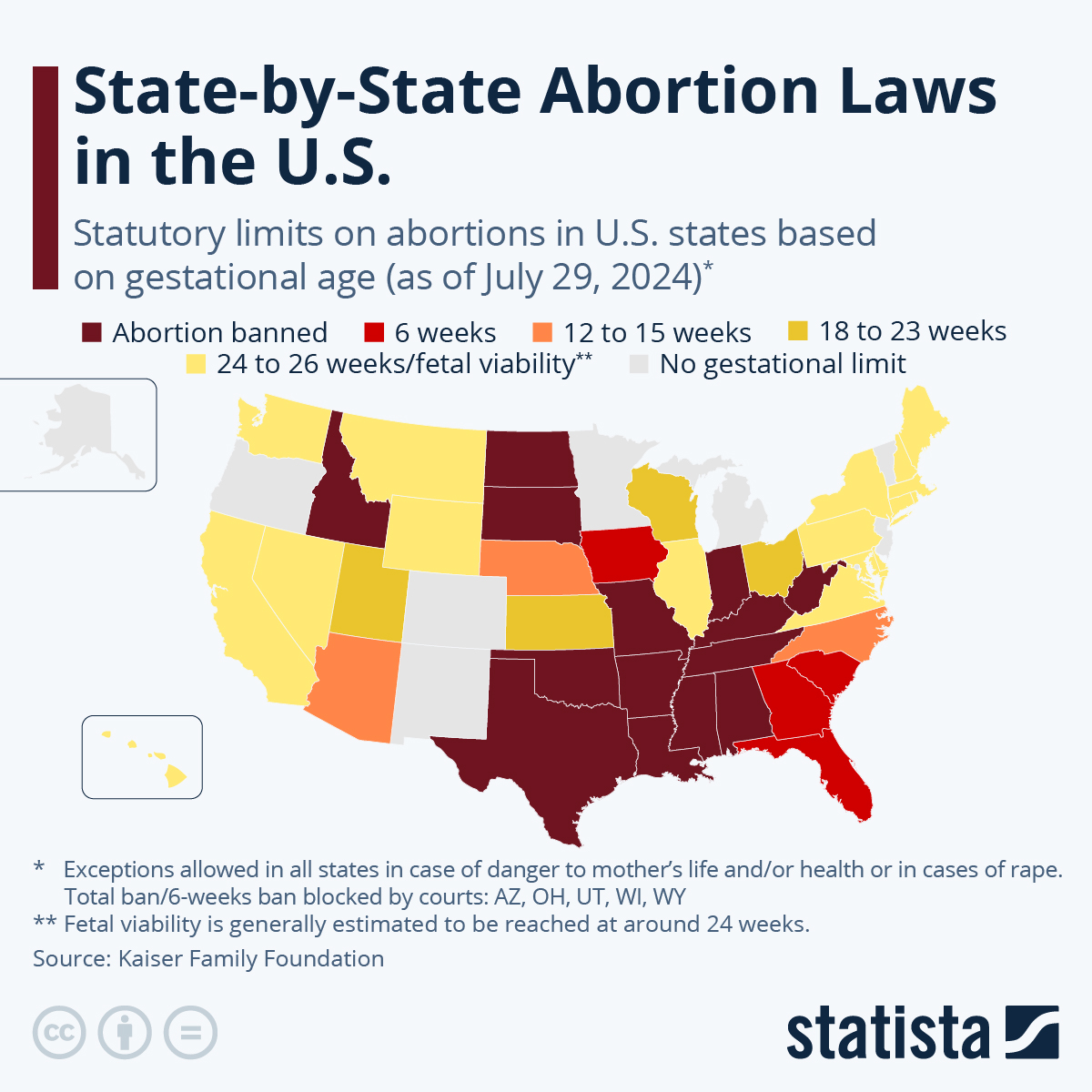
As a result, the national framework dissolved into a complex mosaic of fifty distinct state jurisdictions. In this environment, a patient's legal right to access pregnancy termination, the gestational age limits permitted, and the operational liabilities faced by medical providers depend almost entirely on geographic location.
This fragmentation has created stark geographic disparities in healthcare availability. Residents of certain states enjoy statutory protections and state-funded support for reproductive care, while individuals living in neighboring jurisdictions may face criminalized bans, severe civil penalties for providers, and mandatory waiting periods. Understanding this overview requires examining how state policies cluster into distinct legal categories, ranging from protected access to restricted prohibition.
Categorizing State Abortion Laws
To make sense of the regulatory spectrum, legal scholars, public health researchers, and advocacy organizations generally group state policies into categories based on overall access levels and statutory restrictions. While legislative updates occur frequently through ballot measures, judicial injunctions, and newly enacted statutes, states typically fall into one of several distinct operational classifications.
States Protecting and Expanding Access
In jurisdictions where abortion is protected, state legislatures and executive branches have enacted affirmative laws to safeguard reproductive rights. These states often enshrine the right to abortion in state constitutions or statutes, prohibit interference by local municipalities, and shield both patients and providers from out-of-state legal actions or extradition requests related to reproductive healthcare.
Furthermore, many of these states implement shield laws to protect medical professionals who provide telehealth services or in-person care to patients traveling from restrictive states.
States with Gestational Age Limits and Regulation
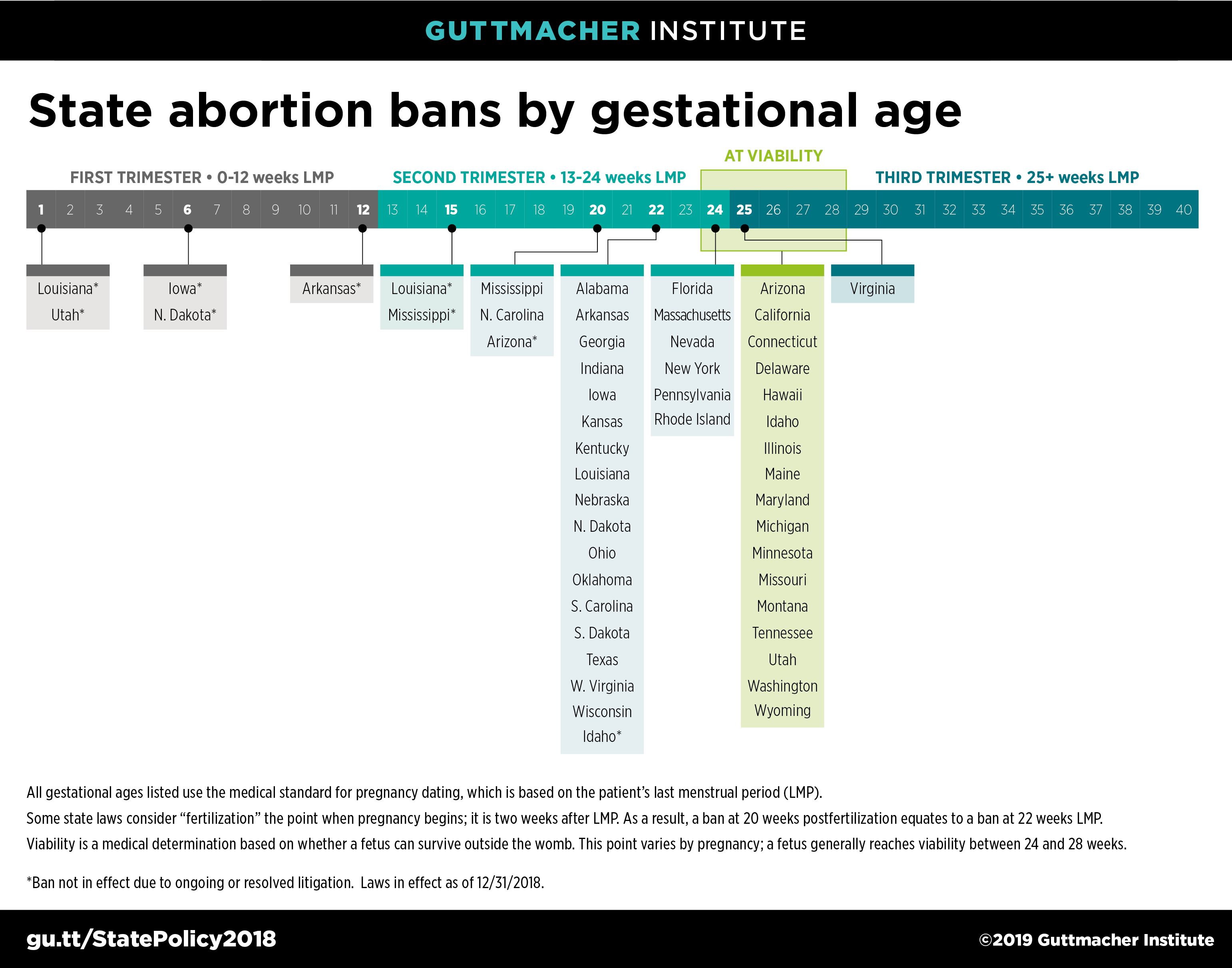
A middle tier of states permits abortion up to specific gestational milestones, such as 12, 15, or 18 weeks of pregnancy, but imposes stringent regulatory hurdles. These rules frequently include:
- Mandatory waiting periods (often 24 to 72 hours between initial consultation and the procedure).
- In-person state-mandated counseling sessions.
- Mandatory parental consent or notification requirements for minors.
- Targetid Regulation of Abortion Providers (TRAP) laws that impose strict architectural and staffing requirements on clinics.
States with Near-Total Bans and Trigger Laws
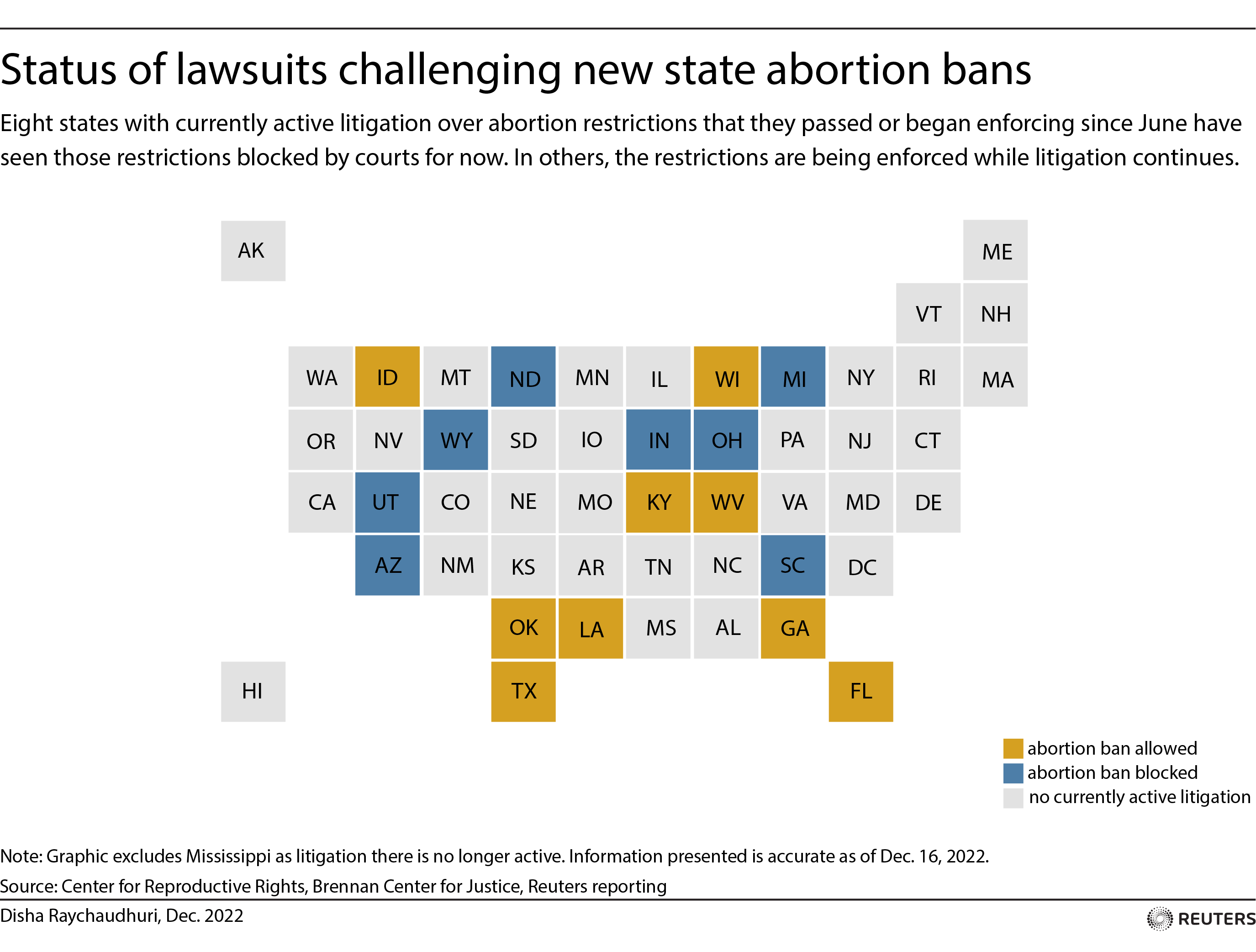
Following the Dobbs decision, numerous states enacted near-total bans on abortion. These prohibitions often rely on "trigger laws"—statutes designed to take effect automatically or upon certification by state officials once Roe v. Wade was overturned.
Most of these bans contain few exceptions, typically limited to saving the life of the pregnant person or, in some cases, instances of rape and incest up to a restricted gestational age. Violating these bans often carries severe felony charges for medical providers, including long prison sentences and the revocation of medical licenses.
Key Policy Variations Across Jurisdictions
Beyond broad categorizations, specific statutory mechanisms dictate how abortion policies function on the ground. Recognizing these operational differences is essential for understanding patient experiences and legal compliance.
| Policy Type | Description | Typical Jurisdictions | Operational Impact |
|---|---|---|---|
| Complete Bans | Prohibition of abortion at all stages of pregnancy with narrow or non-existent exceptions. | Idaho, Texas, Oklahoma, Tennessee, Mississippi, and others. | Eliminates in-clinic care; forces patients to travel out of state or rely on unverified self-managed methods. |
| Gestational Limits | Bans taking effect after a specific point (e.g., 6 weeks, 12 weeks, or fetal heartbeat detection). | Florida, Georgia, South Carolina, Iowa. | Restricts care before many individuals know they are pregnant; shifts demand to earlier triage windows. |
| Shield Laws | Statutory protections shielding in-state medical and legal professionals from out-of-state subpoenas and prosecution. | California, New York, Massachusetts, Washington. | Allows clinicians to provide telehealth or cross-border care without fear of civil or criminal liability from ban states. |
| Constitutional Protections | Direct ballot measures or state supreme court rulings establishing reproductive freedom as a fundamental right. | Kansas, Michigan, Ohio, California. | Protects access against sudden legislative shifts and ensures long-term statutory stability within the state. |
Medication Abortion vs. Procedural Access
Abortion policies regulate not only surgical or procedural interventions but also medication abortion, which typically involves a two-drug regimen of mifepristone and misoprostol. Medication abortion accounts for a significant majority of all abortions in the United States, making it a primary focal point for both state legislators and federal regulatory bodies.
In states with protective policies, clinicians can prescribe mifepristone via telehealth and mail the medication directly to patients within state borders. Conversely, restrictive states have enacted outright bans on the mailing of abortion pills, prohibited prescription via telehealth, or required that the medication be administered solely by a licensed physician in a certified clinical setting.
Additionally, federal litigation regarding Food and Drug Administration (FDA) approval protocols for mifepristone continues to influence how states approach distribution, compounding the complex interplay between federal guidelines and state-level enforcement.
Practical Impacts on Healthcare Delivery and Patient Travel
The divergence in state policies has fundamentally altered patient travel patterns and clinical workflows. Millions of individuals now reside in states where local abortion access is entirely unavailable, necessitating interstate travel to receive care in the nearest protective or permissive jurisdiction.
The Travel Burden
Patients seeking care outside restrictive states face substantial logistical challenges. These hurdles include:
- Financial Costs: Out-of-pocket expenses for travel, lodging, childcare, and lost wages.
- Scheduling Delays: High patient volume in clinics located in destination states can lead to appointment backlogs, inadvertently pushing patients closer to gestational age limits.
- Information Gaps: Navigating conflicting state laws, finding verified clinics, and avoiding fraudulent crisis pregnancy centers (CPCs) requires substantial digital literacy and navigational support from reproductive health funds and patient navigators.
Clinical Strain on Provider Networks
Medical facilities in states with protective laws experience significant surges in patient volume from out-of-state residents. This influx strains clinical capacity, extends wait times, and places heavy emotional and operational burdens on healthcare staff. Meanwhile, medical training programs in ban states face unique challenges in ensuring that resident physicians receive comprehensive clinical instruction in reproductive healthcare and emergency pregnancy management.
Frequently Asked Questions
Are abortion laws determined by federal or state government?
Following the 2022 Supreme Court ruling in Dobbs v. Jackson Women's Health Organization, the regulation of abortion was returned to individual state legislatures and state courts. While federal agencies like the FDA regulate pharmaceutical approvals, individual states possess the primary authority to permit, restrict, or criminalize abortion procedures and medication within their borders.
Can individuals travel across state lines to obtain an abortion?
Yes. Crossing state lines to receive legal medical care in a jurisdiction where abortion is permitted remains legal. However, certain state legislatures have debated or proposed legal strategies aimed at restricting out-of-state travel or penalizing individuals who assist minors in traveling for reproductive care, creating an evolving and frequently litigated legal gray area.
What is a medication abortion and how is it regulated by states?
Medication abortion involves using a regimen of two medications, mifepristone and misoprostol, to end an early pregnancy. States regulate this process differently: protective states allow telehealth prescriptions and mail delivery, while restrictive states ban telemedicine prescribing, prohibit mail distribution, or mandate that physicians administer the drugs in person.
Do near-total bans include exceptions for rape, incest, or maternal life?
Exceptions vary significantly by state. While nearly all restrictive states include an exception to save the life of the pregnant person, fewer states include exceptions for cases of rape or incest, and those that do often impose strict gestational limits (such as 6 or 15 weeks) or require formal police reports, making these exceptions difficult to utilize in practice.
What are shield laws and how do they protect providers?
Shield laws are statutes enacted by protective states to safeguard medical professionals, patients, and support networks from out-of-state legal actions. These laws prevent state officials from cooperating with investigations or extraditions originating from states where abortion is banned, providing a layer of legal security for clinicians offering telehealth or cross-border care.
Practical Recommendations for Navigating State Policies
For individuals, advocates, and healthcare researchers seeking accurate, up-to-date guidance on state-specific regulations, relying on verified resources is essential. Because legislative sessions, court injunctions, and ballot initiatives frequently alter the legal status of reproductive care, individuals should consult reputable organizations that track real-time regulatory updates.
Patients seeking care can utilize verified navigational resources such as AbortionFinder.org or In Need of an Abortion (ineedana.com) to locate licensed clinics, verify state laws, and connect with logistical support funds. Healthcare providers should consult legal counsel and professional medical associations to ensure full compliance with their local jurisdictional requirements and to understand their rights under applicable state shield laws.