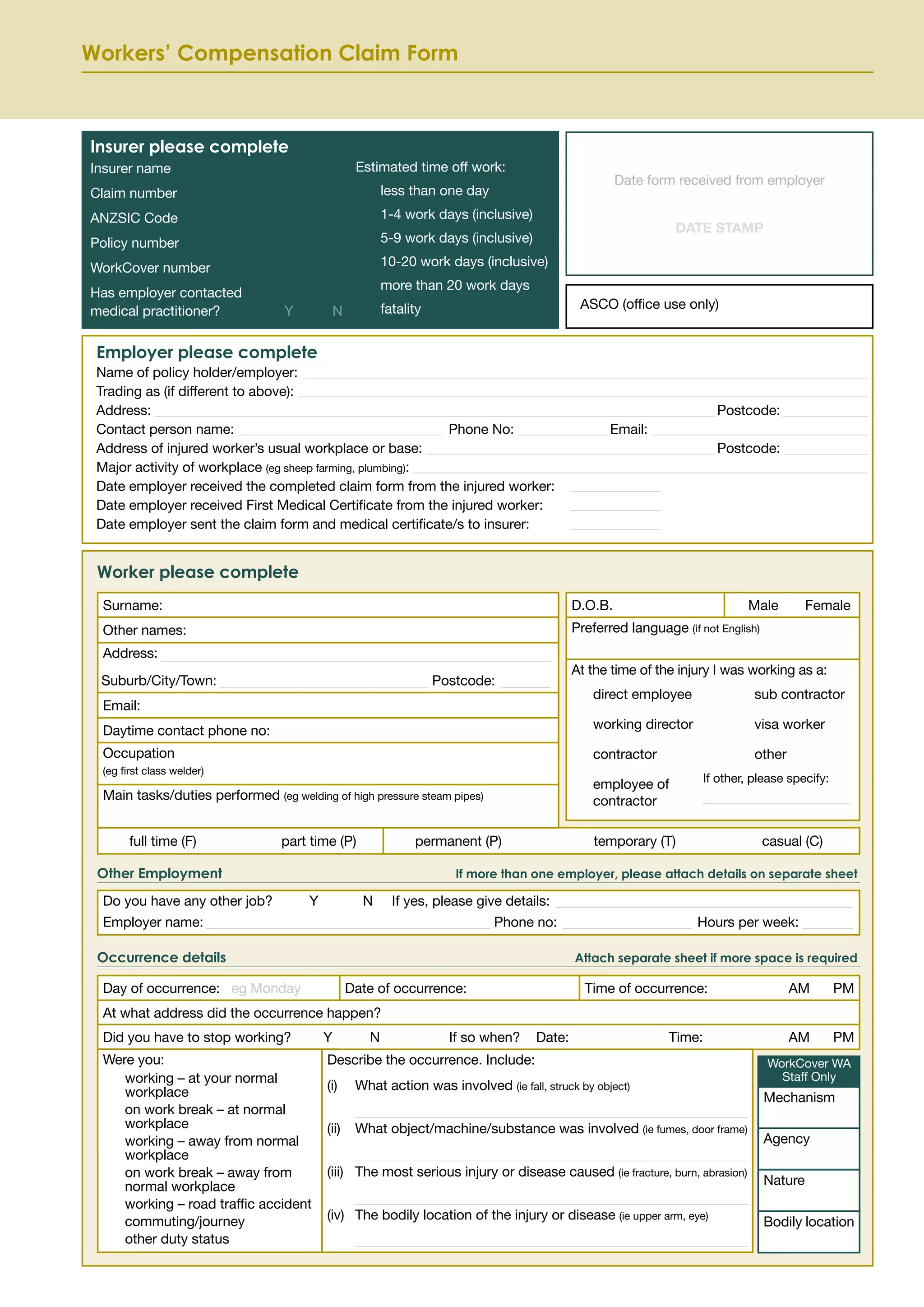
The 360 phone system for Washington workers’ comp refers to the automated Interactive Voice Response (IVR) service provided by the Washington State Department of Labor & Industries (L&I). Accessible primarily via the (360) 902-5800 number, it allows injured workers, employers, and providers to check claim status, verify payment dates, and access critical claim information 24/7.
In 2026, while digital portals like the Claim and Account Center (CAC) have become more sophisticated, the "360 phone" remains a cornerstone of accessibility for the Washington State workers' compensation system. Whether you are an injured worker waiting for a time-loss check, an employer tracking a claim's impact on your experience rating, or a medical provider verifying authorization, this automated system provides immediate data without the need for a live representative.
The Role of the 360 Phone System in Washington Workers' Comp
The Washington State Department of Labor & Industries (L&I) is headquartered in Tumwater, which falls under the 360 area code. Consequently, the "360 phone" has become shorthand among workers' comp stakeholders for the automated telephonic gateway to the state’s massive industrial insurance database.
This system is designed to handle high volumes of routine inquiries. By using the automated line, users bypass the often lengthy wait times associated with speaking directly to a Claim Manager or a Customer Service Representative. In 2026, the IVR technology utilizes advanced natural language processing, but the core function remains the same: providing a secure, efficient bridge between the L&I database and the public.
Why Use the Phone System?
While internet-based tools are prevalent, several factors make the 360 phone system indispensable:
- Immediate Access: No need to remember a complex web password or navigate through multiple browser tabs.
- Accessibility: Critical for workers who may not have reliable high-speed internet or those who prefer auditory information.
- Portability: Information can be retrieved from a job site, a doctor’s office, or while commuting.
- Security: Multi-factor verification through the phone (using Social Security numbers and Claim numbers) remains a highly secure method for data retrieval.
Essential Prerequisites for Using the System
To successfully navigate the 360 phone system and retrieve specific claim data, you must have several pieces of information ready. The system will not grant access to sensitive financial or medical status updates without proper authentication.
For Injured Workers
If you are calling to check on your own claim, ensure you have:
- Your Claim Number: This is a seven-character alphanumeric code (e.g., BB-12345) assigned to you once your Report of Accident is filed. This number is the primary key for all interactions with L&I.
- Social Security Number (SSN): You will likely be asked to input the last four digits of your SSN to verify your identity.
- Date of Birth: Often used as a secondary verification layer.
- Date of Injury: In cases where a worker has multiple claims, the system may ask for the specific date of the injury you are inquiring about.
For Employers and Medical Providers
Employers generally need their L&I Account ID and the specific claim number of the employee in question. Medical providers require their Provider ID and the patient’s claim number. Having these ready prevents the system from timing out during the entry phase.
Navigating the Automated Menu in 2026
The 360 phone system is organized into "branches" designed to route the caller to the specific information they need. As of 2026, the menu typically follows this hierarchy:
- Option 1: Injured Workers. This is the most frequented branch. It leads to sub-menus for claim status, the date the last check was mailed, and information on medical treatment authorizations.
- Option 2: Employers. This branch allows business owners or HR representatives to check the status of claims filed against their account, which is vital for managing industrial insurance premiums.
- Option 3: Medical Providers. This section focuses on billing status, payment cycles for services rendered, and authorization for specific procedures like MRIs or surgery.
- Option 4: General Information. This provides office hours, locations of regional L&I offices (such as those in Seattle, Spokane, or Vancouver), and general information on how to file a new claim.
Detailed Breakdown of Available Information
The 360 phone system is more than just a "status" line; it provides granular data that can help you plan your finances and medical recovery.
Claim Status Verification
The system will tell you if your claim is:
- Received: L&I has the paperwork but hasn't made a formal decision.
- Allowed: The claim has been accepted, and benefits are being paid.
- Closed: Benefits have ended, and the medical recovery is considered complete.
- Suspended: Payments have stopped, often due to a failure to submit a required form (like the Worker’s Two-Week Time-Loss Report).
Payment Information
One of the primary reasons workers call the 360 phone system is to track Time-Loss Compensation. The IVR can provide:
- The date the last check was issued.
- The amount of the payment.
- The period of time the payment covers.
- Whether the check was sent via physical mail or electronic funds transfer (EFT).
Vocational and Medical Updates
If you are involved in a vocational rehabilitation plan, the phone system may provide updates on the status of your plan's approval. For medical matters, it can confirm whether a "Request for Consultation" or a specific treatment plan submitted by your doctor has been reviewed by the L&I medical department.
Comparison: 360 Phone System vs. Online Portals
While both provide claim information, they serve different needs. The following table highlights the differences between the 360 automated phone line and the L&I Claim and Account Center (CAC).
| Feature | 360 Phone (IVR) | Claim & Account Center (Online) |
|---|---|---|
| Accessibility | Any telephone / 24/7 | Internet connection required |
| Speed of Entry | High (Direct Input) | Moderate (Login/MFA required) |
| Document Viewing | No | Yes (View letters, IME reports) |
| Messaging | Listen only | Send/Receive messages to Claim Manager |
| History | Recent payments only | Full claim history/ledger |
| Ease of Use | High (Voice/Keypad) | Moderate (Navigation menus) |
| Update Capability | Limited (e.g., Change PIN) | High (Upload forms, change address) |
Common Troubleshooting and Limitations
Despite its efficiency, users may encounter hurdles when using the 360 phone system.
Voice Recognition Issues
In 2026, the system uses "Natural Language" recognition. If you are in a noisy environment or using a speakerphone, the system may struggle to understand your claim number. Tip: Use the keypad to type in numbers whenever possible to ensure accuracy.
"System Unavailable"
L&I performs database maintenance periodically, usually during late-night hours or weekends. If the system is "down," it typically means the main database in Olympia is undergoing a backup. Try calling back during standard business hours (8:00 AM to 5:00 PM PST).
Information Mismatch
If the phone system states your claim is "Closed" but your doctor says it is "Open," there may be a lag in data entry or an Order that was mailed but not yet received. In these instances, the phone system reflects the official record as it stands at that micro-second. If the record is incorrect, you must contact a live agent or your attorney.
Legal Considerations: The Phone Call is Not a Protest
A critical legal distinction in Washington workers' comp law (RCW 51.52.050) is that talking to an automated system or even a live agent does not constitute a formal protest or appeal.
If the 360 phone system informs you that your claim has been denied or closed, you have exactly 60 days from the date you receive the written Order in the mail to file a protest. Simply calling the 360 number to express your disagreement does not stop the clock. You must submit your protest in writing or via the online portal to protect your legal rights.
When to Move Beyond the 360 Phone System
The automated system is a tool for information retrieval, not problem-solving. You should stop using the automated line and seek a live person or legal counsel if:
- Your time-loss checks have stopped without explanation.
- You have received an "Order and Notice" that you disagree with.
- Your medical provider is being denied authorization for necessary surgery.
- The system does not recognize your claim number despite repeated attempts.
- You are being scheduled for an Independent Medical Examination (IME) and need to clarify the location or purpose.
Strategic Tips for Employers
Employers should use the 360 phone system to perform weekly "pulse checks" on their active claims. By staying informed on the status of a worker’s "Ability to Work" (APF forms), employers can proactively offer light-duty or transitional work. This not only helps the injured worker return to a productive routine but also significantly reduces the employer’s long-term premium costs by mitigating time-loss payments.
Frequently Asked Questions
What is the specific phone number for the L&I 360 system?
The primary number for general inquiries and the automated system is (360) 902-5800. For those outside the Olympia area, L&I also provides a toll-free option at 1-800-547-8367. Both numbers lead into the same IVR (Interactive Voice Response) infrastructure that allows for claim status checks.
Can I change my address through the 360 phone system?
Generally, no. For security reasons, address changes usually require a written request or an update through a verified "My L&I" account. The 360 phone system is primarily a "read-only" environment designed to give you information rather than take new demographic data. However, you can sometimes use the system to request that a specific form be mailed to the address already on file.
Why does the system say my claim number is invalid?
This often happens if the claim is brand new and hasn't been fully indexed in the system, or if there is a typo during entry. Remember that Washington claim numbers often start with two letters followed by five digits. Ensure you are not confusing the letter "O" with the number "0" or the letter "I" with the number "1."
Is the 360 phone system available in languages other than English?
Yes. In 2026, the Washington L&I phone system offers robust support for multiple languages. Upon calling, you will typically hear prompts to select Spanish (Español) or other common languages. For less common languages, the system can route you to a live interpreter service, though this is usually handled during business hours with a human operator.
Can I check the status of a self-insured claim on this number?
If your employer is "self-insured" (meaning they pay for workers' comp directly rather than through the state fund), the 360 phone system for L&I will have limited information. You can check if the claim has been reported to the state, but for payment details and specific medical authorizations, you must contact the employer’s third-party administrator (TPA) directly.
Practical Recommendation
If you are currently managing an active workers' comp claim in Washington, save the (360) 902-5800 number in your contacts as "L&I Claim Status." Establish a habit of calling the system every Tuesday or Wednesday morning. Because L&I typically processes time-loss payments at the start of the week, calling mid-week provides the most up-to-date information regarding your benefit checks. If the system indicates a check was mailed, allow 3-5 business days for USPS delivery before calling to report a missing payment.
For anything involving a legal dispute or a complex medical authorization, use the 360 phone system only to gather the "current status" before immediately calling your vocational counselor, doctor, or attorney to take the next necessary steps.