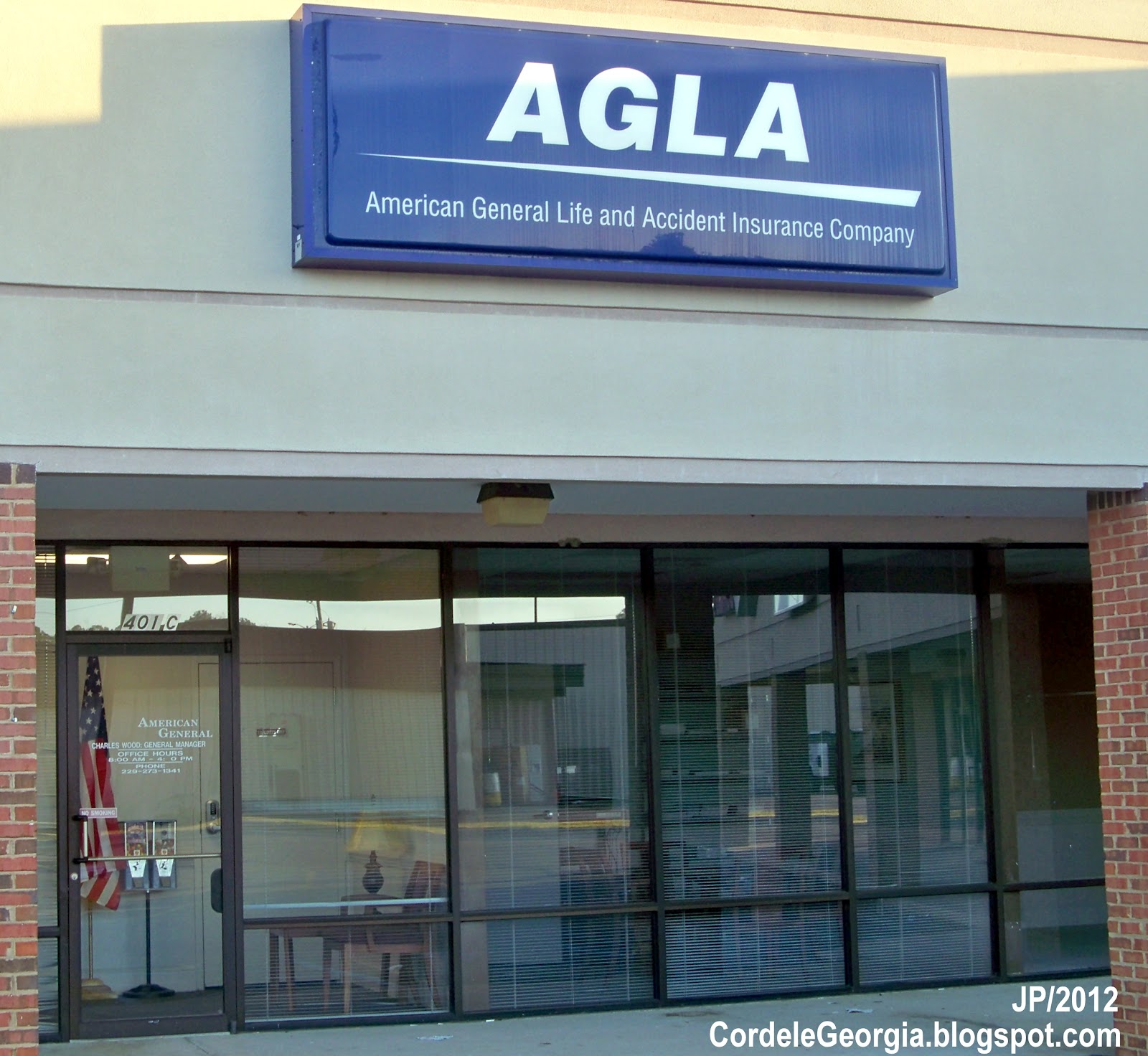
American General Life Insurance Company (AGL), a subsidiary of Corebridge Financial, offers a diverse portfolio of life insurance products designed to address various financial planning needs, ranging from temporary income replacement to permanent wealth transfer. Understanding these products requires a careful evaluation of your specific financial objectives, risk tolerance, and the structural differences between term, universal, and variable life insurance contracts.
Understanding the Corporate Context
American General Life Insurance Company has a long history in the United States, operating as a primary insurance carrier under the Corebridge Financial umbrella. When researching their products, it is important to recognize that the policies are underwritten by AGL (or its affiliates, such as The United States Life Insurance Company in the City of New York).
The strength and stability of an insurance carrier are typically measured by their financial strength ratings, which are provided by agencies such as AM Best, S&P Global Ratings, and Moody’s. Before committing to a long-term contract, prospective policyholders should verify current ratings through these independent agencies to ensure the carrier maintains the capacity to meet long-term contractual obligations.
Term Life Insurance: Temporary Protection
Term life insurance is the most straightforward product offered by American General. It provides coverage for a specific period—typically 10, 15, 20, or 30 years—at a fixed premium rate.
Core Characteristics:
- Death Benefit: A tax-free lump sum paid to beneficiaries if the insured passes away during the term.
- Simplicity: There is no cash value component; the premiums are strictly for the cost of insurance and administrative expenses.
- Convertibility: Many American General term products include a conversion option. This is a critical feature that allows policyholders to convert their term policy into a permanent life insurance policy without undergoing a new medical exam, provided the conversion occurs within the timeline specified in the contract.
Term life is generally recommended for individuals who need high levels of coverage during their "peak" financial years, such as while paying off a mortgage, funding children's education, or protecting against the loss of income during working years.
Universal Life Insurance: Flexibility and Cash Value
Universal Life (UL) insurance is a permanent policy that offers more flexibility than traditional whole life insurance. Unlike term insurance, it remains in effect for the duration of the insured’s life, provided that sufficient premiums are paid to keep the policy in force.
Key Features of UL Policies:
- Adjustable Premiums: Policyholders may have the ability to adjust their premium payments within certain contractual limits.
- Cash Value Accumulation: A portion of the premium is credited to a cash value account, which earns interest based on the policy’s crediting strategy.
- Adjustable Death Benefit: As financial needs change, some UL policies allow the policyholder to increase or decrease the death benefit, subject to underwriting requirements for increases.
Because UL policies are complex, it is essential to monitor the "illustration" provided by your agent. An illustration is a mathematical projection of how the policy will perform based on current interest rates and assumptions. It is vital to understand that if interest rates fluctuate or if premiums are not paid as projected, the policy may require additional funding to remain active.
Indexed Universal Life (IUL) Insurance
American General also provides Indexed Universal Life insurance. IUL is a subset of universal life where the interest credited to the cash value is linked to the performance of a stock market index, such as the S&P 500.
- Participation Rates and Caps: These policies offer the potential for market-linked gains while providing a "floor"—often 0%—meaning the cash value will not decline due to negative market performance.
- Strategic Growth: IUL is often used as a tool for long-term cash accumulation, though it requires an active management mindset to understand how index caps and participation rates impact policy performance over time.
Comparison of Core Product Types
| Feature | Term Life | Universal Life | Indexed Universal Life |
|---|---|---|---|
| Duration | Fixed Term | Permanent | Permanent |
| Cash Value | None | Yes | Yes |
| Premiums | Fixed | Flexible | Flexible |
| Primary Goal | Low-cost protection | Long-term stability | Cash growth potential |
| Risk Profile | Low | Moderate | Moderate/Variable |
The Application and Underwriting Process
Applying for an American General policy involves a standard underwriting process. This phase determines your insurability and the premium tier (or "rating") you will be offered.
- Needs Analysis: Determine the death benefit amount required based on debts, future expenses, and income replacement needs.
- Application: Complete the application with a licensed insurance agent or broker. You will be required to provide personal history, medical information, and financial disclosures.
- Medical Underwriting: Depending on the amount of coverage and your age, you may be required to complete a paramedical exam. This includes providing blood and urine samples and answering detailed health questions.
- Underwriting Decision: The company evaluates the risk. You may be classified as "Preferred," "Standard," or "Rated" based on your health and family history.
It is imperative to be completely transparent during the application process. Material misrepresentation on an insurance application can lead to a denial of claims or the rescission of the policy during the contestability period.
Common Considerations and Potential Pitfalls
Many consumers make the mistake of viewing life insurance solely as an investment vehicle. While permanent policies do contain cash value, the primary purpose of life insurance is the death benefit.
- The Lapse Risk: The most common issue with Universal Life policies is "lapsing." This occurs if the cash value is insufficient to cover the cost of insurance (which increases as the insured ages) and additional premiums are not paid. Always request an in-force illustration from your agent every few years to check the policy’s trajectory.
- Policy Loans: While you can borrow against the cash value of a permanent policy, doing so reduces the death benefit and may lead to a taxable event if the policy lapses while a loan is outstanding.
- Agent Commissions: Be aware that agents are compensated through commissions. Always ask for a clear explanation of all fees, including surrender charges—the fees you may pay if you cancel the policy in its early years.
Frequently Asked Questions
1. Does American General offer no-medical-exam policies? Some products may offer "accelerated underwriting" paths that allow for a decision without a traditional paramedical exam based on data-driven eligibility. However, this is not guaranteed for every applicant and depends on age, health history, and coverage amount.
2. Can I change my beneficiary on an AGL policy? Yes. You generally maintain the right to change your beneficiary at any time, provided the designation is not "irrevocable." You should contact the company’s customer service department to request the appropriate change-of-beneficiary form.
3. What happens if I stop paying premiums? For term policies, the coverage will typically end (lapse). For permanent policies, the policy may remain in force as long as there is sufficient cash value to cover the monthly cost of insurance. If the cash value is depleted, the policy will lapse, and the death benefit will be lost.
4. Are life insurance death benefits taxable? Generally, life insurance death benefits are received income-tax-free by the beneficiaries. However, there are complex tax laws regarding the ownership of the policy and estate taxes. It is advisable to consult with a qualified tax professional or estate attorney regarding your specific situation.
5. How do I verify if my policy is still active? You can verify your policy status by logging into the official Corebridge Financial or American General policyholder portal, or by contacting their customer service department directly. Always use the contact information provided on your official policy document.
Next Steps for Prospective Policyholders
If you are considering American General life insurance products, your first action should be to consult with a licensed, independent financial advisor who can provide an objective comparison of AGL’s offerings against the broader market. Define your "why"—whether it is protecting a spouse, covering a business loan, or estate planning—and ensure the policy you select aligns with that duration and goal. Review the policy prospectus and the illustration thoroughly before signing any agreements.