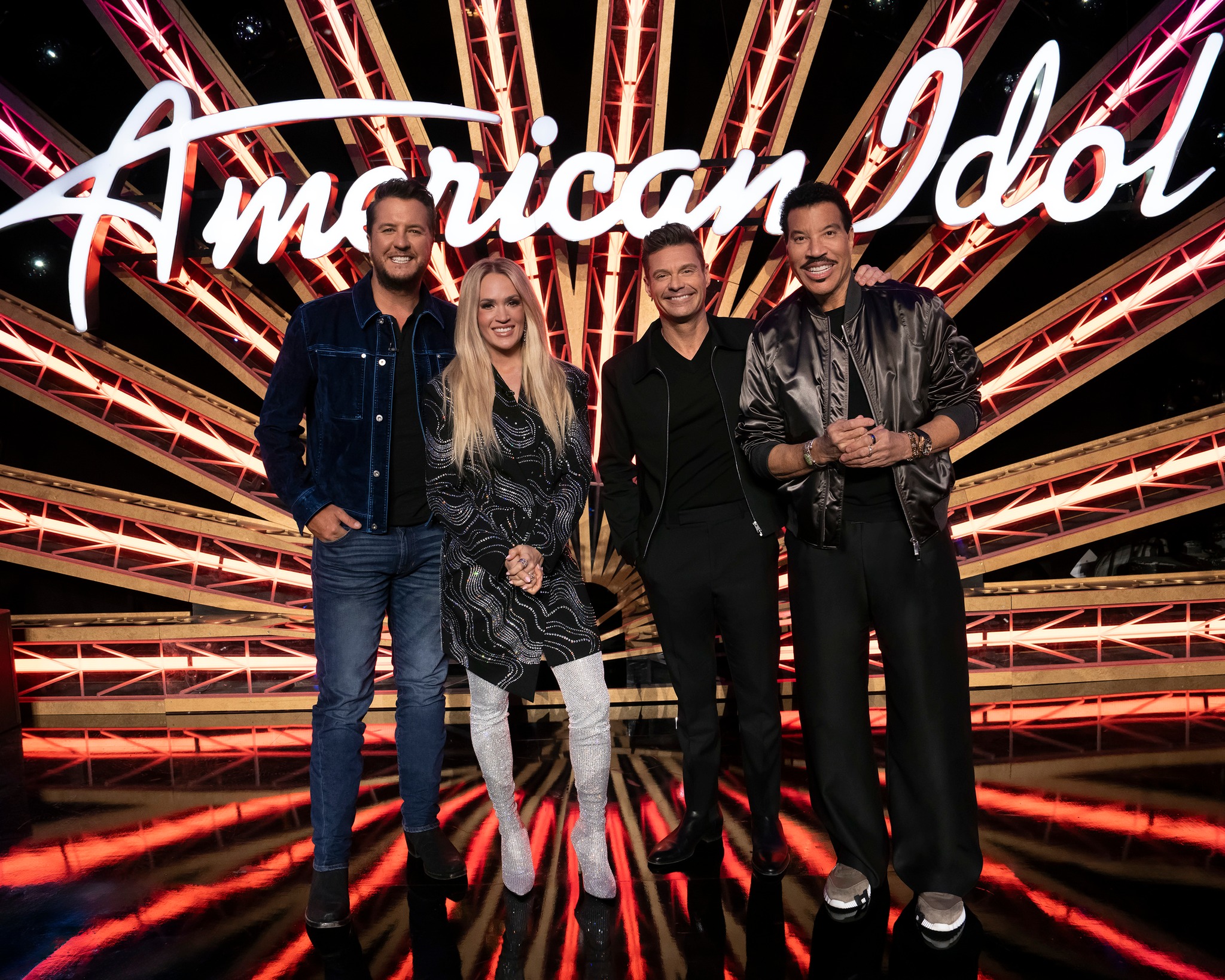
Faith-based music, ranging from traditional gospel hymns to modern Contemporary Christian Music (CCM) hits, held a central role in Season 23 of American Idol in 2025. With country-gospel star Carrie Underwood joining the judging panel alongside Lionel Richie and Luke Bryan, contestants frequently leveraged spiritual anthems to showcase emotional depth, vocal power, and personal storytelling.
The Legacy and Evolution of Faith Music on American Idol
Faith music has been integral to American Idol since its inception in 2002. Over more than two decades, singers from church choir backgrounds and Christian music traditions have used the competition stage to bridge spiritual expression and mainstream pop recognition. Season 23, which aired in spring 2025, continued this tradition while reflecting updated industry trends in gospel, worship, and inspirational crossover genres.
From Gospel Roots to Contemporary Christian Hits
In the early seasons of American Idol, faith-focused performances leaned heavily toward traditional African American gospel, southern gospel, and classic church standards. Artists like Ruben Studdard, Fantasia Barrino, Mandisa, and George Huff brought church-honed vocal agility—characterized by melisma, dynamic modulation, and call-and-response dynamics—to national television.
By the 2010s and 2020s, the scope of faith music on the show broadened significantly. While classic gospel remains a staple, Contemporary Christian Music (CCM) and modern worship anthems have gained widespread traction. Songs originally recorded by artists such as Lauren Daigle, MercyMe, Chris Tomlin, and Cory Asbury now routinely appear in audition rooms and live showcase rounds.
This shift reflects changes in the broader music industry. Modern Christian music utilizes production styles, pop structures, and narrative lyricism that align closely with mainstream radio, making these tracks accessible to general audiences while maintaining clear spiritual messages.
- Traditional Era (Gospel Standards & Hymns)
- Traditional Gospel Hymns
- Melismatic Choral Arrangements
- Southern Gospel Standards
- Modern Crossover Era (CCM, Worship & Pop Anthems)
- Modern CCM & Radio Hits
- Pop/Rock Dynamic Structuring
- Cinematic Worship Anthems
The Impact of Carrie Underwood’s Return in 2025
A defining element of the 2025 season was the addition of Carrie Underwood to the judging panel, succeeding Katy Perry. Underwood, who won Season 4 of American Idol in 2005, built a career defined in part by her willingness to record explicit songs of faith, including "Jesus, Take the Wheel," "Something in the Water," and her gospel album My Savior.
Underwood’s presence on the panel provided contestants with feedback tailored to spiritual and inspirational storytelling. Her technical perspective on vocal control during high-emotion arrangements encouraged contestants to select songs of faith not merely for emotional appeal, but as rigorous technical showcases. Throughout Season 23, her critiques emphasized structural pacing, breath support, and authentic connection when delivering faith-based lyrics.
Standout Faith-Based Songs Featured in 2025
During the 2025 season, contestants selected a mix of modern Christian radio staples, enduring church hymns, black gospel anthems, and inspirational crossover pop tracks. These selections allowed performers to highlight dynamic vocal range and emotional authenticity during high-stakes elimination rounds.
Contemporary Christian Anthems
- "You Say" (Lauren Daigle): A perennial favorite on talent competitions, this track was performed by contestants aiming to demonstrate controlled belting and subtle phrasing. Its narrative of identity and affirmation makes it a frequent pick during Hollywood Week and early semifinals.
- "I Can Only Imagine" (MercyMe): As one of the most commercially successful Christian singles of all time, this song was utilized in 2025 as a storytelling piece. Its gradual dynamic build from quiet verse to soaring chorus provides a clear template for a 90-second television arrangement.
- "Reckless Love" (Cory Asbury): Known for its acoustic driving rhythm and memorable chorus, this modern worship song appeared as a showcase for singers combining instrumental performance (such as acoustic guitar) with worship vocals.
Traditional Hymns and Spirituals
- "How Great Thou Art": Recognized as a foundational vocal test across country and gospel traditions, this hymn was featured in high-tempo, gospel-infused arrangements as well as stripped-back acoustic versions in 2025. Contestants used its wide melodic leaps to demonstrate upper-register control.
- "Amazing Grace": Whether performed a cappella or backed by the full house band, "Amazing Grace" remains a trusted audition and theme-night choice. In Season 23, contestants leaned into blues and soul arrangements to make the classic song distinct.
- "Great Is Thy Faithfulness": Often selected by contestants with formal or church choir training, this hymn showcases sustained phrasing, head voice control, and harmonic precision.
Modern Gospel Powerhouses
- "Break Every Chain" (Tasha Cobbs Leonard): A benchmark for gospel vocalists, this song demands exceptional stamina, vocal power, and emotional resonance. Performers in 2025 used it to anchor mid-season live shows, relying on key changes to build energy toward a climax.
- "No Weapon" (Fred Hammond): Selected by contestants with deep gospel backgrounds, this track emphasizes rhythmic delivery, vocal riffs, and authoritative stage presence.
Inspirational Crossover Anthems
- "Rise Up" (Andra Day): While released as a commercial R&B/soul track, "Rise Up" functions as a spiritual anthem on competitive singing stages. Its gospel-adjacent chord progression and message of endurance made it a frequent choice for singers seeking to convey personal overcome narratives.
- "Bridge Over Troubled Water" (Simon & Garfunkel): A classic inspirational pop song frequently given a gospel rearrangement, offering vocalists a ramp from tender storytelling to full-chest belting.
Technical Analysis of Popular Faith Songs on American Idol
Choosing a song of faith on American Idol requires balancing spiritual expression with vocal technique. The following matrix details how common faith-based selections function within the technical constraints of a televised music competition:
| Song Title | Original Artist / Tradition | Sub-Genre | Key Vocal Requirement | Common Performance Trap |
|---|---|---|---|---|
| "You Say" | Lauren Daigle | CCM / Pop | Mixed-voice control in middle register | Over-singing the verses, leaving no room for the chorus build |
| "How Great Thou Art" | Traditional Hymn | Classic Hymn / Gospel | Sustained high notes and wide pitch leaps | Pushing chest voice too hard on the final climax, causing pitch drift |
| "Break Every Chain" | Tasha Cobbs Leonard | Modern Gospel | High vocal stamina and dynamic range | Exerting maximum power too early and running out of breath |
| "I Can Only Imagine" | MercyMe | CCM / Rock | Conversational phrasing building to belting | Maintaining a flat dynamic level throughout the 90-second edit |
| "Rise Up" | Andra Day | R&B / Inspirational | Melismatic control and raspy head/mix texture | Attempting too many vocal runs, obscuring the core melody |
| "Amazing Grace" | Traditional Spiritual | Gospel / Soul | Pitch accuracy during a cappella or minimal instrumentation | Over-decorating the simple melody with excessive ornamentation |
| "Something in the Water" | Carrie Underwood | Country Gospel | Rapid lyric delivery and high country belt | Failing to manage breath support during the fast-paced chorus |
Why Faith Songs Consistently Score High with Voters and Judges
The consistent popularity of faith-based songs on American Idol is driven by vocal mechanics, emotional connection, and voter engagement.
- Dynamic Volumetrics: Soft verses to full-power choruses
- Emotional Connections: Authentic personal narrative
- Voter Alignment: Strong backing from core demographics
- Arrangement Freedom: High flexibility for vocal riffs
Dynamic Range and Emotional Authenticity
Faith songs, particularly contemporary worship and gospel arrangements, are built around structural dynamics. They typically begin softly, establishing a quiet, intimate mood, before expanding into high-energy choruses featuring sustained notes, key changes, and vocal modulations.
For a contestant limited to a 90-second television edit, this built-in crescendo is valuable. It allows singers to demonstrate multiple vocal textures—such as breathy head voice, warm chest voice, and powerful belt—within a short window.
Furthermore, judges often emphasize "authentic connection." When contestants perform songs tied to their faith, personal values, or church upbringing, their delivery frequently carries a level of conviction that translates well through the screen.
Audience Resonance and Voter Demographics
The voting audience of American Idol includes significant viewership in the American South and Midwest, regions where gospel, Christian contemporary, and country music hold substantial cultural weight. Contestants who deliver strong faith-based performances often connect directly with this core voting block.
Historically, performers who excel in spiritual genres—such as Carrie Underwood (Season 4), Mandisa (Season 5), Danny Gokey (Season 8), Colton Dixon (Season 11), Megan Danielle (Season 21), and Roman Collins (Season 22)—have built loyal fanbases that support them far beyond their time on the show.
Critical Feedback from the 2025 Judging Panel
During the 2025 season, the panel featuring Lionel Richie, Luke Bryan, and Carrie Underwood evaluated faith-based performances through distinct lenses:
- Lionel Richie: Focused on storytelling, soulfulness, and vocal dynamics, encouraging singers to avoid rushing key emotional moments.
- Luke Bryan: Evaluated crossover potential, phrasing, and tone, observing how country and gospel elements blended.
- Carrie Underwood: Provided technical critiques on pitch control, breath management, key selection, and maintaining vocal health when belting high-register spiritual anthems.
Guidelines for Contestants Choosing Faith-Based Audition Songs
For singers preparing for music competitions like American Idol, selecting and arranging a faith-based song requires strategic planning. Spiritual conviction alone does not guarantee a successful audition; the selection must serve as a strong technical showcase.
1. Tailor the Song to the 90-Second Television Format
Most competition performances are edited down to 60 to 90 seconds. Full-length church songs or worship tracks often rely on extended repetition to build emotional intensity over 6 to 8 minutes. On television, that slow build can cause viewers to lose interest.
- Cut unnecessary verses: Move quickly from Verse 1 into the first Chorus.
- Establish the peak early: Ensure the arrangement reaches its highest vocal point (the key change or main belt) within the final 20 seconds.
- Avoid endless repetition: Cut vamp sections unless they feature escalating vocal runs or dynamic shifts.
2. Balance Technical Precision with Emotional Delivery
A common mistake made with faith songs is prioritizing emotion over pitch and timing. While judges value heart, clear technique remains essential.
- Protect the melody: Perform the original vocal melody clearly before adding melisma or vocal riffs. Over-decorating a song can obscure its core hook.
- Manage breath control: High-energy gospel and CCM tracks require careful breath management. Plan breathing points during rehearsals, especially before high-belt sections.
- Select the correct key: Pitch the song to highlight your strongest vocal range rather than copying the original artist's key.
3. Choose the Right Sub-Genre for Your Tone
Not all faith songs suit every voice. Align your selection with your natural vocal timbre:
- For Soul/R&B Vocalists: Modern gospel (Tasha Cobbs Leonard, Kirk Franklin, Fred Hammond) or gospel-arranged pop standards.
- For Country/Americana Vocalists: Country gospel (Carrie Underwood, Johnny Cash, Vince Gill) or classic hymns.
- For Pop/Rock Vocalists: Modern CCM (Lauren Daigle, MercyMe, For King & Country).
- For Folk/Acoustic Vocalists: Stripped-back worship (Cory Asbury, Phil Wickham, Brandon Lake).
Frequently Asked Questions
Why are faith-based songs so common on American Idol?
Faith-based songs appear frequently because many contestants gain early vocal training in church choirs and community music programs. Additionally, gospel and CCM arrangements feature dynamic builds and wide pitch ranges, making them effective for demonstrating vocal ability in short television segments.
Can contestants sing original Christian or worship songs on American Idol?
Yes. Contestants are permitted to perform original songs, including faith-based compositions, during audition rounds and select theme nights, provided the song clears copyright licensing requirements for broadcast.
How did Carrie Underwood’s judging role in 2025 affect faith song choices?
As a past champion with a record of successful faith and country-gospel releases, Carrie Underwood offered technical guidance on vocal control, key transposition, and arrangement pacing. Her presence encouraged contestants to treat faith songs as both spiritual expressions and high-level vocal exercises.
What are the most performed gospel songs in American Idol history?
Historically, the most frequently performed gospel and spiritual tracks on American Idol include "Amazing Grace," "How Great Thou Art," "I Believe" (Fantasia Barrino), "Break Every Chain," and "Bridge Over Troubled Water."
Do faith-based song choices help or hurt a contestant's chances of winning?
Selecting a faith-based song neither guarantees success nor limits a contestant, provided the performance is technically strong and emotionally engaging. Performers across various genres—including pop, country, rock, and gospel—have advanced far in the competition by delivering memorable spiritual performances.
Practical Recommendations for Performers
If you are preparing a faith-based song for an audition or live showcase, follow these steps to maximize your performance:
- Select an arrangement that hits its vocal peak quickly: Craft a 90-second arrangement that highlights your lower register, middle mix, and top belt within a concise timeframe.
- Prioritize melody over ornamentations: Ensure the fundamental pitch and lyrical clarity are secure before layering in runs or ad-libs.
- Seek objective feedback: Test your song choice in front of vocal coaches or experienced musicians who can evaluate technical delivery alongside emotional resonance.
- Maintain versatility: Prepare a diverse repertoire. While a faith-based song can serve as a strong primary showcase, judges often ask for a contrasting secular pop, rock, or R&B track to test stylistic breadth.