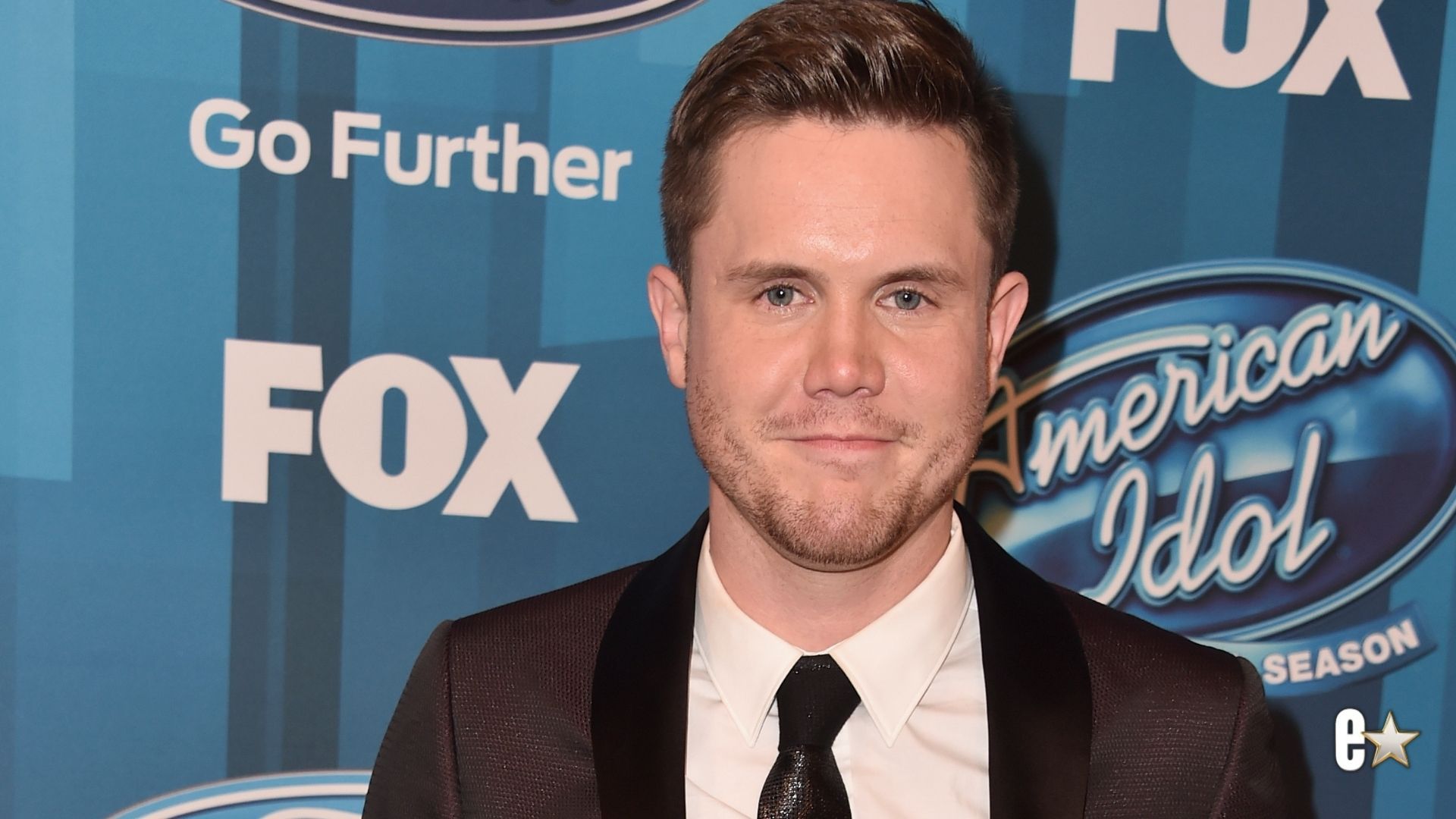
The most iconic American Idol success stories of the 2000s include multi-genre megastars like Kelly Clarkson, Carrie Underwood, Jennifer Hudson, Chris Daughtry, and Adam Lambert. Between 2002 and 2009, the show served as a powerhouse talent incubator, producing EGOT winners, Grammy champions, rock frontmen, and country music legends who reshaped the modern entertainment industry.
The Cultural Phenomenon of 2000s American Idol
When American Idol premiered on Fox in the summer of 2002, music industry executives viewed reality television with deep skepticism. Mainstream music critics frequently dismissed television talent competitions as gimmicks incapable of producing legitimate artistic talent. However, the show quickly transformed into a rating juggernaut, drawing tens of millions of viewers weekly and fundamentally altering how record labels discovered, marketed, and developed artists.
During its 2000s golden era—spanning Seasons 1 through 8—American Idol functioned as a prime-time focus group. Millions of viewers voted via telephone and text messaging, creating an emotional and financial investment in the contestants months before their debut albums hit store shelves. This built-in audience provided unprecedented launchpads for aspiring singers, turning unknown talent into household names overnight.
What distinguished the 2000s era was the genuine diversity of long-term commercial success achieved by its alumni. The series proved that victory on finale night was not a prerequisite for a lasting career. Non-winners frequently matched or outpaced champion titles in record sales, awards, and cultural longevity.
Defining the Golden Era: Top American Idol Success Stories
Kelly Clarkson (Season 1 Winner, 2002)
Kelly Clarkson's victory in September 2002 established the template for reality competition success. Hailing from Burleson, Texas, Clarkson demonstrated incredible vocal range and emotional authenticity from her first audition. Her coronation single, "A Moment Like This," broke a 38-year-old Billboard record previously held by The Beatles for the biggest jump to number one on the Billboard Hot 100, rising from number 52 to the top spot.
Rather than remaining tied to the traditional pop balladry expected of reality contestants, Clarkson took creative control of her sophomore album, Breakaway (2004). Featuring timeless pop-rock anthems like "Since U Been Gone," "Behind These Hazel Eyes," and "Because of You," Breakaway sold over 12 million copies globally and earned Clarkson two Grammy Awards.
Over her multi-decade career, Clarkson has released multiple platinum albums, earned three Grammy Awards, and successfully transitioned into a daytime broadcasting star with The Kelly Clarkson Show, winning multiple Daytime Emmy Awards. Her trajectory proved that an American Idol winner could earn critical respect alongside massive commercial dominance.
Carrie Underwood (Season 4 Winner, 2005)
Carrie Underwood entered her American Idol audition as a shy college student from Checotah, Oklahoma. By the time judge Simon Cowell predicted during the top 12 rounds that she would not only win the show but out-sell all previous winners, her path to stardom was clear. Underwood won Season 4 in May 2005, marking a pivotal moment where country music intersected with mainstream network television.
Her 2005 debut album, Some Hearts, was certified eight-times platinum by the RIAA, becoming the fastest-selling debut country album in the SoundScan era. Driven by crossover smash hits such as "Jesus, Take the Wheel" and "Before He Cheats," Underwood established herself as a core figure in modern country music.
Underwood's achievements include:
- Over 85 million records sold worldwide.
- 8 Grammy Awards and over 15 Academy of Country Music (ACM) Awards.
- Induction into the historic Grand Ole Opry in 2008.
- A long-running headline residency in Las Vegas.
Underwood remains the most commercially successful recording artist in American Idol history in terms of album certifications and country radio dominance.
Jennifer Hudson (Season 3, 7th Place, 2004)
Jennifer Hudson's elimination in seventh place during Season 3 remains one of the most controversial moments in reality television history. Despite her premature departure from the show, Hudson transformed her exposure into one of the most decorated entertainment careers in history.
In 2006, Hudson was cast as Effie White in the film adaptation of the Broadway musical Dreamgirls. Her performance earned universal critical acclaim, culminating in the Academy Award for Best Supporting Actress in 2007. Hudson demonstrated that American Idol could serve as a springboard for world-class acting careers in addition to musical endeavors.
Hudson continued her music career with self-titled and follow-up R&B albums that yielded multiple Grammy Awards. Her success across film, television, Broadway, and recording culminated in her achieving EGOT status (winning an Emmy, Grammy, Oscar, and Tony Award), solidifying her as one of the most versatile talents of her generation.
Chris Daughtry (Season 5, 4th Place, 2006)
When Chris Daughtry was shockingly eliminated in fourth place during Season 5, many industry analysts predicted his rock style would not translate outside the television format. Instead, Daughtry harnessed his popularity to form the band Daughtry, bypassing a solo pop career in favor of hard-driven rock music.
The band's self-titled debut album, released in late 2006, became an immediate phenomenon. It reached number one on the Billboard 200, spawned hit singles including "It's Not Over" and "Home," and became the fastest-selling debut rock album in Nielsen SoundScan history. Daughtry proved that rock musicians could leverage a mainstream pop platform without sacrificing genre credibility.
Adam Lambert (Season 8 Runner-Up, 2009)
Adam Lambert's run on Season 8 redefined performance art on prime-time network television. Known for his vocal agility, theatrical delivery, and rock flair, Lambert's renditions of "Mad World" and "Whole Lotta Love" earned standing ovations from Simon Cowell and instant critical attention.
Following his second-place finish behind Kris Allen, Lambert's debut album For Your Entertainment debuted at number three on the Billboard 200 and earned a Grammy nomination for the single "Whataya Want from Me." In 2012, his second album Trespassing debuted at number one, making Lambert the first openly gay solo artist to top the Billboard album chart.
Beyond his solo career, Lambert joined legendary rock group Queen as lead vocalist in 2011. Queen + Adam Lambert has toured globally for over a decade, performing to sold-out arenas and stadiums worldwide.
Fantasia Barrino (Season 3 Winner, 2004)
Fantasia Barrino’s emotional rendition of "Summertime" during Season 3 remains a quintessential American Idol moment. Winning the crown in 2004, Fantasia released her debut single "I Believe," which debuted at number one on the Billboard Hot 100.
Her debut album, Free Yourself, earned four Grammy nominations and achieved platinum certification. Fantasia later expanded into musical theater, earning critical praise for her portrayal of Celie in the Broadway production of The Color Purple. She reprised the iconic role in the 2023 feature film adaptation, earning Golden Globe and BAFTA nominations for her powerful dramatic performance.
Jordin Sparks (Season 6 Winner, 2007)
At just 17 years old, Jordin Sparks became the youngest winner in American Idol history during Season 6. Her self-titled debut album produced massive pop crossover hits, including "Tattoo" and the duet "No Air" featuring Chris Brown. "No Air" reached number three on the Billboard Hot 100, earned a Grammy nomination, and became one of the highest-selling digital singles of the 2000s era. Sparks subsequently built a career spanning music, Broadway appearances (In the Heights), and film roles.
Comparative Analysis: Career Milestones of 2000s Idol Breakouts
The following table compares key career milestones, initial breakthrough releases, and major accolades achieved by the defining stars of the 2000s era.
| Contestant | Idol Season & Finish | Breakthrough Project / Release | Primary Commercial & Critical Milestones |
|---|---|---|---|
| Kelly Clarkson | Season 1 (Winner, 2002) | Breakaway (2004) | 3x Grammy Winner, Daytime Emmy Host, over 25 million albums sold worldwide. |
| Carrie Underwood | Season 4 (Winner, 2005) | Some Hearts (2005) | 8x Grammy Winner, 85+ million records sold, Grand Ole Opry Member. |
| Jennifer Hudson | Season 3 (7th Place, 2004) | Dreamgirls (Film, 2006) | EGOT Winner (Emmy, Grammy, Oscar, Tony), Star on Hollywood Walk of Fame. |
| Chris Daughtry | Season 5 (4th Place, 2006) | Daughtry (2006) | 4x Platinum debut album, 4x Grammy Nominee, fastest-selling debut rock album. |
| Adam Lambert | Season 8 (Runner-Up, 2009) | For Your Entertainment (2009) | Frontman for Queen + Adam Lambert, first openly gay artist to top Billboard 200. |
| Fantasia Barrino | Season 3 (Winner, 2004) | Free Yourself (2004) | Grammy Winner, Broadway star, Golden Globe nominee (The Color Purple). |
| Jordin Sparks | Season 6 (Winner, 2007) | Jordin Sparks (2007) | Grammy Nominee, Billboard Hot 100 Top 3 artist, multi-platinum digital seller. |
| Katharine McPhee | Season 5 (Runner-Up, 2006) | Katharine McPhee (2007) | Star of NBC's Smash, West End and Broadway lead in Waitress. |
Why Non-Winners Often Matched or Exceeded Winners
One of the defining aspects of 2000s American Idol was the ability of non-winners to build sustainable, top-tier careers. While winning guaranteed a initial record deal with 19 Recordings and RCA/Arista, placing lower down the roster often granted artists greater creative freedom and flexibility.
- Audience Exposure via Weekly TV Performances
- Finalists / Winners
- Bound by official prize contract
- High expectations for pop crossover
- Immediate radio push
- Non-Winner Breakouts
- Instant brand awareness
- Freedom to pivot to specific genres
- Examples: Hudson, Daughtry, Lambert
- Finalists / Winners
- Genre Autonomy: Winners were frequently forced to release broad, radio-friendly pop ballads designed for mainstream appeal. Non-winners like Chris Daughtry and Adam Lambert were free to negotiate with labels that specifically aligned with their distinct genre preferences, such as hard rock or glam pop.
- Reduced Contractual Constraints: The immediate post-show management contracts for winners carried strict obligations and fast-turnout album deadlines. Non-winners had more latitude to select management teams, select unique material, and avoid rushed debut timelines.
- Sympathy and Narrative Control: Contestants eliminated in controversial fashion—such as Jennifer Hudson or Chris Daughtry—gained significant media attention and fan backing after leaving the show. This momentum often generated higher industry interest than that received by the eventual winners.
The Business Model Behind Early 19 Recordings Contracts
During the 2000s, 19 Entertainment (founded by show creator Simon Fuller) held exclusive management rights for all contestants who reached the live finals. The contract structure played a significant role in how these careers were launched:
- Option Rights: 19 Entertainment retained the right to sign any contestant within a specific window after their elimination, regardless of their final ranking.
- Co-Ventures with Major Labels: The show partnered with major record groups—primarily BMG and Sony Music Entertainment (including RCA, Arista, and Columbia Records)—to press, distribute, and market contestant records.
- 360-Degree Elements: Early American Idol contracts pioneered modern "360 deals," where management and production companies took percentages of live touring revenue, merchandise sales, and endorsement deals, alongside traditional record royalties.
While these contracts were later critiqued for being restrictive, they provided contestants with funding, distribution networks, and immediate radio placement that independent artists rarely secured.
Long-Term Legacy on the Modern Music Industry
The success stories of 2000s American Idol fundamentally transformed talent discovery across the global entertainment industry:
1. Demystification of TV Talent
Prior to Kelly Clarkson's success, artists discovered through television were largely dismissed as manufactured acts. The massive critical success of Clarkson, Underwood, and Hudson proved that televised competitions could cultivate authentic musicians who write, arrange, and execute timeless music.
2. Bridging Pop and Regional Genres
American Idol acted as a bridge between regional musical traditions and mainstream pop. Carrie Underwood brought country music into households that rarely listened to country radio, while Fantasia brought gospel and classic soul influences to mainstream top 40 playlists.
3. Precursor to Modern Social Voting and Fan Engagement
The voting mechanisms of 2000s American Idol laid the foundation for modern interactive media engagement. The show taught audiences to vote, track progress, and actively advocate for their favorite artists—a dynamic that now defines social media fan networks and streaming algorithms.
Frequently Asked Questions
Who is the most successful American Idol contestant from the 2000s?
In terms of record sales, country music chart dominance, and awards, Carrie Underwood (Season 4) is commercially the most successful contestant, with over 85 million records sold worldwide and 8 Grammy Awards. In terms of broad entertainment impact and EGOT status, Jennifer Hudson stands as the most decorated across film, stage, and music.
Which non-winner from the 2000s achieved the biggest commercial success?
Jennifer Hudson (7th place, Season 3) and Chris Daughtry (4th place, Season 5) achieved the highest commercial success among non-winners. Hudson gained international acclaim as an Oscar and Grammy-winning actress and vocalist, while Daughtry’s band sold millions of rock albums worldwide.
Did American Idol winners keep their music rights and royalties?
Initial contracts signed during the 2000s era favored 19 Entertainment and partnering record labels, who held major distribution rights and publishing options. However, as artists like Kelly Clarkson and Carrie Underwood established long-term stardom, they renegotiated their terms, gained executive producer roles, and secured full control over their musical output.
How many Grammy Awards have 2000s American Idol contestants won?
Contestants from the 2000s era of American Idol have accumulated dozens of Grammy Awards. Major contributors include Carrie Underwood (8 Grammys), Kelly Clarkson (3 Grammys), and Jennifer Hudson (2 Grammys), alongside numerous nominations for Fantasia Barrino, Chris Daughtry, and Adam Lambert.
What made the 2000s era of American Idol different from later seasons?
The 2000s era benefited from exceptionally high broadcast television viewership, reaching 30 million weekly viewers at its peak. During this time, physical album sales were still strong, radio play was central to music discovery, and the show operated without competition from social media platforms like TikTok or Instagram.
Where to Explore Their Discographies Today
To fully appreciate the musical journey of 2000s American Idol alumni, start with these essential albums on major streaming platforms:
- Kelly Clarkson: Breakaway (2004) – A masterclass in 2000s pop-rock production.
- Carrie Underwood: Some Hearts (2005) – The record-setting album that redefined modern country crossover.
- Daughtry: Daughtry (2006) – The definitive post-grunge debut of the reality TV era.
- Jennifer Hudson: Dreamgirls: Music from the Motion Picture (2006) – The soundtrack that earned Hudson her Oscar and showcased her legendary vocal prowess.
- Adam Lambert: For Your Entertainment (2009) – A bold, theatrical pop-rock debut that set the stage for his tenure with Queen.