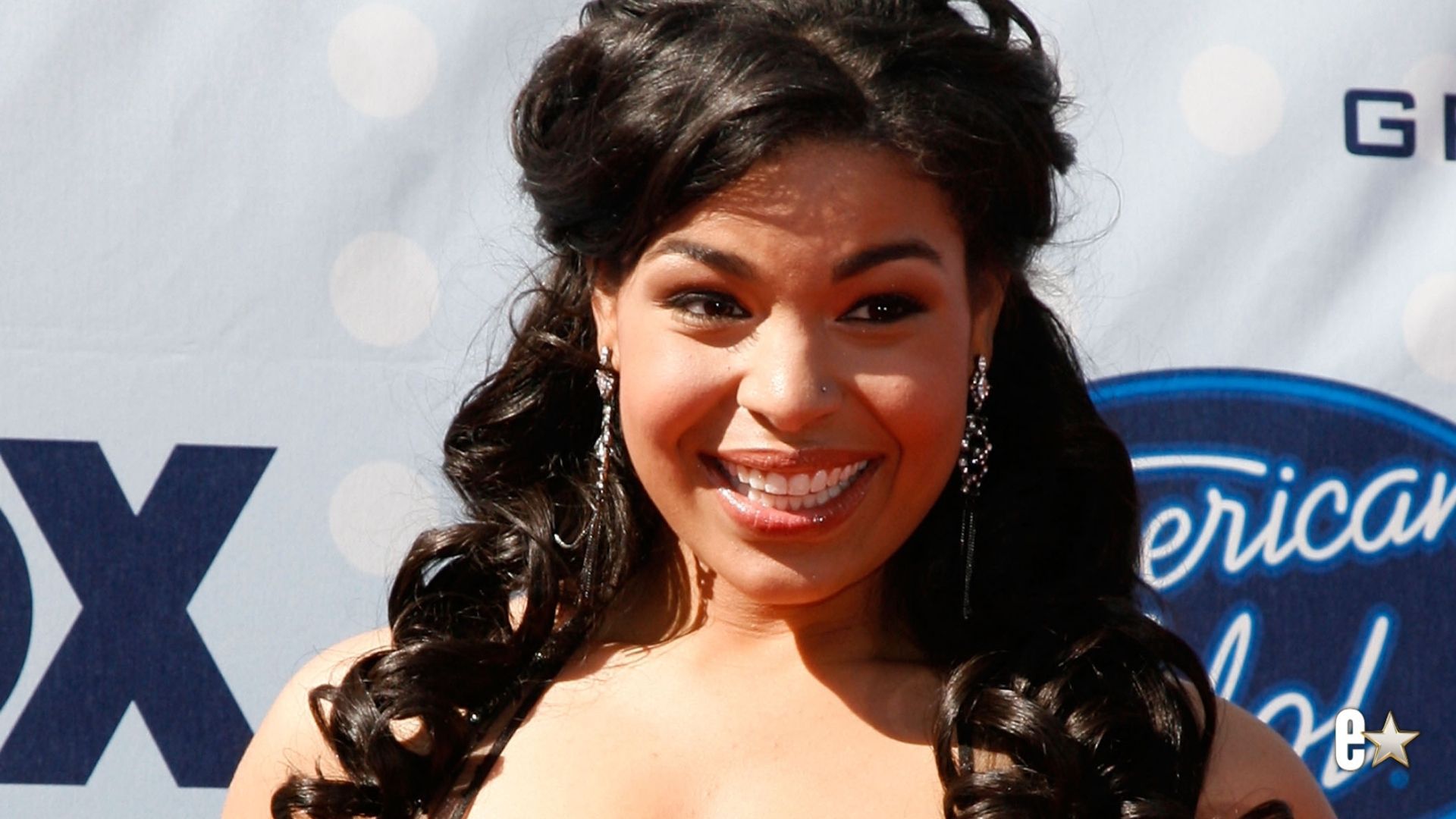
Since its debut in 2002, the reality singing competition American Idol has served as a cultural touchstone, launching the careers of numerous Grammy-winning artists and household names. The series, which originated from the British format Pop Idol, transitioned from the Fox network to ABC in 2018, continuing its tradition of crowning a new champion annually. The list of winners represents a diverse cross-section of American musical talent, ranging from pop and country to soul and rock.
The Origins and Evolution of the Format
The premise of American Idol is straightforward: amateur singers compete in a series of televised rounds, with the ultimate winner determined by public voting. During the show’s early years on Fox, the dynamic was defined by the iconic judging panel of Simon Cowell, Paula Abdul, and Randy Jackson. Their interplay, combined with the raw, unpolished nature of the auditions, captured a massive national audience that peaked in the mid-2000s.
As the series evolved, so did the production style and the composition of the judging panel. When the show moved to ABC in 2018, the format underwent refinements, including a modernized stage setup and a renewed focus on the personal stories and artistic development of the contestants. Despite these shifts, the core objective—finding the next American superstar through a blend of vocal capability and audience engagement—remains the driving force of the competition.
Chronological List of American Idol Winners
The following table tracks every winner of American Idol from the inaugural season in 2002 through the 2026 season. Each entry reflects the year of the finale and the artist who claimed the title.
| Season | Year | Winner |
|---|---|---|
| 1 | 2002 | Kelly Clarkson |
| 2 | 2003 | Ruben Studdard |
| 3 | 2004 | Fantasia Barrino |
| 4 | 2005 | Carrie Underwood |
| 5 | 2006 | Taylor Hicks |
| 6 | 2007 | Jordin Sparks |
| 7 | 2008 | David Cook |
| 8 | 2009 | Kris Allen |
| 9 | 2010 | Lee DeWyze |
| 10 | 2011 | Scotty McCreery |
| 11 | 2012 | Phillip Phillips |
| 12 | 2013 | Candice Glover |
| 13 | 2014 | Caleb Johnson |
| 14 | 2015 | Nick Fradiani |
| 15 | 2016 | Trent Harmon |
| 16 | 2018 | Maddie Poppe |
| 17 | 2019 | Laine Hardy |
| 18 | 2020 | Just Sam |
| 19 | 2021 | Chayce Beckham |
| 20 | 2022 | Noah Thompson |
| 21 | 2023 | Iam Tongi |
| 22 | 2024 | Abi Carter |
| 23 | 2025 | Sam Church |
| 24 | 2026 | Pending/Finale |
Note: There was no season in 2017 during the transition between the Fox and ABC networks.
Analyzing the Impact of the Winners
The trajectory of American Idol winners varies significantly. Artists like Kelly Clarkson and Carrie Underwood achieved sustained, global superstardom, effectively using the platform to transition from reality show contestants to industry titans. Their success established a blueprint for future winners, though the industry landscape shifted as the show progressed.
Other winners found significant success in specific niches, such as country music (Scotty McCreery) or soul/R&B (Fantasia Barrino). The show has occasionally been criticized for the lack of commercial longevity for certain winners; however, the impact of the platform extends beyond the winners' circle. Many runners-up and finalists, such as Adam Lambert, Chris Daughtry, and Jennifer Hudson, have leveraged their exposure on the show to build substantial careers outside of the winner's title.
Auditioning and the Selection Process
For those looking to understand the mechanics behind these winners, the process is rigorous. Prospective contestants must first navigate virtual or local auditions, followed by the "Hollywood Week" phase, where the volume of contestants is drastically reduced through high-pressure solo and group performances.
The "Golden Ticket" serves as the gateway to the Hollywood rounds. Judges evaluate contestants not just on vocal range and technical precision, but also on "star quality"—the intangible ability to captivate an audience and translate personality into a performance. Once the live shows begin, the power shifts entirely to the viewing public. This shift creates a unique feedback loop where fan engagement on social media platforms can often influence the outcome as much as the quality of the vocal performance itself.
Technical Requirements for Modern Competitors
As of 2026, the technical requirements for American Idol contestants involve a blend of traditional vocal mastery and digital savviness. Because the show broadcasts to a national audience with high-fidelity sound, performers must be proficient in managing live sound environments, understanding microphone technique, and adapting to various musical arrangements curated by the show's professional band.
Furthermore, contestants are increasingly expected to demonstrate an aptitude for branding. In the modern era, the winner must not only possess a great voice but also be capable of navigating the digital music landscape, including streaming services, social media marketing, and visual content production. The production team often provides workshops and guidance on these topics throughout the season to prepare the eventual winner for the immediate transition into the music industry.
Common Questions Regarding the Winners
Which winner has had the most commercial success? Kelly Clarkson and Carrie Underwood are widely considered the most commercially successful American Idol winners. Both have achieved multi-platinum album sales, numerous Grammy Awards, and have maintained long-term careers as performers and, in Clarkson's case, as a major television personality.
Why was there no season in 2017? The year 2017 marked a hiatus for the franchise. The show had concluded its fifteen-season run on the Fox network in 2016. It remained off the air for a year before being revived by ABC, which premiered its first season of the show in 2018.
How does the voting process affect the outcome? The voting process is the heartbeat of American Idol. While judges provide critiques and guidance, the public chooses the winner via online voting, the show’s mobile application, and occasionally SMS. This ensures that the winner is someone the audience feels a personal connection with, which is essential for the long-term viability of their music career.
Do the judges decide who goes home? In the later stages of the competition, the judges generally do not make the final decision on eliminations. While they may have a "save" option in certain seasons to rescue a deserving contestant from elimination, the primary responsibility for advancement lies with the viewer votes. The judges' role is to act as mentors and to steer the audience toward the most talented performers.
What happens to the runners-up? Runners-up and other finalists often sign record deals independently or via the exposure gained on the show. Many have successfully toured, released albums, and appeared in film and television productions, proving that the American Idol brand is a powerful springboard regardless of whether a contestant finishes in the top spot.
Strategies for Aspiring Contestants
If you are planning to audition for American Idol, focus on originality. While it is helpful to have strong vocal technique, the most memorable contestants are those who can reinvent popular songs to showcase their own artistic voice. Research previous winners and analyze how they balanced technical skill with emotional vulnerability. Practicing in front of live audiences, refining your stage presence, and developing a unique aesthetic before you audition can give you a significant advantage in the competitive selection process. Always verify the current season's audition requirements and deadlines on the official ABC network portal to ensure your submission is valid.