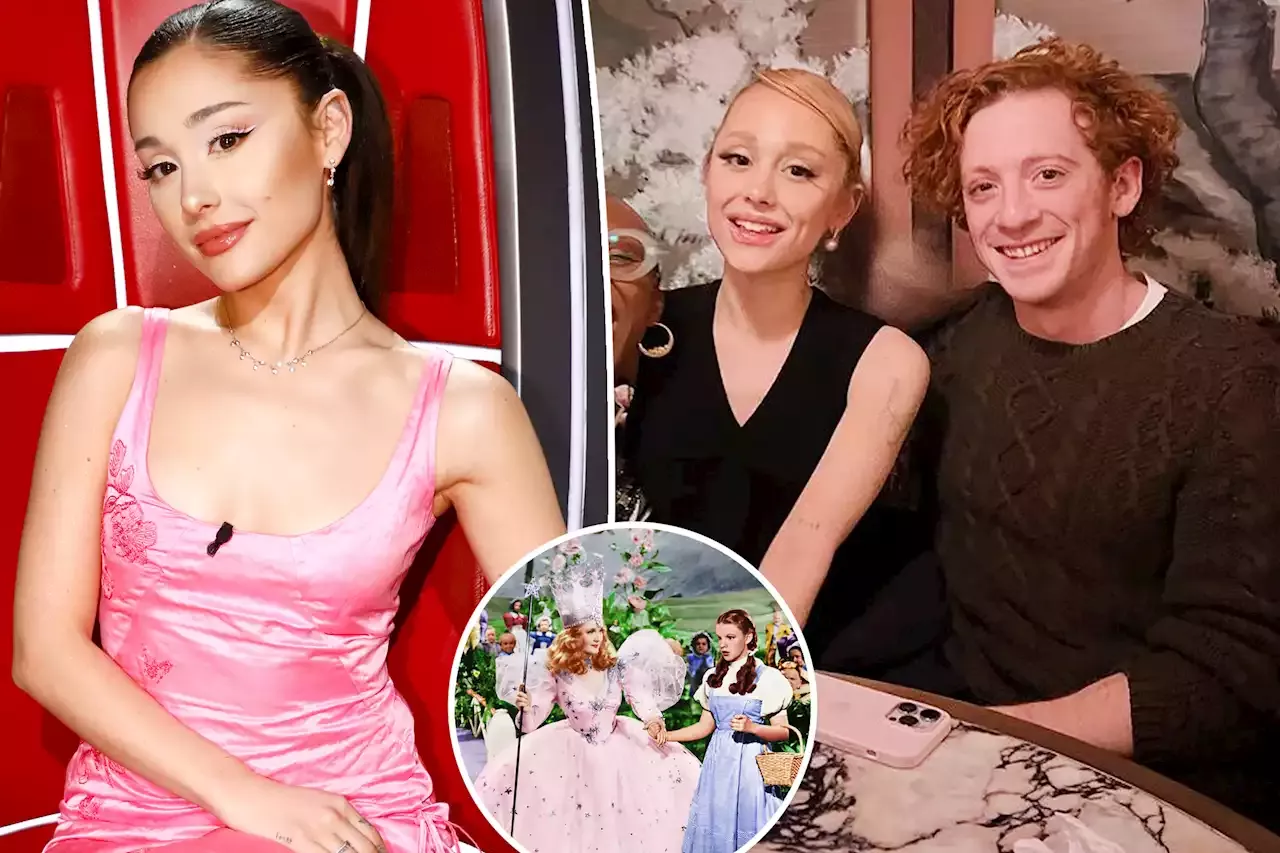
The "Ariana Glinda" tattoo concept bridges pop culture iconography with theatrical fantasy, drawing inspiration from Ariana Grande’s portrayal of Glinda the Good Witch in cinematic adaptations of Wicked. When planning this body art, understanding both structural placement strategies and the cultural context of musical theatre symbolism ensures a design that is visually balanced, culturally resonant, and respectful of the source material's theatrical roots.
Decoding the Ariana Glinda Aesthetic
To execute a successful tattoo inspired by Ariana Grande's Glinda, an artist and client must first deconstruct the visual language of the character. Unlike traditional or neo-traditional fantasy tattoos that rely on dark, gritty storybook interpretations, the "Ariana Glinda" aesthetic leans heavily into ethereal pastel palettes, operatic grandeur, vintage Hollywood glamour, and delicate botanical elements.
The visual motifs typically center around floating soap bubbles, iridescent pink gowns, starry wands, billowing tulle textures, tiaras, and butterflies. These elements require a specific approach to tattooing. Because the aesthetic depends on soft lighting effects, translucent fabrics, and glowing highlights, artists frequently employ fine-line work, soft black-and-grey shading with high-key white highlights, or pastel color packing featuring soft pinks, lavenders, and iridescent blues.
Furthermore, this design style bridges two distinct cultural phenomena: the century-long theatrical legacy of L. Frank Baum’s The Wizard of Oz and the contemporary celebrity worship culture surrounding Ariana Grande. Acknowledging this dual inspiration prevents the design from feeling like a superficial portrait and elevates it into a celebration of modern cinematic fantasy.
Strategic Placement Options for Fantasy and Portraiture Tattooing
Choosing the right anatomical canvas is critical for a detailed, narrative-driven piece like an Ariana Glinda tattoo. The placement dictates the composition, scale, and longevity of the artwork.
Forearm and Bicep Placements
The forearm offers a flat, easily visible canvas that works exceptionally well for vertical compositions, such as a full-length portrait of Glinda holding her wand or a wand-and-bubble motif. Because the skin on the inner forearm is relatively protected from direct sun exposure, fine-line pastel color work tends to hold its vibrancy longer here. The bicep, conversely, allows for a more muscular wrap-around effect, where bubbles and tulle can frame the arm organically.
Ribcage and Collarbone Placements
For ethereal, delicate designs—such as a cluster of floating bubbles interwoven with butterflies and stars—the collarbone or upper chest provides an ideal contour. These areas mimic the delicate, floating nature of Glinda's arrival scenes. However, clients should note that the ribcage and sternum involve higher pain thresholds and skin movement, which requires an experienced fine-line specialist to prevent ink spreading over time.
Thigh and Calf Placements
Larger, more elaborate narrative pieces—such as Glinda descending in her bubble alongside architectural elements of Shiz University—benefit from the expansive surface area of the thigh or calf. These locations allow for intricate background work without sacrificing the focal point of the character's facial features or expression.
Cultural Context: From Baum’s Page to Cinematic Pop Culture
Tattoos drawing from modern movie adaptations carry unique cultural meanings. Understanding the historical lineage of Glinda helps contextualize why these designs resonate so deeply with contemporary audiences.
| Era / Adaptation | Visual Characteristics | Cultural Symbolism |
|---|---|---|
| Original Novel | Traditional fairy godmother | Moral authority, classic fantasy |
| 1939 Film | Grand blonde curls, crown | Cinematic nostalgia, innocence |
| Wicked (Stage) | Theatrical ballgowns, stage | Ambition, empowerment, sisterhood |
| Cinematic Film | High-fashion pastels, CGI | Pop stardom, contemporary fandom |
In L. Frank Baum’s 1900 novel, The Wonderful Wizard of Oz, the Good Witch of the North is depicted as an older woman with white hair. The 1939 MGM film adaptation cemented the blonde, star-crowned archetype played by Billie Burke in the cultural consciousness. Later, Gregory Maguire’s 1995 novel Wicked: The Life and Times of the Wicked Witch of the West and its blockbuster stage musical adaptation subverted this trope, turning Glinda (Galinda) into a complex study of privilege, superficiality, and ultimate redemption.
When fans incorporate Ariana Grande’s visual portrayal into a tattoo, they are engaging with a multi-layered pop-culture artifact. The imagery reflects themes of transformation, the performative nature of perfection, and the pursuit of goodness in a complex world. Recognizing these layers ensures that the tattoo functions as more than a simple celebrity homage, transforming it into a statement on modern theatrical iconography.
Technical Considerations and Color Theory
Executing a tattoo of this nature requires careful technical planning by both the client and the artist.
Color Palette Longevity
Pastel tones—particularly soft pinks, light lavenders, and translucent whites—lack the heavy carbon content found in dark black inks. Over time, UV exposure and natural skin cell turnover can cause these soft hues to fade or yellow. Clients selecting an Ariana Glinda design should discuss touch-up schedules with their artist and commit to rigorous daily sunscreen application to preserve the iridescent quality of the piece.
Line Weight and Aging
Fine-line tattooing has surged in popularity, perfectly matching the delicate aesthetic of magical bubbles and starlight. However, overly delicate lines without adequate structural anchor shading can blur or disappear over a span of five to ten years. A skilled artist will balance ultra-fine cosmetic details with solid structural linework to ensure the tattoo remains legible as the skin ages.
Frequently Asked Questions
What style of tattoo works best for an Ariana Glinda design?
Neotraditional, fine-line illustrative, and modern surrealism styles work best. These approaches allow the artist to capture the whimsical, magical elements—like bubbles, sparkles, and flowing gowns—while maintaining clean facial proportions if a portrait element is included.
How do pastel colors hold up on darker skin tones?
Pastel pinks and whites can be challenging to display vividly on deep skin tones without specialized packing techniques. Artists experienced in working with melanin-rich skin often recommend adjusting the color palette to include rich magentas, deep lavenders, or high-contrast outlines to achieve a similar ethereal effect.
Is it better to tattoo Glinda's face or focus purely on symbolic motifs?
This depends on personal preference and placement size. Symbolic motifs—such as her wand, bubbles, tiara, and butterflies—offer a more subtle, timeless tribute, whereas a portrait requires a larger canvas and a specialized portrait artist to look accurate.
How can I ensure my tattoo respects the theatrical context of Wicked?
Collaborate with an artist who appreciates the source material. Incorporating subtle nods to the stage production, such as specific architectural motifs from Shiz University or lyric-inspired botanical elements, adds depth beyond standard celebrity portraiture.
Practical Next Steps for Your Tattoo Project
- Collect Reference Imagery: Gather official promotional stills, costume design sketches, and specific color palettes from the film and stage productions to share with your artist.
- Research Specialized Artists: Look for tattoo artists who specialize in fine-line work, color realism, or whimsical fantasy illustrations rather than general traditional American flash.
- Book a Consultation: Discuss placement, expected aging of pastel inks, and sizing constraints during an in-person or virtual consultation to align expectations before the session.