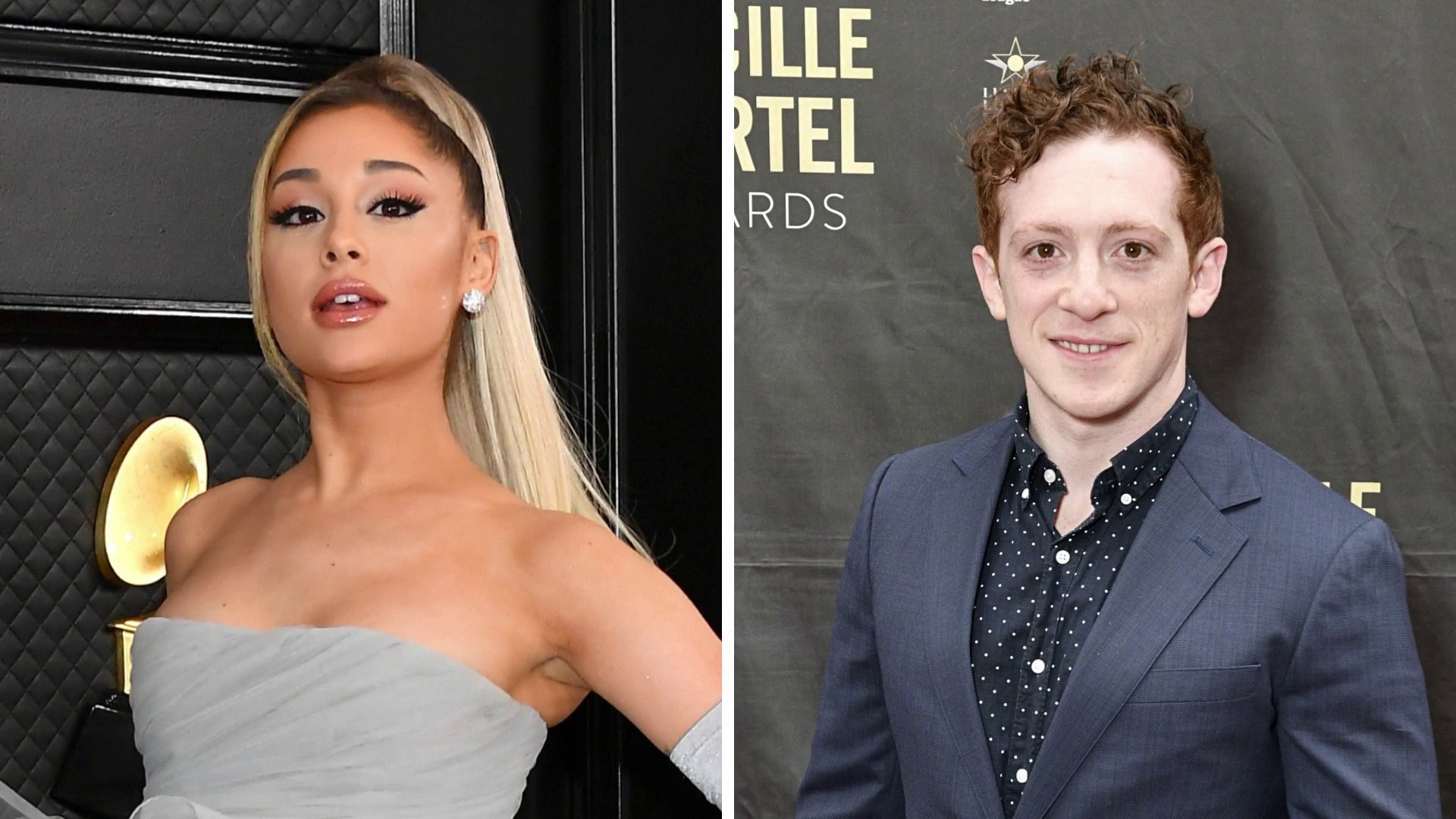
Ariana Grande’s fleeting and heavily scrutinized venture into cryptocurrency through a partnership with the mobile payments app Cash App sparked a broader public debate about celebrity responsibility in digital asset promotion. The controversy highlights the tension between mainstream pop culture influence and the high-risk, volatile nature of speculative financial markets.
The intersection of celebrity culture and cryptocurrency marketing has long been a subject of intense regulatory scrutiny and public debate. When major pop icons, athletes, and social media influencers leverage their massive platforms to promote digital tokens, blockchain protocols, or financial applications, millions of impressionable followers are exposed to complex economic instruments. The discussion surrounding Ariana Grande’s foray into this space encapsulates the ethical dilemmas, financial risks, and regulatory challenges that emerge when high-profile entertainment intersects with decentralized finance. Understanding this debate requires an examination of the mechanics behind celebrity-backed financial promotions, the regulatory landscape governing digital assets, and the lasting implications for consumer protection in the digital age.
The Genesis of the Ariana Grande Crypto Campaign
In early 2021, amidst a historic bull market for digital currencies, pop superstar Ariana Grande partnered with Cash App to execute a giveaway campaign. The promotion involved distributing a total of $1 million in various cryptocurrencies, including Bitcoin and Ethereum, directly to fans via the mobile payment service. Participants were encouraged to interact with the platform using specific service tags, commonly known as $Cashtags, bridging the gap between everyday digital peer-to-peer payments and speculative cryptocurrency investing.
For millions of fans, many of whom belonged to younger demographic groups with limited traditional financial literacy, the campaign served as an accessible entry point into the world of digital assets. Cash App, owned by Block, Inc. (formerly Square, Inc.), had increasingly integrated Bitcoin purchasing capabilities into its user-friendly interface, making it a frictionless vehicle for retail participation. However, the involvement of an artist of Grande's magnitude—whose social media following spans hundreds of millions of accounts—immediately drew the attention of financial analysts, consumer advocates, and regulatory observers.
The campaign underscored a shift in how financial services market themselves. Rather than traditional advertisements in financial journals or on specialized trading platforms, fintech companies leveraged pop culture capital. By associating the acquisition of volatile digital assets with a beloved celebrity and free money giveaways, the campaign effectively normalized cryptocurrency ownership among demographics that might otherwise have found traditional brokerage accounts intimidating or inaccessible.
The Mechanics of Celebrity Financial Promotions
To understand the core of the cryptocurrency debate surrounding celebrity endorsements, one must analyze how modern marketing mechanics operate within digital ecosystems. Unlike traditional product endorsements—such as cosmetics, fashion brands, or soft drinks—promotions involving financial products carry inherent systemic risks.
When a celebrity endorses a physical product, the consumer's worst-case scenario is typically a defective item or a poor aesthetic choice. When a celebrity encourages engagement with cryptocurrency markets, however, consumers face potential capital loss, market manipulation exposure, and systemic financial volatility. The mechanics typically involve several key components:
- Social Proof and Trust Transfer: Fans possess deep parasocial relationships with artists like Ariana Grande. This emotional bond frequently translates into misplaced financial trust, where the celebrity's perceived endorsement is interpreted as an implicit guarantee of safety or value.
- Frictionless Accessibility: Fintech applications streamline the onboarding process. Users can transition from viewing a social media post to purchasing a volatile asset in a matter of seconds, bypassing the rigorous due diligence typical of traditional investment advising.
- Incentivized Engagement: Giveaways, airdrops, and promotional bonuses create a sense of urgency and FOMO (fear of missing out), driving impulsive financial decisions among retail participants.
| Feature | Traditional Celebrity Endorsement | Celebrity Cryptocurrency Promotion |
|---|---|---|
| Primary Risk | Consumer dissatisfaction or product failure | Direct financial loss and market volatility |
| Target Audience | General consumers of commercial goods | Retail investors, often including financially vulnerable demographics |
| Regulatory Oversight | Federal Trade Commission (FTC) consumer protection rules | Evolving securities laws, CFTC rules, and strict FTC disclosure mandates |
| Long-Term Impact | Brand loyalty and purchasing behavior | Potential portfolio degradation and systemic market exposure |
Regulatory Scrutiny and Ethical Responsibilities
As the cryptocurrency market expanded through the early 2020s, regulatory bodies globally began cracking down on undisclosed or misleading celebrity promotions. In the United States, the Securities and Exchange Commission (SEC) and the Federal Trade Commission (FTC) established clear precedents regarding the promotion of digital assets.
The SEC notably asserted that many cryptocurrencies and token offerings fall under the legal definition of securities. Consequently, any celebrity promoting these assets must clearly and conspicuously disclose the nature, source, and amount of compensation received for the endorsement. Failing to do so violates federal securities laws, as seen in numerous high-profile enforcement actions against actors, musicians, and athletes who promoted digital tokens without revealing they were paid sponsors.
While Ariana Grande’s Cash App campaign was structured as a giveaway rather than the direct promotion of an unregistered initial coin offering (ICO) or speculative altcoin, it still fueled the broader ethical debate. Critics and consumer protection advocates argue that even compliant endorsements by mega-celebrities are inherently predatory because the audience lacks the sophistication to evaluate financial risk.
The ethical responsibilities of artists with massive global platforms are frequently debated within cultural and economic spheres. Proponents of strict oversight argue that celebrities have a social duty to refrain from advertising complex financial instruments unless they can verify the long-term viability and safety of those products. Conversely, defenders suggest that adult consumers must exercise personal agency and that fintech partnerships represent legitimate commercial arrangements in a modern digital economy.
The Impact on Retail Investors and Financial Literacy
The intersection of pop culture and cryptocurrency has had a measurable impact on retail investment patterns. Studies from financial regulators frequently highlight that younger, digitally native investors are increasingly turning to social media platforms and influencer endorsements for financial guidance rather than certified professionals.
This trend presents significant challenges for overall financial literacy:
- Normalization of Speculation: High-profile giveaways normalize the perception that cryptocurrency is a quick path to wealth rather than a high-risk, speculative asset class.
- Lack of Diversification: Retail investors influenced by social media campaigns often concentrate their limited capital in volatile, single-asset holdings rather than diversified portfolios.
- Vulnerability to Market Shocks: Novice investors frequently enter the market during bullish peaks driven by celebrity hype, leaving them acutely vulnerable to subsequent market crashes.
The debate sparked by campaigns involving figures like Ariana Grande forces a reckoning within the financial technology sector. Companies must continually weigh the massive reach of pop culture marketing against the growing reputational and regulatory risks associated with promoting volatile assets to uninitiated audiences.
Frequently Asked Questions
What was the nature of Ariana Grande’s involvement with cryptocurrency?
Ariana Grande partnered with mobile payment service Cash App to distribute $1 million in digital assets, including Bitcoin and Ethereum, to her fans via social media. The campaign utilized $Cashtags to facilitate the giveaway, serving as an introductory vehicle for users to interact with cryptocurrency features within the app.
Are celebrity cryptocurrency promotions illegal?
Not inherently, but they are subject to strict regulatory oversight. In the United States, the SEC and FTC require celebrities to clearly disclose if they have been paid to promote digital assets. Failing to disclose financial compensation can result in severe legal penalties and regulatory enforcement actions.
Why are celebrity crypto endorsements controversial?
These endorsements are controversial because they blend high-level pop culture influence with complex, highly volatile financial markets. Critics argue that young or financially inexperienced fans may misinterpret a celebrity’s commercial promotion as a personal guarantee of financial safety.
How do fintech apps like Cash App integrate cryptocurrency?
Fintech applications typically allow users to buy, sell, and transfer digital assets directly from their existing fiat currency balances. By embedding these features into user-friendly interfaces, these platforms lower the barriers to entry for retail investors.
What should consumers consider before investing in celebrity-backed digital assets?
Consumers should conduct independent research, understand that past performance and promotional hype do not guarantee future returns, evaluate their own risk tolerance, and never invest money they cannot afford to lose based solely on social media endorsements.
Conclusion and Recommendations for Consumers
The cultural and financial dialogue surrounding Ariana Grande and cryptocurrency promotions underscores a permanent shift in how financial products enter the public consciousness. As digital assets become increasingly integrated into mainstream fintech applications, consumers must navigate an environment where commercial marketing and pop culture seamlessly intertwine.
For individuals engaging with digital assets, exercising caution is paramount. Relying on verified financial education resources, ignoring social media hype driven by celebrity endorsements, and thoroughly understanding the mechanics of blockchain technology remain the most effective defenses against speculative risk. Regulators will undoubtedly continue refining the rules governing digital promotions, but individual digital literacy remains the ultimate safeguard in the modern financial landscape.