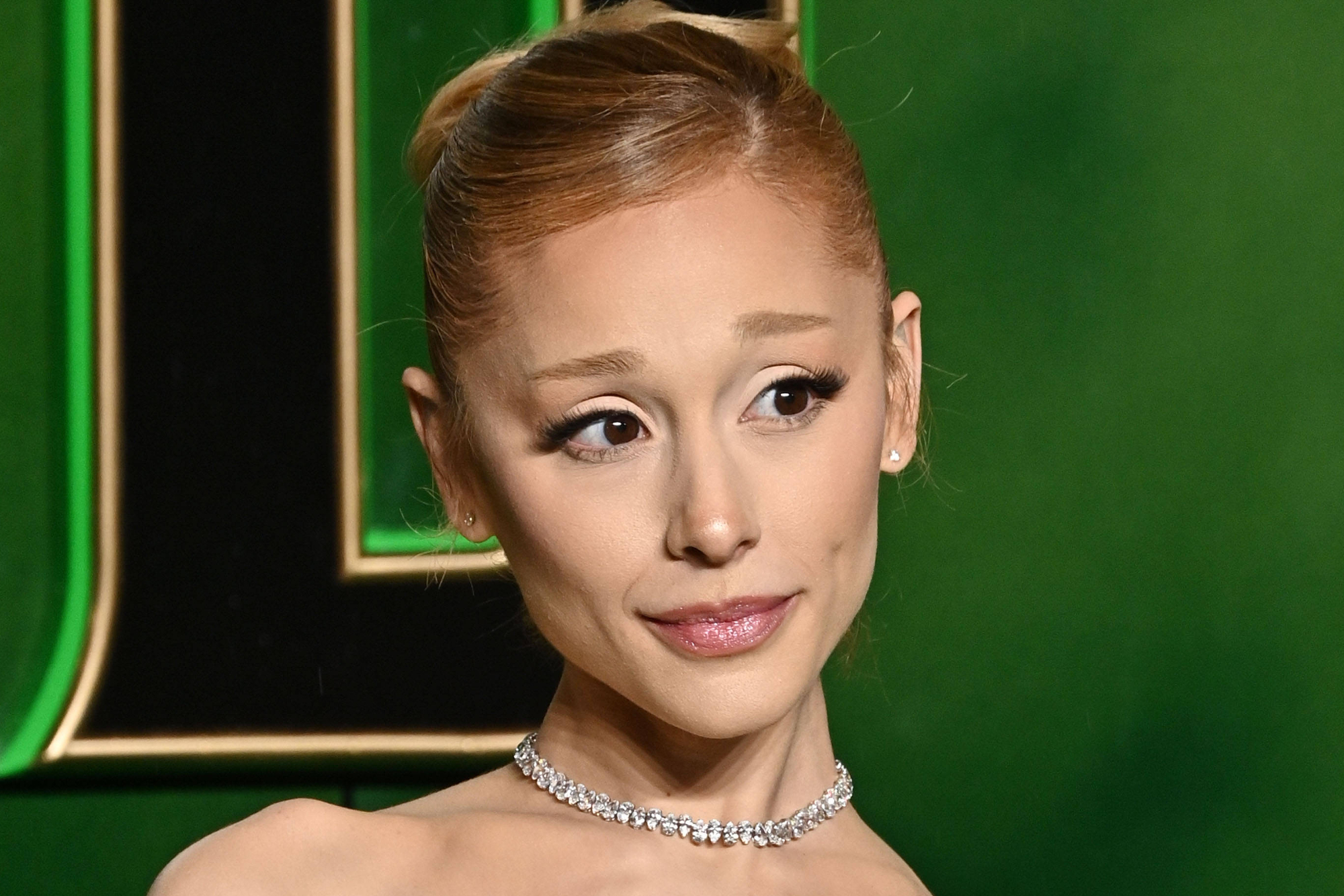
Ariana Grande and Mariah Carey hold estimated net worths in the range of $240 million to $320 million, built through decades of chart-topping music sales, lucrative touring, major brand partnerships, and successful business ventures in fragrance and cosmetics. While Mariah Carey commands a legendary catalog anchored by historic holiday hits, Ariana Grande leverages a massive contemporary streaming footprint alongside her multi-platform beauty and acting ventures.
Evaluating the financial standings of two of the most successful vocalists in modern pop history requires looking beyond basic album sales. The music industry has undergone a radical transformation over the past three decades, shifting from physical compact disc and cassette purchases to streaming subscriptions, global licensing, and independent beauty empires. Understanding how Ariana Grande and Mariah Carey built and sustained their respective fortunes provides a clear look at modern pop economy, royalty structures, and long-term asset management.
The Evolution of Pop Royalty Fortunes
To understand the net worths of Ariana Grande and Mariah Carey, one must analyze the distinct eras of the music industry in which they achieved their primary commercial breakthroughs. Financial trajectories in the entertainment business are heavily dictated by the prevailing economic models of an artist's peak commercial periods.
Mariah Carey burst onto the global music scene in 1990 with her self-titled debut album under Columbia Records. The 1990s and early 2000s represented the peak of the traditional physical record market. During this era, artists earned substantial percentages from physical compact disc sales, cassette tapes, and high-margin international touring. Major label contracts during this window often favored the label in terms of master ownership, but immense volume compensated for lower royalty percentages. Carey’s prolific songwriting credited across nearly all of her chart-topping singles ensured she collected both performance royalties and lucrative publishing royalties as a songwriter.
Conversely, Ariana Grande entered the mainstream entertainment ecosystem through television before launching her music career in the early 2010s. This period coincided with the rapid decline of physical sales and the rise of digital streaming platforms like Spotify and Apple Music. While streaming payouts per individual play are notoriously low for artists, Grande capitalized on high-volume streaming numbers, massive social media reach, and direct-to-consumer digital monetization. Furthermore, the modern pop star model relies less on traditional album sales alone and far more on diversified brand extensions, luxury fashion partnerships, and standalone consumer goods companies.
Mariah Carey's Financial Portfolio: Catalog Value and Holiday Legacy
Mariah Carey’s estimated net worth, commonly cited by financial trackers and entertainment publications between $320 million and $350 million, stems from a multifaceted career defined by historic chart dominance and shrewd business management.
The Power of "All I Want for Christmas Is You"
No discussion of Mariah Carey’s wealth is complete without examining her iconic 1994 holiday album, Merry Christmas, and its leading single, "All I Want for Christmas Is You." The track functions as an unprecedented financial annuity. Every holiday season, the song consistently re-enters global charts, streaming platforms, and radio rotation. Industry analysts estimate that the song alone generates millions of dollars in royalties annually, with cumulative earnings surpassing tens of millions of dollars since its release. This perpetual revenue stream provides Carey with a high baseline of passive income that few artists in music history can match.
Master Recordings, Publishing, and Catalog Control
Throughout her career, Carey navigated high-profile label transitions, notably her landmark multi-album contracts with Sony Music and subsequently Virgin Records. While early-career master ownership typically resided with the record label, songwriters retain distinct publishing rights. Because Carey co-wrote the vast majority of her 18 Billboard Hot 100 number-one singles—the most for any solo artist in history—she commands substantial publishing and synchronization royalties whenever her music is licensed for film, television, commercial advertising, and public performance.
Touring, Residency, and Media Ventures
Live performance remains a primary driver of elite musical wealth. Carey has embarked on numerous high-grossing international concert tours. In addition to standard touring, she established highly lucrative permanent and semi-permanent concert residencies, most notably her All I Want for Christmas Is You seasonal runs and her #1 to Infinity residency at The Colosseum at Caesars Palace in Las Vegas. Beyond music, Carey has generated significant capital through television ventures, notably her tenure as a judge on American Idol, lucrative memoir advances, and global endorsement campaigns with brands like Intel, Pepsi, and Jenny Craig.
Ariana Grande's Financial Portfolio: Streaming Dominance and Beauty Enterprises
Ariana Grande’s estimated net worth ranges between $240 million and $250 million, accumulated at an accelerated pace through a combination of television syndication, record-shattering streaming numbers, high-fashion endorsements, and a hugely successful cosmetics brand.
Nickelodeon Origins and Acting Residuals
Before establishing herself as a global pop powerhouse, Grande starred in successful children's television series on Nickelodeon, including Victorious and Sam & Cat. While initial television salaries for juvenile actors are modest compared to adult prime-time wages, successful syndicated shows generate consistent backend residuals. These early earnings provided a stable financial foundation before her musical career scaled globally.
Music Streaming and Record-Breaking Tours
Grande transitioned smoothly into a dominant streaming force. Albums such as Dangerous Woman, Sweetener, Thank U, Next, and Positions generated billions of combined streams across digital platforms. Her Sweetener World Tour grossed over $146 million, cementing her status as a premier live draw. Because modern touring economics often allow top-tier headliners to capture a larger share of merchandising and gate revenues compared to past decades, her concert operations yield high profit margins.
r.e.m. beauty and Brand Collaborations
The single largest catalyst for Grande’s rapid wealth accumulation in the 2020s is her beauty brand, r.e.m. beauty. Launched in late 2021, the line gained immediate retail distribution and consumer loyalty, eventually expanding into major international markets through partnerships with prominent retailers like Ulta Beauty. Celebrity beauty brands often command high corporate valuations; Grande’s strategic ownership stake in r.e.m. beauty significantly elevates her total net worth.
Complementing her business ventures, Grande has served as a global ambassador for luxury fashion houses such as Givenchy and high-profile lifestyle brands like Starbucks, commanding multimillion-dollar endorsement fees.
| Financial Dimension | Mariah Carey | Ariana Grande |
|---|---|---|
| Estimated Net Worth | $320 Million – $350 Million | $240 Million – $250 Million |
| Primary Wealth Drivers | Holiday catalog royalties, songwriting publishing, global tours, Las Vegas residencies. | Streaming revenue, r.e.m. beauty brand, global tours, luxury fashion endorsements. |
| Career Peak Era | 1990s physical music boom (CDs, cassettes, international radio). | 2010s–present digital streaming era, direct-to-consumer retail. |
| Signature Commercial Asset | "All I Want for Christmas Is You" (perpetual annual annuity). | r.e.m. beauty cosmetics enterprise and multi-platinum streaming catalog. |
Comparative Financial Analysis: Catalog vs. Ecosystem
Comparing the net worths of Ariana Grande and Mariah Carey highlights a fundamental shift in how female pop superstars generate and protect wealth across generational divides.
Mariah Carey’s financial fortress is built primarily on deep-catalog longevity. In an era where physical media rewarded upfront purchases, Carey accumulated monumental royalty stakes through sustained radio airplay and physical album sales. Her wealth operates like a traditional real estate portfolio: established, diversified across decades, and anchored by an irreplaceable seasonal asset that guarantees revenue regardless of whether she releases new music.
Ariana Grande represents the contemporary model of rapid ecosystem capitalization. Grande achieved a comparable fortune in a fraction of the time by leveraging multiple complementary revenue streams simultaneously. Rather than relying solely on recorded music and touring, Grande integrated digital streaming monetization with a direct-to-consumer beauty brand and high-fashion licensing. This ecosystem approach allows modern artists to monetize their personal brand equity far beyond the traditional confines of the music industry.
Common Misconceptions About Celebrity Net Worth
Public estimates of celebrity net worths published by media outlets often cause confusion among consumers and fans. It is important to contextualize how these figures are calculated:
- Gross Earnings vs. Net Wealth: Media reports frequently confuse gross career earnings with current net worth. Gross earnings do not account for massive operational expenses, including personal management fees (typically 10% to 15%), booking agent commissions, legal fees, public relations teams, high production costs for tours, and federal, state, and local taxes.
- Valuation Volatility: Private business ventures, such as beauty lines or fragrance portfolios, are valued based on estimated market revenue, profit margins, and industry multiples. These valuations can fluctuate significantly based on retail performance, supply chain costs, and shifting consumer trends.
- Catalog Buyouts: In recent years, many legacy artists have sold their master recordings or publishing rights to private equity firms and music publishing conglomerates for lump-sum payouts ranging from tens to hundreds of millions of dollars. While such sales provide immediate liquidity, they permanently transfer the long-term passive income of those assets. Neither Carey nor Grande has executed a complete, unreserved sale of their primary song catalogs on the scale of some of their male contemporaries, allowing them to retain long-term equity.
Frequently Asked Questions
Who has a higher net worth, Ariana Grande or Mariah Carey?
Mariah Carey generally maintains a higher estimated net worth, ranging from $320 million to $350 million, compared to Ariana Grande’s estimated $240 million to $250 million. Carey’s advantage stems from over three decades of accumulated catalog royalties, high-grossing historical physical album sales, and the enduring annual revenue generated by her holiday catalog.
How much does Mariah Carey make from "All I Want for Christmas Is You"?
While exact annual figures vary based on streaming numbers, licensing, and broadcast royalties, industry analysts and financial publications estimate that "All I Want for Christmas Is You" generates between $2 million and $3 million annually during the holiday season alone. Cumulative earnings for the track exceed $60 million since its 1994 release.
What is Ariana Grande's primary source of wealth?
Ariana Grande’s wealth is generated through a balanced portfolio of digital music streaming royalties, sold-out international concert tours, luxury fashion endorsements, and her highly successful cosmetics company, r.e.m. beauty. Her business ventures outside of music contribute heavily to her rapid wealth accumulation.
Did Ariana Grande or Mariah Carey sell their music catalogs?
Neither artist has executed a total divestment or sale of their primary songwriting or master recording catalogs. Both artists maintain significant ongoing stakes in their respective intellectual properties, allowing them to capture long-term royalties from streaming, synchronization, and physical distribution.
How do modern pop stars build net worth differently than 1990s artists?
Artists in the 1990s built wealth primarily through physical album sales (CDs and cassettes) and large-scale international tours, as streaming did not exist. Modern pop stars build wealth by integrating streaming distribution with direct-to-consumer beauty, apparel, or lifestyle brands, capturing high equity valuations through corporate partnerships and entrepreneurial ventures early in their careers.
Strategic Financial Takeaways
The financial trajectories of Ariana Grande and Mariah Carey demonstrate that substantial wealth in the entertainment industry requires adaptability, diversification, and asset retention. Whether through the long-tail annuity of a timeless holiday anthem or the rapid scaling of a modern direct-to-consumer beauty brand, sustained financial success depends on owning the underlying intellectual property and business equity rather than relying solely on single-stream performance fees. Aspiring entrepreneurs and creators looking to model these financial successes must prioritize brand diversification, long-term asset control, and strategic deployment of capital across multiple industries.