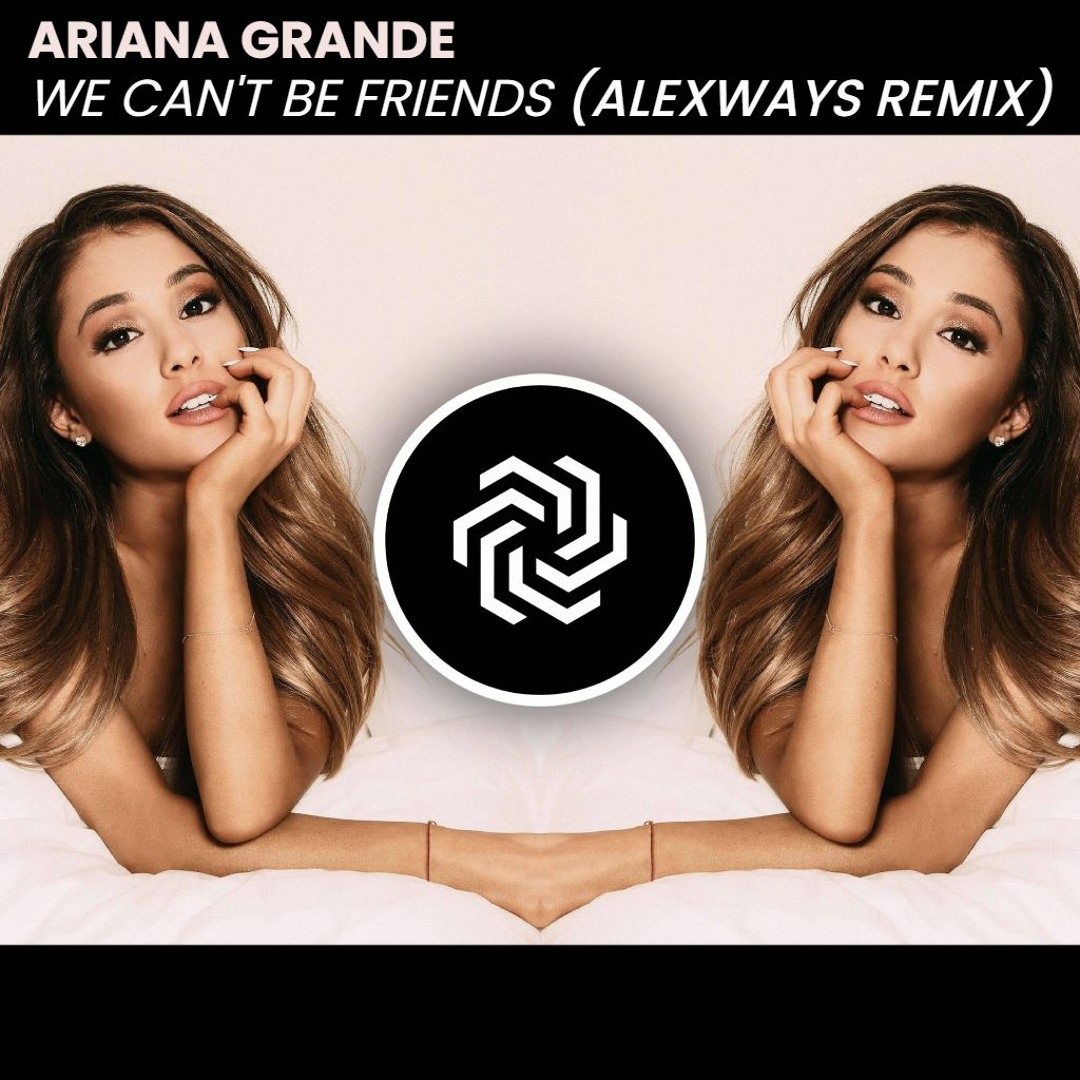
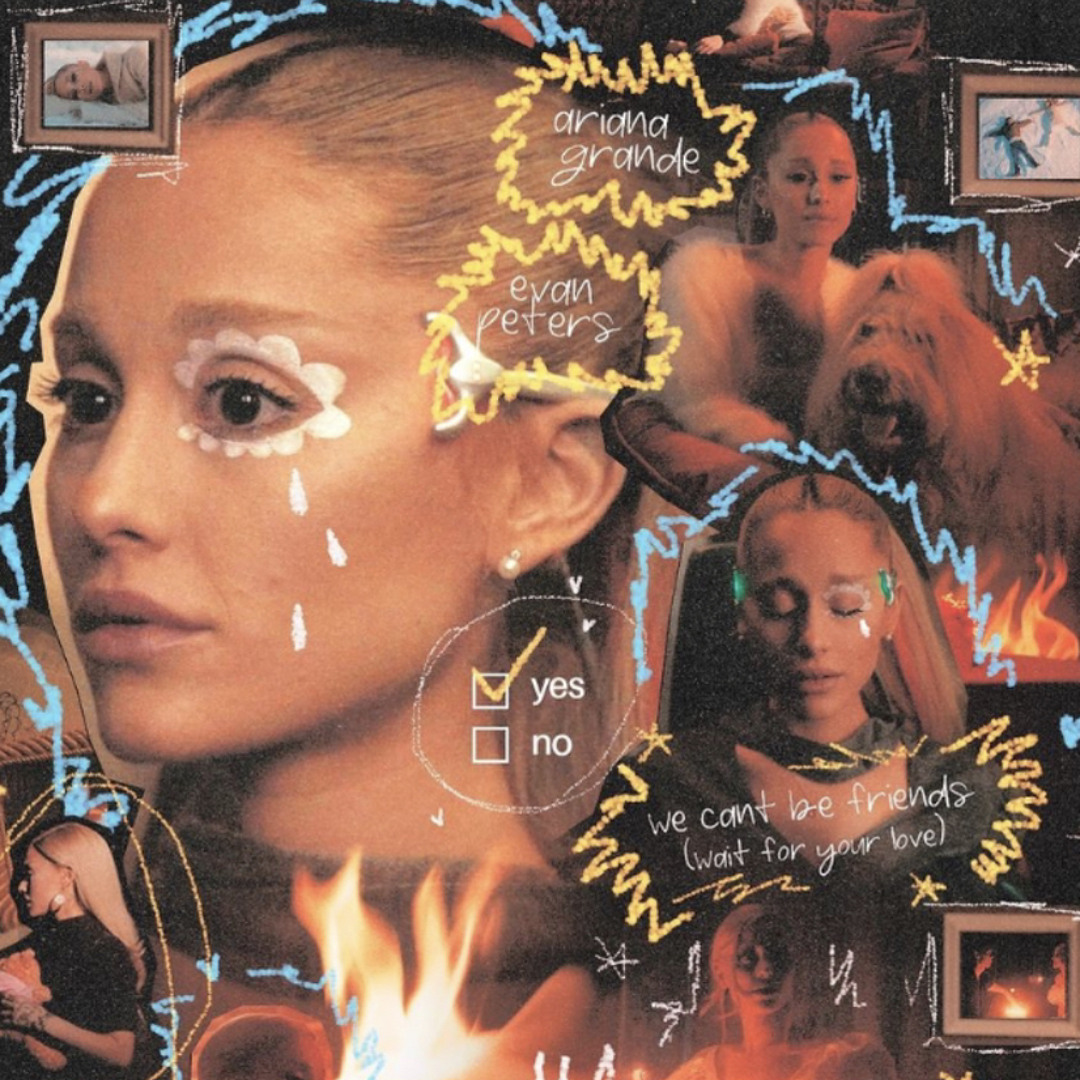
The "we can't be friends (wait for your love)" controversy centers on the public backlash, thematic interpretations, and cinematic parallels surrounding Ariana Grande's 2024 music video, which drew heavy scrutiny for its resemblance to the 2004 film Eternal Sunshine of the Spotless Mind while navigating a complex web of parasocial fan drama, media scrutiny, and deeply personal pop culture narratives.
Introduction to the Controversy
When pop icon Ariana Grande released her single "we can't be friends (wait for your love)" alongside its accompanying music video in March 2024, the reception was split between widespread critical acclaim and intense internet scrutiny. Directed by Christian Breslauer, the visual medium heavily leaned on the visual language of Michel Gondry’s acclaimed 2004 film Eternal Sunshine of the Spotless Mind, starring Jim Carrey and Kate Winslet. While cinematic homages are a staple of modern music videos, this specific release landed amidst a turbulent period in Grande’s personal life, particularly regarding intense public interest in her relationship status and past marriage.
The controversy did not stem from a single catastrophic event, but rather from a convergence of factors: copyright and artistic homage discussions, fan base friction, and the relentless internet discourse surrounding celebrity accountability. To understand the friction surrounding the track, one must examine how contemporary pop culture consumes art through the lens of the artist's real-life narrative, turning a stylized exploration of heartbreak into a lightning rod for public debate.
The Cinematic Homage: Inspiration vs. Imitation
At the heart of the initial wave of discussion was the explicit visual parallel drawn between Grande's music video and Eternal Sunshine of the Spotless Mind. In the film, characters undergo a fictional medical procedure to erase painful memories of a failed relationship from their minds. Grande’s video features her character, Peaches, checking into a facility called "Brighter Days Inc." to undergo a similar memory-wiping procedure to erase a former partner, played by actor Evan Peters.
| Feature Element | Eternal Sunshine of the Spotless Mind | "We Can't Be Friends" Video |
|---|---|---|
| Core Concept | Memory erasure medical procedure | Emotional erasure facility |
| Protagonist | Joel Barish (Jim Carrey) | Peaches (Ariana Grande) |
| Primary Object | Recollections of a volatile romance | Memories of an idealized partner |
| Narrative Twist | Memories fight back against removal | Acceptance of pain and moving on |
While cinephiles and pop critics initially praised the detailed recreation of iconic scenes—such as the crumbling apartment and the freezing beach sequence—some critics questioned whether the homage crossed the line into derivative pastiche. Music video homages walk a fine line between paying tribute and leaning too heavily on pre-existing intellectual property for emotional resonance. However, the use of Eternal Sunshine also invited deeper thematic comparisons. Grande's lyrics explore the painful necessity of letting go of someone who has changed you, aligning closely with the film's bittersweet thesis that forgetting a past love does not prevent the heart from repeating its cycle.
The Context of Personal Scrutiny and Public Narrative
To fully comprehend why the release of "we can't be friends" generated such polarized reactions, it is essential to contextualize the social climate surrounding Ariana Grande during early 2024. The release of her seventh studio album, Eternal Sunshine (which served as an intentional nod to the same film themes), followed months of intense tabloid coverage regarding her personal life.
Public opinion on social media platforms like TikTok, X (formerly Twitter), and Instagram was deeply divided. A vocal segment of internet commentators scrutinized her public relationships, weaponizing her lyrics and music videos as direct confessions or defensive maneuvers against public criticism. Consequently, when Grande released a song and video about erasing memories of a toxic or complicated relationship, the internet immediately sought to map the fiction onto her real-world relationships.
This parasocial projection created a toxic feedback loop:
- ** tabloid Speculation:** Media outlets dissecting every frame of the video for hidden messages about past partners.
- Fan Defensiveness: Stans rushing to defend the artistic integrity of the work and framing criticism as misogyny or targeted harassment.
- Anti-Fan Backlash: Detractors using the video's themes of "erasure" to accuse the artist of deflecting from public accountability regarding her personal life.
This environment transformed what should have been a standard promotional rollout into a flashpoint for broader cultural conversations about how we consume art created by public figures undergoing high-profile public scrutiny.
Artistic Merit Versus Parasocial Interpretation
A significant portion of the controversy surrounding the track highlights a modern dilemma in pop music: the death of the autonomous text. When an artist whose personal life is subject to intense media scrutiny releases deeply personal-sounding music, audiences often struggle to view the work as standalone art.
Grande has frequently addressed the friction between her public persona and her private reality. "We Can't Be Friends" uses upbeat, synth-pop production—reminiscent of Robyn's "Dancing on My Own"—juxtaposed with melancholic, self-aware lyrics about grief and emotional self-preservation.
| Analytical Perspective | Focus and Core Argument |
|---|---|
| Musical and Production View | Praise for 80s synth-pop revival style |
| Lyrical Analysis | Exploration of mature grief and closure |
| Parasocial / Tabloid View | Obsession with mapping lyrics to romance |
| Cinematic Critique | Evaluation of visual references |
Critics who separated the song from the tabloid headlines pointed out that the track represents some of Grande's strongest vocal and compositional work. The juxtaposition of a danceable rhythm with devastating lyrics is a time-tested pop tradition. Yet, the controversy demonstrated that in the streaming era, an artist's cultural footprint often precedes the music itself, altering how a song is received, debated, and eventually remembered by the general public.
Frequently Asked Questions
What inspired the music video for "we can't be friends (wait for your love)"?
The music video is heavily inspired by the 2004 Michel Gondry film Eternal Sunshine of the Spotless Mind. It features a conceptual memory-removal clinic where the protagonist undergoes a procedure to erase her memories of a past romantic partner, mirroring the plot of the film.
Did the controversy impact the song's commercial performance?
Despite intense online debates and polarized social media discourse, the controversy did not hinder the track's commercial success. The single debuted at number one on the Billboard Hot 100, proving that widespread public interest and streaming engagement often override internet negativity.
Why were fans and critics divided over the release?
The division stemmed from a mix of artistic appreciation and parasocial interference. While music critics praised the synth-pop production and cinematic visuals, internet commentators frequently conflated the song's themes of forgetting a partner with Grande's heavily scrutinized personal life and past relationships.
Is the song officially connected to the film Eternal Sunshine of the Spotless Mind?
While the music video and the parent album share thematic ties and visual homages to the movie, there is no official corporate partnership or direct narrative continuation between Grande's work and the original 2004 motion picture.
How did Ariana Grande address the reactions to the song?
Grande largely allowed the art to speak for itself, focusing her promotional efforts on live performances and discussing the emotional vulnerability required to write her seventh studio album, while avoiding direct engagement with tabloid rumors.
Conclusion and Final Perspective
The controversy surrounding Ariana Grande and "we can't be friends (wait for your love)" ultimately reveals less about the song itself and more about the modern ecosystem of pop music consumption. By blending high-concept cinematic nods with vulnerable lyricism, Grande created a track that invited deep emotional resonance. However, the persistent gravity of internet culture and tabloid speculation ensured that the release became a battleground for discussions on parasocial behavior, artistic authenticity, and the cost of fame. Moving past the noise, the song remains a masterclass in modern pop craftsmanship, demonstrating that compelling art often thrives even amid the most turbulent cultural crosswinds.