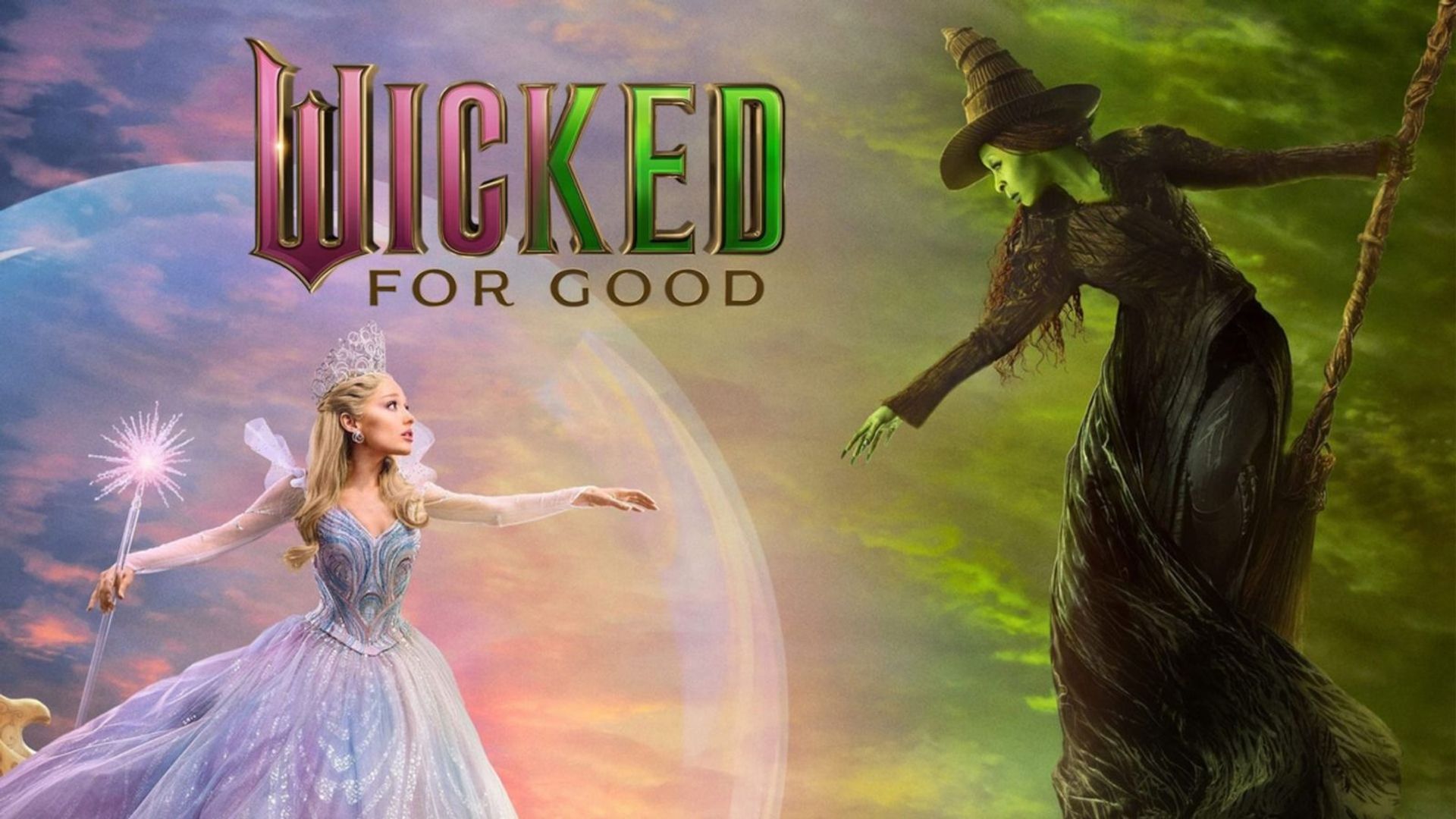
Ariana Grande stars as Glinda Upland in the 2025 cinematic adaptation of the hit Broadway musical Wicked, bringing a blend of high-register vocal agility, intricate physical comedy, and deep character nuance to the iconic role of the "Good Witch." Directed by Jon M. Chu and produced by Universal Pictures, the film adaptation divides Gregory Maguire’s revisionist Oz universe into two parts, with the first installment released in November 2024 and the second arriving in late 2025. Grande’s casting alongside Cynthia Erivo as Elphaba Thropp represents one of the most closely scrutinized and high-profile musical-to-film transitions of the decade, requiring a rigorous look at her preparation, vocal delivery, acting choices, and the broader context of the production.
Historical Context and Development of the Cinematic Adaptation
The journey to bring Wicked from the stage to the silver screen spans more than a decade of development, shifting creative teams, and strategic pauses. Originally premiering on Broadway in 2003 with a book by Winnie Holzman and music and lyrics by Stephen Schwartz, the stage musical itself is based on Gregory Maguire’s 1995 novel Wicked: The Life and Times of the Wicked Witch of the West. For years, fans speculated about potential film iterations, with various directors attached before Universal Pictures officially slated the project for production under Jon M. Chu.
The decision to split the narrative into two distinct cinematic chapters proved pivotal for the casting and execution of Glinda. Rather than condensing a dense two-act musical into a standard 120-minute runtime, the filmmakers opted to expand the universe, allowing for deeper exploration of Shiz University, the political corruption of the Wizard of Oz, and the internal psychology of both primary characters. This expansion directly impacted Ariana Grande's portrayal of Glinda, providing her with the necessary runway to transition the character from a superficial, popularity-obsessed student into a complex political figure caught in the machinery of Oz.
Casting announcements in late 2021 ended years of internet speculation. When Jon M. Chu announced that Cynthia Erivo would play Elphaba and Ariana Grande would play Glinda, the response was a mixture of intense excitement and cautious skepticism from musical theater purists. For Grande, who began her career on Broadway in the 2008 musical 13 before achieving global pop superstardom, securing the role represented a homecoming to her theatrical roots. Her extensive vocal training, lifelong fandom of the stage production, and acute familiarity with high-pressure performance environments positioned her as a unique choice for a role originated by Kristin Chenoweth.
Audition Process and Vocal Preparation
Securing the role of Glinda was not a matter of a simple industry offer; Ariana Grande underwent a rigorous, months-long audition process that tested both her dramatic acting capabilities and her technical vocal stamina. In interviews surrounding the film's release, Chu and the production team detailed how Grande auditioned multiple times over several months, putting aside her pop career obligations to prove her dedication to the theatrical craft. She worked extensively with vocal coaches to adapt her contemporary pop belt and multi-octave whistle register into a classical musical theater soprano style capable of handling Stephen Schwartz’s demanding score.
The vocal demands of playing Glinda require a unique combination of operatic precision and comedic character singing. Numbers such as "Popular" and "Thank Goodness" demand crisp diction, impeccable comedic timing within the musical phrasing, and a seamless blend between chest voice and high soprano notes. Grande utilized her natural vocal agility to honor the foundational work established by Chenoweth while introducing distinct vocal colorings that fit the film's heightened, cinematic sonic landscape.
| Aspect | Stage Standard (Original Broadway) | Cinematic Adaptation (2025 Film) | Ariana Grande's Approach |
|---|---|---|---|
| Vocal Style | Operatic soprano with strong comedic belt | Cinematic hybrid of legit soprano and modern mic technique | Blending classical placement with signature pop breath control |
| Physicality | Theatrical, exaggerated stage blocking for large rooms | Micro-expressions, nuanced eye movements, and dynamic choreography | Heightened physical comedy paired with subtle emotional vulnerability |
| Character Arc | Compressed into a swift two-act stage progression | Expanded across two feature-length films for deeper psychological realism | Emphasizing the insecurity beneath Glinda's privileged exterior |
Furthermore, the decision to record the vocals live on set for major musical numbers—a technique championed by Chu to maintain emotional authenticity—placed extraordinary pressure on both Grande and Erivo. Singing complex runs while executing intricate choreography on physical sets required an elite level of physical conditioning. Grande's preparation included months of dance rehearsals, harness training for flying sequences, and stamina building to ensure her live vocal delivery remained stable under intense physical exertion.
Character Conception and Performance Dynamics
Ariana Grande’s interpretation of Glinda (originally Galinda) relies heavily on subverting the audience's initial expectations of the character as a one-dimensional "mean girl." In the 2025 film, Grande leans into the psychological motivations of a young woman whose entire identity is constructed around social validation, privilege, and the pursuit of perfection. This approach reframes Glinda's bubbly exterior not merely as a comedic device, but as a defense mechanism against the rigid, superficial societal structures of Oz.
The chemistry between Grande's Glinda and Erivo's Elphaba forms the emotional core of the narrative. While the stage show naturally relies on broad theatrical contrast—the petite, blonde bubbly soprano versus the tall, green, fierce outcast—the film allows for a more textured friendship. Grande balances the comedic beats of Glinda's self-absorption with moments of genuine, albeit clumsy, empathy toward Elphaba. Scenes set within their Shiz University dorm room highlight Grande's ability to transition rapidly from high-status vanity to vulnerable insecurity, particularly during the musical number "Popular," where Glinda attempts to mold Elphaba in her own image.
| Character Trait | Narrative Function | Performance Strategy by Ariana Grande |
|---|---|---|
| Superficiality | Highlights the systemic vanity of Oz society | Exaggerated physical gestures and rapid vocal inflections |
| Ambition | Drives the political compromise in Act II | Subtle hardening of expression during scenes with the Wizard |
| Friendship | The emotional anchor of the narrative | Genuine warmth breaking through comedic vanity |
Directors and critics alike noted Grande’s dedication to protecting the character's humanity. Rather than playing Glinda as an unlikable antagonist or a pure caricature, Grande emphasizes her internal conflict as she is forced to choose between personal comfort and moral integrity. This nuance becomes especially critical as the narrative shifts from the whimsical academic environment of Shiz University to the authoritarian political reality of the Emerald City.
Costume, Hair, and Visual Aesthetics
The visual presentation of Glinda in the 2025 film represents a massive undertaking by Academy Award-winning costume designer Paul Tazewell and the hair and makeup departments. Every visual cue associated with the character is designed to reflect her internal evolution. In her introduction at Shiz University, Glinda is wrapped in towering pink silhouettes, immaculate curls, and sparkling accessories that signal wealth, status, and an obsessive need for control.
Grande worked closely with the design team to ensure that her physical appearance supported her acting choices. The iconic pink bubble dress worn during "Popular" and the graduation ensembles were constructed with hundreds of yards of custom fabric, requiring specialized training for Grande to maneuver naturally while maintaining character. As the story progresses into the second part of the cinematic release, Glinda’s wardrobe undergoes a noticeable transformation, shifting from playful, pastel-heavy collegiate fashion to more structured, severe, and regal gowns that mirror her co-optation by the Wizard's regime.
Hair and makeup also played a vital role in defining the character. Grande's signature high ponytail, a staple of her pop persona, was humorously nodded to in early conceptual styling before settling into the elaborate, cascading blonde curls required for a fantasy-era Oz. The use of cosmetics on screen was calibrated to look both hyper-real and theatrical, ensuring that under the intense scrutiny of IMAX and large-format digital cameras, Glinda's facade remained flawless while allowing micro-expressions of doubt and fear to register clearly to the audience.
Cultural Impact, Reception, and Legacy
The casting of Ariana Grande as Glinda generated unprecedented levels of media attention, setting new benchmarks for digital marketing campaigns in the entertainment industry. Universal Pictures leveraged both Grande's massive global social media following and Erivo's theatrical prestige to create a multi-layered promotional rollout that dominated pop culture discourse throughout 2024 and 2025.
Critical reception of Grande's performance widely praised her unexpected dramatic chops and vocal precision. While initial internet commentary focused on the novelty of a pop superstar taking on a definitive musical theater role, reviews following the film's release emphasized that Grande's performance was grounded in rigorous craft rather than celebrity casting stunt work. Her ability to hold the screen opposite seasoned dramatic actors solidified her status not just as a recording artist, but as a legitimate musical theater and film actress.
Furthermore, the cultural footprint of the 2025 film revitalized interest in the theatrical source material, introducing Wicked to an entirely new generation of filmgoers. Merchandise partnerships, fashion collaborations centered on Glinda's pink aesthetic, and intense analysis of the film's technical achievements cemented the production as a landmark cultural event of the mid-2020s. For Grande, the role marks a definitive pivot point in her career, successfully bridging the gap between her pop superstardom and her lifelong ambitions as a dramatic stage and screen performer.
Frequently Asked Questions
Did Ariana Grande sing live on set for the 2025 Wicked film?
Yes. Director Jon M. Chu prioritized recording vocals live on set for the primary musical numbers to capture authentic emotional breaths, tears, and physical exertion, rather than relying entirely on pre-recorded studio tracks. Grande and co-star Cynthia Erivo underwent extensive physical and vocal training to sustain this demanding performance method while executing complex choreography and wirework.
How did Ariana Grande prepare for the role of Glinda?
Grande participated in a rigorous, multi-month audition process, putting aside her pop music career to prove her suitability to the creative team. Once cast, she worked closely with vocal coaches to adapt her contemporary pop belt into a classical musical theater soprano range, while also undergoing intensive dance, acting, and physical conditioning rehearsals.
Is Ariana Grande's Glinda different from the original Broadway portrayal?
While honoring the foundational blueprint established by original Broadway star Kristin Chenoweth, Grande’s cinematic portrayal expands upon the character's internal psychology. The two-part film structure allows for deeper exploration of Glinda's insecurities, political compromises, and emotional evolution, resulting in a more nuanced and psychologically grounded depiction than the compressed stage version permits.
What is the structure of the 2025 Wicked film adaptation?
Universal Pictures divided the narrative into two distinct cinematic parts. The first installment was released in November 2024, focusing on the early years at Shiz University and the initial bond between Elphaba and Glinda, while the second part concluded the story in late 2025, exploring the political fallout and their ultimate divergence.
What challenges did Ariana Grande face physically during filming?
Playing Glinda required managing heavy, elaborate custom-made gowns designed by Paul Tazewell, executing complex harness work for flying sequences, and maintaining precise vocal stability while performing energetic choreography on physical sets under harsh studio lighting conditions.
Conclusion and Next Actions
For enthusiasts and industry watchers following the trajectory of major musical adaptations, studying Ariana Grande's performance as Glinda offers a masterclass in modern casting execution and cross-medium performance. To gain a complete understanding of the 2025 film's artistic scope, viewers should watch both parts of the cinematic release in sequence, paying close attention to how the vocal and visual motifs evolve from the whimsical opening acts at Shiz University to the dramatic climax in Oz.