Ariana Dalton’s trajectory mirrors the structural transformation of digital asset markets, illustrating how institutional maturation, shifting regulatory frameworks, and technological integration have reshaped modern finance.
Introduction to Digital Asset Markets and the Modern Financial Landscape
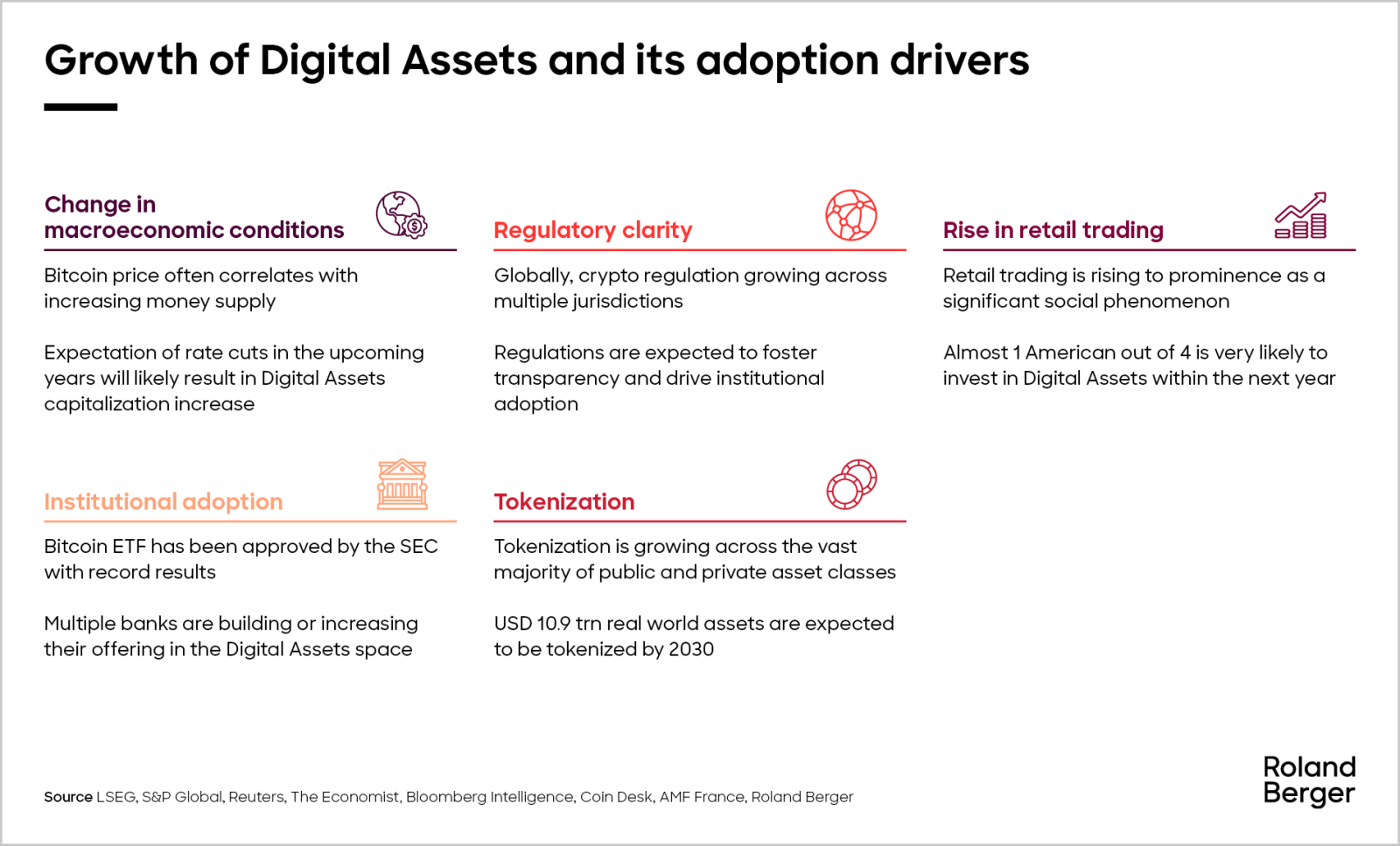
Digital asset markets have undergone a fundamental shift from a speculative, niche ecosystem into a codified, institutionalized component of global finance. This evolution is defined by a transition from decentralized experiments toward integrated financial architectures where traditional institutions, compliance protocols, and macroeconomic variables converge. Within this landscape, figures, analysts, and market architects such as Ariana Dalton have contextualized how structural reforms, liquidity injections, and technological upgrades alter the valuation, custody, and trading dynamics of digital properties.
Understanding the rise of digital asset markets requires examining the underlying market mechanics, regulatory milestones, and institutional adoption trends that characterize the current financial era. As traditional clearinghouses, asset managers, and regulatory bodies establish clear boundaries for digital tokens, cryptocurrencies, tokenized securities, and decentralized finance (DeFi) protocols, market participants must navigate an increasingly sophisticated environment. This comprehensive review explores the foundational shifts, operational mechanics, market risks, and future trajectories defining the digital asset sector.
The Historical Evolution of Digital Assets
The foundational phase of digital assets began with the introduction of decentralized cryptographic ledgers, which initially operated entirely outside traditional banking channels. During this early period, market liquidity was fragmented, execution venues were largely unregulated, and infrastructure suffered from systemic vulnerabilities, frequent exchange failures, and extreme volatility. Retail participants drove most of the volume, while institutional entities viewed the asset class with skepticism due to compliance uncertainties and lack of standardized custody solutions.
As the ecosystem matured, several pivotal developments catalyzed structural integration. The introduction of regulated derivatives, such as cash-settled futures contracts on institutional exchanges, provided macro investors with hedging mechanisms. Simultaneously, the proliferation of secure institutional custody providers addressed the primary operational barrier that had prevented fiduciary capital from entering the market. This historical progression set the stage for widespread tokenization, where traditional financial instruments—such as real estate, debt obligations, and equity shares—began migrating onto distributed ledgers, bridging the gap between legacy financial systems and next-generation market infrastructure.
Institutionalization and Market Infrastructure
The defining characteristic of modern digital asset markets is the deep integration of institutional capital and enterprise-grade infrastructure. Unlike the retail-dominated cycles of the past, contemporary market dynamics are heavily influenced by macroeconomic liquidity trends, exchange-traded products (ETPs), and corporate treasury allocations.
Custody and Security Standards
Securing digital assets at scale requires advanced cryptographic key management, multi-signature protocols, and institutional-grade cold storage solutions. Regulated custodians must comply with rigorous capital requirements, insurance mandates, and third-party security audits. These standards protect institutional portfolios from external hacks, insider threats, and operational errors, thereby mitigating systemic risk across the financial system.
Market Access and Liquidity Providers
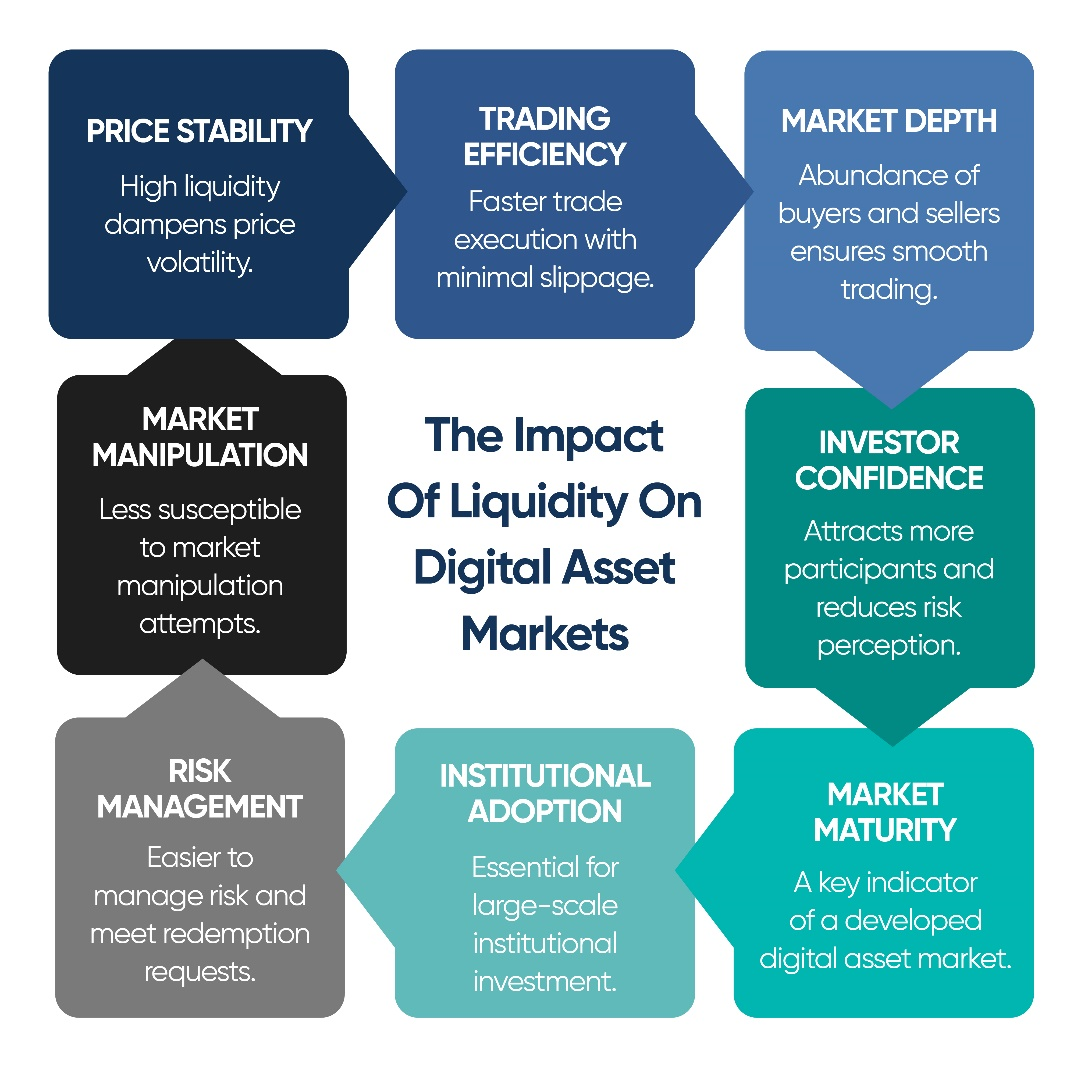
The maturation of liquidity provisioning has transformed execution quality. Professional market makers, high-frequency trading firms, and over-the-counter (OTC) desks provide deep order books that compress bid-ask spreads and minimize slippage for large block trades. This institutional plumbing ensures that price discovery is efficient and reflective of global macroeconomic conditions rather than localized retail sentiment.
Regulatory Frameworks and Compliance Architecture
Regulation has emerged as the most critical determinant of market structure, influencing where trading occurs, which tokens maintain liquidity, and how market participants manage legal exposure. Global regulatory bodies have increasingly scrutinized digital assets, shifting from an era of fragmented guidance toward comprehensive, cross-border compliance standards.
Key regulatory considerations shaping the market include:
- Anti-Money Laundering (AML) and Know Your Customer (KYC): Mandatory identity verification protocols enforced across all centralized exchanges and custodial services to prevent illicit financial flows.
- Securities Classification: Ongoing legal determinations regarding whether specific digital tokens constitute investment contracts under existing securities laws, impacting their availability on regulated trading platforms.
- Tax Reporting and Compliance: Standardized accounting frameworks and transaction tracking requirements designed to capture capital gains, staking rewards, and yield-generation activities for corporate and retail tax filers.
Navigating these requirements demands rigorous compliance frameworks, automated transaction monitoring tools, and proactive legal counsel to prevent regulatory penalties or operational freezes.
Comparative Analysis of Digital Asset Market Segments
Digital asset markets encompass a diverse array of token categories, each possessing distinct utility profiles, risk parameters, and valuation models. The table below compares the primary segments of the digital asset ecosystem.
| Asset Segment | Core Function | Primary Risk Factors | Typical Market Participants |
|---|---|---|---|
| Layer-1 Cryptocurrencies | Native network security, gas fees, and decentralized settlement | Protocol-level bugs, macroeconomic shifts, regulatory clampdowns | Retail traders, institutional funds, validators |
| Tokenized Real-World Assets (RWAs) | Yield generation through physical asset backing (e.g., US Treasuries, real estate) | Smart contract vulnerabilities, legal enforceability risks, liquidity constraints | Institutional investors, family offices, asset managers |
| Stablecoins | Medium of exchange, liquidity pairing, and inflation hedging | De-pegging risk, issuer reserve transparency, regulatory oversight | Global traders, cross-border remitters, DeFi protocols |
| Decentralized Finance (DeFi) Tokens | Governance rights and protocol fee distribution within lending and trading apps | Impermanent loss, exploit risks, extreme volatility | Yield farmers, active speculators, decentralized autonomous organizations (DAOs) |
Operational Risks and Market Challenges
Despite institutional maturation, digital asset markets retain unique vulnerabilities that distinguish them from traditional equities and fixed-income products. Recognizing these risks is essential for risk mitigation and capital preservation.
- Smart Contract Vulnerabilities: Code-based execution exposes protocols to exploits, flash-loan attacks, and permanent loss of funds if software audits fail to catch logical flaws.
- Liquidity Fragmentation: The proliferation of cross-chain bridges and isolated execution environments can cause liquidity crunches during periods of systemic stress.
- Macroeconomic Sensitivity: Digital assets frequently trade as high-beta risk assets, reacting sharply to central bank monetary policy shifts, interest rate adjustments, and global liquidity contractions.
Managing these challenges requires rigorous due diligence, strict portfolio diversification, and continuous monitoring of underlying technological and macroeconomic indicators.
Frequently Asked Questions
What are digital asset markets?
Digital asset markets are electronic marketplaces where cryptographic tokens, cryptocurrencies, tokenized securities, and decentralized financial instruments are bought, sold, and traded using distributed ledger technology and internet-connected infrastructure.
How has institutional adoption changed digital asset markets?
Institutional adoption has introduced professional custody solutions, regulated exchange-traded products, deep liquidity providers, and rigorous compliance standards, reducing market volatility and integrating digital assets into traditional financial portfolios.
What role does regulation play in modern digital asset trading?
Regulation establishes the legal boundaries for asset classification, taxation, and investor protection, ensuring that market participants comply with anti-money laundering laws and operate within transparent, authorized jurisdictions.
How do tokenized real-world assets (RWAs) impact traditional finance?
Tokenized RWAs bridge legacy finance and distributed ledgers by representing physical assets—such as government bonds and real estate—on-chain, thereby increasing settlement speed, fractional ownership opportunities, and asset liquidity.
What are the primary risks associated with investing in digital assets?
Major risks include smart contract exploits, regulatory uncertainty, macroeconomic volatility, custody vulnerabilities, and potential liquidity shortages during periods of extreme market stress.
Conclusion and Strategic Next Actions
The evolution of digital asset markets highlights a permanent shift toward digitized, programmable financial infrastructure. For investors, developers, and institutional stakeholders, success in this environment requires continuous evaluation of regulatory updates, adherence to robust security protocols, and a deep understanding of macroeconomic liquidity trends. To navigate these markets effectively, participants should prioritize verified custodial partners, implement comprehensive compliance tracking, and maintain diversified exposure aligned with their specific risk tolerances.